Authors: Arian D Wallach, Anthony H Dekker, Miguel Lurgi, Jose M Montoya, Damien A Fordham and Euan G Ritchie
Published in:Methods in Ecology and Evolution
Abstract
Trophic cascade theory predicts that apex predators structure ecosystems by regulating mesopredator and herbivore abundance and behaviour. Studies on trophic cascades have typically focused on short linear chains of species interactions. A framework that integrates more realistic and complex interactions is needed to make broader predictions on ecosystem structuring.
Network analysis is used to study food webs and other types of species interaction networks. These often comprise large numbers of species but rarely account for multiple interaction types and strengths. Here we develop an intermediate complexity theoretical framework that allows specification of multiple interaction types and strengths for the study of trophic cascades. This ecological network is designed to suit data typically derived from field-based studies. The trophic cascade network contains fewer nodes than food webs, but provides semi-weighted directional links that enable different types of interactions to be included in a single model.
We use this trophic cascade network model to explore how an apex predator shapes ecosystem structure in an Australian arid ecosystem. We compared two networks that contrasted in the dominance of an apex predator, the dingo (Canis dingo), using published results ranking the direction and strength of key interactions. Nodes and links interacted dynamically to shape these networks. We examined how changes to an apex predator population affects ecosystem structure through their direct and indirect influences on different components of this ecological community.
Under strong apex predator influence, the network structure was denser and more complex, even, and top-down driven; and dingo predation and soil commensalism formed denser interactive modules. Under weak apex predator influence (e.g. reflecting predator control) the resulting network structure was frayed, with mesopredator predation and grazing forming modules.
Our study demonstrates that networks of intermediate complexity can provide a powerful tool for elucidating potential ecosystem-wide effects of apex predators, and predicting the consequences of management interventions such as predator control. Integrating trophic cascades, with their array of complex interactions, with the three-dimensional structure of ecological networks, has the potential to reveal ‘ecological architecture’ that neither captures on its own.
Wallach AD, Dekker AH, Lurgi M, Montoya JM, Fordham DA, Ritchie EG (2016) Trophic cascades in 3D: Network analysis reveals how apex predators structure ecosystems. Methods in Ecology and Evolution. PDFDOI
Authors: Tim S Doherty, Alistair S Glen, Dale G Nimmo, Euan G Ritchie and Chris R Dickman
Published in:Proceedings of the National Academy of Sciences
Abstract
Invasive species threaten biodiversity globally, and invasive mammalian predators are particularly damaging, having contributed to considerable species decline and extinction. We provide a global meta-analysis of these impacts and reveal their full extent.
Invasive predators are implicated in 87 bird, 45 mammal, and 10 reptile species extinctions — 58% of these groups’ contemporary extinctions worldwide. These figures are likely underestimated because 23 critically endangered species that we assessed are classed as “possibly extinct.”
Invasive mammalian predators endanger a further 596 species at risk of extinction, with cats, rodents, dogs, and pigs threatening the most species overall.
Species most at risk from predators have high evolutionary distinctiveness and inhabit insular environments. Invasive mammalian predators are therefore important drivers of irreversible loss of phylogenetic diversity worldwide.
That most impacted species are insular indicates that management of invasive predators on islands should be a global conservation priority. Understanding and mitigating the impact of invasive mammalian predators is essential for reducing the rate of global biodiversity loss.
Doherty TS, Glen AS, Nimmo DG, Ritchie EG, Dickman CR (2016) Invasive predators and global biodiversity loss. Proceedings of the National Academy of SciencesPDFDOI
By Tim Doherty (Deakin University), Chris Dickman (University of Sydney), Dale Nimmo (Charles Sturt University), Euan Ritchie (Deakin University) and Al Glen(Landcare Research, New Zealand).
Feral cats are a major driver of global biodiversity loss, contributing to 26% of bird, mammal and reptile extinctions. Image credit: Mark Marathon via Wikimedia Commons
Invasive species are a threat to wildlife across the globe – and invasive, predatory mammals are particularly damaging.
Our research, recently published in Proceedings of the National Academy of Sciences, shows that these predators – cats, rats and foxes, but also house mice, possums and many others – have contributed to around 60% of bird, mammal and reptile extinctions. The worst offenders are feral cats, contributing to over 60 extinctions.
So how can we stop these mammals eating away at our threatened wildlife?
Counting the cost
Our study revealed that invasive predators are implicated in 87 bird, 45 mammal and 10 reptile extinctions — 58% of these groups’ contemporary extinctions worldwide.
Invasive predators also threaten 596 species classed as vulnerable, endangered or critically endangered on the International Union for the Conservation of Nature Red List. Combined, the affected species include 400 birds, 189 mammals and 149 reptiles.
Twenty-three of the critically endangered species are classed as “possibly extinct”, so the number of extinctions above is likely to be an underestimate.
Until now, these shocking statistics have been unknown, and the heavy toll of invasive predators on native biodiversity grossly underappreciated. Species extinctions attributed to invasive predators include the Hawaiian rail (Zapornia sandwichensis) and Australia’s lesser bilby (Macrotis leucura).
Who are the worst offenders?
We found that three canids (including the red fox and feral dogs), seven members of the weasel family or mustelids (such as stoats), five rodents, two primates, two mongooses, two marsupials and nine species from other families negatively impact threatened species. Some of these species, such as hedgehogs and brushtail possums, don’t immediately spring to mind as predators, yet they are known to prey on many threatened species.
Feral cats threaten the most species overall (430), including 63 that have become extinct. This equates to one-quarter of all bird, mammal and reptile extinctions – making the feral cat arguably the most damaging invasive species for animal biodiversity worldwide.
Five species of introduced rodent collectively threaten 420 species, including 75 extinctions. While we didn’t separate out the impacts of individual rodent species, previous work shows that black rats (Rattus rattus) threaten the greatest number of species, followed by brown rats (R. norvegicus) and Pacific rats (R. exulans).
The humble house mouse (Mus musculus) is another interesting case. Despite their small size, house mice have been recorded eating live chicks of albatrosses, petrels and shearwaters.
Other predators that threaten large numbers of species are the domestic dog (Canis familiaris), pig (Sus scrofa), small Indian mongoose (Herpestes auropunctatus), red fox (Vulpes vulpes) and stoat (Mustela erminea).
Island species most at risk
Species found only on islands (insular endemics) account for 81% of the threatened species at risk from predators.
The isolation of many islands and a lack of natural predators mean that insular species are often naive about new predators and lack appropriate defensive responses. This makes them highly vulnerable to being eaten and in turn suffering rapid population decline or, worse, extinction. The high extinction rates of ground-dwelling birds in Hawaii and New Zealand — both of which lack native mammalian predators — are well-known examples.
Accordingly, the regions where the predators threatened the greatest number of species were all dominated by islands – Central America and the Caribbean, islands of the Pacific, the Madagascar region, New Zealand and Hawaii.
Conversely, the continental regions of North and South America, Europe, Africa and Asia contain comparatively few species threatened by invasive predators. While Australia is a continent, it is also an island, where large numbers of native birds and mammals are threatened by cats and foxes.
Managing menacing mammals
Understanding and mitigating the impact of invasive mammal predators is essential for reducing the rate of global biodiversity loss.
Because most of the threatened species studied here live on islands, managing invasive predators on islands should be a global conservation priority. Invasive predators occur on hundreds of islands and predator control and eradication are costly exercises. Thus, it is important to prioritise island eradications based on feasibility, cost, likelihood of success and potential benefits.
On continents or large islands where eradications are difficult, other approaches are needed. This includes predator-proof fencing, top-predator restoration and conservation, lethal control, and maintenance of habitat structure.
Despite the shocking statistics we have revealed, there remain many unknowns. For example, only around 40% of reptile species have been assessed for the Red List, compared to 99% for birds and mammals. Very little is known about the impact of invasive predators on invertebrate species.
We expect that the number of species affected by invasive predators will climb as more knowledge becomes available.
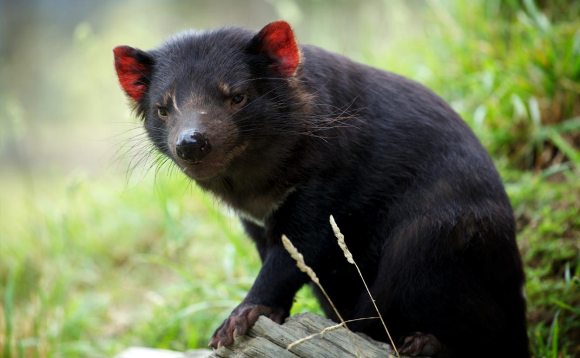
Tasmanian Devils could return to mainland Australia in the name of conservation. Image credit Duncan Rawlinson via Flickr
Reintroducing Tasmanian Devils to mainland Australia could solve a raft of conservation issues, and Wilson’s Promontory seems to be the ideal place to start.
Australia’s Top End, Kimberley and Cape York Peninsula evoke images of vast, awe-inspiring and ancient landscapes. Whether on the hunt for a prized barramundi, admiring some of the oldest rock art in the world, or pursuing a spectacular palm cockatoo along a pristine river, hundreds of thousands of people flock to this region each year. But how are our vast northern landscapes faring environmentally, and what challenges are on the horizon?
Above 17° south, bounded by a rough line from Cairns, Queensland, to Derby, Western Australia, are the high-rainfall (more than 1,000 mm a year) tropical savannas. These are the largest and most intact ecosystem of their kind on Earth. With the exception of some “smaller” pockets of rainforest (such as Queensland’s Kutini-Payamu (Iron Range) National Park), the vegetation of the region is dominated by mixed Eucalyptus forest and woodland with a grassy understorey.
There is a distinct monsoonal pattern of rainfall. Almost all of it falls during the wet season (December-March), followed by an extended dry (April-November). Wet-season rains drive abundant grass growth, which subsequently dries and fuels regular bushfires – making these landscapes among the most fire-prone on Earth. The dominant land tenures of the region are Indigenous, cattle grazing and conservation.
These savannas are home to a vast array of plant and animal species. The Kimberley supports at least 2,000 native plant species, while the Cape York Peninsula has some 3,000. More than 400 bird and 100 mammal species call the region home, along with invertebrates such as moths, butterflies, ants and termites, and spiders. Many of the latter are still undescribed and poorly studied.
Many species, such as the scaly-tailed possum, are endemic to the region, meaning they are found nowhere else.
The general lack of extensive habitat loss and modification, as compared to the broad-scale land clearing in southern Australia since European arrival, can give a false impression that the tropical savannas and their species are in good health. But research suggests otherwise, and considerable threats exist.
Fire-promoting weeds such as gamba grass, widely sown until very recently as fodder for cattle, are transforming habitats from diverse woodlands to burnt-out, low-diversity grasslands. Indeed, the fires themselves, which are considered too frequent and too late in the dry season at some locations, are now thought to be a primary driver of species loss.
It is likely some threats may also combine to make matters worse for certain species. For instance, frequent fires, intensive cattle grazing and the overabundance of introduced species such as feral donkeys and horses all combine to remove vegetation cover. This, together with the presence of feral cats, makes some native animals more vulnerable to predation.
New threats
This globally significant ecosystem, already under threat, is facing new challenges too. Proposals to use the region as a food bowl for Asia are associated with calls for the damming of waterways and land clearing for agriculture.
This is against a backdrop of climate change, which among other effects may bring less predictable wet seasons, more frequent and intense storms (cyclones) and fires, and hotter, longer dry seasons. Such changes are not only likely to harm some species, but could also make those much-touted agricultural goals far more difficult to achieve.
Great opportunities do exist in northern Australia, including carbon farming and expanded tourism enterprises. In some cases this might require difficult transitions, as already seen in parts of Cape York Peninsula, where often economically unviable cattle stations have become joint Indigenous and conservation-managed lands.
A key priority for the Great Northern Savannas should be to maintain people on country. It’s often thought that the solution to reducing environmental impacts is removing people from landscapes, but as people disappear so too does their stewardship and ability to manage and care for the land.
The Conversation’s EcoCheck series takes the pulse of some of Australia’s most important ecosystems to find out if they’re in good health or on the wane.
Are you a researcher who studies an iconic Australian ecosystem and would like to give it an EcoCheck? Get in touch.
Thousands of citizen scientists are identifying animals from millions of images taken by automated cameras across Australia. Join them at the Wildlife Spotter website. Image credit Shane Lin via Flickr
Australia is renowned for its iconic wildlife. A bilby digging for food in the desert on a moonlit night, a dinosaur-like cassowary disappearing into the shadows of the rainforest, or a platypus diving for yabbies in a farm dam. But such images, though evocative, are rarely seen by most Australians.
The mammals of the area are so obscure in their ways of life and, except for a few species, so strictly nocturnal, as to be almost spectral.
For some species, our time to see them is rapidly running out. We know that unfortunately many native animals face considerable threats from habitat loss, introduced cats and foxes, and climate change, among others.
More than ever before, we need accurate and up-to-date information about where our wildlife persists and in what numbers, to help ensure their survival. But how do we achieve this in a place the sheer size of Australia, and with its often cryptic inhabitants?
Technology to the rescue
Fortunately, technology is coming to the rescue. Remotely triggered camera traps, for example, are revolutionising what scientists can learn about our furry, feathered, scaly, slippery and often elusive friends.
These motion-sensitive cameras can snap images of animals moving in the environment during both day and night. They enable researchers to keep an eye on their study sites 24 hours a day for months, or even years, at a time.
The only downside is that scientists can end up with millions of camera images to look at. Not all of these will even have an animal in the frame (plants moving in the wind can also trigger the cameras).
This is where everyday Australians can help: by becoming citizen scientists. In the the age of citizen science, increasing numbers of the public are generously giving their time to help scientists process these often enormous datasets and, in doing so, becoming scientists themselves.
What is citizen science?
Simply defined, citizen science is members of the public contributing to the collection and/or analysis of information for scientific purposes.
But, at its best, it’s much more than that: citizen science can empower individuals and communities, demystify science and create wonderful education opportunities. Examples of successful citizen science projects include Snapshot Serengeti, Birds in Backyards, School Of Ants, Redmap (which counts Australian sealife), DigiVol (analysing museum data) and Melbourne Water’s frog census.
Through the public’s efforts, we’ve learnt much more about the state of Africa’s mammals in the Serengeti, what types of ants and birds we share our cities and towns with, changes to the distribution of marine species, and the health of our waterways and their croaking inhabitants.
In a world where there is so much doom and gloom about the state of our environment, these projects are genuinely inspiring. Citizen science is helping science and conservation, reconnecting people with nature and sparking imaginations and passions in the process.
Researchers are asking for the public’s help to identify animals in over one million camera trap images. These images come from six regions (Tasmanian nature reserves, far north Queensland, south central Victoria, Northern Territory arid zone, and New South Wales coastal forests and mallee lands). Whether using their device on the couch, tram or at the pub, citizen scientists can transport themselves to remote Australian locations and help identify bettongs, devils, dingoes, quolls, bandicoots and more along the way.
By building up a detailed picture of what animals are living in the wild and our cities, and in what numbers, Wildlife Spotter will help answer important questions including:
How many endangered bettongs are left?
How well do native predators like quolls and devils compete with cats for food?
Just how common are common wombats?
How do endangered southern brown bandicoots manage to survive on Melbourne’s urban fringe in the presence of introduced foxes, cats and rats?
What animals visit desert waterholes in Watarrka National Park (Kings Canyon)?
What predators are raiding the nests of the mighty mound-building malleefowl?
So, if you’ve got a few minutes to spare, love Australian wildlife and are keen to get involved with some important conservation-based science, why not check out Wildlife Spotter? Already, more than 22,000 people have identified over 650,000 individual animals. You too could join in the spotting and help protect our precious native wildlife.
Ecosystem ecology: understanding interactions between predators, prey, and fire in Victoria’s Big Desert-Wyperfeld region
Principal Supervisor: Dr Euan Ritchie
External Supervisors: Dr Dale Nimmo (Charles Sturt University), Tim Doherty (Deakin University), Tom Newsome (Deakin University)
Start date: February 2017
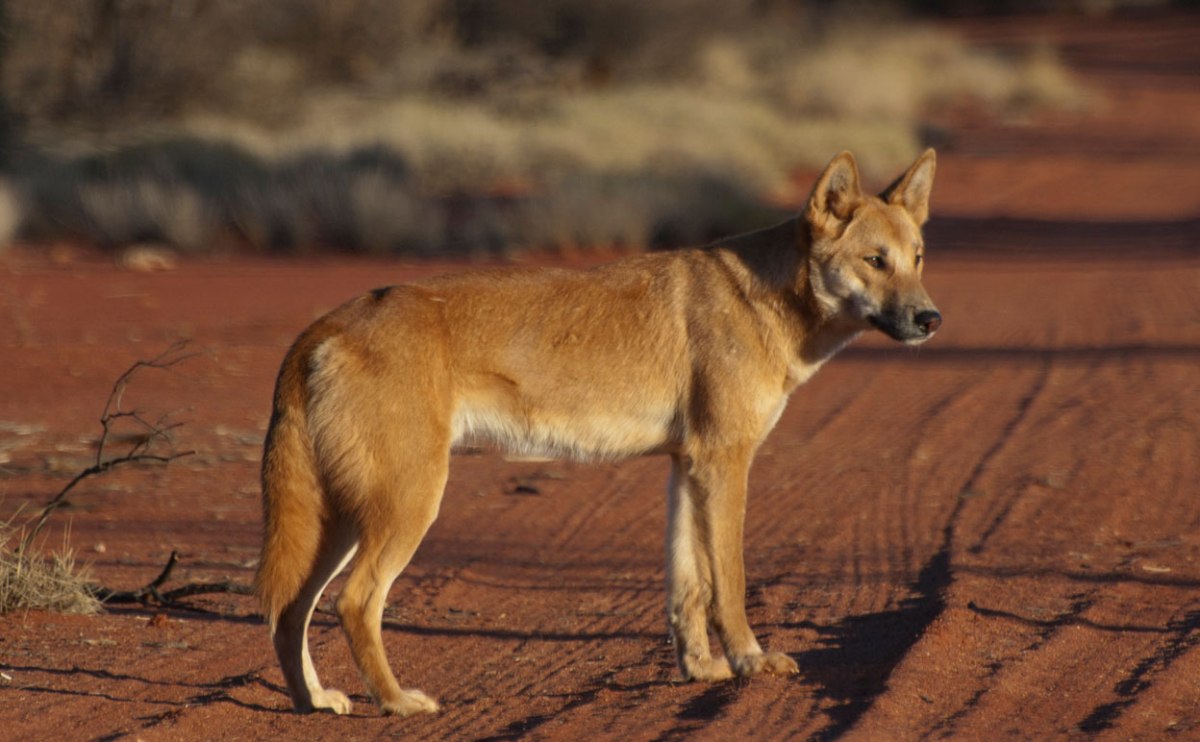
Dingoes and wild dogs are top predators in northwest Victoria’s national parks. Image credit: Angus McNab.
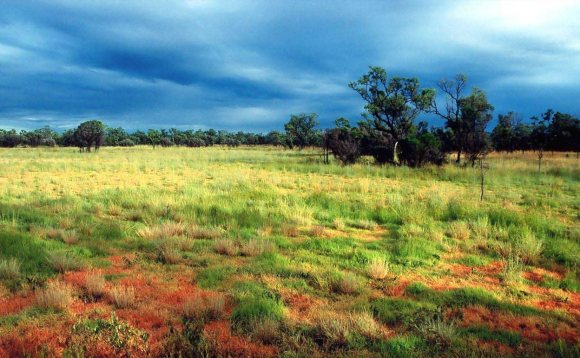
Northwest Victoria’s conservation reserves are key flagship areas home to high species diversity, including many species of conservation concern. Within this region, wild canids (dingoes/wild dogs), the top predators, are patchily distributed, being relatively common in the Big Desert-Wyperfeld region, but largely absent from the northern Murray Sunset and Hattah-Kulkyne national parks.
Wild canids, like other top predators worldwide, are known to be critical in influencing species throughout the ecosystems in which they occur. However, it remains to be determined what role(s) dingoes/wild dogs perform in Big Desert-Wyperfeld.
Specifically, do they regulate populations of overabundant herbivores (e.g. kangaroos) and/or invasive predators (e.g. cats and foxes), and does this in turn benefit native prey species (e.g. hopping mice)?
We will examine the role(s) of wild canids by surveying their distribution and abundance in the Big Desert-Wyperfeld region, and relating it to that of other key species of conservation and/or pest management concern.
This will be achieved through a combination of remote camera trapping, sand pads, scat counts and giving up density experiments.
Predators, prey and fire in Wilsons Promontory National Park
Principal Supervisor: Dr Euan Ritchie
External Supervisors: Dr Dale Nimmo (Charles Sturt University), Tim Doherty (Deakin University)
Start date: July 2017
Wilsons Prom is home to native mammals such as the Swamp Wallaby, Wallabia bicolor. Image credit Toby Hudson via Wikimedia Commons
Fire and predation are key processes that shape the structure and function of ecological communities. Despite their importance, few studies have examined how they may interact to affect the distribution, abundance and habitat preferences of species across different habitats.
This project will examine the effects of fire and predation on mammals in Wilsons Promontory National Park (which contains one-third of Victoria’s mammal species).
This work is supported by a Parks Victoria research partnership.
Fox, cat and fire interactions in the Grampians National Park
Principal Supervisor: Dr Euan Ritchie
External and co-supervisors: Dr Dale Nimmo (Charles Sturt University), Associate Professor John White (Deakin University), Tim Doherty (Deakin University)
Start date: February or July 2017
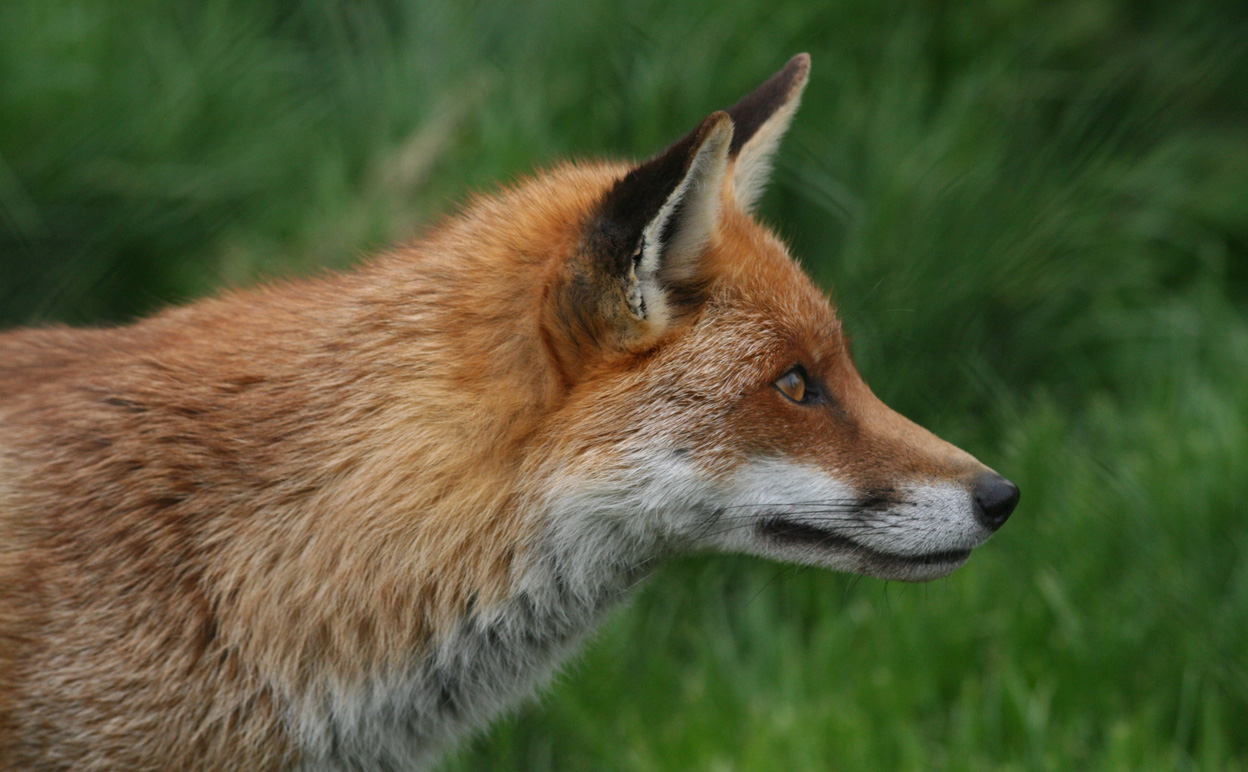
Foxes are invasive predators in the Grampians. Image credit: Dan Derrett via Flickr
This project, a research partnership between Parks Victoria and Deakin University, will examine fox and cat distribution across the Grampians National Park. Specifically, it will aim to:
Determine the most effective way to survey these invasive predators, using a combination of camera traps and scat counts.
Examine the effect of fire on fox and cat habitat use.
Examine how foxes and cats are associated with native mammals (as part of an ongoing, long-term study led by Associate Professor White).
The ecological role of eastern barred bandicoots in a newly established island population
Principal Supervisor: Dr Euan Ritchie
External and co-supervisors: Dr Duncan Sutherland (Phillip Island Nature Parks) and Dr Amy Coetsee (Zoos Victoria)
Start date: February or July 2017
Eastern barred bandicoots persist only in captivity or within fox-free nature reserves. Image credit JJ Harrison via Wikimedia Commons
Mainland eastern barred bandicoots (EBBs) are listed as extinct in the wild, persisting only in captivity or within fox-free fenced reserves.
Phillip Island Nature Parks, together with Zoos Victoria and the Eastern Barred Bandicoot Recovery Team, are conducting an experimental release of EBBs onto fox-free Churchill Island, adjacent to Phillip Island, which lies outside the known historic range of the species.
This project forms part of a broader effort to bring the EBBs back from the brink of extinction and off the threatened species list.
We are seeking an honours student for a project to experimentally determine the role of EBBs as ecological engineers and to continue a monitoring programme into the survival rates, reproductive success and habitat use of EBBs.
The project will involve soil and habitat assessments, live-trapping, radio-tracking and camera trapping.
The candidate will require a manual driver’s licence. Field accommodation on Phillip Island is available.
Authors: Euan G Ritchie, Jannik Schultner, Dale G Nimmo, Joern Fischer, Jan Hanspach, Tobias Kuemmerle, Laura Kehoe and Ine Dorresteijn
Published in:Proceedings of the Royal Society B, volume 283, issue 1834 (July 2016)
A rapidly growing body of the literature reveals the important roles apex predators play in shaping the composition and functioning of ecological communities worldwide.
The principal effects of apex predators — namely herbivore and mesopredator population suppression — are often evident following their removal from environments, or their reintroduction, including rewilding initiatives. What remains less clear, however, is to what extent humans versus other apex predators affect ecosystems, how both interact across gradients of anthropogenic pressure and how such interactions can be affected by underlying bottom-up processes.
Such questions are critical to answer in the Anthropocene, where effective management of ecosystems and conservation of biodiversity requires a better understanding of how top-down and bottom-up processes vary according to anthropogenic influences…
Ritchie EG, Schultner J, Nimmo DG, Fischer J, Hanspach J, Kuemmerle T, Kehoe L, Dorresteijn I (2016) Crying wolf: limitations of predator–prey studies need not preclude their salient messages, Proceedings of the Royal Society B, 283:1834 PDFDOI
Authors: Jane Melville, Margaret L Haines, Joshua Hale, Stephanie Chapple and Euan G Ritchie
Published in: Journal of Biogeography (early access)
Abstract
Using the rock-specialist agamid Ctenophorus caudicinctus as a model, we test hypothesized biogeographical dispersal corridors for lizards in the Australian arid zone (across the western sand deserts), and assess how these dispersal routes have shaped phylogeographical structuring in arid and semi-arid Australia.
We sequenced a c. 1400 bp fragment of mtDNA (ND2) for 134 individuals of C. caudicinctus as well as a subset of each of the mtDNA clades for five nuclear loci (BDNF, BACH1, GAPD, NTF3, and PRLR). We used phylogenetic methods to assess biogeographical patterns within C. caudicinctus, including relaxed molecular clock analyses to estimate divergence times. Ecological niche modelling (Maxent) was employed to estimate the current distribution of suitable climatic envelopes for each lineage.
Phylogenetic analyses identified two deeply divergent mtDNA clades within C. caudicinctus – an eastern and western clade – separated by the Western Australian sand deserts. However, divergences pre-date the Pleistocene sand deserts. Phylogenetic analyses of the nuclear DNA data sets generally support major mtDNA clades, suggesting past connections between the western C. c. caudicinctus populations in far eastern Pilbara (EP) and the lineages to the east of the sand deserts. Ecological niche modelling supports the continued suitability of climatic conditions between the Central Ranges and the far EP for C. c. graafi.
Estimates of lineage ages provide evidence of divergence between eastern and western clades during the Miocene with subsequent secondary contact during the Pliocene. Our results suggest that this secondary contact occurred via dispersal between the Central Ranges and the far EP, rather than the more southerly Giles Corridor. These events precede the origins of the western sand deserts and divergence patterns instead appear associated with Miocene and Pliocene climate change.
Melville J, Haines ML, Hale J, Chapple S, Ritchie EG (2016) Concordance in phylogeography and ecological niche modelling identify dispersal corridors for reptiles in arid Australia. Journal of Biogeography PDFDOI
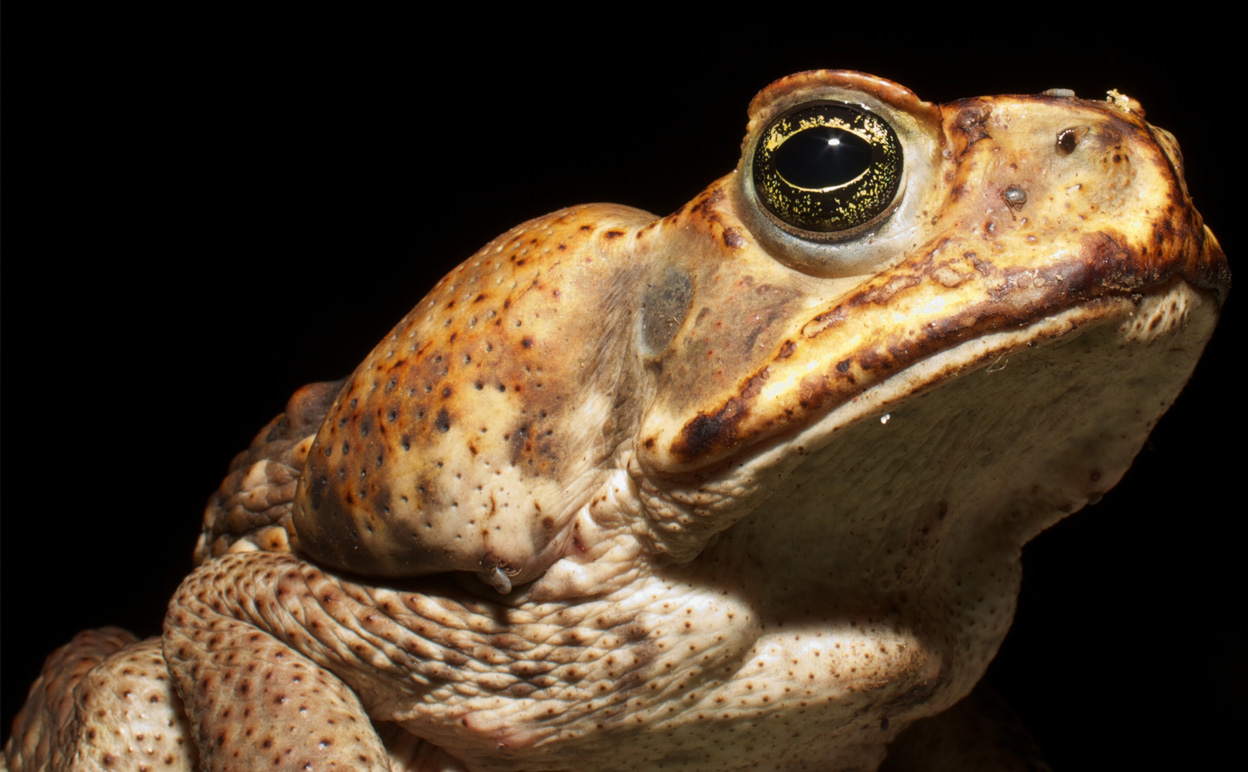
I spoke with Tom Elliot on 3AW Drive. My topic: Australians should consider eating kangaroos and camels as opposed to sheep and cows. Maybe one day in the future, introduced pests such as cane toads and European carp could end up on our dinner plates, instead of wreaking havoc with our environment.
Nutritious, delicious… cane toad!? Image credit Brian Gatwicke via Wikimedia Commons
A six-legged diet? Insects are often high in protein and low in fat, and can be produced in large numbers, efficiently and quickly. Image credit Shutterstock
We may be what we eat, but our dietary choices also affect the health of the environment, and farmers’ back pockets.
Perversely, both starvation and obesity are severe health issues across the world. With agriculture confronted by economic and environmental uncertainties, society faces enormous challenges.
But challenges also offer great opportunities. Drastically rethinking what we eat, and where and how food is produced, could help our health, the planet, and our farming businesses.
That means eating fewer sheep and cows, and more kangaroos, feral animals, and insects.
Unsustainable farming
Australia’s rangelands — the drier regions of the country predominantly used for livestock and grazing — cover about 80% of the country. They are often in poor condition and economically unviable. In part, this is due to the fact we still farm many animals, mostly in ways that are unsuited to the Australian climate and environment.
Hard-hoofed animals contribute to soil compaction and erosion, and have even been linked to the spread of the invasive cane toad. But the environmental impact of intensive stock farming extends much further.
Continuing to farm using a European-derived, intensive system is a recipe for land degradation and environmental collapse, especially with the compounding impacts of climate change (severe weather events, more frequent and intense droughts, and fires).
Past and current agricultural practices have also profoundly altered our environment. It may be impossible to restore these lands to their original condition, so we must learn to operate in the new environment we’ve created.
More broadly, many experts have identified our meat consumption and intensive farming as a significant driver of global problems.
Treading lightly
To address these issues, we need a cultural shift away from intensive agriculture. The days of riding and relying on the sheep’s back, cattle’s hoof, or the more recent, and increasingly popular, chicken’s wing, may need to pass.
Native wildlife and some feral animals tread more lightly on the environment than intensively produced livestock do, and thus provide more sustainable options for food production on Australia’s arid lands. Kangaroos and goats place one-third of the pressure on grazing lands compared with sheep.
We already eat some of these animals, but could arguably eat more of them, including feral goats, camels, deer, rabbits, pigs, and buffalo, as well as native emus and kangaroos.
Eating more feral and native animals, and relying less on chicken, sheep, domestic pigs, and cattle would help meet ethical concerns too. Wild animals such as kangaroos are killed quickly, without the extended stress associated with industrialised farming, containment, and transportation to abattoirs.
An even greater leap would be to eat fewer four-limbed animals and more six-legged creatures. Insects are often high in protein and low in fat, and can be produced in large numbers, efficiently and quickly. They are already consumed in large numbers in some regions, including Asia.
Evidence that a market for such a food revolution exists is that shops are already popping up selling mealworm flour, ant seasoning salt, and cricket protein powder, among other delicacies.
Boom and bust
Thanks to Australia’s variable climate, swinging between drought and flood, many farms are also tied to a boom-and-bust cycle of debt and credit.
As the climate becomes increasingly unpredictable, this economic strategy must be detrimental to the farmers, and is shown by many farm buy-backs or sell-offs.
It makes sense to use species that are naturally more resilient and able to respond to boom-and-bust cycles. Kangaroos and other species can forage on our ancient and typically nutrient-poor soils without the need for nutritional supplements (such as salt licks), and are physiologically more efficient at conserving water. This could lead to a more sustainable supply of food and income for farmers, without the dizzying economic highs but also without the inevitable prolonged and despairing lows.
Future-proofing
To be clear, we are not suggesting completely replacing livestock, but diversifying and tailoring enterprises to better suit Australia’s environment.
To support more diverse agricultural enterprises we will need to overcome many obstacles, such as licences to hunt, what we’re comfortable consuming, and land use regulation. But we shouldn’t shy away from these challenges. There are tremendous opportunities for rural, regional and Indigenous communities, and indeed cities too.
We need a more diverse mix of meat to adapt to the pressures of a growing population and climate change. Supermarket aisles that display beef, chicken, pork and lamb, alongside kangaroo, camel, deer, goat, and insects, could be just what the environmental, health and economic doctors ordered.
The electioneering has begun. In a campaign set to be dominated by economic issues, the Coalition and Labor are locking horns over who can best manage our finances, protect jobs and make housing more affordable. The Greens predictably decry the major parties, including their cavalier climate-change policies.
These are important issues, but are they highest priority on the political agenda? An arguably even greater issue exists that nobody is seriously championing, but which impacts all of us, socially, environmentally and economically.
Everlastings in the Australian Alps. But will they be? Image credit: John O’Neill via Wikimedia Commons
The world economy is losing €50 billion (A$73 billion) a year through lost ecosystem services. It is predicted to lose €14 trillion per year by 2050 without action now. With potentially 7% of global economic product at stake by mid-century, nature conservation must surely be on the agenda in this election.
Actions needed to conserve our natural heritage, and reap substantial rewards, will challenge some of our most cherished ideas about social and economic policy. This demands reforms to reverse creeping losses to our democratic process.
Looking at the major parties’ platforms, it is clear that nature is not on the agenda. Labor lists 23 positive policies, none of which deals directly with conserving Australia’s plants and animals. The Liberal-National Party has done slightly better, claiming to believe in preserving Australia’s natural beauty and environment for future generations. However, its federal platform, released last year, shows no evidence of this belief.
Public concern has also shifted away from nature issues and towards other concerns like terrorism, as well as traditional areas of focus such as health care and the economy. This shift can be seen in some surprising places, such as the major grassroots lobby group GetUp – of its ten current campaigns only one, the Great Barrier Reef program, is directly about conserving wildlife diversity.
The reports cite population growth, economic growth and climate change as key drivers of decline. Land clearing and invasive species also lead to biodiversity loss. All must be addressed to reverse the alarming trajectory of our wildlife.
These threats to our natural heritage should be high on the political agenda. But despite recent extinctions, caused in no small part by a failure to act quickly on conservation advice, bureaucrats and politicians have failed to rise to the challenge. Australia’s plants, animals and other wildlife continue to be swept aside with an enthusiasm and abandon reminiscent of the 19th-century pioneers.
Why the lack of action?
Nature is missing in action from the political agenda for many reasons. Here are two key ones: questionable political donations and processes, and the gagging of the public service, government and university scientists. Both issues go to the heart of our democracy.
Australia has some of the weakest electoral laws concerning political donations and spending. Time lags between receiving donations and declaring them means that appropriate scrutiny of policy motivations, particularly at election times, is uncommon. This is concerning, because links between political favours for donors, while hard to prove, are frequently noted.
These correlations are not surprising. Corporate political activities are typically not gestures of goodwill, but a widely accepted corporate strategy aimed at securing better outcomes. Because many companies depend on using land for activities such as digging up resources and clearing native vegetation, the success of their political donations can often be reflected in damage to nature.
Equally concerning is the deafening silence from people who really know how damaging government policies can be for the environment. Inconvenient truths might challenge government policies. So public servants, including government scientists, are prohibited from speaking, or tweeting. Governments will go to extremes more often seen in the pages of crime thrillers to track down and punish whistle-blowers.
Governments attempting to silence academics hit the spotlight over cattle grazing trials in Victorian national parks. A senior Victorian public servant reportedly threatened to withdraw further funding from the University of Melbourne if the university did not agree to oversee the government’s grazing trial, despite the trial being widely regarded as flawed and unnecessary. Faced with this type of pressure, many university scientists simply avoid public debate for fear of damaging their job prospects or government funding.
In this climate of silence, major biodiversity issues and damaging government policies aren’t appropriately aired. The public don’t hear about it and so can’t make informed decisions at the polling booth. Consequently, government and public service barriers to honest media coverage undermine an informed democracy.
There are things that can be done, at a political level, to help stop this erosion of Australia’s natural heritage before it’s too late. In addition to adequately funding conservation, we should reform political funding rules. We should also encourage, even legally require, honest and open disclosure of how government policy impacts our environment.
Invasive mammalian predators are major drivers of species extinctions globally.
To protect native prey, lethal control is often used with the aim of reducing or exterminating invasive predator populations. The efficacy of this practice however is often not considered despite multiple practical and ecological factors that can limit success.
Here, we summarise contemporary knowledge regarding the use and challenges of lethal control and alternative approaches for reducing invasive predator impacts.
As the prevailing management approach, we outline four key issues that can compromise the effectiveness of lethal control: release of herbivore and mesopredator populations; disruption of predator social systems; compensatory predator immigration; and ethical concerns.
We then discuss the relative merits and limitations of four alternative approaches that may enhance conservation practitioner’s ability to effectively manage invasive predators: top-predator conservation or reintroduction; maintaining habitat complexity; exclusion fencing; and behavioural and evolutionary ecology.
Considerable uncertainty remains regarding the effectiveness of management approaches in different environmental contexts.
We propose that the deficiencies and uncertainties outlined here can be addressed through a combination of adaptive management, expert elicitation, and cost-benefit analyses.
Improved management of invasive predators requires greater consideration and assessment of the full range of management approaches available.
Doherty TS, Ritchie EG (2016) Stop jumping the gun: A call for evidence-based invasive predator management. Conservation LettersPDFDOI
Authors: Evelyn K Chia, Michelle Bassett, Steve WJ Leonard, Greg J Holland, Euan G Ritchie, Michael F Clarke and Andrew F Bennett
Published in:Forest Ecology and Management, volume 363 (March 2016)
Abstract
Wildfires have major impacts on ecosystems globally. Fire regimes (including fire frequency, intensity, season and type of fire) influence the status of species by altering habitat suitability at the site scale, and by creating heterogeneity at the landscape scale.
The relative effects of site and landscape-scale fire attributes on animal species are rarely examined together. Such knowledge is important, given that fire regimes are sensitive to changing land management practices; and that fires are predicted to become larger and more frequent in some regions as a result of climate change.
Here, we tested the relative influence of elements of the fire regime (fire severity, fire history) at the site-scale, and the landscape context (extent of surrounding unburnt forest, fire heterogeneity) on the occurrence of native terrestrial mammals after severe wildfire in south-eastern Australia.
We conducted surveys by using automatically triggered, infrared cameras at 80 sites in fire-prone eucalypt forests, 2–3 years post-wildfire. Thirteen native mammal species were recorded, eight of which were detected with sufficient frequency for analysis.
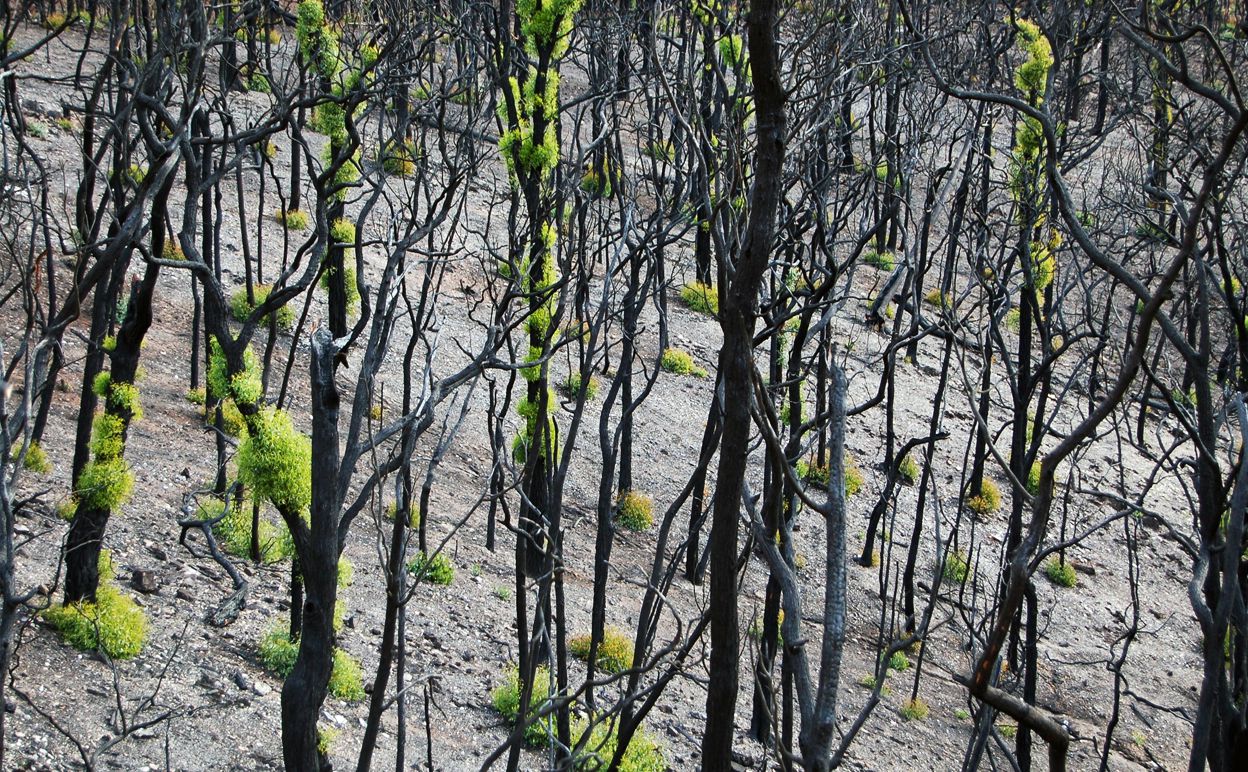
Most species were widespread (35–90% of sites) and recorded in all fire severity classes. Fire effects at the site-level were more influential than landscape context effects arising from heterogeneity in the fire regime (e.g. extent of surrounding unburnt forest). Fire severity was the most influential of the fire-regime elements investigated, but it affected different species in different ways.
This study highlights three main points relevant to conservation of terrestrial mammals after wildfire. First, spatial variation in fire severity associated with wildfire (ranging from unburned to severely burned stands) is an important contributor to the post-fire status of species. Second, post-fire environmental conditions are significant: here, rapid regeneration of vegetation following drought-breaking rains greatly influenced the suitability of post-fire habitats. Third, it is valuable to consider the effects of the fire regime at multiple scales, including both the site (forest stand) and its landscape context.
Insights from short-term surveys, such as this, will be enhanced by complementary longitudinal studies, especially where they encompass environmental variation through the post-fire succession.
Chia EK, Bassett M, Leonard SWJ, Hollanda GJ, Ritchie EG , Clarke MF, Bennett AF (2016) Effects of the fire regime on mammal occurrence after wildfire: Site effects vs landscape context in fire-prone forests, Forest Ecology and ManagementPDFDOI
Authors: Evelyn K Chia, Michelle Bassett, Dale G Nimmo, Steve W J Leonard, Euan G Ritchie, Michael F Clarke and Andrew F Bennett
Published in:Ecoshere, volume 6, issue 10 (October 2015)
We examined the role of topography, fire history and fire sensitivity on the occurrence of arboreal mammals 2 to 3 years after wildfire in temperate Eucalypt forests. Image credit: Elizabeth Donoghue via Flickr.
Abstract
In fire-prone regions, wildfire influences spatial and temporal patterns of landscape heterogeneity. The likely impacts of climate change on the frequency and intensity of wildfire highlights the importance of understanding how fire-induced heterogeneity may affect different components of the biota.
Here, we examine the influence of wildfire, as an agent of landscape heterogeneity, on the distribution of arboreal mammals in fire-prone forests in south-eastern Australia.
First, we used a stratified design to examine the role of topography, and the relative influence of fire severity and fire history, on the occurrence of arboreal mammals 2–3 years after wildfire. Second, we investigated the influence of landscape context on the occurrence of arboreal mammals at severely burnt sites. Forested gullies supported a higher abundance of arboreal mammals than slopes.
Fire severity was the strongest influence, with abundance lower at severely burnt than unburnt sites. The occurrence of mammals at severely burned sites was influenced by landscape context: abundance increased with increasing amount of unburnt and understorey-only burnt forest within a one kilometre radius.
These results support the hypothesis that unburnt forest and moist gullies can serve as refuges for fauna in the post-fire environment and assist recolonization of severely burned forest. They highlight the importance of spatial heterogeneity created by wildfire and the need to incorporate spatial aspects of fire regimes (e.g. creation and protection of refuges) for fire management in fire-prone landscapes.
Chia EK, Bassett M, Nimmo DG, Leonard SWJ, Ritchie EG, Clarke MF, Bennett AF (2015) Fire severity and fire-induced landscape heterogeneity affect arboreal mammals in fire-prone forests, Ecosphere, 6:10 PDFDOI
Authors: Amber Fordyce, Bronwyn A Hradsky, Euan G Ritchie, And Julian Di Stefano
Published in:Journal of Mammalogy, October 2015 (online)
Abstract
Resource selection by animals influences individual fitness, the abundance of local populations, and the distribution of species. Further, the degree to which individuals select particular resources can be altered by numerous factors including competition, predation, and both natural- and human-induced environmental change. Understanding the influence of such factors on the way animals use resources can guide species conservation and management in changing environments.
In this study, we investigated the effects of a prescribed fire on small-scale (microhabitat) resource selection, abundance, body condition, and movement pathways of a native Australian rodent, the bush rat (Rattus fuscipes). Using a before-after, control-impact design, we gathered data from 60 individuals fitted with spool and line tracking devices.
In unburnt forest, selection of resources by bush rats was positively related to rushes, logs and complex habitat, and negatively related to ferns and litter. Fire caused selection for spreading grass, rushes, and complex habitat to increase relative to an unburnt control location. At the burnt location after the fire, rats selected patches of unburnt vegetation, and no rats were caught at a trapping site where most of the understory had been burnt. The fire also reduced bush rat abundance and body condition and caused movement pathways to become more convoluted. After the fire, some individuals moved through burnt areas but the majority of movements occurred within unburnt patches.
The effects of fire on bush rat resource selection, movement, body condition, and abundance were likely driven by several linked factors including limited access to shelter and food due to the loss of understory vegetation and heightened levels of perceived predation risk.
Our findings suggest the influence of prescribed fire on small mammals will depend on the resulting mosaic of burnt and unburnt patches and how well this corresponds to the resource requirements of particular species.
Fordyce A, Hradsky BA, Ritchie EG, Di Stefano J (2015) Fire affects microhabitat selection, movement patterns, and body condition of an Australian rodent (Rattus fuscipes), Journal of MammalogyPDFDOI
If you knew that there was zero percent chance of being eaten by a shark, would you swim more often? Rhetorical questions aside, the fear of being eaten has a profound influence on other animals too, and on the way they use marine environments.
Turtles, for example, fear being eaten by sharks and this restricts the movement and behaviour of entire populations. But when the fear of being eaten dissipates, we see that turtles eat more, breed more, and go wherever they please.
It might sound like turtle paradise, but in an article published today in Nature Climate Change we show that loss of ocean predators can have serious, cascading effects on oceanic carbon storage and, by extension, climate change.
When sea turtles aren’t being frightened by sharks, they consume more seagrass, and the Carbon stocks stored in it. Image credit Framk_am_Main via Flickr
Cascading effects
For a long time we’ve known that changes to the structure of food webs – particularly due to loss of top predators – can alter ecosystem function. This happens most notably in situations where loss of predators at the top of the food chain releases organisms lower in the food chain from top-down regulatory control. For instance, the loss of a predator may allow numbers of its prey to increase, which may eat more of their prey, and so on. This is known as “trophic downgrading”.
With the loss of some 90% of the ocean’s top predators, trophic downgrading has become all too common. This upsets ecosystems, but in our article we also report its effects on the capacity of the oceans to trap and store carbon.
This can occur in multiple ecosystems, with the most striking examples in the coastal zone. This is where the majority of the ocean’s carbon is stored, within seagrass, saltmarsh and mangrove ecosystems – commonly known as “blue carbon” ecosystems.
Blue carbon ecosystems capture and store carbon 40 times faster than tropical rainforests (such as the Amazon) and can store the carbon for thousands of years. This makes them one of the most effective carbon sinks on the planet. Despite occupying less that 1% of the sea floor, it is estimated that coastal blue carbon ecosystems sequester more than half the ocean’s carbon.
The carbon that blue carbon ecosystems store is bound within the bodies of plants and within the ground. When predators such as sharks and other large fish are removed from blue carbon ecosystems, resulting increases in plant-eating organisms can destroy the capacity of blue carbon habitats to sequester carbon.
For example, in seagrass meadows of Bermuda and Indonesia, less predation on herbivores has resulted in spectacular losses of vegetation, with removal of 90–100% of the above-ground vegetation.
Stop killing predators
Such losses of vegetation can also destabilise carbon that has been buried and accumulated over millions of years. For example, a 1.5-square-kilometre die-off of saltmarsh in Cape Cod, Massachusetts, caused by recreational overharvesting of predatory fish and crabs, freed around 248,000 tonnes of below-ground carbon.
If only 1% of the global area of blue carbon ecosystems were affected by trophic cascades as in the latter example, this could result in around 460 million tonnes of CO2 being released annually, which is equivalent to the annual CO2 emissions of around 97 million cars, or just a bit less than Australia’s current annual greenhouse gas emissions.
So what can be done? Stronger conservation efforts and modification of fishing regulations can help restore marine predator populations, and thereby help maintain the important indirect role that predators play in climate change mitigation.
It’s about restoring balance so that we have, for example, healthy and natural numbers of both sea turtles and sharks. Policy and management need to reflect this important realisation as a matter of urgency.
More than 100 million sharks may be killed in fisheries each year, but if we can grant these predators great protection they may just help to save us in return.
Authors: Trisha B Atwood, Rod M Connolly, Euan G Ritchie, Catherine E Lovelock,
Michael R Heithaus, Graeme C Hays, James W Fourqurean and Peter I Macreadie
Published in:Nature Climate Change, September 2015
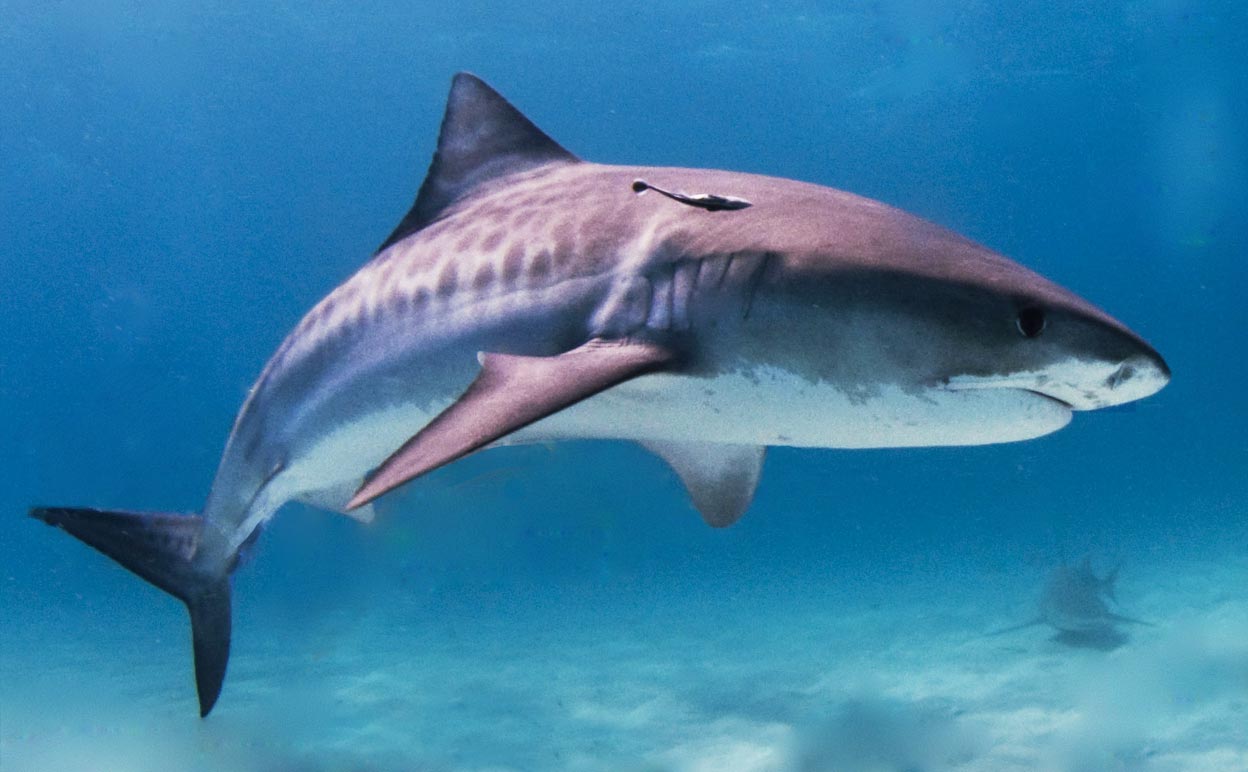
Tiger sharks in Shark Bay, Western Australia, create a landscape of fear where sea turtles and dugongs preferentially forage in seagrass microhabitats that are lower in predation risk and have allowed Cabon stocks. Image credit Albert Kok via Wikimedia Commons.
Abstract
Predators continue to be harvested unsustainably throughout most of the Earth’s ecosystems.
Recent research demonstrates that the functional loss of predators could have far-reaching consequences on carbon cycling and, by implication, our ability to ameliorate climate change impacts. Yet the influence of predators on carbon accumulation and preservation in vegetated coastal habitats (that is, salt marshes, seagrass meadows and mangroves) is poorly understood, despite these being some of the Earth’s most vulnerable and carbon-rich ecosystems.
Here we discuss potential pathways by which trophic downgrading affects carbon capture, accumulation and preservation in vegetated coastal habitats.
We identify an urgent need for further research on the influence of predators on carbon cycling in vegetated coastal habitats, and ultimately the role that these systems play in climate change mitigation.
There is, however, sufficient evidence to suggest that intact predator populations are critical to maintaining or growing reserves of ‘blue carbon’ (carbon stored in coastal or marine ecosystems), and policy and management need to be improved to reflect these realities.
Atwood TB, Connolly RM, Ritchie EG, Lovelock, CE, Heithaus MR, Hays GC, Fourqurean JM, Macreadie PI (2015) Predators help protect carbon stocks in blue carbon ecosystems, Nature Climate ChangePDFDOI
Authors: Blake M Allan, Daniel Ierodiaconou, Dale G Nimmo, Mathew Herbert, Euan G Ritchie
Published in:Frontiers in Ecology and the Environment, volume 13, issue 7 (September 2015)
UAVs are at the cutting edge of ecological research technology. Image credit: Dr Alexandre Schimel
Abstract
Unmanned aerial vehicles (UAVs) are at the cutting edge of technology being applied in ecological research.
As UAV technology continues to rapidly develop, Vincent et al. (Front Ecol Environ 2015; 13[2]: 74–75) noted that the potential research applications of UAVs are stymied by legislative regulations imposed by government bodies. However, US laws are being revised to reflect differences between UAV and manned aircraft, and new Federal Aviation Administration (FAA) policies in the US will greatly assist ecologists who seek to use UAVs in their research. New FAA policy grants a Certificate of Waiver or Authorization (COA) for UAV applications by registered operators who meet their new criteria (WebTable 1; FAA 2015). This is a breakthrough, given that previous policy required a “Certificate of Authorization” for individual UAV flights. Ecologists, once becoming certified operators, now have an automatic “Certificate of Authorization” for undertaking most UAV operations relevant to conducting science. As a result of the change in policy, UAV laws in the US now more closely resemble the unambiguous and less restrictive UAV laws in Australia (WebTable 1), where Google and Amazon chose to site their drone delivery testing facilities.
Regardless of legislative change, there are ways to incorporate UAVs into research that can avoid some of the issues outlined by Vincent et al. If universities do not want to become registered operators, they can collaborate with industry partners who are registered. We are currently using such an approach in our ecological research. We believe this provides the best starting point for academic institutions to use UAVs for research purposes, without the need for in-house logistical support or expertise to meet legislative requirements.
While few universities have UAV Operators Certificate (UOC) approval in Australia (http://bit.ly/1cNbY6T), 25 academic institutions in the US — as of July 2015 — hold a COA (http://1.usa.gov/1CDy5W3). Thus, if Vincent et al. worked with a registered industry partner who already had a COA, they could work as close as two nautical miles from the airstrip they describe without the requirement to hold their own COA.
To conduct research within two nautical miles of a registered airstrip still requires a COA, and with good reason. A registered airstrip is marked on official aviation maps for all aircraft, and can be used for emergency landings. The last thing that a pilot in distress needs is to mistake a small UAV in close proximity for a large airplane in the distance. After all, UAV operators typically do not monitor aviation radio frequencies to inform pilots otherwise. It is important for the broader research community to recognize that UAVs are not toys; they are certified aircraft used for commercial purposes, and can pose a serious threat to both people and property when used irresponsibly.
Finally, proposed changes to UAV laws in Australia could relax the requirement of a UOC for remote-piloted aircraft under 2 kg (CASA 2014). As ecologists already undertaking research with UAVs under 2 kg, we are excited about the possibilities that such changes could foster.
Continued positive changes in UAV-relevant legislation globally — together with industry partnerships — should promote the rapid uptake of UAVs as important tools in conducting ecological field-based studies.
Allan BM, Ierodiaconou D, Nimmo DG, Herbert M Ritchie EG (2015) Free as a drone: ecologists can add UAVs to their toolbox. Frontiers in Ecology and the Environment, 13: 354–355.PDFDOI




![Wilsons Prom is home to native mammals such as the Swamp Wallaby, Wallabia bicolor. Image by Toby Hudson [CC-BY-SA-3.0], via Wikimedia Commons](https://euanritchie.org/wp-content/uploads/2013/08/swampwallaby-wikimedia-commons-1248x772px.png)






 Applied ecology and conservation research group


