Categories
Science communication The Conversation

The Conversation: Bird flu has spread to two Australian states. Here’s how it could accelerate our extinction crisis

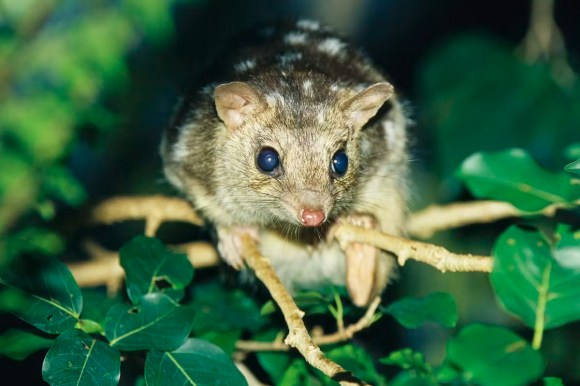
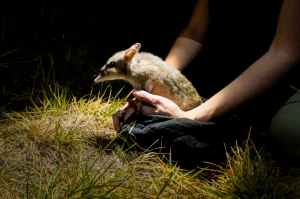
A rare northern quoll, an animal almost extinct due to the cane toad. Jason Edwards via Getty Images

Euan Ritchie, Professor in Wildlife Ecology and Conservation, School of Life & Environmental Sciences, Deakin University

This article is republished from The Conversation under a Creative Commons license. Read the original article.

The deadly H5N1 strain of bird flu has now been found in a second state, South Australia, after earlier being identified in Western Australia.

Authorities have confirmed three seabirds have died of the highly pathogenic avian influenza (HPAI) H5N1 virus. It is too early to know if H5N1 has spread beyond these animals to other wildlife or livestock in Australia. But it appears very much a matter of when, not if, this happens.

Globally, H5N1 has already devastated wildlife populations. In Australia, this deadly virus could greatly disrupt ecosystems and push our most threatened species even closer to extinction.

Why is H5N1 so dangerous?

The H5N1 strain of bird flu spreads through contact with bodily fluids such as saliva and faeces, infected animals or contaminated environments. It can also be transmitted through scavenging by species that feed on infected carcasses.

Threatened species most at risk

For threatened species, an H5N1 outbreak could be catastrophic. And a mass mortality event could be the final straw that finishes off a species. This is especially true if a population is already in decline, is geographically restricted or gathers to breed during certain seasons.

After the initial outbreak passes, populations may rebound through breeding and immigration. However, an extreme drop in numbers can create a genetic bottleneck, leading to rapid, substantial loss of genetic diversity. This, in turn, can threaten a population’s long-term health.

Since detecting H5N1 in Australia, authorities have understandably focused on protecting Australia’s spectacular birds – including the threatened regent honeyeater and orange-bellied parrot.

What’s received less attention are our iconic but increasingly threatened mammals. This includes the egg-laying platypus, native rodents such as the rakali and numerous marsupial species. In the United States, the virus has already done widespread damage to native rodents such as squirrels and voles, and the marsupial Virginia Opossum. It may well do the same to Australia’s mammals.

Carnivorous marsupials such as endangered Tasmanian devils and quoll species are also at risk, as their hunting and scavenging may expose them to infected carcasses.

The H5N1 strain could also prove deadly to our Australian sea lion and black swan populations. Black swans appear particularly susceptible to H5N1, which may be because they evolved in the isolated island continent of Australia. Unlike other swan species, they lack certain genetic traits that might help their immune systems fight the H5N1 virus.

Long-term damage to ecosystems

Beyond individual species, H5N1 has the potential to greatly disrupt and devastate Australia’s ecosystems.

An H5N1 outbreak in predator species could see prey populations surge. If a local dingo population is wiped out by the virus, the kangaroos, wallabies, feral goats and other herbivores they prey on could rapidly increase in numbers. This could lead to overgrazing, which in turn would deprive other animals of food and shelter.

In freshwater and marine environments, an H5N1 outbreak could see many birds die in and around waterways in a short period. Nutrients from the bird carcasses could pollute waterways if not cleaned up, worsening water quality and oxygen levels and potentially causing widespread fish kills.

So, what can we do?

Compared to other countries and continents, Australia has had longer to prepare for an H5N1 outbreak.

The federal government has so far invested A$113 million to bolster our H5N1 response. This money will go towards disease surveillance, invasive species control, captive breeding programs and efforts to monitor wildlife health.

But we can also help stop the spread of H5N1 on an individual level by:

  • immediately reporting any sick or dead animals to the Emergency Animal Disease hotline on 1800 675 888 or organisations such as Wildlife Health Australia

  • not touching native wildlife

  • only feeding birds in backyards, never in the wild, and following strict hygiene measures such as cleaning water baths weekly and opting for hanging bird feeders

  • keeping dogs and cats away from wildlife, animal faeces and especially dead carcasses.

The arrival of H5N1 in Australia is not cause for panic, as this outbreak is yet to unfold. But we must be extra vigilant in how we observe and interact with wildlife and nature. The future of our most vulnerable species depends on it.

The Conversation

Categories
Science communication The Conversation

The Conversation: From fossicking for fossils to a champion for life on Earth: Sir David Attenborough at 100

BBCCC BY-NC-ND

Euan Ritchie, Professor in Wildlife Ecology and Conservation, School of Life & Environmental Sciences, Deakin University

This article is republished from The Conversation under a Creative Commons license. Read the original article.

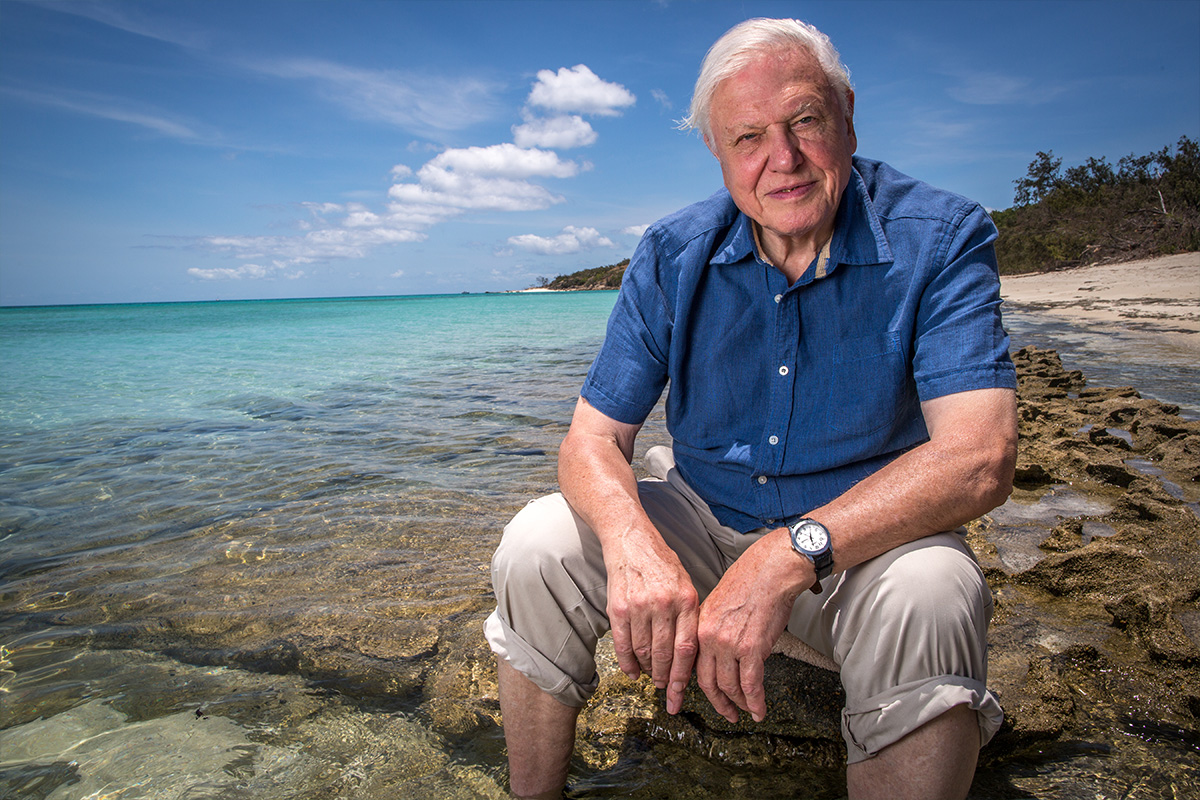
Sir David Attenborough turns 100 this week.

Very few people have the good fortune to live for a century. Fewer still achieve so much and touch so many lives.

Across his seven decade career with the BBC, Attenborough ushered in the transition from black and white to colour television. He gave the now legendary comedy troupe Monty Python their lucky break, greenlighting their Flying Circus. His keen eye and care for viewers is in part why tennis balls are yellow, not white – they’re much easier to see on screen.

But Attenborough is, of course, most famous for his nature documentaries. For decades, he has fronted the camera to educate, entertain and inspire billions of people about the complexity, wonder and majesty of the natural world, and the many threats it faces. It wasn’t a given – Attenborough was told early in his career his teeth were too big for television!

For ecologists like myself, Attenborough’s work has been a source of deep inspiration. It was instrumental in my decision to pursue a life and a career dedicated to understanding, caring and fighting for the protection of nature. For this gift, I am eternally grateful.

A career driven by curiosity

Attenborough’s connection with nature came early, forged in no small part through an insatiable fascination with fossils – including his childhood joy at discovering an ammonite in the Leicestershire countryside.

He went on to study geology and zoology at Cambridge University, graduating in 1947. He served in the navy and worked in an educational publishing house. Notably, the BBC rejected his first job application as a radio producer in 1950. But he tried again, and joined the BBC as a trainee producer in 1952.

Early in his career, Attenborough (right) interviewed Edmund Hillary. Wikimedia, CC BY-NC-ND

His career in nature documentaries began to bud almost immediately, with his Zoo Quest series beginning in 1954. But it burst into full bloom with the landmark Life on Earth series in 1979, which brought distant locations, extraordinary wildlife and evolution and ecology to TV. It instilled a sense of wonder and awe in audiences, while maintaining and respecting scientific accuracy.

The master storyteller

One reason Attenborough has had such success as a communicator is his understated, calm but authoritative demeanour. When you sit down to watch an Attenborough documentary, you feel in safe hands.

His approach isn’t the norm. In other nature documentaries, wildlife can often seem secondary, as props for the presenter.

Some of Sir David’s documentaries didn’t always go to script.

In series such as The Living Planet, The Trials of Life, The Blue Planet, The Planet Earth, and scores of others, Attenborough took us across the globe, revealing nature’s beauty, oddities and extraordinary complexity, as well as its macabre and brutal aspects. The habitats home to the world’s species are brought to life in extraordinary detail. We watch with laughter, trepidation, sadness, anger, excitement and awe, ebbing and flowing as nature’s stories unfold.

Who can forget the first time they saw and heard the extraordinary vocal repertoire and mimicry of a lyrebird, or a curious mountain gorilla’s desire to connect with a fellow great ape? The epic battle for survival between a hatchling iguana and hungry hordes of racer snakes? Or the breathtaking explosion of colour and complexity of a coral reef? Each of these was captured by master cinematographers and the story told to us by Attenborough.

A truly epic chase and battle for survival between iguanas and snakes.

Over his long career, Attenborough has become an icon. He was voted the UK’s best TV presenter of all time. But his prodigious output has come at a personal cost too. One of his regrets is how much time he has spent away from his family.

He is also not off limits to criticism. For a long time, Attenborough focused on the glory of nature, largely omitting the damage humans do through overfishing, deforestation, pollution, spreading exotic species, and other threats. He has also shied away from assigning blame to those most responsible for the harms inflicted on nature.

In 2018, he said too much focus on why so much wildlife is threatened was a “turn-off” for some viewers. Ecologists and conservation scientists can sympathise. We know bombarding people with doom and gloom invites apathy and despair, not a desire to act. It’s a hard line to walk between harsh realities and hope.

To his credit, Attenborough has belatedly focused on these issues in recent years. Footage of plastic pollution in Blue Planet II and the ravages of industrial fishing in Ocean have brought a sharp focus on these issues.

In 2020, he released A Life On Our Planet, which he describes as a “witness statement” to the startling losses of biodiversity he has seen over his lifetime. Rather than just spell out the problems, Attenborough laid out how to solve them – and the role we can all play in fixing the two biggest and deeply interwoven problems nature faces: climate change and biodiversity declines and extinctions.

While Attenborough’s earlier work largely avoided these difficult conversations, they succeeded in bringing nature’s wonder to millions of people. This shouldn’t be overlooked. At a time when more and more of us are cut off from nature, Attenborough’s documentaries forged a new connection. For people to care about losing nature, they first have to know and love it.

Conservation relies on stories

Scientific research rarely leads to the behavioural changes we might hope for. Accumulating facts and evidence is vital. But it’s not enough. What humans respond to is stories.

Alongside other globally renowned voices such as the late, great Jane Goodall, Attenborough’s work telling the stories of nature has shaped public opinion. In turn, it has galvanised conservation efforts such as the push to protect 30% of the world’s oceans by 2030.

As he celebrates his centenary, it’s encouraging to see a new generation and diversity of voices in the media and science communication, advocacy, and scientific community. They speak and share their messages with great clarity, confidence, and passion.

Attenborough is just one person. He can’t replace the vital role of scientists, community leaders, conservationists and policymakers in conserving nature. But no one will ever replace David’s distinctive voice. As he has said:

it seems to me that the natural world is the greatest source of excitement; the greatest source of visual beauty; the greatest source of intellectual interest. It is the greatest source of so much in life that makes life worth living

Hear, hear. Happy birthday for May 8th, David Attenborough.

The Conversation
Categories
Science communication The Conversation

The Conversation: When feral cats are away, potoroos and bandicoots are more likely to play


Fidel Fernando/Unsplash

Euan Ritchie, Professor in Wildlife Ecology and Conservation, School of Life & Environmental Sciences, Deakin University; Amy Coetsee, Threatened Species Biologist, The University of Melbourne; Anthony Rendall, Lecturer in Conservation Biology, School of Life and Environmental Sciences, Deakin University, and Duncan Sutherland, Deputy Director of Research, Phillip Island Nature Parks; Research Fellow, The University of Melbourne

This article is republished from The Conversation under a Creative Commons license. Read the original article.

All animals need to eat to survive, grow and reproduce. To do so, they also need to avoid being eaten. This is a big challenge for many of Australia’s native mammals, because when they search for food, they must also escape the attention of introduced predators, namely, feral cats and red foxes.

Tragically, many have been unable to overcome this test of survival, becoming one of the 40 native mammal species driven to extinction since European colonisation.

But what happens if we reduce the numbers of introduced predators? Do our surviving native species think there is less risk of being the next meal for a cat or fox? How do they respond? And how might we tell? With peanut butter balls, of course!

A deadly game of hide and seek


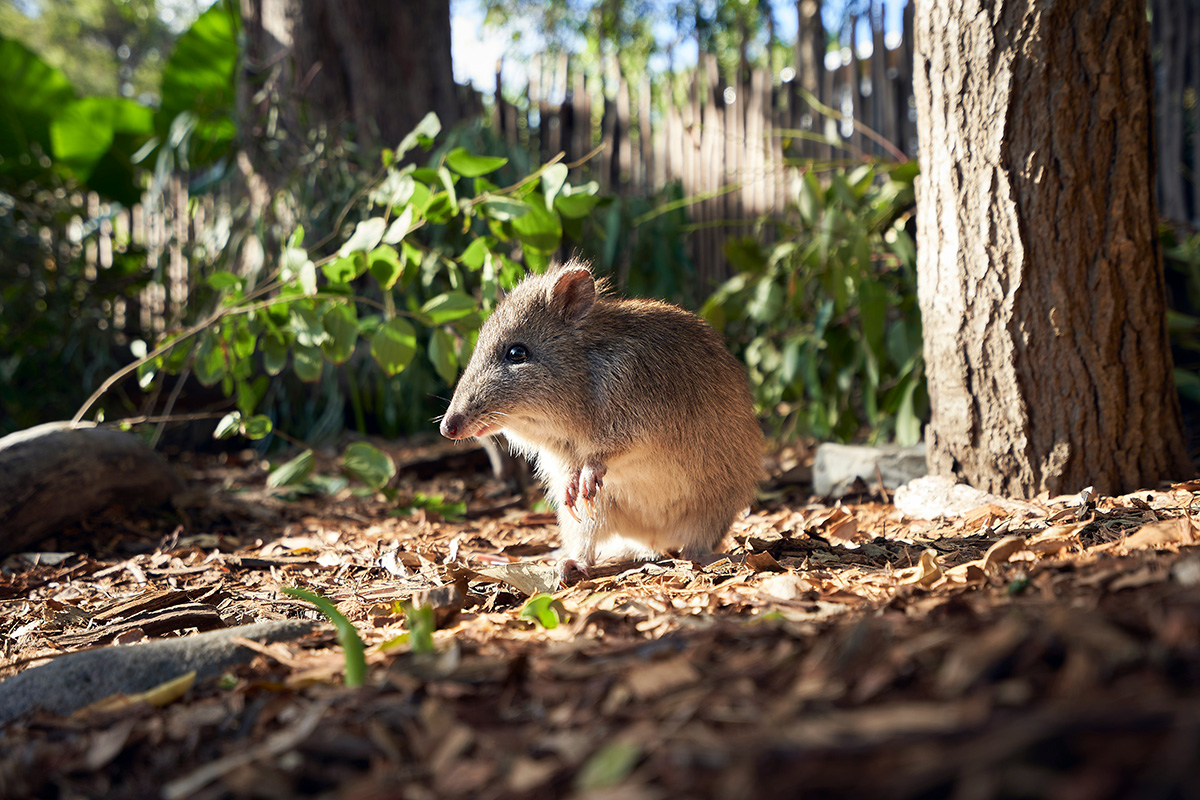
Long-nosed potoroos are vulnerable to predation by non-native feral cats and red foxes.
Leo Berzins/flickr, CC BY-ND

But avoiding being eaten comes at an energetic cost. It may mean preferred areas or times to feed are reduced, which in turn limits rates of growth, reproduction and survival of prey species. Prey animals are constantly weighing up this tradeoff of risk vs reward as they go about their lives.

Tasty treats can assess risk appetite

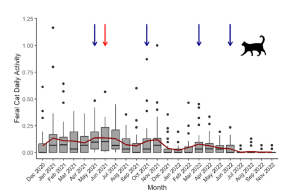
French Island has long been fox free, but had thousands of feral cats. In 2010, authorities began a feral cat eradication, which made it a perfect place for our research.


Feral cat activity per month at one site on French Island, south-eastern Australia, across a 2-year period during a cat eradication program. The red arrow indicates when the cat eradication program began and the blue arrows indicate when we undertook our GUD experiments.
CC BY-NC-ND

Importantly, we were able to start our experiment prior to an eradication program of feral cats, which began in 2010 on French Island, Victoria. This means we were able to measure changes in long-nosed potoroos and eastern barred bandicoots habitat use and foraging as cat numbers and activity fell.

So, on fox-free French Island, we placed balls of peanut butter, rolled oats and golden syrup into trays with soil and dug them into the ground, ensuring they were below the soil surface. We did this in more open grassland areas (likely riskier habitat, with less cover and protection from feral cats) and more densely vegetated areas (less risky habitat, due to increased cover).

We used camera traps to measure how often potoroos and bandicoots visited these feeding trays to dig up the tasty treats, and how much of the peanut butter balls they left behind in different habitats and at different periods throughout the ongoing feral cat eradication program.

When feral cats are away, native animals play (more)

A deadly game of feral cat and long-nosed potoroo, as revealed by our camera trap. We can confirm that this potoroo survived, this time. Te Ao Marama Eketone (Deakin University), CC BY-NC-ND

As the number of feral cats on French Island was reduced, potoroos and bandicoots used both open and closed habitat types more frequently, and they increased their activity, giving up less food over time. This suggests bandicoots and potoroos do recognise feral cats as a threat, and are able to fairly rapidly change their habitat use and foraging accordingly.

Aside from the obvious benefits of fewer feral cats killing and eating potoroos and bandicoots on French Island, our study suggests there may be substantial benefits for native wildlife — namely increased access to habitats and foraging opportunities — even before the ultimate longer-term goal of cat eradication can be achieved.

Our study’s results are encouraging. Outside the safe havens of invasive predator-free islands and fenced sanctuaries, feral cats are notoriously hard to eradicate from large areas, and there is a constant threat of their return.

We need to do all that we can to give Australia’s native mammals, including eastern barred bandicoots, a helping hand. Zoos Victoria, CC BY-NC-ND

We would like to acknowledge that this work was led by former Deakin University Honours student, Te Ao Marama Eketone, and it occurred on the unceded Country of the Bunurong/Boonwurrung peoples.

The Conversation
Categories
Science communication The Conversation

The Conversation: Yes, feral cats and foxes really have driven many Australian mammals to extinction

Lea Scannan/Getty

John Woinarski, Professor of Conservation Biology, Charles Darwin University; Euan Ritchie, Professor in Wildlife Ecology and Conservation, School of Life & Environmental Sciences, Deakin University; Katherine Moseby, Professor of Conservation Biology, UNSW, and Sarah Legge, Professor of Wildlife Conservation, Australian National University

This article is republished from The Conversation under a Creative Commons license. Read the original article.

Millions of years of isolation have shaped Australia’s extraordinary mammal fauna into species unlike anywhere else in the world, from platypus to koalas and wombats.

Tragically, Australia is the world leader in mammal extinctions. About 40 species have gone extinct in the 238 years since European colonisation began, and nearly 80 species are now imperilled. It’s essential we understand what factors caused these extinctions and ongoing decline.

The main lines of evidence implicating introduced predators in Australian native mammal declines and extinctions. Author provided, CC BY-NC-ND

Controversy in conservation

Their research drew on three premises relating to extinct and surviving mammals. If cats and foxes caused these extinctions, they argued that these should follow:

  1. The last recorded sighting of a now extinct mammal from an area must come after the arrival of one or both of these predator species

  2. Lethal management programs aimed at reducing fox and cat numbers should result in an increase in native mammal numbers in an area

  3. Where cats and foxes are abundant, there should be fewer native mammals.

After testing these three ideas, the authors conclude the hypothesis foxes and cats cause extinctions “has come to be accepted with little evidence.”

The research caused a major stir among the conservation community, as it took aim at longstanding accumulated knowledge and questioned whether the evidence base was strong enough to justify efforts to control feral cats and foxes.

As experts with many decades experience working to protect threatened Australian mammals and other wildlife, we had a duty to evaluate their evidence.

Claim and counterclaim is essential to test, shape and hone science, and to provide a robust foundation for conservation management. It may seem like an academic argument, but it has clear real-world implications.

The survival and recovery of much of Australia’s native mammal fauna depends on controlling cats and foxes. Many recent success stories in bringing native animals back from the brink are due to removing foxes and cats.

If this objective is abandoned because of arguments feral cats and foxes are simply innocent bystanders, we risk rapidly losing many of these imperilled species.

An introduced eastern barred bandicoot population has thrived after foxes were eradicated on Phillip Island. Neil Bowman/Getty

What did we do?

A provocative claim in last year’s research was that some Australian mammal species may have gone extinct before foxes and cats ever got to the area. If this was true, cats and foxes couldn’t be held responsible.

Cats came with the First Fleet in 1788, augmented with many subsequent introductions. By the 1890s, feral populations had spread across the entire continent. Foxes came later, first introduced to southeastern Australia in the 1830s. They, too, spread out across most of the continent over decades.

We re-ran analysis of the historic data and found the last record of a now-extinct native mammal in an area was always dated after the arrival of cats. The picture is less clear for foxes, though this is understandable given the earlier arrival of cats would already have caused losses.

Further, the actual date of extinction may occur long after the last documented record, especially in remote, sparsely populated areas of Australia.

Fate provides further evidence. Many mammals were wiped out from their entire mainland ranges but survived on islands that cats and foxes never colonised. For instance, all mainland populations of the greater stick-nest rat have disappeared. But the species survives because it also had an island population. By contrast, the lesser stick-nest rat had no island population. It is now extinct.

After cats arrived in an area, historic data shows regional losses of mammals went up sharply, with the exception of two arbitrarily dated bones. Author provided, CC BY-NC-ND

Does fox and cat control work?

The authors argue fox and cat control doesn’t result in increases of threatened mammals. But this conclusion may stem from misreading data from feral cat and fox control programs. Not all control programs work to reduce cat numbers over long periods or even at all.

Eastern barred bandicoots now roam Victoria’s fox-free Phillip Island, while hare-wallaby numbers are rebounding on Western Australia’s Dirk Hartog Island following the eradication of feral cats.


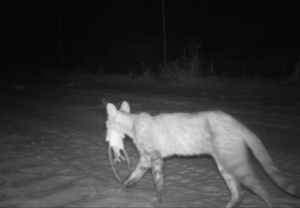
This trail camera image captures a feral cat with two native hopping mice in its mouth.
Katherine Moseby, CC BY-NC-ND

Difficult truths

The original analysis and our new research have a broader context. Some have argued the impact of introduced species has been overstated, and that introduced species should be seen as a legitimate part of Australia’s ecosystems. Scientific evidence and conservation outcomes do not support this.

Australia supports about 8% of the world’s biodiversity as one of just 17 megadiverse nations. Protecting our unique species is not easy. But the task for conservationists and policymakers will be even harder if feral cats and foxes are given a free pass to keep killing.

The Conversation
Categories
Science communication The Conversation

The Conversation: In the most cleared state in Australia, Victoria’s native wildlife needs our help after fires

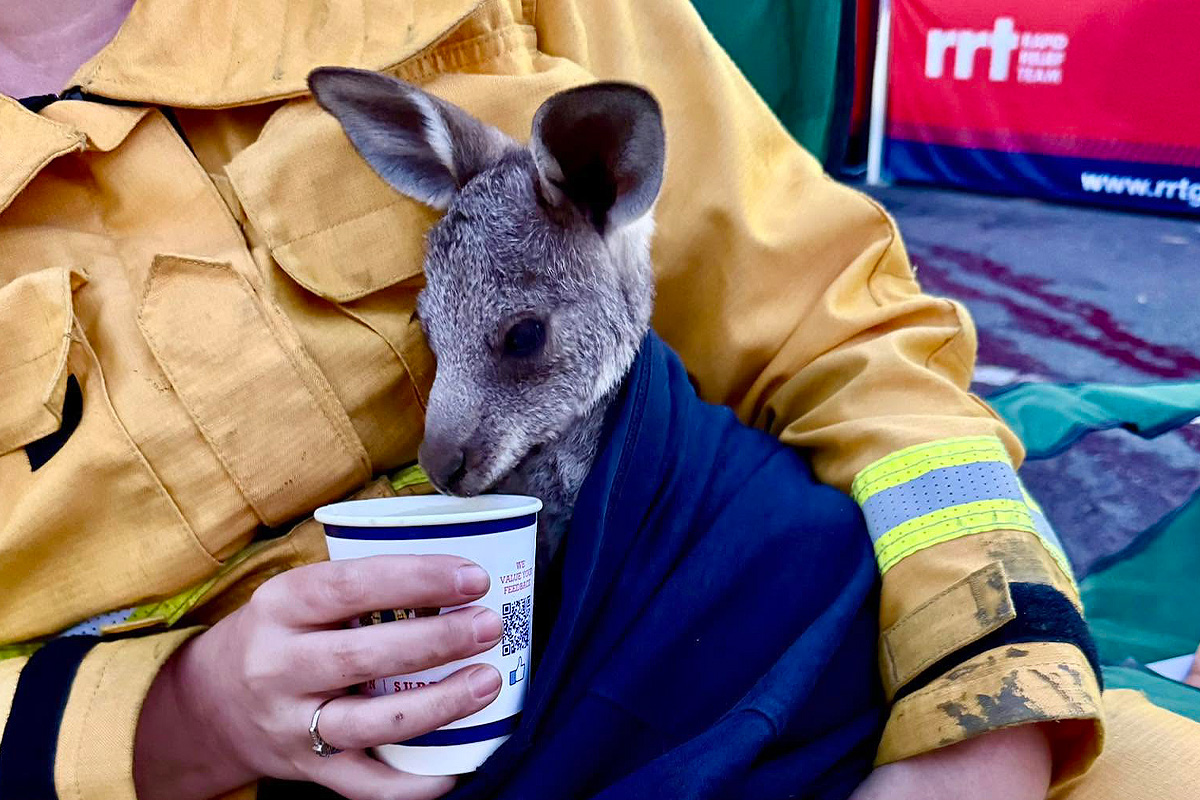
 joey found by firefighters near the Harcourt fire in Victoria. Glenlyon Rural Fire Brigade/Facebook

Euan Ritchie, Professor in Wildlife Ecology and Conservation, School of Life & Environmental Sciences, Deakin University

This article is republished from The Conversation under a Creative Commons license. Read the original article.

Victoria has just suffered some of its worst bushfires since the Black Summer fires of 2019–20. Over 400,000 hectares are estimated to have burnt so far, an area more than five times larger than Singapore.

Regional communities have been deeply affected. They need support to recover and rebuild their homes, towns and lives. And what about the state’s unique plants, animals and ecosystems?

Both large and small fires erupted in Victoria, and were extraordinarily widespread across diverse environments. They burned in the Wimmera–Mallee region in the northwest, the Otways in the southwest, central Victoria, northeastern Victoria and eastern Victoria, including the alpine region. This means a correspondingly diverse range of native plants and animals has been affected.

Compounding this, Victoria is the most cleared state in Australia. This makes it more difficult for animals to find suitable habitat outside of burnt areas in a fragmented landscape as they recover.

A night image of fires lighting up the sky above Lake Eildon during the Victorian bushfires. Graeme Thomas/Facebook

How will these fires affect nature?

Fires have short and long-term affects on wildlife. While a high proportion of animals can survive fires, the total numbers of insects, birds, frogs, reptiles, mammals and others that have died during the fires or afterwards, will still be large. This is due to severe burns, smoke, radiant heat or other injuries as they try to escape. Many animals get caught on fences as they move across landscapes seeking refuge.

We might think animals that can fly, such as many insects, birds and bats, should be able to easily escape. But smoke and extreme heat makes it difficult to breathe and regulate their body temperature, and can disorient wildlife. Temperatures soared well above 40°C during the fires. Along with intense winds, this took a heavy toll on some animals. Tragically, thousands of flying foxes died.

Many animals will have survived fires by finding refuge in protected waterways, caves, rock and boulder piles, or by going underground, including into wombat burrows. Echidnas dig into the ground and go to sleep, a clever tactic to conserve energy and reduce stress on the body.

After fires, animals face additional challenges. Feral cats and foxes are known to rapidly take advantage of burnt areas. Hunting and capturing their prey in more open habitat is easier. Potoroos, bandicoots, lizards and many others that survive initially may be hunted in the hours, days and weeks after a fire.

The long-term effects

The impact of fire can last for decades, or even longer. Many Australian wildlife species depend on logs and hollows in trees for shelter and to raise young. Fire can both create and destroy hollows.

Importantly, Victoria is the most cleared state in Australia. Hence, hollows are already short in supply and patchily distributed. For some tree species, they can take more than 100 years to form. Their loss puts pressure on threatened species including greater gliders, barking owls and spotted-tailed quolls.

Aquatic life is not immune to the effects of fire either. Rains that occur in burnt landscapes can wash ash, debris and toxins into waterways. This smothers underwater habitats and reduces oxygen and water quality for native fish, crayfish and amphibians. In some cases it leads to mass mortality, including fish kills.

How to respond?

Once bushfires are contained and it is safe to enter, government agencies, scientists and wildlife carers will get a clearer picture of fire severity and native wildlife that need help. They will undertake population surveys and develop a management plan. This may include culling invasive herbivores such as deer, laying poison baits to control feral cats and foxes and installing artificial refuges for native animals.

Agencies should take a whole-of-ecosystem view to ensure well intended actions don’t have unexpected consequences. While 1080 poison may be needed in some areas to help control non-native predators, it also poses a risk to dingoes, a threatened species in Victoria.

This includes the Wilkerr (dingo) population in the Big Desert-Wyperfeld region in northwest Victoria, estimated to number fewer than 100 adults. Approximately 60,000 hectares of Wilkerr habitat has burned. The fires may push Wilkerr into agricultural land seeking cover and water, increasing contact and conflict with livestock graziers. This situation needs to be thoughtfully managed to protect graziers, livestock and Wilkerr.

What should I do?

We can help in a range of ways. These include:

  • putting out water dishes for animals with sticks or stones in them so small animals don’t drown
  • donating to charities and organisations that take care of injured wildlife
  • creating wildlife-friendly gardens that displaced animals may use.

Members of the public should not attempt to feed wildlife, and leave this to experts. Likewise, approaching injured animals is not advised, including kangaroos and snakes. Stressed animals can behave erratically and aggressively, and should only be taken care of by experienced wildlife experts.

Feeding wildlife after fire should be done by experts, such as occurred for rock wallabies following the Gariwerd–Grampians fires.

Governments must change course

As a wildlife ecologist and conservation expert, these fires bring an unwelcome but familiar mixture of deep sadness and intense frustration. As the climate gets hotter, such events will only become more likely and more severe.

Governments must substantially increase efforts to curb climate change, including a rapid transition away from fossil fuels. Likewise, we need far stronger environmental laws, and greater government investment to protect and recover the wildlife and places Australians love.

Fire has shaped Australia’s environments, and many species are adapted to survive and even benefit from fire. But the increasing regularity of severe fires will push some wildlife and ecosystems into oblivion. As with people and communities, we have a duty to provide Australia’s native plants, animals and other life with a safe and secure future.

The Conversation
Categories
Science communication The Conversation

The Conversation: Top End’s tropical savannas are a natural wonder – but weak environment laws mean their future is uncertain

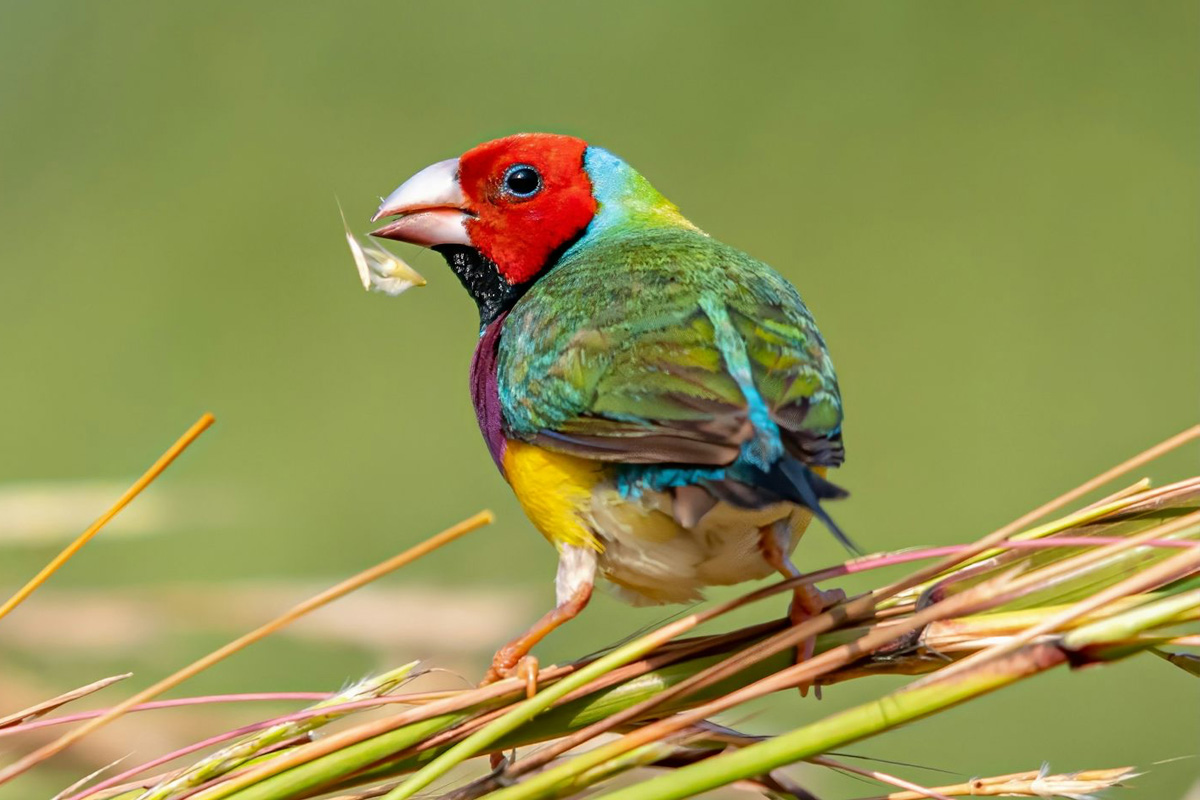
Gouldian Finch, François Brassard

By Euan Ritchie (Professor in Wildlife Ecology and Conservation, School of Life & Environmental Sciences, Deakin University), Brett Murphy (Professor of Ecology, Charles Darwin University) and John Woinarski (Professor of Conservation Biology, Charles Darwin University).

This article is republished from The Conversation under a Creative Commons license. Read the original article.

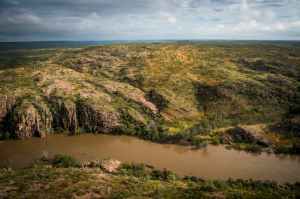
The Top End of Australia’s Northern Territory contains an extensive, awe-inspiring expanse of tropical savanna landscapes. It includes well-known and much-loved regions such as Darwin, Kakadu National Park, Arnhem Land and Nitmiluk Gorge.

Australia’s tropical savannas are diverse and dynamic, shaped by fire and the cycle of wet and dry seasons. Brett Murphy

These tropical savannas feature open forests and woodlands dominated by eucalypts and a diverse grassy understorey. They experience an intense monsoon-driven wet season and long dry season during which fire is common.

The area is home to a spectacular range of plants and animals, including crocodiles, barramundi, speartooth sharks, the spectacularly coloured Leichhardt’s grasshopper and flocks of magpie geese. Some groups are extraordinarily diverse. Several thousand ant species are thought to live there – compared to just 1,000 species in South America’s Amazon basin.

Yet, despite their immense ecological and cultural significance, the NT’s tropical savannas face an uncertain future. The landscape is under increasing pressure from invasive species, more frequent and severe fires, climate change, mining, agriculture and development – including water extraction.

Our new report outlines what should be done to ensure conservation and sustainable management of this unique and special region.

A region in trouble

Species such as the brush-tailed rabbit-rat have declined substantially and are now locally extinct in some areas. Cara Penton

As ecologists, we share a deep passion for tropical Northern Australia but fear for its future. To aid environmental policy and decision-making, we set out to describe the current condition and likely future of the NT’s tropical savannas. This involved identifying existing, emerging and possible future threats.

We found biodiversity in decline. Many species, particularly mammals that were once common and widespread, have disappeared from much of the region. These include the northern quoll, brush-tailed rabbit-rat and black-footed tree-rat.

In many parts of the Top End, fires are becoming more frequent and severe. This is in part due to the increasing dominance of invasive grasses, particularly Gamba and buffel grass. Both grasses are highly flammable, increasing the risk and harm of fires.

Longer and hotter dry seasons also increase fire risk and severity, as well as making water less available to wildlife due to higher rates of evaporation. Plants and animals also face greater heat stress and risk of dying during extended periods of extreme temperatures.

The changing nature of land-clearing

The Top End is spectacular and rich in biodiversity. François Brassard

Land-clearing is increasing in the Top End, too. We estimate about 45,000 hectares of savanna habitat was destroyed between 2000 and 2020. That’s equivalent to an area roughly the size of 22,500 Melbourne Cricket Grounds.

Another 146,000 hectares have approval to be cleared, and an additional 100,000 hectares could be cleared for an expanded cotton industry.

It is not just the amount of clearing that matters, but where it occurs. The habitat mainly destroyed to date has been in higher rainfall areas between Darwin and Katherine. This is where most threatened species live. On average, the cleared areas overlapped with more than 12 nationally listed threatened species.

What should be done?

The Top End is awe inspiring but without greater enviromental protection its many values may be diminished. François Brassard

Our report shows current laws are insufficient to protect the Northern Territory’s tropical savannas. Evidence-based law reform is urgently needed.

Decision-making must be collaborative, not controlled by individuals, based on sound science. It must also actively support and involve First Nations peoples and their goals.

The situation in the NT reflects broader calls to strengthen national environmental laws as a matter of urgency and greatly boost investment in conservation to achieve positive results for nature.

Nature is the lynchpin of northern Australia. It characterises and nurtures the place, underpins and embraces Indigenous culture, is a major tourist attraction and helps make our country healthy. We need to recognise its value, and guard against its ongoing loss.

Our report was independently reviewed by experts in the ecology and conservation of Northern Australia, Professors Richard Williams and Christopher Johnson.

The Conversation
Categories
Media

The Conversation: Eat locals: swapping sheep and cows for kangaroos and camels could help our environment

By Euan Ritchie (Deakin University) and Adam Munn (University of New South Wales)

A six-legged diet? Insects are often high in protein and low in fat, and can be produced in large numbers, efficiently and quickly. Image credit Shutterstock

We may be what we eat, but our dietary choices also affect the health of the environment, and farmers’ back pockets.

Energy and water use, native habitat cut down for crops and grazing, and emissions that exacerbate climate change, are just some of the profound effects agriculture has on Earth. And, there are more and more mouths to feed.

Perversely, both starvation and obesity are severe health issues across the world. With agriculture confronted by economic and environmental uncertainties, society faces enormous challenges.

But challenges also offer great opportunities. Drastically rethinking what we eat, and where and how food is produced, could help our health, the planet, and our farming businesses.

That means eating fewer sheep and cows, and more kangaroos, feral animals, and insects.

Unsustainable farming

Australia’s rangelands — the drier regions of the country predominantly used for livestock and grazing — cover about 80% of the country. They are often in poor condition and economically unviable. In part, this is due to the fact we still farm many animals, mostly in ways that are unsuited to the Australian climate and environment.

Hard-hoofed animals contribute to soil compaction and erosion, and have even been linked to the spread of the invasive cane toad. But the environmental impact of intensive stock farming extends much further.

Continuing to farm using a European-derived, intensive system is a recipe for land degradation and environmental collapse, especially with the compounding impacts of climate change (severe weather events, more frequent and intense droughts, and fires).

Past and current agricultural practices have also profoundly altered our environment. It may be impossible to restore these lands to their original condition, so we must learn to operate in the new environment we’ve created.

More broadly, many experts have identified our meat consumption and intensive farming as a significant driver of global problems.

Treading lightly

To address these issues, we need a cultural shift away from intensive agriculture. The days of riding and relying on the sheep’s back, cattle’s hoof, or the more recent, and increasingly popular, chicken’s wing, may need to pass.

Native wildlife and some feral animals tread more lightly on the environment than intensively produced livestock do, and thus provide more sustainable options for food production on Australia’s arid lands. Kangaroos and goats place one-third of the pressure on grazing lands compared with sheep.

We already eat some of these animals, but could arguably eat more of them, including feral goats, camels, deer, rabbits, pigs, and buffalo, as well as native emus and kangaroos.

Yet more extreme proposals could include feral donkeys, cats, horses; and even cane toads. Horses are already consumed in Europe and cats in central Australia.

Eating more feral and native animals, and relying less on chicken, sheep, domestic pigs, and cattle would help meet ethical concerns too. Wild animals such as kangaroos are killed quickly, without the extended stress associated with industrialised farming, containment, and transportation to abattoirs.

And by harvesting sometimes overabundant wild native animals (such as kangaroos) and feral species, we may be able to reduce their impacts on ecosystems, which include overgrazing and damage to waterways.

An even greater leap would be to eat fewer four-limbed animals and more six-legged creatures. Insects are often high in protein and low in fat, and can be produced in large numbers, efficiently and quickly. They are already consumed in large numbers in some regions, including Asia.

Evidence that a market for such a food revolution exists is that shops are already popping up selling mealworm flour, ant seasoning salt, and cricket protein powder, among other delicacies.

Boom and bust

Thanks to Australia’s variable climate, swinging between drought and flood, many farms are also tied to a boom-and-bust cycle of debt and credit.

As the climate becomes increasingly unpredictable, this economic strategy must be detrimental to the farmers, and is shown by many farm buy-backs or sell-offs.

It makes sense to use species that are naturally more resilient and able to respond to boom-and-bust cycles. Kangaroos and other species can forage on our ancient and typically nutrient-poor soils without the need for nutritional supplements (such as salt licks), and are physiologically more efficient at conserving water. This could lead to a more sustainable supply of food and income for farmers, without the dizzying economic highs but also without the inevitable prolonged and despairing lows.

Future-proofing

To be clear, we are not suggesting completely replacing livestock, but diversifying and tailoring enterprises to better suit Australia’s environment.

To support more diverse agricultural enterprises we will need to overcome many obstacles, such as licences to hunt, what we’re comfortable consuming, and land use regulation. But we shouldn’t shy away from these challenges. There are tremendous opportunities for rural, regional and Indigenous communities, and indeed cities too.

We need a more diverse mix of meat to adapt to the pressures of a growing population and climate change. Supermarket aisles that display beef, chicken, pork and lamb, alongside kangaroo, camel, deer, goat, and insects, could be just what the environmental, health and economic doctors ordered.

This article was originally published on The Conversation. Read the original article online, including reader comments.

The Conversation