Categories
Media

The Conversation: The bark side – domestic dogs threaten endangered species worldwide

By Tim Doherty (Deakin University), Aaron J Wirsing (University of Washington), Chris Dickman (University of Sydney), Dale Nimmo (Charles Sturt University), Euan Ritchie (Deakin University), and Thomas Newsome (Deakin University)

A domestic dog chasing a wild boar in Banni, India. Image credit: Chetan Misher via Facebook

Humans and their canine companions share many close bonds. Wolves (Canis lupus) were the first animal domesticated by people, some time between 15,000 and 50,000 years ago.

There are now an estimated 1 billion domestic dogs across their near-global distribution.

Domestic dogs include feral and free-ranging animals (such as village and camp dogs), as well as those that are owned by and completely dependent on humans (pet dogs).

Our latest research reveals that the ecological “pawprint” of domestic dogs is much greater than previously realised.

Using the IUCN Red List of Threatened Species, we counted how many species are negatively affected by dogs, assessed the prevalence of different types of impacts, and identified regions with the greatest number of affected species.

Dogs are third-most-damaging mammal

We found that dogs are implicated in the extinction of at least 11 species, including the Hawaiian Rail and the Tonga Ground Skink. Dogs are also a known or potential threat to 188 threatened species worldwide: 96 mammal, 78 bird, 22 reptile and three amphibian species. This includes 30 critically endangered species, two of which are classed as “possibly extinct”.

These numbers place dogs in the number three spot after cats and rodents as the world’s most damaging invasive mammalian predators.

Even though dogs have an almost global distribution, the threatened species they are known to affect are concentrated in certain parts of the globe. South-East Asia, South America, Central America and the Caribbean each contain 28 to 30 threatened species impacted by dogs. Other hotspots include Australia, Micro/Mela/Polynesia and the remainder of Asia.

Lethal and non-lethal impacts

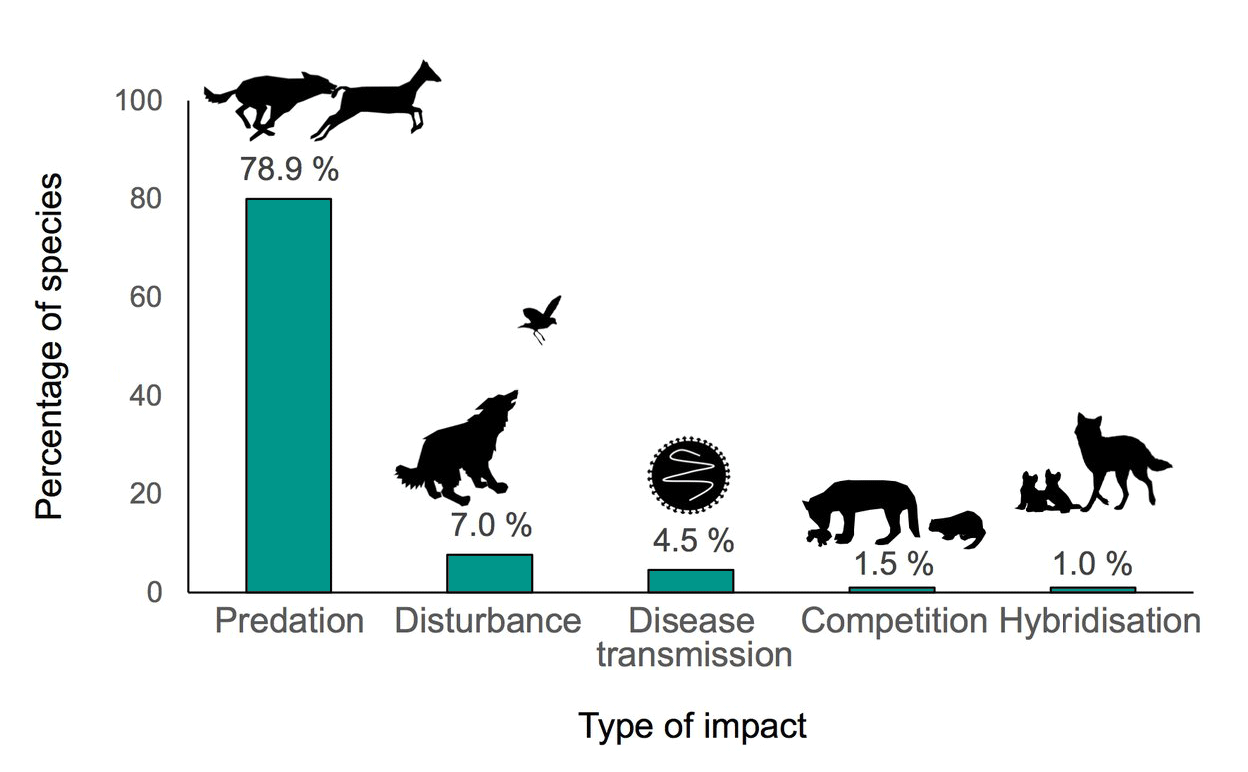
Predation was the most commonly reported impact of dogs on wildlife. The typically omnivorous diet of dogs means they have strong potential to affect a diversity of species. For instance, dogs killed at least 19 endangered Kagu (a ground-dwelling bird) in New Caledonia in 14 weeks. Threatened species with small population sizes are particularly vulnerable to such intense bouts of predation.

Aside from simply killing animals, dogs can harm wildlife in other ways, such as by spreading disease, interbreeding with other canids, competing for resources such as food or shelter, and causing disturbances by chasing or harassment. For example, contact with domestic dogs increases disease risk for endangered African Wild Dogs in Kenya.

Part of the problem is that when wild animals perceive dogs as a threat, they may change their behaviour to avoid them. One study near Sydney found that dog walking in parklands and national parks reduced the abundance and species richness of birds, even when dogs were restrained on leads.

None of the Red List assessments mentioned such indirect risk effects, which suggests that their frequency is likely to be much higher than reported.

Friend and foe

Despite their widespread and sometimes severe impacts on biodiversity, dogs can also benefit some species and ecosystems.

For example, in Australia, the closely related dingo (Canis dingo) can suppress populations of introduced predators such as red foxes (Vulpes vulpes), and in doing so can benefit smaller native prey. It is possible that domestic dogs could perform similar ecological roles in some situations.

In some regions, dogs and their keen noses have been trained to help scientists find threatened species such as Tiger Quolls. Elsewhere they are helping to flush out and control feral cats.

An emerging and exciting conservation role for dogs is their growing use as “guardian animals” for wildlife, with the remarkable story of Oddball being the most well known.

Managing the problem

Dogs not only interact with wildlife, but can also attack and spread disease to humans, livestock and other domestic animals. As such, managing the problem requires looking at ecological, cultural and social perspectives.

Some of the regions with high numbers of species threatened by dogs are also hotspots for urbanisation and road building, which make it easier for dogs to access the habitats of threatened species. Urban development increases food waste, which feeds higher numbers of dogs. As dogs expand into new areas, the number of species they impact is likely to grow.

We can protect wildlife by integrating human health and animal welfare objectives into dog management. Vaccination and desexing campaigns can reduce disease risk and overpopulation problems. We should also focus on responsible dog ownership, removing dogs without owners, and reducing access to food waste.

Given the close relationship between humans and dogs, community engagement should form the basis of any management program. More research is needed to get a better picture of the scale of the problem, and of how dogs interact with other threats such as habitat loss. Such actions are critically important for ensuring the conservation of wildlife threatened by dogs around the world.

This article was originally published on The Conversation. Read the original article, including reader comments.

The Conversation

The Conversation

Categories
Link Science communication

Capstone Editing: The trouble with academic grant applications

It’s time to look at the way academic grants are awarded. Image: Shutterstock

Regular successful grants are crucial for academic career advancement. Grants fund research, research leads to publications, and publications result in job security and promotion. But the likelihood of success is low, particularly for early-career researchers. Last year, the Australian Research Council (ARC) Discovery Projects, and National Health and Medical Research Council grants had a success rate around 18%, and ARC Linkage Projects around 30%.

A huge amount of effort is being dedicated to writing grants with very little chance of success.

How can we make this system better? My suggestions include prioritising funding for early-career researches, an expression-of-interest system to gauge the success of proposals, transparent and detailed feedback to unsuccessful applicants, and changing the timing of grant season so that is more family-friendly.

Read more on the Capstone Editing blog.

Categories
Publications Research

The global impacts of domestic dogs on threatened vertebrates

Authors: Tim S Doherty, Chris R Dickman, Alistair S Glen, Thomas M Newsome, Dale G Nimmo, Euan G Ritchie, Abi T Vanak, Aaron J Wirsinge

Published in: Biological Conservation, volume 210 (June 2017)

Abstract

Domestic dogs (Canis familiaris) have a near-global distribution. They range from being feral and free-ranging to owned and completely dependent on humans. All types of domestic dogs can interact with wildlife and have severe negative impacts on biodiversity.

Here, we use IUCN Red List data to quantify the number of threatened species negatively impacted by dogs, assess the prevalence of different types of dog impact, and identify regional hotspots containing high numbers of impacted species. Using this information, we highlight key research and management gaps and priorities.

Domestic dogs have contributed to 11 vertebrate extinctions and are a known or potential threat to at least 188 threatened species worldwide. These estimates are greater than those reported by previous assessments, but are probably conservative due to biases in the species, regions and types of impacts studied and/or reported.

Percentage of extinct or threatened vertebrate species that are, or were, affected by different types of dog impact.

Predation is the most frequently reported impact, followed by disturbance, disease transmission, competition, and hybridisation. Regions with the most species impacted are: South-east Asia, Central America and the Caribbean, South America, Asia (excluding SE), Micro/Mela/Polynesia, and Australia.

We propose that the impacts of domestic dogs can be better understood and managed through: taxonomic and spatial prioritisation of research and management; examining potential synergisms between dogs and other threatening processes; strategic engagement with animal welfare and human health campaigns; community engagement and education; and mitigating anthropogenic effects such as resource subsidies. Such actions are essential for threatened species persistence, especially given that human and dog populations are expected to increase both numerically and geographically in the coming decades.

Doherty TS, Dickman CR, Glen AS, Newsome TM, Nimmo DG, Ritchie EG, Vanak AT, Wirsing AJ (2017) The global impacts of domestic dogs on threatened vertebrates. Biological Conservation, PDF DOI 

Categories
Media Science communication

The Conversation: Bigfoot, the Kraken and night parrots – searching for the mythical or mysterious

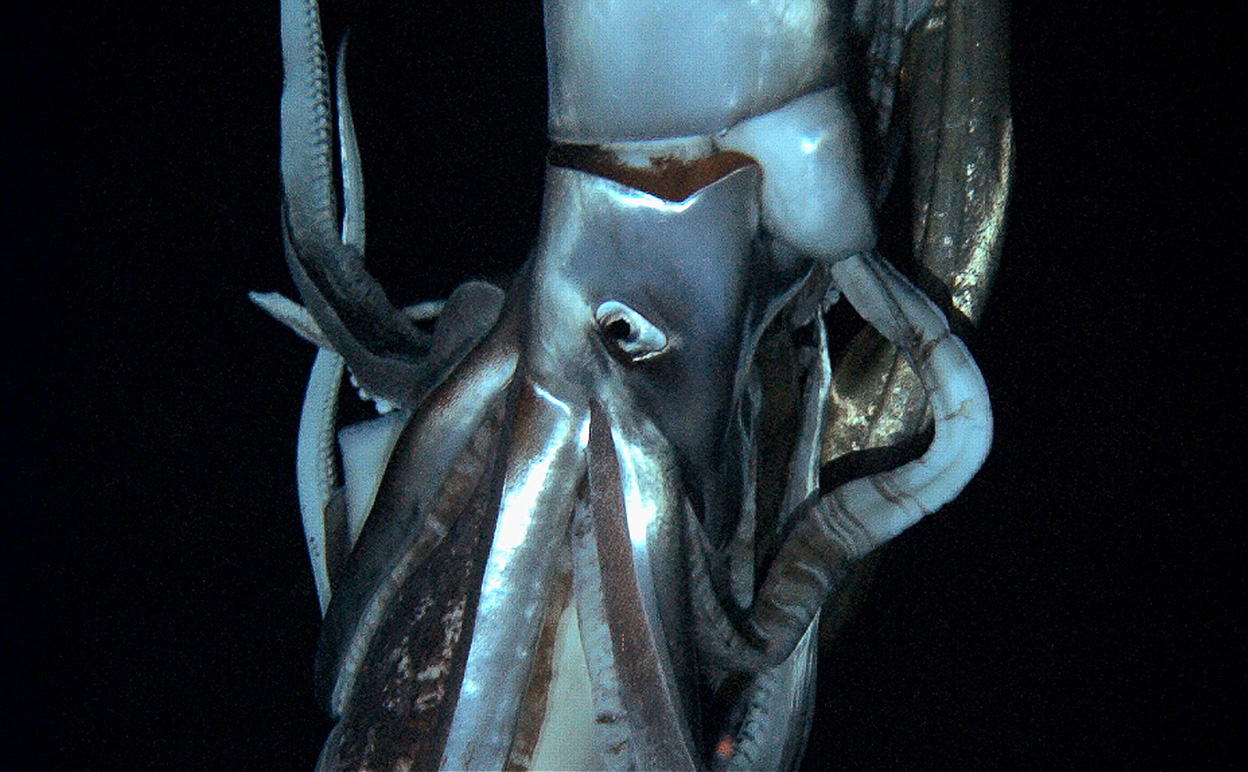
In 2012 scientists succeeded in filming for the first time ever a giant squid in its natural habitat. Image credit: EPA / NHK / NEP / Discovery Channel / AAP

It’s remarkable how little we know about Earth. How many species do we share this planet with? We don’t know, but estimates vary from millions to a trillion. In some respects we know more about the Moon, Mars and Venus than we do about the ocean’s depths and the vast sea floors.

But humans are inquisitive creatures, and we’re driven to explore. Chasing mythical or mysterious animals grabs media headlines and spurs debates, but it can also lead to remarkable discoveries.

The recent photographing of a live night parrot in Western Australia brought much joy. These enigmatic nocturnal birds have been only sporadically sighted over decades.

Another Australian species that inspires dedicated searchers is the Tasmanian tiger, or thylacine. A new hunt is under way, not in Tasmania but in Queensland’s vast wilderness region of Cape York.

Other plans are afoot to search for the long-beaked echidna in Western Australia’s Kimberley region.

In the case of the thylacine, old accounts from the region that sound very much like descriptions of the species raise the prospect that perhaps Cape York isn’t such a bad place to look after all.

But in reality, and tragically, it’s very unlikely that either of these species still survives in Australia. For some species there is scientific research that estimates just how improbable such an event would be; in the case of thylacines, one model suggests the odds are 1 in 1.6 trillion.

Chasing myths

The study and pursuit of “hidden” animals, thought to be extinct or fictitious, is often called cryptozoology. The word itself invites scorn – notorious examples include the search for Bigfoot, the Loch Ness Monster or Victoria’s legendary black panthers.

Granted, it’s probably apt to describe those searches as wild goose chases, but we must also acknowledge that genuine species – often quite sizeable ones – have been discovered.

Remarkable discoveries of animals thought to be fantasies or long extinct include giant squid, mountain gorillas, okapi, Komodo dragons and coelacanths.

In some cases, like the giant squid, these animals have been dismissed as legends. The reclusive oarfish, for example, are thought to be the inspiration for centuries of stories about sea serpents.

Technology to the rescue

Finding rare and cryptic species is self-evidently challenging, but rapid advances in technology open up amazing possibilities. Camera traps now provide us with regular selfies of once highly elusive snow leopards, and could equally be used with other difficult-to-find animals.

Environmental DNA is allowing us to detect species otherwise difficult to observe. Animal DNA found in the blood of leeches has uncovered rare and endangered mammals, meaning these and other much maligned blood-sucking parasites could be powerful biodiversity survey tools.

Acoustic recording devices can be left in areas for extended time periods, allowing us to eavesdrop on ecosystems and look out for sounds that might indicate otherwise hidden biological treasures. And coupling drones with thermal sensors and high resolution cameras means we can now take an eagle eye to remote and challenging environments.

The benefits of exploration and lessons learned

It’s easy to criticise the pursuit of the unlikely, but “miracles” can and do occur, sometimes on our doorstep. The discovery of the ancient Wollemi pine is a case in point. Even if we don’t find what we’re after, we may still benefit from what we learn along the way.

I’ve often wondered how many more species might be revealed to us if scientists invested more time in carefully listening to, recording and following up on the knowledge of Indigenous, farming, and other communities who have long and intimate associations with the land and sea.

Such an approach, combined with the deployment of new technologies, could create a boom of biological discovery.

This article was originally published on The Conversation. Read the original article, including reader comments.

The Conversation

The Conversation

Categories
Link Science communication

Capstone Editing: Crowd funding your research

Is crowd funding the future of grants for science and the arts?

I’ve successfully crowd funded two research projects: The Big Roo Count and Papua New Guinea’s mountain mammals, and learnt a few things along the way.

As well as an alternative source of income for research, crowd funding allows direct and immediate contact with the public. You carry them along on the way with you, which is how science should be.

Read more on the Capstone Editing blog.

Categories
Publications

Making a new dog?

Authors: Thomas M Newsome, Peter J S Fleming, Christopher R Dickman, Tim S Doherty, William J Ripple, Euan G Ritchie, and Aaron J Wirsing

Published in: BioScience (early view)

Abstract

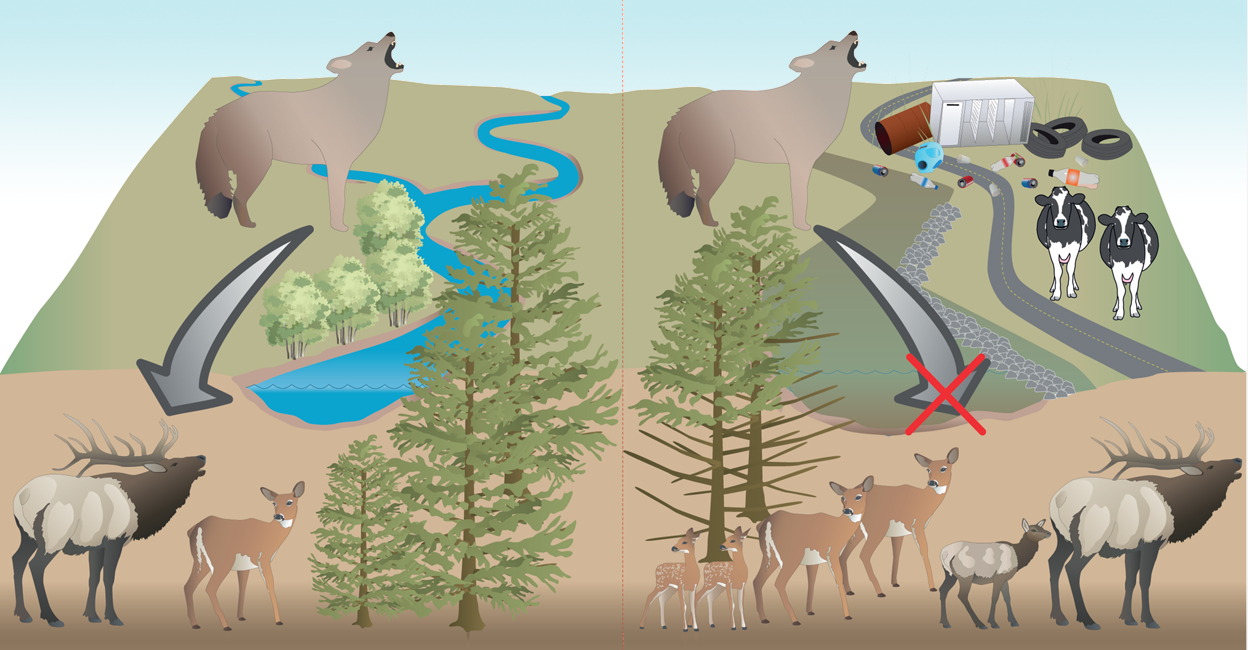
We are in the middle of a period of rapid and substantial environmental change. One impact of this upheaval is increasing contact between humans and other animals, including wildlife that take advantage of anthropogenic foods. As a result of increased interaction, the evolution and function of many species may be altered through time via processes including domestication and hybridization, potentially leading to speciation events.

We discuss the ecological and management importance of such possibilities, using gray wolves and other large carnivores as case studies.

Image caption: A hypothetical comparison of gray wolf (Canis lupus) ecological effects in wilderness areas (left) and human-modified systems (right) where there are abundant anthropogenic foods.

We identify five main ways that carnivores might be affected: changes to social structures, behavior and movement patterns, changes in survivorship across wild- to human-dominated environments, evolutionary divergence, and potential speciation.

As the human population continues to grow and urban areas expand while some large carnivore species reoccupy parts of their former distributions, there will be important implications for human welfare and conservation policy.

Thomas M Newsome, Peter J S Fleming, Christopher R Dickman, Tim S Doherty, William J Ripple, Euan G Ritchie, Aaron J Wirsing (2017) Making a New Dog? BioScience PDF DOI


Categories
Media Science communication

Radio National: My Feed

It’s all birds, tigers and octopi on social media this week!

Today I spoke to Radio National’s Jonathan Green about what’s been happening in my social media feeds.

Streaming audio via Radio National website

Categories
Science communication

The Conversation: Government needs to front up billions, not millions, to save Australia’s threatened species

By Don Driscoll (Deakin University) Bek Christensen (University of Queensland) and Euan Ritchie (Deakin University)

Southern cassowaries, orange-bellied parrots, Leadbeater’s possums, and Australia’s only purple wattle are among the threatened species the government is seeking conservation investment for under its recently released threatened species prospectus. The prospectus seeks business and philanthropic support in partnership with the government and community groups to raise around A$14 million each year.

Orange-bellied parrots are one of the species included in the government’s Threatened Species Prospectus. Image crdeit: JJ Harrison via Wikimedia Commons

The government has proposed 51 projects, costing from A$45,000 to A$6 million. At first glance the prospectus is a positive initiative.

But it also highlights that the current government is unwilling to invest what’s needed to assure the conservation of our threatened plants, animals and other organisms.

The good news

The government’s partial outsourcing of conservation investment and responsibility might have some benefit. Raising broader awareness about the plight of Australia’s threatened species, particularly among Australia’s leading companies and donors, could lead to valuable conservation gains. It could translate to pressure for greater financial investment in conservation and less damaging actions by big companies.

The prospectus includes an excellent range of critically important projects. These include seed banks for plants facing extinction, and projects to control feral animals and create safe havens for mammals and birds.

These projects could help to save species on the brink of extinction, such as the critically endangered Gilbert’s potoroo, the Christmas Island flying fox and the orange-bellied parrot.

The projects have a high chance of success. Community groups and government are already on board and ready to take action, if only the funds materialise.

Why do so many species need urgent help?

The State of the Environment Report released in early March shows that the major pressures on wildlife have not decreased since 2011 when the previous report was released. The prospects for most threatened species have not improved.

Habitat loss is still the biggest threat. The homes of many threatened species are continually under threat from developments. Coal mines threaten the black-throated finch, urban sprawl eats away at the last 1% of critically endangered Victorian grasslands, and clearing for agriculture has spiked in Queensland.

Feral animals are widespread and control programs have been inadequate. New diseases are emerging, such as the chytrid fungus that has devastated frog populations worldwide.

The horticulture industry, for example, introduced myrtle rust to Australia. The disease was poorly managed when it was first detected. It now infects more than 350 species of the Myrtaceae family (including eucalypts).

We have so many threatened species because national and state governments don’t invest enough money in protecting our natural heritage, and environmental protections have been rolled back in favour of economic development.

Show us the money

Over the past three years the federal government has invested A$210 million in threatened species. This annual investment of A$70 million each year is minuscule compared with the government’s revenue (0.017% of A$416.9 billion).

It includes projects under the National Landcare Program, Green Army (much of which didn’t help threatened species) and the 20 Million Trees program.

The A$14 million that the prospectus hopes to raise is a near-negligible proportion of annual revenue (0.003%).

Globally, the amount of money needed to prevent extinctions and recover threatened species is at least ten times more than what is being spent.

In Australia, A$40 million each year would prevent the loss of 45 mammals, birds and reptiles from the Kimberley region.

Can we afford it? The 2016 Defence White Paper outlines an expansion of Australia’s defence expenditure from A$32.4 billion in 2016-17 to A$58.7 billion by 2025, even though the appropriate level of investment is extremely uncertain.

We are more certain that our biodiversity will continue to decline with current funding levels. Every State of the Environment report shows ongoing biodiversity loss at relatively stable, low-level funding.

And what will happen if industry won’t open its wallets? Will the government close the funding gap, or shrug its shoulders, hoping the delay between committing a species to extinction and the actual event will be long enough to avoid accountability?

In the past few years we’ve seen the extinction of the Christmas Island forest skink, the Christmas Island pipistrelle, and the Bramble Cay melomys with no public inquiry. Academics have been left to probe the causes, and there is no clear line of government responsibility or mechanism to provide enough funding to help prevent more extinctions.

Popularity poll

Another problem is the prospectus’s bias towards the cute and cuddly, reflecting the prejudice in the Commonwealth Threatened Species Strategy. The strategy and prospectus make the assumption that potential benefactors are inclined to fork out for a freckled duck, but not for a Fitzroy land snail.

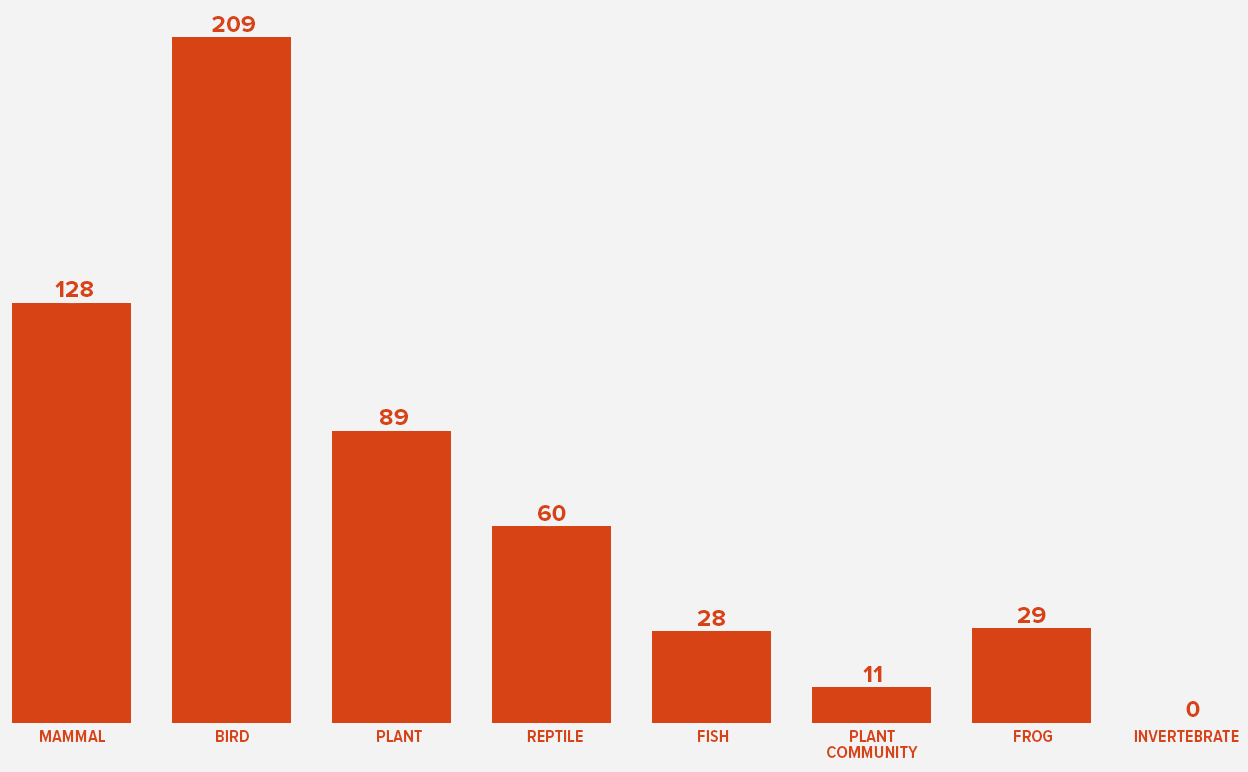
The prospectus includes almost half of Australia’s threatened mammals (listed under the Environment Protection and Biodiversity Conservation Act) and one-fifth of the threatened birds.

Other groups are woefully represented, ranging from 13% of threatened reptiles to just 1% of threatened plants and none of the listed threatened invertebrates. The prospectus does not even mention spectacular and uniquely Australian threatened crayfish, snails, velvet worms, beetles, butterflies, moths and other insects.

The allocation of funds is equally problematic. We found that birds received the most money (A$209,000 per species on average), followed by mammals and plants.

Raising new funds to help save iconic species is valuable, and can help other species. This focus on birds and mammals wouldn’t be a problem if the government were to pick up the tab for the less popular threatened species.

But it hasn’t. That means our threatened species program will continue to be exceptionally biased, while many more species vanish forever, with little acknowledgement.

We think that the prospectus, despite its biases, is a positive initiative. It is vital to engage society, including business and wealthy philanthropists, in the care of Australia’s natural heritage. But it also highlights how little the government is willing to invest in preserving our threatened wildlife and ecosystems.

This article was originally published on The Conversation. Read the original article, including reader comments.

The Conversation

The Conversation

Categories
Publications Research

Responses of invasive predators and native prey to a prescribed forest fire

Authors: Bronwyn A Hradsky, Craig Mildwaters, Euan G Ritchie, Fiona Christie, and Julian Di Stefano

Published in: Journal of Mammalogy (early view)

Abstract

Fire shapes biome distribution and community composition worldwide, and is extensively used as a management tool in flammable landscapes. There is growing concern, however, that fire could increase the vulnerability of native fauna to invasive predators.

We developed a conceptual model of the ways in which fire could influence predator–prey dynamics.

Using a before–after, control–impact experiment, we then investigated the short-term effects of a prescribed fire on 2 globally significant invasive mesopredators (red fox, Vulpes vulpes, and feral cat, Felis catus) and their native mammalian prey in a fire-prone forest of southeastern Australia. We deployed motion-sensing cameras to assess species occurrence, collected predator scats to quantify diet and prey choice, and measured vegetation cover before and after fire. We examined the effects of the fire at the scale of the burn block (1,190 ha), and compared burned forest to unburned refuges.

Pre-fire, invasive predators and large native herbivores were more likely to occur at sites with an open understory, whereas the occurrence of most small- and medium-sized native mammals was positively associated with understory cover. Fire reduced understory cover by more than 80%, and resulted in a 5-fold increase in the occurrence of invasive predators. Concurrently, relative consumption of medium-sized native mammals by foxes doubled, and selection of long-nosed bandicoots (Perameles nasuta) and short-beaked echidnas (Tachyglossus aculeatus) by foxes increased. Occurrence of bush rats (Rattus fuscipes) declined. It was unclear if fire also affected the occurrence of bandicoots or echidnas, as changes coincided with normal seasonal variations.

Overall, prescribed fire promoted invasive predators, while disadvantaging their medium-sized native mammalian prey. Further replication and longer-term experiments are needed before these findings can be generalized. Nonetheless, such interactions could pose a serious threat to vulnerable species such as critical weight range mammals. Integrated invasive predator and fire management are recommended to improve biodiversity conservation in flammable ecosystems.

Hradsky BA, Mildwaters C, Ritchie EG, Christie F, Di Stefano J (2017) Responses of invasive predators and native prey to a prescribed forest fire, Journal of Mammalogy PDF DOI

Categories
Publications Science communication

Communication: Science censorship is a global issue

Authors: Euan G Ritchie, Don A Driscoll and Martine Maron

Published in: Nature, volume 542, number 7640 (February 2017)

Government gagging of scientists is a slippery slope towards removing evidence from public debate.

President Donald Trump issued an order on 23 January to effectively gag US government scientists at the Environmental Protection Agency and the Department of Agriculture from communicating with the media and the public (see Nature 54210112017). Regrettably, suppression of public scientific information is already the norm, or is being attempted, in many countries (see, for example, go.nature.com/2kr5dnd). We fear that such gagging orders could encourage senior bureaucrats to use funding as a tool with which to rein in academic freedoms.

In Australia, public servants must abide by codes of conduct for communication that restrict them from contributing scientific evidence to public debates. Allegations emerged in 2011 that an Australian state government had threatened to stop funding university scientists who spoke out against cattle grazing in national parks, despite peer-reviewed evidence that this could damage a fragile alpine ecosystem and was unlikely to reduce fire risk as claimed (see also Nature 4714222011).

The response of scientists to this type of coercion has been to share scientific information widely and openly using such legal means as social media to defend facts and transparency (see Nature 5414352017). Academics and scientific associations are among the last still free to speak, so must continue to do so to protect open discussion of government policies.

Ritchie EG, Driscoll DA, Maron M (2017) Communication: Science censorship is a global issue, Nature 542 PDF DOI 

Categories
Publications

The case for a dingo reintroduction in Australia remains strong: a reply to Morgan et al., 2016

Authors: Thomas M Newsome, Aaron C Greenville, Mike Letnic, Euan G Ritchie and Christopher R Dickman

Published in: Food Webs (early view)

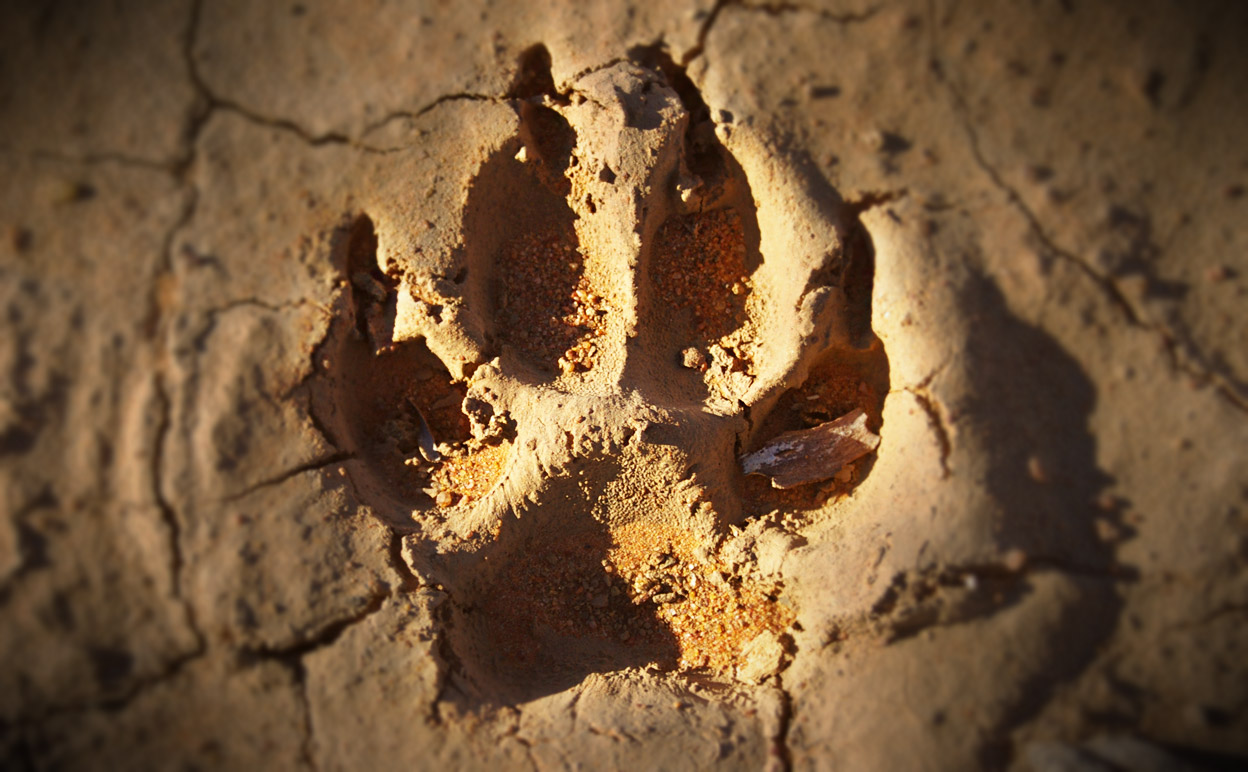
dingofootprint
We challenge the arguments of Morgan et al. in regard to the efficacy of dingo reintroductions Image credit: Daryll Bellingham via Flickr

In their paper “Trophic cascades and dingoes in Australia: does the Yellowstone wolf-elk- willow model apply?” Morgan et al. (2016) argue that the case for dingo reintroduction in Australia, based on trophic cascade theory, is “weak”. They conclude that, “because of climate instability, the strong top-down trophic responses reported from the Yellowstone National Park case study are unlikely to apply in arid and semi-arid south-eastern Australia and are speculative at best”.

We agree that dingoes (Canis dingo) are likely to exert different effects on ecological communities in Australia as compared to grey wolves (Canis lupus) in North America. A comparison of body sizes and dietary preferences between these canid species alludes to their functional ecological differences. Differences in the biological communities and climate between Yellowstone National Park and Australia also prevent direct comparisons of trophic cascade-processes between the two regions. These facts should not, however, preclude examination of the efficacy and consequences of dingo reintroductions in Australia.

We contend that Morgan et al. (2016):

  1. misunderstand the circumstances that make trophic cascades important to consider in Australia,
  2. do not acknowledge key reasons why dingo reintroduction has been proposed,
  3. haven’t recognised the different pathways by which dingoes could influence ecosystems via trophic cascades, and
  4. do not fully acknowledge literature and theory relevant to understanding the interplay of bottom-up and top-down processes in Australia.

Our reply is intended to assist managers and decision makers when deciding whether or not to reintroduce dingoes into Australian ecosystems.

Newsome TM, Greenville AC, Letnic M, Ritchie EG, Dickman CR (2017) The case for a dingo reintroduction in Australia remains strong: A reply to Morgan et al., 2016, Food Webs, PDF DOI

Categories
Media Science communication

ABC Radio: Has roo meat made it to your dinner table?

Roo meat. Image credit Wikimedia Commons
Kangaroo meat. Image credit Wikimedia Commons

What are you throwing into the trolley as you wander through the meat section at the supermarket? Beef? Lamb? Chicken?

I spoke to ABC’s Gillian O’Shaughnessy about why we should consider eating kangaroo meat.

via 720 ABC Perth

Categories
Media Science communication

3BA Ballarat Today: Would you eat kangaroo on Australia Day?

Roo meat has less fat and cholesterol than beef and is quicker to cook. Would you try roo this Australia day?

via 3BA FM

Categories
Publications Research

Enumerating a continental-scale threat: How many feral cats are in Australia?

Authors: S Legge, BP Murphy, H McGregor, JCZ Woinarski, J Augusteyn, G Ballard, M Baseler, T Buckmaster, CR Dickman, T Doherty, G Edwards, T Eyre, BA Fancourt, D Ferguson, DM Forsyth, WL Geary, M Gentle, G Gillespie, L Greenwood, R Hohnen, S Hume, CN Johnson, M Maxwell, PJ McDonald, K Morris, K Moseby, T Newsome, D Nimmo, R Paltridge, D Ramsey, J Read, A Rendall, M Rich, E Ritchie, J Rowland, J Short, D Stoked, DR Sutherland, AF Wayne, L Woodford and F Zewe.

Published in: Biological Conservation

Abstract

Feral cats (Felis catus) have devastated wildlife globally. In Australia, feral cats are implicated in most recent mammal extinctions and continue to threaten native species. Cat control is a high-profile priority for Australian policy, research and management.

To develop the evidence-base to support this priority, we first review information on cat presence/absence on Australian islands and mainland cat-proof exclosures, finding that cats occur across >99.8% of Australia’s land area. Next, we collate 91 site-based feral cat density estimates in Australia and examine the influence of environmental and geographic influences on density.

We extrapolate from this analysis to estimate that the feral cat population in natural environments fluctuates between 1.4 million (95% confidence interval: 1.0–2.3 million) after continent-wide droughts, to 5.6 million (95% CI: 2.5–11 million) after extensive wet periods. We estimate another 0.7 million feral cats occur in Australia’s highly modified environments (urban areas, rubbish dumps, intensive farms).

Feral cat densities are higher on small islands than the mainland, but similar inside and outside conservation land. Mainland cats reach highest densities in arid/semi-arid areas after wet periods. Regional variation in cat densities corresponds closely with attrition rates for native mammal fauna.

The overall population estimate for Australia’s feral cats (in natural and highly modified environments), fluctuating between 2.1 and 6.3 million, is lower than previous estimates, and Australian feral cat densities are lower than reported for North America and Europe. Nevertheless, cats inflict severe impacts on Australian fauna, reflecting the sensitivity of Australia’s native species to cats and reinforcing that policy, research and management to reduce their impacts is critical.

Legge, S, et al (2016) Enumerating a continental-scale threat: How many feral cats are in Australia? Biological Conservation PDF DOI


Categories
Publications

Impacts and management of feral cats Felis catus in Australia

Authors: Tim S Doherty, Chris R Dickman, Chris N Johnson, Sarah M Legge, Euan G Ritchie and John CZ Woinarski

Published in: Mammal Review (early view)

Abstract

Feral cats are among the most damaging invasive species worldwide, and are implicated in many extinctions, especially in Australia, New Zealand and other islands. Understanding and reducing their impacts is a global conservation priority.

We review knowledge about the impacts and management of feral cats in Australia, and identify priorities for research and management.

In Australia, the most well understood and significant impact of feral cats is predation on threatened mammals. Other impacts include predation on other vertebrates, resource competition, and disease transmission, but knowledge of these impacts remains limited.

Lethal control is the most common form of management, particularly via specifically designed poison baits. Non-lethal techniques include the management of fire, grazing, food, and trophic cascades. Managing interactions between these processes is key to success.

Given limitations on the efficacy of feral cat management, conservation of threatened mammals has required the establishment of insurance populations on predator-free islands and in fenced mainland enclosures.

Research and management priorities are to: prevent feral cats from driving threatened species to extinction; assess the efficacy of new management tools; trial options for control via ecosystem management; and increase the potential for native fauna to coexist with feral cats.

Doherty TS, Dickman CR, Johnson CN, Legge SM, Ritchie EG, Woinarski JCZ (2016) Impacts and management of feral cats Felis catus in Australia. Mammal Review PDF DOI

Categories
Media Science communication

Raising the Bar: How making peace with predators could transform our world

Why are some feral animals running rampant? Should we reintroduce dingoes and Tasmanian devils to parts of Australia? Why doesn’t shark culling work? How can predators help us to fight climate change? Recorded live at Belleville, Melbourne.

via SoundCloud

Categories
Publications Research

Phylogeography of the antilopine wallaroos (Macropus antilopinus) across tropical northern Australia

Authors: Jessica J Wadley, Damien A Fordham, Vicki A Thomson, Euan G Ritchie and Jeremy J Austin

Published in: Ecology and Evolution (early view)

Abstract

The distribution of antilopine wallaroo, Macropus antilopinus, is marked by a break in the species’ range between Queensland and the Northern Territory, coinciding with the Carpentarian barrier.

Previous work on M. antilopinus revealed limited genetic differentiation between the Northern Territory and Queensland M. antilopinus populations across this barrier. The study also identified a number of divergent lineages in the Northern Territory, but was unable to elucidate any geographic structure.

Here, we re-examine these results to (1) determine phylogeographic patterns across the range of M. antilopinus and (2) infer the biogeographic barriers associated with these patterns.

The tropical savannahs of northern Australia: from the Cape York Peninsula in the east, to the Kimberley in the west. We examined phylogeographic patterns in M. antilopinus using a larger number of samples and three mtDNA genes: NADH dehydrogenase subunit 2, cytochrome b, and the control region. Two datasets were generated and analyzed: (1) a subset of samples with all three mtDNA regions concatenated together and (2) all samples for just control region sequences that included samples from the previous study. Analysis included generating phylogenetic trees based on Bayesian analysis and intraspecific median-joining networks.

The contemporary spatial structure of M. antilopinus mtDNA lineages revealed five shallow clades and a sixth, divergent lineage. The genetic differences that we found between Queensland and Northern Territory M. antilopinus samples confirmed the split in the geographic distribution of the species. We also found weak genetic differentiation between Northern Territory samples and those from the Kimberley region of Western Australia, possibly due to the Kimberley Plateau–Arnhem Land barrier. Within the Northern Territory, two clades appear to be parapatric in the west, while another two clades are broadly sympatric across the Northern Territory. MtDNA diversity of M. antilopinus revealed an unexpectedly complex evolutionary history involving multiple sympatric and parapatric mtDNA clades across northern Australia.

These phylogeographic patterns highlight the importance of investigating genetic variation across distributions of species and integrating this information into biodiversity conservation.

Wadley JJ, Fordham DA, Thomson VA, Ritchie EG, Austin JJ (2016) Phylogeography of the antilopine wallaroo (Macropus antilopinus) across tropical northern Australia. Ecology and Evolution PDF DOI 


Categories
Media

The Conversation: Why Victoria’s dingo and ‘wild dog’ bounty is doomed to miss its target

By Euan Ritchie (Deakin University) and Arian Wallach (University of Technology Sydney)

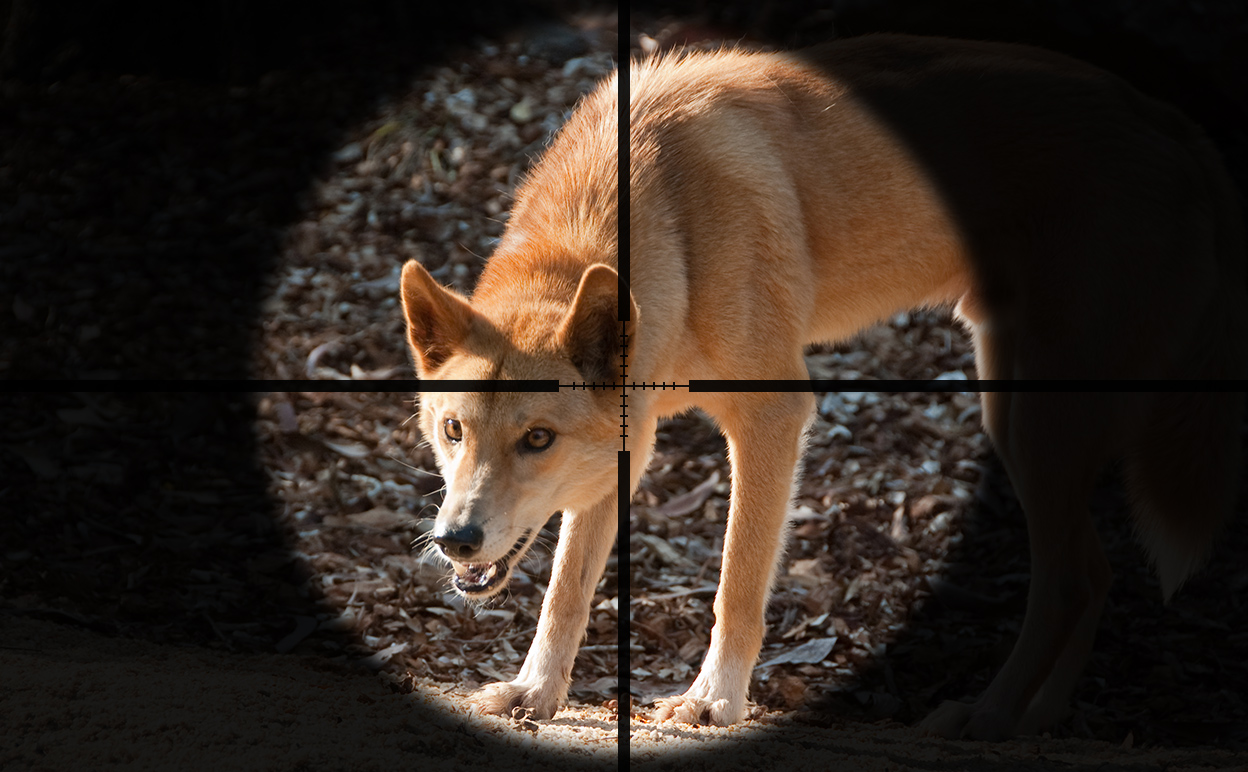
Dingo-crosshairs
Dingo bounties are a really, really bad idea.

On any given night, many farmers go to sleep worrying about what they might wake up to in the morning. Few things are more stressful than seeing your livestock, such as sheep, lying dead or seriously injured in the paddock. Sometimes dingoes, free roaming and unowned (“feral”) dogs, and domestic dogs, or their hybrids, are responsible for such a scene. But what’s the best way to deal with this situation?

The Victorian government is set to reinstate a dingo and wild dog bounty scheme as a way to reduce livestock, especially sheep, being attacked and killed, in response to calls from farming and shooting groups.

Just what is a dingo?

One of the problems with managing dingoes is that the boundary between them and “wild dogs” is contentious. Some have even claimed that there are no pure dingoes in Victoria.

Defining what dingoes are is harder than you might think. There is considerable variation in how dingoes look, for example, in terms of their overall size and colour, as is common with many other members of the dog family (canids).

And if a dingo isn’t considered 100% “pure”, containing genes from domestic dogs, should hybrids be managed differently to dingoes?

Research suggests “pure” dingoes do exist in Victoria, albeit in smaller numbers than other regions.

Notably though, genetic samples in Victoria have been collected largely from areas close to towns, where there are likely more hybrid dogs, and less so from deep within Victoria’s more remote natural regions (the mallee, alpine, and Gippsland forests), where dingoes are often sighted.

Two other recent studies are important in the Victorian context. One suggests dingo characteristics prevail even within hybrids and another has found there are two distinct dingo populations. Importantly, the south east dingo population is at increased risk of extinction.

Many ecologists would argue that splitting hairs about dingo genetic “purity” is a moot point, because what really matters is what dingoes and dingo-dog hybrids are doing in the environment. This is because dingoes are known to have important ecological roles, including the suppression of feral species (such as cats, pigs, and goats), red foxes, and kangaroos.

How are wild dogs and dingoes managed in Victoria?

The decision to reinstate a dingo and wild dog bounty in Victoria is vexed. In 2007 the Victorian government established protection of dingoes, due to conservation concerns about the species, with hybridisation between dingoes and domestic dogs identified as a threatening process.

As a result, dingoes in Victoria are listed as a threatened species under the Flora and Fauna Guarantee Act 1988 and protected under the Wildlife Act 1975.

In Victoria wild dogs are classed as pest animals and can be legally controlled. However, the Victorian Department of Environment states that “dingoes are visually indistinguishable from wild dogs, making it impossible to ensure they are not inadvertently destroyed in wild dog control programs in any given area where both exist” and “dingoes are protected wildlife and it is an offence under the Wildlife Act 1975 to take or kill protected wildlife without an authorisation to do so”.

Management misfire

Legal and species identification issues aside, do bounties and lethal control of predators actually work?

In short, scientific evidence suggests the answer is largely no (see for instance here, here, here, here, and here).

There are a range of reasons cited for why bounties fail. These include:

  • an inability to sufficiently reduce numbers of the the target species and hence their impact, due to rapid breeding and/or immigration from other areas
  • corruption by those claiming bounties, whereby animals claimed for bounty payments have not actually been killed in the area where the bounty is intended to benefit
  • an inability to access some animals over large and/or remote areas
  • a disincentive to completely eradicate animals as this removes the source of income
  • disruption of predator social structures causing higher livestock predation.

Investing in predator-friendly farming

So what solutions do we have that might allow productive farms without the need to kill predators? A range of nonlethal solutions exist for protecting livestock, including improved husbandry techniques (such as corralling and herding), and in particular, a growing body of research suggests guardian animals provide a great step forward.

Nonlethal methods to protect livestock are also consistent with a growing social demand that both domestic and wild animals are treated humanely and ethically on farms.

Predator-friendly farming is growing across Australia, as you can see in the image above. Large livestock on large landholdings, such as beef cattle on thousands of square kilometre stations, are reducing conflict by enabling dingo packs to stabilize and by supporting healthier cows that are better able to defend their calves (top left).

Smaller farms are also employing protective strategies, including guardian dogs, even if the livestock species is large, such as dairy cows and buffalo, because lethal control on neighboring farms continues to disrupt the dingo’s social structure (bottom left).

Technological innovations in nonlethal methods for protecting livestock from predators have been developed in Australia and used worldwide, such as “Foxlights” (top right). And vulnerable stock, such as chickens, are being successfully protected with guardian dogs and enclosures (bottom right).

There are substantial gains to be made for agriculture, people, wild animals and the environment if decision-makers use scientific evidence and ethical analysis, rather than responding to lobby groups, as the basis for taxpayer-sponsored actions.

Education is also a key aspect of any change, and scientists are being proactive here too, providing guidance on new approaches to rangeland livestock management that are supported by research.

The fact is, bounty schemes don’t work. If instead the substantial funds currently being invested in bounties were invested in supporting farmers to move to more long-term, cost-effective, and more environmentally-friendly solutions, we may all be able to sleep better at night.

This article was originally published on The Conversation. Read the original article, including reader comments.

The Conversation
The Conversation

Categories
Media

Radio National: My Feed

It’s raining feral cats and wild dogs on social media!

Today I spoke to Radio National’s Patricia Karvelus about what’s been happening in my social media feeds, from dog bounties to hashtag #scicomm.

Streaming audio via Radio National website

Categories
Media

Einstein A Go-Go with Peter Doherty

Today on Triple R, I had the honour and pleasure of sharing the airwaves with Australian Nobel Laureate Professor Peter Doherty.

Listen via 3RRR Radio on Demand (requires Flash)