John Woinarski, Professor of Conservation Biology, Charles Darwin University; Euan Ritchie, Professor in Wildlife Ecology and Conservation, School of Life & Environmental Sciences, Deakin University, and Stephen Garnett, Professor of Conservation and Sustainable Livelihoods, Charles Darwin University.
This article is republished from The Conversation under a Creative Commons license. Read the original article.
The deadly H5N1 strain of bird flu has now spread from migratory birds to infect resident Australian birds. Clusters of dead birds have been found in several locations. The virus will inevitably infect other wildlife, most notably mammals.
Death rates range from 75-100% in poultry and some wild bird species. There’s great uncertainty about how big the death toll will be over both the short and long-term. Native species such as the black swan are highly vulnerable, while others may prove more resilient.
Based on overseas experience, we can expect many thousands, if not millions, of Australian birds, and large numbers of mammals, to perish. Poultry will likely become infected, while some beloved pets may die.
Overall, the populations of many Australian species will likely plummet. Some threatened species will move closer to extinction, and relatively safe species could become threatened. As the virus spreads through widespread species such as silver gulls, white ibis, pigeons, ducks and crows, many of us will be confronted by wildlife deaths close to home.
Facing a threat like this can make us feel powerless. But there are actions we can take.
Blow after blow for wildlife
Over the 2019-20 summer, megafires incinerated forests and wildlife. In 2025, the lethal South Australian algal bloom denuded large marine areas.
The prospect of yet another hammer blow to wildlife is haunting and emotionally triggering for conservationists, wildlife carers and people who love nature.
To date, the official messaging asks us to watch for, report and record sick birds and mammals. This is important, but it risks leaving the community feeling disempowered witnesses to catastrophe. The situation is far from hopeless. Now is the time to act.
What can be done?
Following overseas work on ways to reduce the toll, we have come up with eight actions.
1. Tackle other threats to give species a fighting chance
While federal, state and territory response plans are not public, what we do know suggests a focus on controlling threats other than bird flu, especially for species that are threatened.
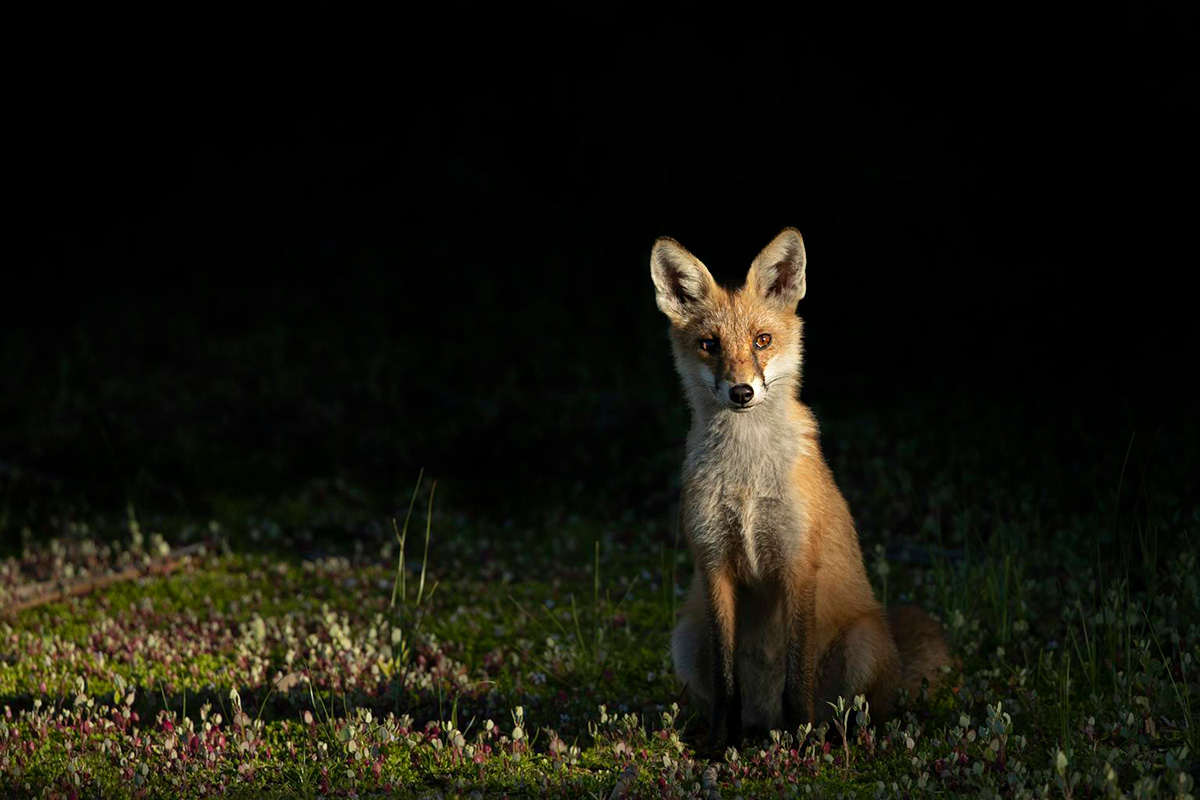
For example, locally eradicating predators such as cats and foxes could give more individuals a chance to get through the first wave of bird flu. Banning duck hunting could also reduce one threat to wildlife.

2. Secure insurance populations
Threatened birds and mammals with populations in captivity provide some security. We can boost these insurance populations by increasing their genetic diversity and the number of individuals kept.
For at-risk species without these populations, we may have to collect wild animals before infection reaches them (where practical). Zoos may offer the most protection, but there’s scope to translocate species (such as northern quolls) to safer wild places.
3. Vaccinate species at risk
New Zealand authorities are already giving vaccines to birds at risk. To date, Australia is not doing so, though policymakers are exploring the option. Limited trials in mammals have been undertaken in the United States.
Wild animals have to be caught, given the vaccine, and recaptured for a booster 4-6 weeks later. This is challenging but often feasible. In the US, authorities captured and vaccinated endangered Californian condors, then released them back to the wild.
We need to explore new vaccines, especially for mammals.
4. Widen monitoring
We need good monitoring to track the spread, understand whether our efforts have helped and plan future actions. Monitoring will show what the virus has done to species, track viral mutations and assess survival rates.
For many seabirds and waterbirds, existing programs give us good estimates of current population size. This will let us estimate declines and any recoveries. But we don’t have robust estimates for other at-risk bird and mammal species. This gap needs to be rapidly filled with funding for targeted monitoring. Citizen scientists can also help.

5. Expand research
Much Australian fauna is very distinct from species overseas, meaning lessons learned elsewhere won’t necessarily apply. We need to know which species are most vulnerable, which species spread the virus most effectively, whether survivors have compromised immune systems and how much genetic diversity has been lost.
6. Slow the spread
The virus spreads rapidly in contaminated water and through the movements of infected birds and mammals. Even so, we can slow the spread. In some situations, authorities can remove sick or dead animals to reduce the chance of scavenging birds and animals eating them and contracting then spreading the virus.
Some areas may need to be closed to the public to reduce infection risks through disturbance or contamination. It may be necessary to shut down some water sources or make them less attractive to waterfowl, who are often good carriers of the virus. Poultry farmers will need to control water sources too, to avoid attracting infected birds.
7. Involve interested groups
Authorities must ensure community members, land-owners, First Nations groups and conservationists are involved in creating response plans. Bird flu is a shared problem. Governments cannot respond alone.
8. Look for some silver linings
This virus will likely have dire consequences for many species. But it could also kill introduced predators and scavengers such as feral pigs, cats, foxes and common mynahs.
Time to act
The damage this virus will do isn’t set. We can shape some outcomes. We believe this package of actions could help avert the worst future for Australian birds and mammals – and encourage their recovery.
Acknowledgements: Ecologist Tanya Loos provided helpful feedback.