Categories
Science communication The Conversation

The Conversation: Bird flu has spread to two Australian states. Here’s how it could accelerate our extinction crisis

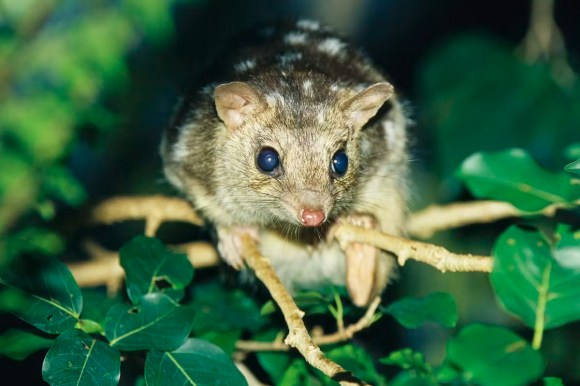
A rare northern quoll, an animal almost extinct due to the cane toad. Jason Edwards via Getty Images

Euan Ritchie, Professor in Wildlife Ecology and Conservation, School of Life & Environmental Sciences, Deakin University

This article is republished from The Conversation under a Creative Commons license. Read the original article.

The deadly H5N1 strain of bird flu has now been found in a second state, South Australia, after earlier being identified in Western Australia.

Authorities have confirmed three seabirds have died of the highly pathogenic avian influenza (HPAI) H5N1 virus. It is too early to know if H5N1 has spread beyond these animals to other wildlife or livestock in Australia. But it appears very much a matter of when, not if, this happens.

Globally, H5N1 has already devastated wildlife populations. In Australia, this deadly virus could greatly disrupt ecosystems and push our most threatened species even closer to extinction.

Why is H5N1 so dangerous?

The H5N1 strain of bird flu spreads through contact with bodily fluids such as saliva and faeces, infected animals or contaminated environments. It can also be transmitted through scavenging by species that feed on infected carcasses.

Threatened species most at risk

For threatened species, an H5N1 outbreak could be catastrophic. And a mass mortality event could be the final straw that finishes off a species. This is especially true if a population is already in decline, is geographically restricted or gathers to breed during certain seasons.

After the initial outbreak passes, populations may rebound through breeding and immigration. However, an extreme drop in numbers can create a genetic bottleneck, leading to rapid, substantial loss of genetic diversity. This, in turn, can threaten a population’s long-term health.

Since detecting H5N1 in Australia, authorities have understandably focused on protecting Australia’s spectacular birds – including the threatened regent honeyeater and orange-bellied parrot.

What’s received less attention are our iconic but increasingly threatened mammals. This includes the egg-laying platypus, native rodents such as the rakali and numerous marsupial species. In the United States, the virus has already done widespread damage to native rodents such as squirrels and voles, and the marsupial Virginia Opossum. It may well do the same to Australia’s mammals.

Carnivorous marsupials such as endangered Tasmanian devils and quoll species are also at risk, as their hunting and scavenging may expose them to infected carcasses.

The H5N1 strain could also prove deadly to our Australian sea lion and black swan populations. Black swans appear particularly susceptible to H5N1, which may be because they evolved in the isolated island continent of Australia. Unlike other swan species, they lack certain genetic traits that might help their immune systems fight the H5N1 virus.

Long-term damage to ecosystems

Beyond individual species, H5N1 has the potential to greatly disrupt and devastate Australia’s ecosystems.

An H5N1 outbreak in predator species could see prey populations surge. If a local dingo population is wiped out by the virus, the kangaroos, wallabies, feral goats and other herbivores they prey on could rapidly increase in numbers. This could lead to overgrazing, which in turn would deprive other animals of food and shelter.

In freshwater and marine environments, an H5N1 outbreak could see many birds die in and around waterways in a short period. Nutrients from the bird carcasses could pollute waterways if not cleaned up, worsening water quality and oxygen levels and potentially causing widespread fish kills.

So, what can we do?

Compared to other countries and continents, Australia has had longer to prepare for an H5N1 outbreak.

The federal government has so far invested A$113 million to bolster our H5N1 response. This money will go towards disease surveillance, invasive species control, captive breeding programs and efforts to monitor wildlife health.

But we can also help stop the spread of H5N1 on an individual level by:

  • immediately reporting any sick or dead animals to the Emergency Animal Disease hotline on 1800 675 888 or organisations such as Wildlife Health Australia

  • not touching native wildlife

  • only feeding birds in backyards, never in the wild, and following strict hygiene measures such as cleaning water baths weekly and opting for hanging bird feeders

  • keeping dogs and cats away from wildlife, animal faeces and especially dead carcasses.

The arrival of H5N1 in Australia is not cause for panic, as this outbreak is yet to unfold. But we must be extra vigilant in how we observe and interact with wildlife and nature. The future of our most vulnerable species depends on it.

The Conversation

Categories
Science communication The Conversation

The Conversation: In the most cleared state in Australia, Victoria’s native wildlife needs our help after fires

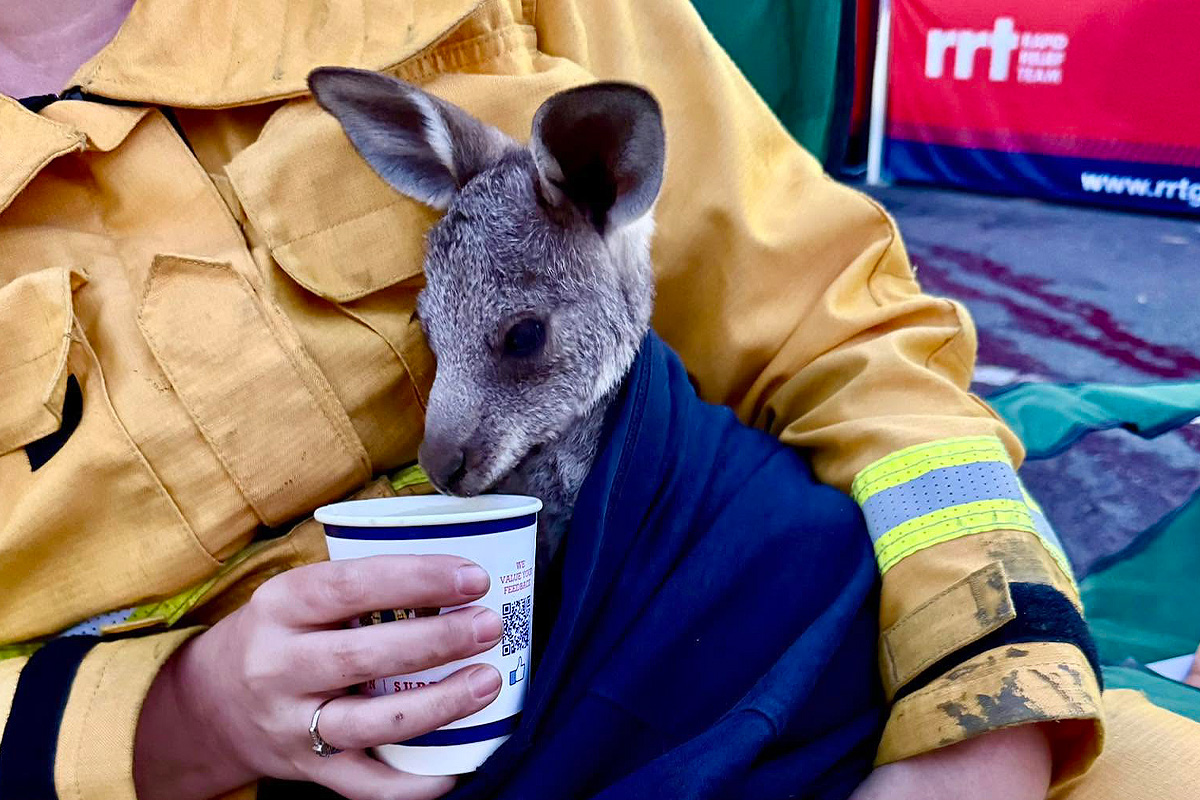
 joey found by firefighters near the Harcourt fire in Victoria. Glenlyon Rural Fire Brigade/Facebook

Euan Ritchie, Professor in Wildlife Ecology and Conservation, School of Life & Environmental Sciences, Deakin University

This article is republished from The Conversation under a Creative Commons license. Read the original article.

Victoria has just suffered some of its worst bushfires since the Black Summer fires of 2019–20. Over 400,000 hectares are estimated to have burnt so far, an area more than five times larger than Singapore.

Regional communities have been deeply affected. They need support to recover and rebuild their homes, towns and lives. And what about the state’s unique plants, animals and ecosystems?

Both large and small fires erupted in Victoria, and were extraordinarily widespread across diverse environments. They burned in the Wimmera–Mallee region in the northwest, the Otways in the southwest, central Victoria, northeastern Victoria and eastern Victoria, including the alpine region. This means a correspondingly diverse range of native plants and animals has been affected.

Compounding this, Victoria is the most cleared state in Australia. This makes it more difficult for animals to find suitable habitat outside of burnt areas in a fragmented landscape as they recover.

A night image of fires lighting up the sky above Lake Eildon during the Victorian bushfires. Graeme Thomas/Facebook

How will these fires affect nature?

Fires have short and long-term affects on wildlife. While a high proportion of animals can survive fires, the total numbers of insects, birds, frogs, reptiles, mammals and others that have died during the fires or afterwards, will still be large. This is due to severe burns, smoke, radiant heat or other injuries as they try to escape. Many animals get caught on fences as they move across landscapes seeking refuge.

We might think animals that can fly, such as many insects, birds and bats, should be able to easily escape. But smoke and extreme heat makes it difficult to breathe and regulate their body temperature, and can disorient wildlife. Temperatures soared well above 40°C during the fires. Along with intense winds, this took a heavy toll on some animals. Tragically, thousands of flying foxes died.

Many animals will have survived fires by finding refuge in protected waterways, caves, rock and boulder piles, or by going underground, including into wombat burrows. Echidnas dig into the ground and go to sleep, a clever tactic to conserve energy and reduce stress on the body.

After fires, animals face additional challenges. Feral cats and foxes are known to rapidly take advantage of burnt areas. Hunting and capturing their prey in more open habitat is easier. Potoroos, bandicoots, lizards and many others that survive initially may be hunted in the hours, days and weeks after a fire.

The long-term effects

The impact of fire can last for decades, or even longer. Many Australian wildlife species depend on logs and hollows in trees for shelter and to raise young. Fire can both create and destroy hollows.

Importantly, Victoria is the most cleared state in Australia. Hence, hollows are already short in supply and patchily distributed. For some tree species, they can take more than 100 years to form. Their loss puts pressure on threatened species including greater gliders, barking owls and spotted-tailed quolls.

Aquatic life is not immune to the effects of fire either. Rains that occur in burnt landscapes can wash ash, debris and toxins into waterways. This smothers underwater habitats and reduces oxygen and water quality for native fish, crayfish and amphibians. In some cases it leads to mass mortality, including fish kills.

How to respond?

Once bushfires are contained and it is safe to enter, government agencies, scientists and wildlife carers will get a clearer picture of fire severity and native wildlife that need help. They will undertake population surveys and develop a management plan. This may include culling invasive herbivores such as deer, laying poison baits to control feral cats and foxes and installing artificial refuges for native animals.

Agencies should take a whole-of-ecosystem view to ensure well intended actions don’t have unexpected consequences. While 1080 poison may be needed in some areas to help control non-native predators, it also poses a risk to dingoes, a threatened species in Victoria.

This includes the Wilkerr (dingo) population in the Big Desert-Wyperfeld region in northwest Victoria, estimated to number fewer than 100 adults. Approximately 60,000 hectares of Wilkerr habitat has burned. The fires may push Wilkerr into agricultural land seeking cover and water, increasing contact and conflict with livestock graziers. This situation needs to be thoughtfully managed to protect graziers, livestock and Wilkerr.

What should I do?

We can help in a range of ways. These include:

  • putting out water dishes for animals with sticks or stones in them so small animals don’t drown
  • donating to charities and organisations that take care of injured wildlife
  • creating wildlife-friendly gardens that displaced animals may use.

Members of the public should not attempt to feed wildlife, and leave this to experts. Likewise, approaching injured animals is not advised, including kangaroos and snakes. Stressed animals can behave erratically and aggressively, and should only be taken care of by experienced wildlife experts.

Feeding wildlife after fire should be done by experts, such as occurred for rock wallabies following the Gariwerd–Grampians fires.

Governments must change course

As a wildlife ecologist and conservation expert, these fires bring an unwelcome but familiar mixture of deep sadness and intense frustration. As the climate gets hotter, such events will only become more likely and more severe.

Governments must substantially increase efforts to curb climate change, including a rapid transition away from fossil fuels. Likewise, we need far stronger environmental laws, and greater government investment to protect and recover the wildlife and places Australians love.

Fire has shaped Australia’s environments, and many species are adapted to survive and even benefit from fire. But the increasing regularity of severe fires will push some wildlife and ecosystems into oblivion. As with people and communities, we have a duty to provide Australia’s native plants, animals and other life with a safe and secure future.

The Conversation
Categories
The Conversation

The Conversation: Long‑sought environmental law reform is finally here. But will the compromise deal actually protect nature?

Brayden Stanford/PexelsCC BY-NC-ND

Justine Bell-James, Professor, TC Beirne School of Law, The University of Queensland; Euan Ritchie, Professor in Wildlife Ecology and Conservation, School of Life & Environmental Sciences, Deakin University; Phillipa C. McCormack, Future Making Fellow, Environment Institute, University of Adelaide, and Yung En Chee, Senior Research Fellow, Environmental Science, The University of Melbourne

This article is republished from The Conversation under a Creative Commons license. Read the original article.

Today is a landmark day for environmental law. After years of false starts and abandoned promises, Labor has finally struck a deal with the Greens to pass long-awaited changes to the federal Environment Protection and Biodiversity Conservation Act. The laws are expected to pass the Senate today – the final parliamentary sitting day of the year.

Change is long overdue, as the 25-year-old laws have been shown to be not fit for purpose. Australia’s unique species and ecosystems are in real trouble. Threatened species populations are falling year after year, while climate change is driving species to extinction and ecosystems towards collapse.

Significantly, neither Labor nor the Greens are declaring the bill a complete success. In its second reading today, Labor Senator Michelle Ananda-Rajah described the bill as “not perfect”, while the Greens described it as falling “woefully short” on climate.

Environment Minister Murray Watt was negotiating with both the Coalition and the Greens to pass the laws. While the Greens agreed to the deal and extracted key concessions on native forest protections, Watt has left some wins for business and the Liberal Party.

The compromise deal is indeed far from perfect. But after five years of stalled reforms, it’s clear significant compromise was the only way for the laws to pass.

What was in the original reform bill?

In late October, Labor introduced reforms that proposed a slew of changes to existing environment laws.

These included provisions for:

  • making national environmental standards to guide decision-making
  • a new federal environmental protection agency
  • planning at a bioregional scale to assess cumulative damage across a landscape

These changes were broadly positive. But other elements raised considerable concern, namely:

  • considerable ministerial discretion over whether to apply the new national environmental standards to development applications
  • a wide-ranging national interest exemption allowing the government to fast-track projects in the undefined “national interest”
  • fast-tracking for some decisions
  • excluding native forest logging from Commonwealth oversight
  • plans to devolve environmental decision-making to states, with the pro-mining and anti-regulation Western Australian government the first in line.

The original 500-page draft bill had areas of considerable uncertainty, such as requiring the minister to knock back developments if satisfied they would have “unacceptable impacts”. The idea was sound: create red lines where projects don’t have to be considered if damage to the environment would be too great. But the definitions were confusing and subjective.

For instance, an “unacceptable impact” on a critically endangered species was defined as one that “seriously impairs, will seriously impair, or is likely to seriously impair” species viability. But “seriously impair” was nebulously defined as “something if, compared to the action not being taken, the impact results in the thing being seriously altered for the worse”. Industry criticised this for setting the bar too low, fearing it would stop projects in their tracks.

What concessions have the Greens secured?

While the Labor-Greens deal means the bills can now pass the Senate, it hasn’t fundamentally changed what was introduced by Labor. The concessions include:

  • better protection for native forests
  • banning fast-tracking of new coal and gas projects
  • reining in ministerial discretion.

The Greens are claiming their major concession is the removal of a longstanding exemption for the logging industry for areas of native forest covered by Regional Forest Agreements. Forested areas under these agreements currently have no protection from federal environment laws.

Under the changes, these agreements will have to comply with the laws and meet higher standards within 18 months. The deal contains compensation for forestry workers. This is a clear win for the environment.

The Greens also secured modest progress on climate, but far short of their long-sought climate trigger, which was a non-starter for Labor.

Instead, the bill will be amended to remove coal and gas projects from fast-tracked approvals and to prevent the minister from declaring these to be projects to be in the “national interest”.

Crucially, the Greens claim the deal will tighten ministerial discretion. The original reforms said the minister “must be satisfied” a decision is “not inconsistent with” the National Environmental Standards. This gave the environment minister of the day wide leeway to depart from the standards and approve projects. The Greens are claiming a major win here by changing the language from “not inconsistent with” these standards to “consistent with”. This isn’t semantics – it’s a stricter legal test.

The amendments will also bring more land clearing under the environment assessment regime and allow the minister to declare some matters too important to be offset by paying into the new Restoration Contributions Fund. This could be a potentially important safeguard.

Wins for the Liberals?

In recent months, Watt has pitched these reforms as a win for the environment and for business, which would benefit from faster approvals. But businesses were wary of the nebulous concept of “unacceptable impacts”.

It looks like Liberal Senator Jonathon Duniam’s proposed changes to the definition of “unacceptable impacts” have been supported.

The definition of an “unacceptable impact” on a critically endangered species has been pared back to “seriously impairs […] viability”. This means projects can’t be knocked back if they are only likely to seriously impair viability.

“Seriously impair” has now been redefined as “something if, compared to the action not being taken, the impact results in an impairment or alteration of the thing that is of a severe nature and extent”. These are terms requiring subjective interpretation, but “severe nature” may make it harder to reject projects than “seriously altered for the worse”.

Will the new legislation stem the damage to nature?

The revised bill contains some key elements proposed by the scathing 2020 Samuel Review, such as provision for National Environmental Standards, while the concessions won by the Greens reduce ministerial discretion. Samuel described today’s deal as a “great balance” between environment and business concerns.

Much will be up in the air even after these laws pass. The government has only drafted two of the many environmental standards anticipated, one on matters of national environmental significance and one on environmental offsets. It remains to be seen whether these standards will improve decision-making, and they are also not yet finalised. Major questions around the interpretation of language in the new laws may need to be hashed out in future court proceedings.

The Greens were unable to remove Labor’s new “pay to destroy” from the laws. This is a significant concern, as the controversial ability for developers to pay into a restoration fund will likely be seen as the easy route. This mechanism is already up and running in New South Wales, with poor outcomes.

What now?

These reforms are the end of a tortuous process – and the start of another, far bigger, job. To be successful, they will need to be coupled with far greater public investment and rigorous enforcement.

The true test of these reforms will be whether we succeed in the ultimate act of conserving and recovering the wildlife and places Australians know and love.

The Conversation
Categories
Science communication The Conversation

The Conversation: Top End’s tropical savannas are a natural wonder – but weak environment laws mean their future is uncertain

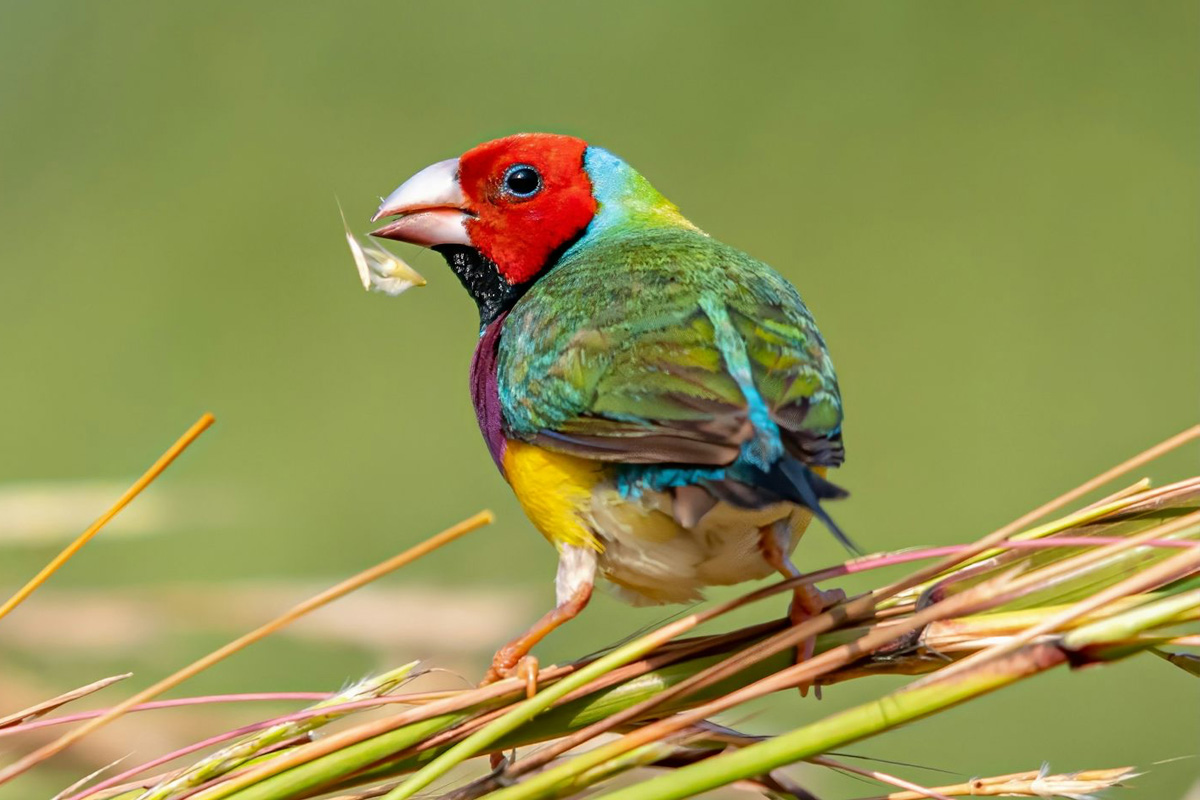
Gouldian Finch, François Brassard

By Euan Ritchie (Professor in Wildlife Ecology and Conservation, School of Life & Environmental Sciences, Deakin University), Brett Murphy (Professor of Ecology, Charles Darwin University) and John Woinarski (Professor of Conservation Biology, Charles Darwin University).

This article is republished from The Conversation under a Creative Commons license. Read the original article.

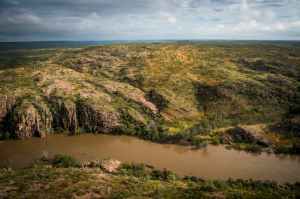
The Top End of Australia’s Northern Territory contains an extensive, awe-inspiring expanse of tropical savanna landscapes. It includes well-known and much-loved regions such as Darwin, Kakadu National Park, Arnhem Land and Nitmiluk Gorge.

Australia’s tropical savannas are diverse and dynamic, shaped by fire and the cycle of wet and dry seasons. Brett Murphy

These tropical savannas feature open forests and woodlands dominated by eucalypts and a diverse grassy understorey. They experience an intense monsoon-driven wet season and long dry season during which fire is common.

The area is home to a spectacular range of plants and animals, including crocodiles, barramundi, speartooth sharks, the spectacularly coloured Leichhardt’s grasshopper and flocks of magpie geese. Some groups are extraordinarily diverse. Several thousand ant species are thought to live there – compared to just 1,000 species in South America’s Amazon basin.

Yet, despite their immense ecological and cultural significance, the NT’s tropical savannas face an uncertain future. The landscape is under increasing pressure from invasive species, more frequent and severe fires, climate change, mining, agriculture and development – including water extraction.

Our new report outlines what should be done to ensure conservation and sustainable management of this unique and special region.

A region in trouble

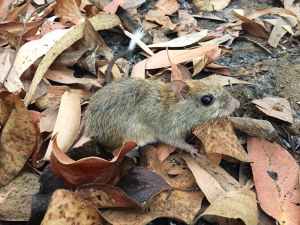
Species such as the brush-tailed rabbit-rat have declined substantially and are now locally extinct in some areas. Cara Penton

As ecologists, we share a deep passion for tropical Northern Australia but fear for its future. To aid environmental policy and decision-making, we set out to describe the current condition and likely future of the NT’s tropical savannas. This involved identifying existing, emerging and possible future threats.

We found biodiversity in decline. Many species, particularly mammals that were once common and widespread, have disappeared from much of the region. These include the northern quoll, brush-tailed rabbit-rat and black-footed tree-rat.

In many parts of the Top End, fires are becoming more frequent and severe. This is in part due to the increasing dominance of invasive grasses, particularly Gamba and buffel grass. Both grasses are highly flammable, increasing the risk and harm of fires.

Longer and hotter dry seasons also increase fire risk and severity, as well as making water less available to wildlife due to higher rates of evaporation. Plants and animals also face greater heat stress and risk of dying during extended periods of extreme temperatures.

The changing nature of land-clearing

The Top End is spectacular and rich in biodiversity. François Brassard

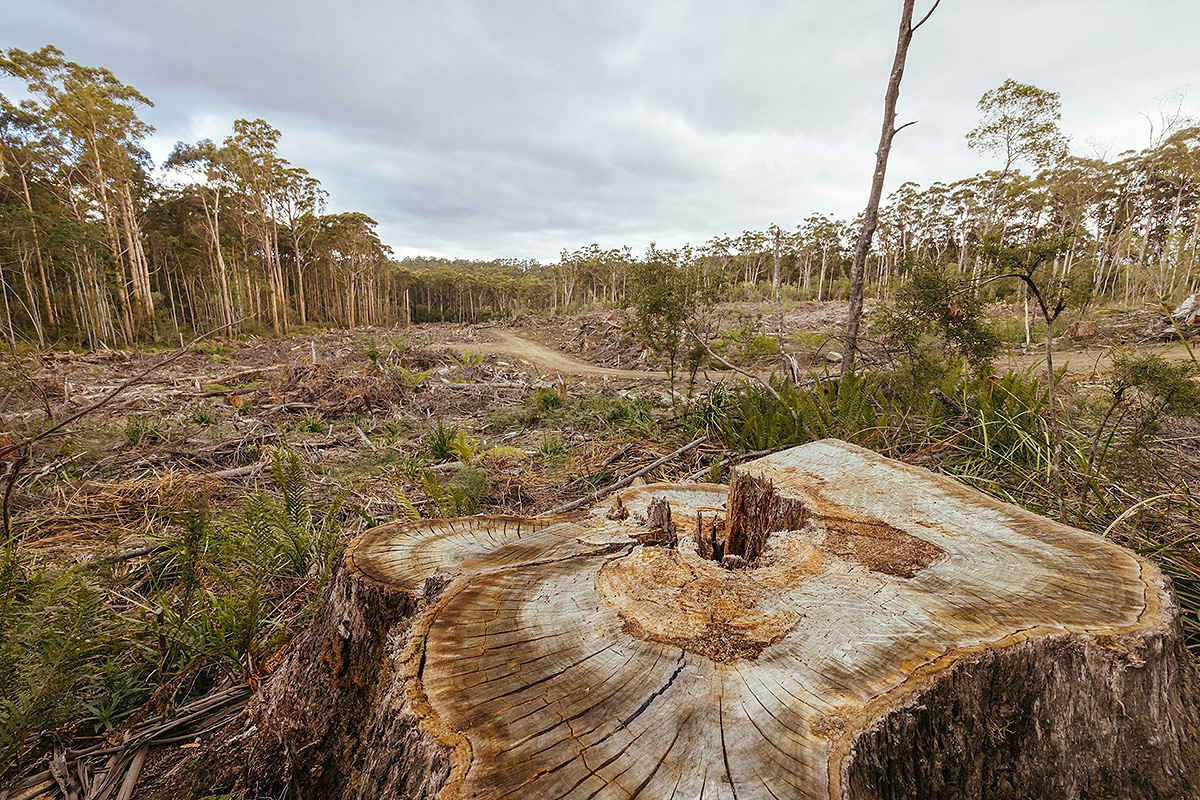
Land-clearing is increasing in the Top End, too. We estimate about 45,000 hectares of savanna habitat was destroyed between 2000 and 2020. That’s equivalent to an area roughly the size of 22,500 Melbourne Cricket Grounds.

Another 146,000 hectares have approval to be cleared, and an additional 100,000 hectares could be cleared for an expanded cotton industry.

It is not just the amount of clearing that matters, but where it occurs. The habitat mainly destroyed to date has been in higher rainfall areas between Darwin and Katherine. This is where most threatened species live. On average, the cleared areas overlapped with more than 12 nationally listed threatened species.

What should be done?

The Top End is awe inspiring but without greater enviromental protection its many values may be diminished. François Brassard

Our report shows current laws are insufficient to protect the Northern Territory’s tropical savannas. Evidence-based law reform is urgently needed.

Decision-making must be collaborative, not controlled by individuals, based on sound science. It must also actively support and involve First Nations peoples and their goals.

The situation in the NT reflects broader calls to strengthen national environmental laws as a matter of urgency and greatly boost investment in conservation to achieve positive results for nature.

Nature is the lynchpin of northern Australia. It characterises and nurtures the place, underpins and embraces Indigenous culture, is a major tourist attraction and helps make our country healthy. We need to recognise its value, and guard against its ongoing loss.

Our report was independently reviewed by experts in the ecology and conservation of Northern Australia, Professors Richard Williams and Christopher Johnson.

The Conversation
Categories
Media Science communication

The Conversation: Out of alignment: how clashing policies make for terrible environmental outcomes

Hanna Taniukevich/Shutterstock

By Euan Ritchie (Deakin University) Catherine Lovelock (The University of Queensland) and Sarah Bekessy (RMIT University).

This article is republished from The Conversation under a Creative Commons license. Read the original article.

Policy alignment sounds dry. But think of it like this: you want to make suburbs cooler and more liveable, so you plant large trees. But then you find the trees run afoul of fire and safety provisions, and they’re cut down.

Such problems are all too common. Policies set by different government departments start with good intentions only to clash with other policies.

At present, the Albanese government is working towards stronger environmental laws, following the scathing 2020 Samuel review of the current Environment Protection and Biodiversity Conservation Act. The review noted planning, funding and regulatory decisions are “not well integrated or clearly directed towards achieving long-term environmental sustainability”.

Stronger laws are not a standalone answer. We must find ways to align government policies far better, so progress on one front doesn’t lead to a setback elsewhere. As the government prepares to announce once in a generation changes to our main environment laws, it must find ways to reduce these clashes.

Nature vs cities

All levels of government have policies aimed at increasing canopy cover and biodiversity in cities. How hard can it be to plant trees?

The problems start when you look for places to actually plant street trees. It’s common to encounter a wall of obstacles, namely, other policies and regulations. Fire prevention, human safety, visibility for road traffic and provision of footpaths and carparks are often legally binding requirements that can stymie this seemingly simple goal.

Most cities in Australia are now actually losing canopy cover rather than gaining more.

On the biodiversity front, urban sprawl is pushing many species and ecosystems to the brink of extinction.

What should we do when threatened species protection conflicts with new housing developments? Rusty Todaro/Shutterstock

Last year, conservationists rediscovered the grassland earless dragon on Melbourne’s grassy western fringes, which we had believed was extinct. Now we had a second chance to save it, in line with the Australian government’s pledge to stop extinctions.

The problem? The grasslands where the dragon was found near Bacchus Marsh, just outside Melbourne, are zoned for housing. Only 1% of the grasslands ecosystems suitable for these reptiles is still intact, and much of it has been earmarked for housing.

From a housing point of view, the continued existence of the dragon now threatens plans for 310,000 homes.

If we had better policy alignment, we would look to achieve both goals: protect the dragon and build more housing through methods such as building sustainable midrise developments in established urban areas.

Protecting the reef while exporting LNG

Meanwhile, the Great Barrier Reef is bleaching again, the fifth bout in just eight years.

Almost all the extra heat trapped by greenhouse gases goes into our oceans, triggering marine heatwaves and bleaching. If the world’s largest living structure bleaches too much, it will begin to die, threatening its rich biodiversity, cultural heritage and industries such as tourism.

On the one hand, Australia wants to protect the reef and has funded efforts to boost water quality.

A LNG carrier departs the port of Gladstone, on the southern Great Barrier Reef. The cargo it carries will, when burned, trap more heat and lead to more bleaching of the reef. Ivan Kuzkin/Shutterstock

But on the other hand, supportive government policies contribute to our recent emergence as a top exporter of liquefied natural gas, which is 85–95% comprised of the potent greenhouse gas methane. Land clearing in the catchments of rivers which flow to the reef is ongoing due to policy loopholes, which adds more smothering sediment, nutrients and pollutants to the reef’s woes.

The shipping sector only has to abide by a voluntary code to avoid invasive species arriving in the ship’s bilge water, even though they could be carrying the tissue loss disease devastating reefs in the Caribbean and Florida.

Renewables versus biodiversity

Calls to fast-track clean energy projects and stop them being held up by environmental approvals are risky. We could tackle one crisis (climate change) by making another worse (biodiversity and extinction).

Australia has destroyed nearly 40% of its forests since European colonisation, with much of the remaining native vegetation highly fragmented. Because this clearing has already happened, it should be entirely possible to build renewables without damaging the homes of native species.

In fact, we can do better – we can take degraded farmland, build solar on it and restore low-lying native vegetation around it to actually boost biodiversity. Requiring new renewable projects to be nature positive would encourage creative approaches to delivering infrastructure while benefiting nature.

Solar versus nature? Why not solar and nature. FenrisWolf/Shutterstock

Policy clashes abound

There is, sadly, no shortage of examples of clashing policies:

Why the lack of alignment?

For politicians, the environment ministry is often seen as a poisoned chalice.

Within government, departments often pull in different directions. When resource and agriculture plans conflict with environmental concerns, it’s not hard to guess which side tends to win. Case in point: the recent plans to remove gas project oversight from environment minister Tanya Plibersek in favour of resources minister Madeleine King.

How can we make policies work together better for the environment? Governments should sift through all relevant policies and regulations to make sure nature-positive approaches are embedded. Requiring development proposals to benefit nature would go a long way to reducing environment-economy conflict. After all, most businesses are now looking into ways of becoming nature-positive.

Too often, environment policies are seen as opposed to those promoting the economy, jobs and industry. But they don’t have to clash.

Tremendous opportunities exist for a safer, more sustainable future, if we address current causes of friction and take a big picture approach to how we develop our policies.

The Conversation