Categories
Science communication

Belinda Christie: Increasing the success of conservation outcomes

Guest blogger: Belinda Christie

I often ponder why, when we have so much scientific information about how our natural environment is deteriorating and more importantly what we can do to reverse it, does so little change? In fact it’s rapidly getting worse.

Perhaps it’s not just about what we (including scientists) know but just as importantly what we value, and how do we increase and improve the connection between information, values and actions?

Deakin University PhD candidate and guest contributor Belinda Christie offers some interesting thoughts.

Recently, I attended a public forum in Melbourne. After the forum ended, the queues forming behind the food stalls grew quickly. As I waited for my cuppa, I noticed one of the forum’s guest speakers placing his lunch order. He was a marine biologist, who just a few minutes earlier, had presented evidence for the need to increase the number of Australia’s marine national parks. I was surprised, perhaps naïvely, when I heard him order a tuna roll. Was I now more, or less, convinced by the evidence he had presented? I wasn’t sure.
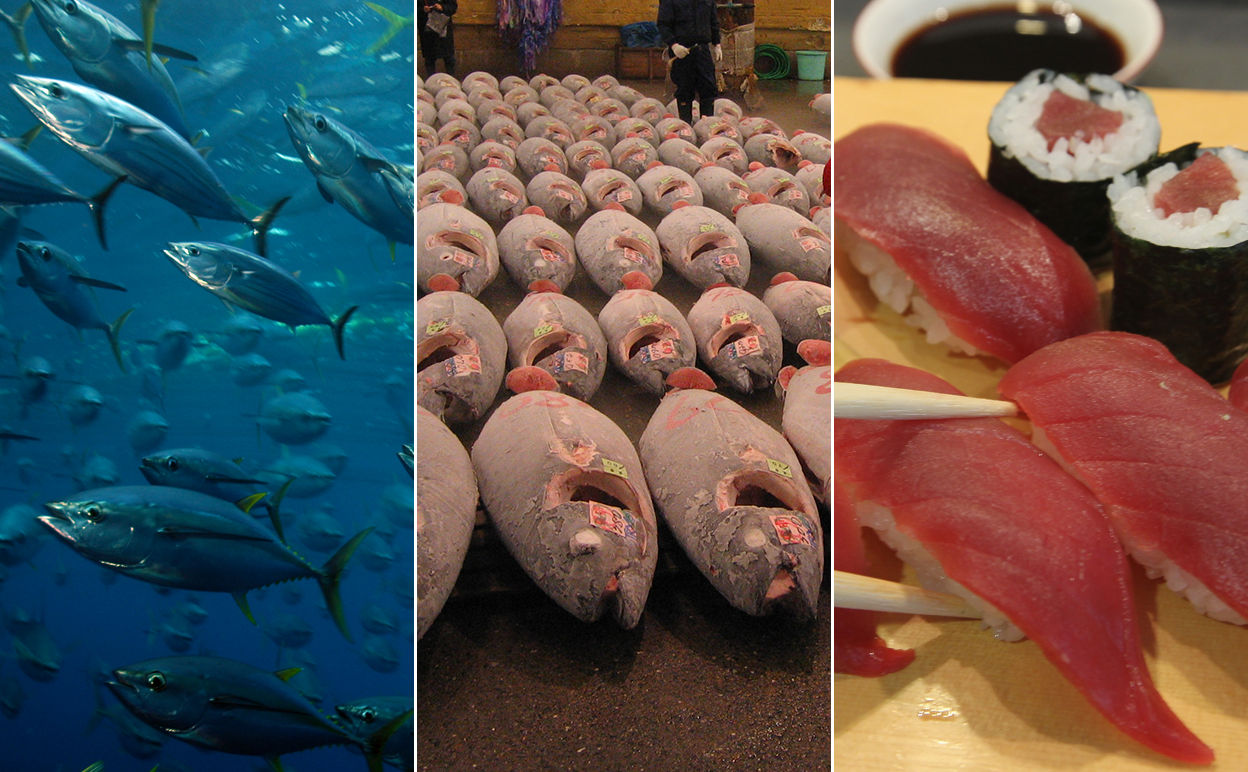
When a marine ecologist orders tuna sushi...
When a marine ecologist orders tuna sushi we might start to examine the connection between the science we teach and the science we practice.

Our daily experience provides many examples of this disconnection between the professional and the personal: the smattering of nurses standing outside the hospital smoking, the personal trainer welcoming clients at the gym while snacking on a bag of potato chips, the academic writing an article about sustainability while sitting with the heater blasting in her very draughty office. There is often a disconnection between working and living the lessons of our professions. This disconnection is of particular importance in environmental science.

There is a common, but misleading, assumption made by both academics and the public that environmental sustainability ‘belongs’ to the sciences, and so, the belief follows, that students of the environmental sciences already learn much about environmental sustainability. We assume that environmental science students learn about the social and economic aspects of their field. We assume they learn about carbon footprints and sustainable lifestyles. We also assume that all ecologists, environmental managers and conservation biologists received such an education.

Research suggests otherwise. Recent research has shown that of all the disciplines, academics from the sciences are the least supportive of environment and sustainability education for all university students, rarely teach these issues in their own classes and have the most difficulty articulating the meaning of sustainability. While environmental science academics might spend time teaching their students about environmental policy and management, few actively educate their students for sustainability by cultivating the knowledge, skills and values to contribute to a more sustainable society.

But what would be the effect if all those studying environmental science courses were intentionally, and explicitly, educated for sustainability? Would this influence the success of future conservation outcomes? Would this effect be positive, negative or somewhere in between?

The answers to these questions probably hinge on your view of the purpose of science itself. You may fear that conservation recommendations will not be taken seriously unless they come from a seemingly neutral, detached and passionless scientist. You may feel that those recommendations should be, as much as possible, removed from politics, public sentiment and cultural context, so they can be seen as ‘objective’ and beyond influence.

Conversely, you may feel that perhaps the public, industry and politicians would be more likely to support a scientist’s recommendations if they are seen to follow their own advice and are a passionate advocate for change. You may feel that conservation recommendations should be aligned with the current political, economic, social and cultural landscape of the community, so that the recommendations are more likely to be accepted.

You may feel, like many others, including some of our best known and most influential scientists, that it is wise to occupy the ground between the two extremes.

Some years ago I was involved in a program which intended to decrease the occurrence of wildlife poaching in Ecuador’s Amazon rainforest. While it was informed by conservation recommendations from biologists and ecologists, the program was largely unsuccessful. The recommendations had failed to cater for the entrenched economic and cultural practices of the local community – the use, and trade, of traditional medicines harvested, often fatally, from wildlife.

While considering the social and economic context of conservation recommendations is already well practiced by many, it wasn’t until the biologists, ecologists and volunteers who had designed the program, publically pledged to adopt the recommended sustainable behaviours personally, and stopped using medicines derived from wildlife, that poaching in the area started to decrease. Without this element of ‘social diffusion’, or peer influence, the program may never have been successful. Had those biologists and ecologists learnt about sustainable living practices within the context of their own culture during their undergraduate education, perhaps the program would have been more influential earlier on.

Educating environmental science students for sustainability however, should be evidence-based, rigorous and preserve the integrity of research. It should take heed of the concerns of those who warn educating for a purpose is akin to indoctrinating students. It can do this by encouraging deep critical reflection so students can learn to assess the concept of the sustainability itself. Doing so can, and should, move an environmental science degree beyond merely providing a professional qualification, to inspiring students to lead by example and to make a measurable difference in their world.

I like to think that if the marine biologist at the forum received such an education, perhaps he would have skipped the tuna roll, and I wouldn’t have been left questioning his conservation recommendations.

Categories
Science communication

Twitter: revolutionising scientific communication one hashtag at a time

Twitter is uniting scientists and science communicators one hashtag at a time.

Social media platforms, such as Twitter, have revolutionised the ability of scientists to communicate and engage with the public and, indeed, also amongst themselves.

It’s quite staggering and indeed wonderful to see how many scientists (new tweeps) are jumping on board each week. Twitter now supports a massive on-line community of researchers with ‘member’ numbers that dwarf even the biggest of professional and more traditional societies. Viva la revolución! And if you’re still not convinced social media is for you, just take a look at this infographic as further evidence why you should be.

Infographic: Twitter’s Role In Science Publication And Communication. Image credit: Catherine Pratt via katiephd.com and visual.ly. Click for a larger version.

One question I’m often asked about Twitter is: where do I start? It is indeed a deep, deep ocean of conversations and it’s easy to feel overwhelmed by this. So where are the people and discussions you want to know about as opposed to the ones it’s best to avoid? Well, one of the great features of Twitter is hashtags. Hashtags serve as permanent and searchable records; ‘libraries’ of topics of interest. So if you want to know the answer to that burning question: what’s the difference between a pigeon and a dove, than you might do best to check out and post your own message on #ornithology. Of course having said that I’m yet to hear a convincing answer for that question! But it is remarkable how quickly questions on Twitter are answered, often it’s a matter of seconds, and in my humble opinion it’s now approaching being a more powerful and reliable source of information than Wikipedia. Indeed questions and their answers are often subject to a form of rigorous, real-time peer review. But if you care not for birds, and statistics is what really gets you out of bed each day, take a look at #rstats. Personally, I think one of the best features of hashtags is their ability to establish ongoing support groups. So if for instance you’re struggling with your PhD and need a little advice or just a friendly pep talk consider jumping on #phdchat.

So having sold the virtues of Twitter and the use of hashtags, here are some of the most common ones I know of, grouped into broad themes. I haven’t explained in detail what each one is as diving in and exploring for yourself is part of the fun. My list is not meant to be exhaustive, nor is it in any particular order of importance or popularity, so please post any good ones I’ve undoubtedly missed in the comments section. Having said that, please only suggest ones that are science-related. I’ll then collate and update my hashtag list and post it on my blog at a later date.

Science communication and public outreach

Environmental policy discussions

Help with statistics and geographic information system (GIS)

And to finish with and prove that scientists are not boring people, but instead very witty and even at times charming, romantic people, check these out!

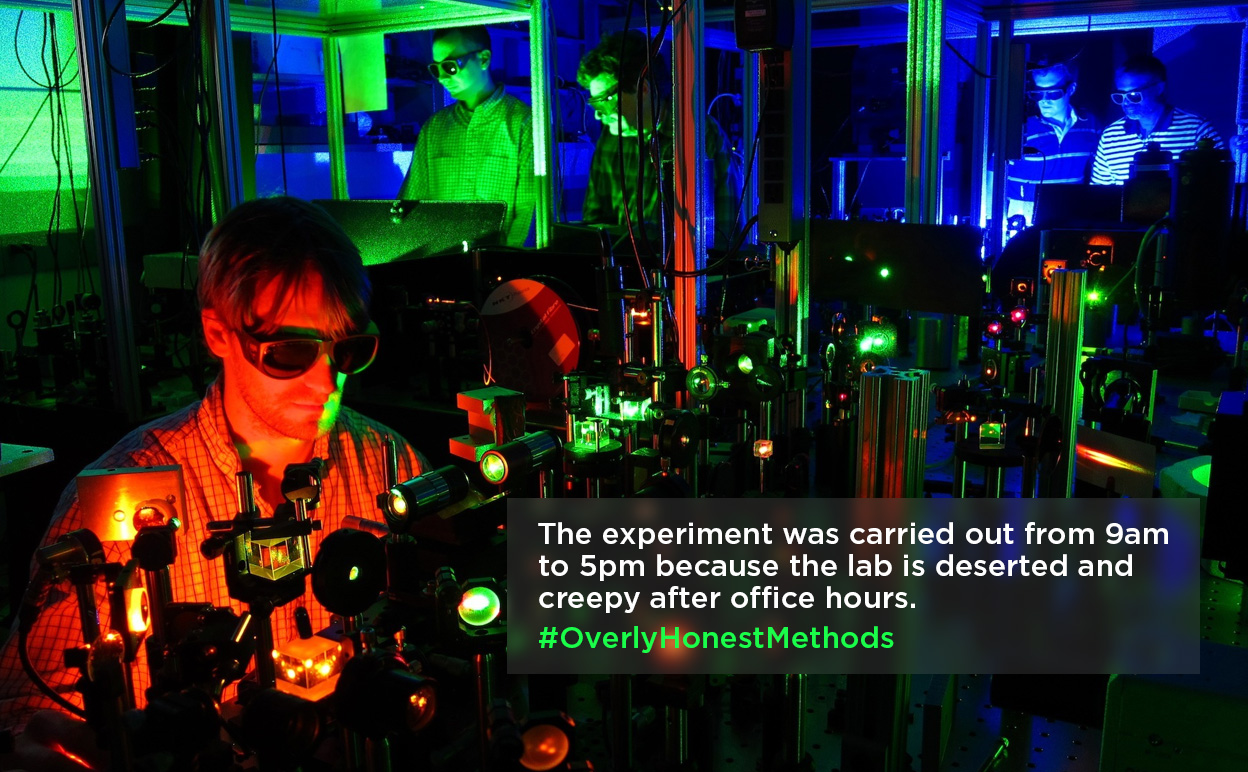
Researchers worldwide are coming clean with the hashtag #OverlyHonestMethods
Categories
Research

Billy Geary: Big Desert Adventures

This post is written by Honours student, Billy Geary.

Since settlement times, Victoria’s Mallee region has captured the public imagination. Upon digging up old newspaper articles documenting early expeditions to the region, tales of ‘tiger cats’ hell bent on attacking people, and medium-sized marsupials (e.g. bettongs and bandicoots) in apparent plague proportions, are common. Over time, these bush yarns have only enhanced the region’s mystique and reputation as somewhat of a wild frontier.

Could this be?
Could this be the fabled fearsome tiger cat? Actually, no, it’s just a tiger quoll. Image credit:  JJ Harrison [CC-BY-SA-3.0] via Wikimedia Commons (modified)

In the years since, the area has experienced considerable environmental change. Surrounding large but fragmented patches of remnant Mallee now contained within national parks and state forest, wheat cropping and sheep farming abound. Importantly, fire is now a very common and heavily managed process that strongly influences the local native flora and fauna. Coupled with this, the influx of feral species such as foxes, cats, rabbits and goats has seen many native species decline or disappear all together. Significantly though, the region’s large parks still preserve some of Victoria’s most remote, majestic and largely untouched country.

These parks, including the Big Desert Wilderness Park, still hold that sense of wonder that is reported so frequently in the literature of the 1800s and early 1900s. There’s nothing quite like driving over the crest of a sand dune and being blown away by the sheer vastness of the landscape around you. Or, the sense of wonder instilled by a night sky completely unaffected by light pollution. These two experiences do a fantastic job of instilling a sense of just how remote and wild this region of Victoria remains.

Once upon a time quolls and dingoes appeared to rule the Big Desert / Wyperfeld region from the top of the food web. It’s now a slightly different storey, but no less intriguing.

The majestic Big Desert night sky makes for fantastic pondering. Image credit: Robert Geary.

This is where my research comes in, just how do invasive mesopredators (feral cats, red foxes) interact with an existing apex predator (dingoes or perhaps wild dogs)? And how well do these mesopredators deal with the challenges this semi-arid environment throws at them, in particular fire? The overarching school of thought in Australia is that our feral mesopredators respond positively to fire events, as it greatly reduces the effort required to seek out and kill prey. However, can the presence of a top predator mediate this response to fire through a reduction in cover available to the mesopredators themselves? Do predators themselves become prey, the hunters the hunted?

Given the ongoing trend of increasing fire frequency and intensity across our continent, the one-two punch of changing fire regimes and feral predators (particularly feral cats) is quite a frightful proposition for our native critters. As such, teasing out the interactions between the Mallee’s predators, their prey and the ecosystems in which they live is quite an important proposition. Indeed, it makes for something good to ponder whilst gazing at a beautiful Big Desert sky after setting up camp.

So, what do we know so far?

Having just brought in the first third of my camera traps, amongst some amazing images of other critters, it appears that foxes, cats and dogs are all well distributed across the Big Desert. For dogs and cats, there’s also considerable variation in their appearance. We’ve got feral cats that look like the legendary Victorian black panther and others with stripes like tigers. There also appears to be canids in the region at both ends of the wild dog–dingo spectrum. To what extent these animals are similar ecologically remains to be determined.

In addition to this the small mammal community appears to be doing okay, with Mitchells hopping mice and silky mice fairly well distributed across the park. Same too for the larger residents, western grey kangaroos and emus, which seem to materialise out of thin air over each dune crest as we drove through the park.

With only a third of our 105 sites surveyed so far, there’s still plenty more the Big Desert and its array of species can tell us. In particular, I’ll be looking to work out what habitat preferences, if any, our three predators have across the landscape. Secondly, how our predators are interacting with each other across time and space. It will be particularly interesting to investigate any interactions between the local mesopredators and top dogs. We’re only just beginning to scratch the surface of the Big Desert’s secrets, and that’s perhaps the most exciting part.

Work in the Big Desert is never a dull affair. Image credit: Robert Geary.

While it is a long, long drive to the Big Desert from Melbourne, it’s hard not to be arrested by the notion of just how much is yet to be explored there. Because who knows: just maybe there’s still a giant tiger cat lurking out there, somewhere.

Categories
Media

Radio National Bush Telegraph: More hunting on the cards?

Victorian Agriculture Minister, Peter Walsh, claims hunting is the state’s second biggest tourism money earner and he wants spend nearly $18 million to lure more hunters from interstate and overseas.

While I’m not against the idea of hunting per se, I’m concerned about justifying hunting as a conservation tool.

Shooting fast-breeding feral animals such as rabbits and foxes is unlikely to have much impact on overall numbers — they reproduce far too quickly.

The evidence for successful ‘conservation hunting’ is fairly weak.

Transcript available via the ABC website.

Categories
Media

ABC Radio: Hunting industry’s environmental value questioned

As state Minister for Agriculture, Peter Walsh, unveils new plans to market Victoria as a game hunter’s mecca, the debate about so-called ‘conservation hunting’ continues.

hjjhg
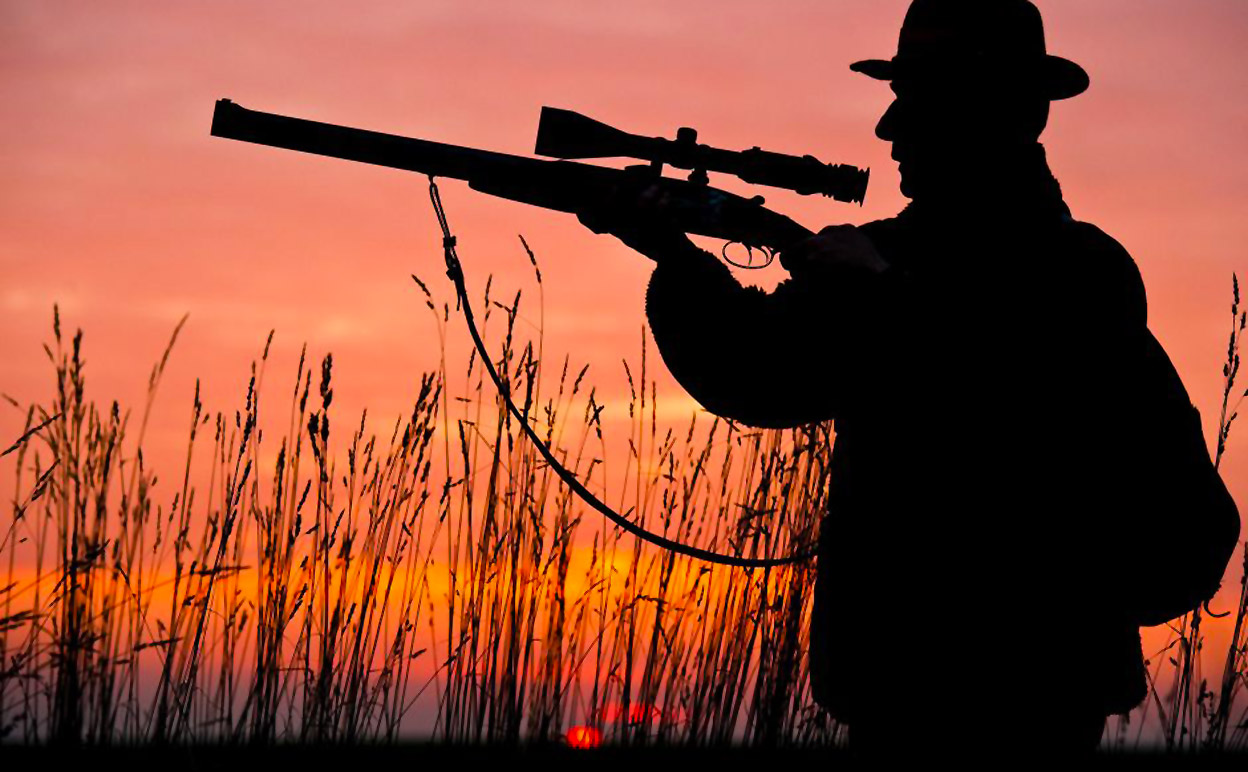
The environmental benefits of hunting are often overstated. Photo credit: AFP, Patrick Pleul

Many conservation biologists, including myself, generally see trophy-hunting as a potential option for generating income for conservation.

But, the environmental benefits of hunting are often overstated. Hunting, in many areas, can actually have counter-productive effects. And focussing on bounty schemes and body counts just doesn’t work.

Read more or listen online

Categories
Media

The Project feature story: dingoes

Australia’s ‘native dog’ has a bad reputation, with farmers long having problems with their attacks on livestock. But some farmers are now finding a dingo-friendly approach is gaining better results.

jhjk
Farmers, conservationists and ecologists re-think Australia’s approach to dingoes on Channel Ten’s The Project.

In this 3-minute feature story on Channel Ten’s The Project, I add my voice to the dingo debate; how culling and baiting have been unsuccessful strategies, and why maintaining apex predators adds balance to our ecosystems.

Watch online at Tenplay

Categories
Publications Research

The influence of non-climate predictors at local and landscape resolutions depends on the autecology of the species

Authors: Donna B Harris, Stephen D Gregory, Barry W Brook, Euan G Ritchie, David B Croft, Graeme Coulson and Damien A Fordham.

Abstract

Species distribution models have come under criticism for being too simplistic for making robust future forecasts, partly because they assume that climate is the main determinant of geographical range at large spatial extents and coarse resolutions, with non-climate predictors being important only at finer scales.

We suggest that this paradigm might be obscured by species movement patterns.

To explore this we used contrasting kangaroo (family Macropodidae) case studies: two species with relatively small, stable home ranges (Macropus giganteus and M. robustus) and three species with more extensive, adaptive ranging behaviour (M. antilopinus, M. fuliginosus and M. rufus).

We suggest that Image credit blah
We used two contrasting kangaroo case studiess. Image credit: Nick Talbot / Department of Environment and Primary Industries via Flickr [CC BY-NC 2.0]
We predicted that non-climate predictors will be most influential to model fit and predictive performance at local spatial resolution for the former species and at landscape resolution for the latter species.

We compared residuals autocovariate – boosted regression tree (RAC-BRT) model statistics with and without species-specific non-climate predictors (habitat, soil, fire, water and topography), at local- and landscape-level spatial resolutions (5 and 50 km).

As predicted, the influence of non-climate predictors on model fit and predictive performance (compared with climate-only models) was greater at 50 compared with 5 km resolution for M. rufus and M. fuliginosus and the opposite trend was observed for M. giganteus.T he results for M. robustus and M. antilopinus were inconclusive. Also notable was the difference in inter-scale importance of climate predictors in the presence of non-climate predictors.

In conclusion, differences in autecology, particularly relating to space use, may contribute to the importance of non-climate predictors at a given scale, not model scale per se. Further exploration of this concept across a range of species is encouraged and findings may contribute to more effective conservation and management of species at ecologically meaningful scales.

Harris DB, Gregory SD, Brook BW, Ritchie EG, Croft DB, Coulson G, Fordham DA (2014) The influence of non-climate predictors at local and landscape resolutions depends on the autecology of the species. Austral Ecology PDF DOI

Categories
Uncategorized

Tina Thurburn: Crowd funding science research

With dollars for scientific research becoming harder and harder to get, many scientists are now turning to crowd funding as an option. Is this for everyone though and what do you need to know?

Today’s guest blog by Tina Thorburn has some answers but also poses many important questions.

You can read more from Tina about crowd funding here

Caption
Crowd funding is a bold and innovative means to acquire funding for scientific research. Guest blogger Tina Thulborn shares her recipe for success.

For years crowd funding has allowed musicians and artists to tap into the pockets of strangers. Through an exchange of promotion, sharing and ultimately pledging money, the average Joe can contribute to the pivotal exhibit of an emerging artist or a budding musician’s first album. More recently, scientists have added themselves to this list of successful crowd funders.

A year ago, a handful of Australian researchers at Deakin University reached out to the public to generate funds and awareness about their research. And fortunately for science, and Australia, they were successful.

But is crowd funding for everyone? After speaking to a handful of Australia’s first successful crowd funders in science research, I am pleased to report that like most things, there is a recipe for success.

List of key ingredients:

  • Research project idea
  • Marketing plan
  • Passion and enthusiasm
  • Hard work

Research project idea

As a researcher, you are in the privileged position of fully understanding your area of science, and the research questions you aim to address. However, it may be uncomfortable to comprehend, but your next-door neighbour, postman or mother-in-law, probably doesn’t know or even care about your line of research. Obviously, this is a huge overstatement, but my point is: when deciding on the research project idea, think outside of what you find engaging and critical to science, and go with a project that has pizazz and relevance to anyone and everyone.

There are examples of Pozible science research campaigns that have failed to include this crucial ingredient. Without it these projects have not been successful in raising funds. Remember, you are not selling your research project to an ASRC panel, but to the general public. But how do you get people reaching for their wallets?

Focus on the adjective that best summarises your research idea. If you have a research project idea that has contemporary relevance or implications for groups in society, then you have a ‘sexy’ research idea. Alternatively, you may have a conservation question that puts a cute animal at the centre of your ‘cuddly’ research idea. Whatever the adjective that best expresses your research project, ensure it not only encompasses your research, but is evocative.

Marketing plan

We no longer live in a world where having a good idea is enough. In an age where Facebook and Twitter are the norm, marketing plans and promotion are integral to the success of any crowd funding campaign.

Although some advocates have criticized crowd funding as a popularity contest, it seems that it doesn’t matter how many friends you have on Facebook, or how many followers on Twitter, but rather how you tap into the connections and networks you do have.

The marketing plan is closely linked to the last two key ingredients.

Passion and enthusiasm

There is no need to change your lab coat for pom poms, but it is essential that you are the biggest fan of your research idea. All the researchers I interviewed carried such enthusiasm in their voices, facial expressions and body language when talking to me about their Pozible campaigns. It was contagious.

Obviously, as a researcher you have dedicated much of your life and academic career to your area of science, but what is critical here, is for your passion to be easily gauged, and accessible to those that come across your crowd funding campaign. However, Australian culture dictates that garish attempts at self-promotion can sometimes be met with criticism. Unfortunately, that cannot be helped. Some of the researchers I interviewed shared with me that at times this was testing, but their fervour overcame the judgement of others, and in the end they succeeded.

Passion and enthusiasm are often well contained, but for a fruitful crowd funding campaign, these need to be tangible and sincere.

Hard work

If only it took a dash of marketing, a sprinkle of passion and a heaped teaspoon of a good research idea. Like many things a successful crowd funded science research project takes hard work.

All the scientists I spoke to worked tirelessly. Some focused on getting their research idea out to the groups that would be most affected; others were resolute in getting their research out into the realms of the general public. From the conception of the Pozible campaign, to the final donation, these successful researchers explored every avenue of communication and collaboration.

Some have said that this energy could be better put toward actually doing their research. However, I challenge that notion with a round of applause. These researchers are doing the commendable, and once unheard of action, of getting their science research into the public sphere. By engaging with their neighbours, postmen and mothers-in-law, these researchers have created a conversation that will continue as they continue to pursue their research questions.

Overall, crowd funding science research is a bold and innovative means to acquire funding. The pitfalls of popularity and the tall poppy syndrome await any scientist who chooses to go down this funding path. But in exchange, researchers get the rare opportunity to communicate and share with the public what they themselves dedicate their lives to: good science.

Categories
Q&A with an ecologist

Q&A with an ecologist: Associate Professor Ian Lunt

Next up in our Q&A with an ecologist series is Associate Professor Ian Lunt from Charles Sturt University.

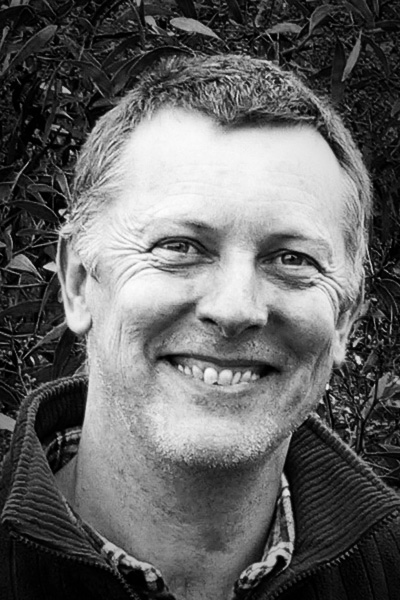
Ian Lunt
Ian Lunt

I’m a big fan of the way Ian goes about things. When you read his work and his wonderful blog  you’ll quickly realise he’s Australia’s ecological version of Sherlock Holmes. Instead of solving crimes, he pieces together information from a variety of sources to solve ecological mysteries, such as why habitats are structured in certain ways and appear the way they do, and what factors could be responsible? His research findings have significance for how we perceive and manage habitats today, but also for how we interpret ecological histories.

Most recently Ian has been terrific in promoting the importance of science communication and community engagement through his blog. He’s certainly one who inspired me to start this site and has encouraged me along the way, so thanks, and over to Ian…

1. What got you in to ecology?

I always loved animals and the bush. We used to go on family holidays to places like Little Desert and Wyperfeld National Park when I was a kid, and I’d wander off looking for birds and lizards. Later on I got more and more interested in plants and ecosystems. At uni, I was lucky to have a fantastic lecturer, David Ashton, who was the guru of wet forest ecology in Australia, and a tremendously inspiring person.

2. Why are you still in ecology?

I’ve been very lucky in my career, and moved from vegetation surveys and policy work in government departments into academia after I did my PhD. It’s a fantastic job — there’s always something new to read and learn, great places to visit, and wonderful people to work with. I love working with new students and colleagues, as everyone is always so enthusiastic about each new project.

3. What’s the best mistake you’ve ever made?

Failing first year zoology at uni — it was sooooo boring. After that disaster I concentrated more and more on plant ecology and was hooked for life.

4. What’s your favourite organism and ecosystem?

I’ve always loved working in small fragmented remnants. Each patch is different and it’s always a fun challenge to try to work out how all of the fragmented pieces fit together. Which differences are natural, which were caused by past and current management, which were caused by the process of fragmentation itself? Weirdly, I’ve always found big intact ecosystems much less exciting, even though they are often more scenic.

Favourite organism? I’ve still got a soft-spot for what John Morgan calls the ‘inch flora’, all the tiny species of native annual plants that make up the super-diverse grassy woodlands of western Victoria. They’re so small, cute and awesome.

5. What result has surprised you most in ecology?

I love the fact that you can rarely predict what the results will be in a survey or experiment. If you could it would all be so boring and predictable. Early on I got in the habit of writing down what I thought the results would be for each new study, and then hid them away. I’d then look at them again after it was all over, and was always astonished at how naive they seemed. The world is never as simple or straight-forward as we think.

6. What do you see as the next ‘big thing’ in ecology?

Same as the ‘last big thing’ – great research on good questions, whatever they may be. The diversity of topics and approaches is a key attraction of ecology, so all contributions are important. Always beware of one-dimensional people who tell you there’s one big important question. By coincidence that question always happens to be the topic they work on.

7. What advice would you give to someone starting out in an ecology-based career?

Always remember why you chose this career initially – you love nature, you want to save species and ecosystems, you love working with local communities, whatever. As time goes on it’s easy to get waylaid, buried in busywork, and lose sight of why you started off down the path. Whenever things get tough, at work or in life in general, sit on a rock, walk along a beach or climb a big tree, and remember why you love nature – it’s awesome. Then go directly to question 12.

8. If you had 10 minutes with a decision-maker what key message would you give them?

Think long term and remember why you too started in your career. We can all make a big difference if we focus on the hard, long term decisions, not the minutiae of the moment. It’s possible that things may end up bad, but they’ll be much worse if we don’t work together on them.

9. What’s your favourite field food?

Rice. Where would we be without it?

10. What’s the best popular book you’ve read?

Oooh, long term memory lets me down again. At the moment I’m really into listening to podcasts while I take the dog for a long walk every night. Everyone should listen to Radiolab, This American Life, and everything on the Radiotopia podcast site, they are all fantastic story tellers.

11. What’s the most important scientific paper you’ve read?

There are too many fantastic papers to pick one as being ‘most important’. But the paper that really made things click for me when I was young was in a really tiny journal from the USA and was called, ‘Just a few oddball species: restoration and the rediscovery of the tallgrass savanna’ by Steve Packard. I wrote a blog post about it, 25 years after I read it, and through a miracle of social networking, received a reply from Steve Packard (who I’ve still never met) within 24 hours, which was pretty mind-blowing. I called the blog ‘Steve Packard was my Steve Jobs’, which pretty well sums up the importance of the paper for me. 🙂

12. What’s the best piece of advice you’ve been given?

Never give up. Ever.

13. What’s your most interesting/funny field story?

That would probably be the time I drove to a field site just west of Melbourne for a short day trip, and then thought it was way too nice a day to dig soil samples, so kept driving until I ended up at Sturt National Park in far western NSW a week later. If the car radiator didn’t leak I probably would have gone further. I came back a couple of weeks later. It was a wonderful trip.

14. If you weren’t an ecologist what would you be doing?

I have no idea. I’m sure it would be fun though.

15. Who will win this year’s AFL grand final?

There’s only one choice: the Dons. Our drugs are way better than yours.

Categories
Q&A with an ecologist

Q&A with an ecologist: Professor Mick McCarthy

It’s Mick’s turn in Q&A with an ecologist.

I’ve admired Professor Mick McCarthy’s work for quite some time, because of the rigorous quantitative and often novel approach he takes to ecological research and environmental management.

Last year we even got to work together on a couple of things, further testament to combining the powers of social media and science!

We’ll forgive Mick for being a Bombers supporter and I must freely admit I am just a wee bit jealous that he’s recently had a species named after him.

1. What got you in to ecology?

I’ve always liked the natural world. Apparently I used to play at the back door with (and get stung by) wasps that would come into the house after feeding on rotten apples in the garden. Camping at Wyperfeld, and looking for animals and plants there (and bones, I was mad keen on bones as a kid) sticks in my memory. So, after getting over the adolescent wish to be a fighter pilot, I leaned toward something in nature. I did a forest science degree, but decided production forestry was not for me. Mark Burgman, who supervised my fourth year research project, suggested I do a PhD on population viability analysis of helmeted honeyeaters. Before I knew it, I was in ecology.

2. Why are you still in ecology?

I enjoy it. I can’t think of a better job. The research, teaching and engagement (and even some of the admin) is fun, but the real clincher for me is the people I work with; they are excellent.

3. What’s the best mistake you’ve ever made?

Whenever a student chats to me about doing a research project, I always tell them to shop around. They should investigate who in the world, within the realm of what is personally possible, would be the best supervisor to do the research that they want to do. Then they should find out what that person is like as a supervisor, figure out if that person’s supervisory style suits them, and find out the range of outcomes for their students. I made the mistake of not checking out any of these things, so I got incredibly lucky to end up with a great supervisor in Mark Burgman.

4. What’s your favourite organism and ecosystem?

It is hard to go past mountain ash forests. As a forestry student in Victoria, you learn from day one that they are the world’s tallest angiosperm (and possibly had the tallest living tree at one point). I have worked on these forests on and off since, including a major effort with David Lindenmayer when doing a postdoc at the Australian National University.

For an organism, I really like cascade tree frogs, which I encountered when helping Kirsten Parris with some of her PhD fieldwork. The males’ call sounds like “Reeep pip-pip”. If you make the “Reeep” sound yourself, you can get the males to do the “Reeep” part of their call back to you. I imagine they are saying “Back off mate! This is my turf…”. Here I am, bordering on 190 cm tall, eye to eye with a frog smaller than my thumb, and it is telling me to back off… all class. Or all hormones. One of the two.

5. What result has surprised you most in ecology?

I think it is hard to go past some of the complexities that can arise from simple processes. The cyclic dynamics of simple predator-prey models come to mind; only very basic properties in predator-prey relationships are required to generate interesting cycles.

6. What do you see as the next ‘big thing’ in ecology?

If we knew that, we’d all be doing it now! I’m just going to mention a trend that I’d like to see. I think ecology should have a stronger experimental focus. Some of the most highly cited contemporary fields in ecology have very little experimental work — species distribution modelling, for example. Michael Kearney’s work, as it relates to species distribution modelling, is a notable exception. Other exceptions exist in other ecological fields. I saw a really nice experimental test of effects of inbreeding and population size on extinction by Tim Wootton at the Ecological Society of America meeting in 2012, and Chris Clements’ experimental protozoan communities to test extinction estimators is also nice.

I can see lots of opportunities for using experiments to test all sorts of different predictive and correlative models — I’ve even done some myself lately. I can’t really say experimental testing is “the next big thing”; after all, experiments have been part of ecology forever. And I don’t mean to imply that all ecological research should include experiments. But I’d be happy to see experiments used more frequently.

7. What advice would you give to someone starting out in an ecology-based career?

Have fun. Beyond that, identify how your skills and interests can be used to address unique questions, or answer questions in a unique way. In essence, look to fill vacant niches by using a rare combination of traits.

8. If you had 10 minutes with a decision maker what key message would you give them?

Right now, I would discuss with him/her the value of research for universities and society.

Research is clearly important for national innovation. But research also drives the international reputation of universities. Given selection of universities by international students is influenced strongly by reputation (and hence research), and education is one of Australia’s highest export earners (e.g., ahead of tourism and similar to gold), investment in universities is critically important for both sustainable innovation and competitiveness of this major export sector. And these export dollars are a fraction of the value of universities to the national economy via domestic education and innovation.

9. What’s your favourite field food?

Euan, I think you are asking the wrong person. But chocolate; definitely chocolate.

10. What’s the best popular book you’ve read?

To Kill a Mockingbird — empathy for the vulnerable, and courage to do what is right, not just expedient.

11. What’s the most important scientific paper you’ve read?

That’s a tough one! I’m going to take that as “Which paper has influenced your research the most?” Perhaps Bayes (1763)? The paper itself is quite hard work, especially when 18th century print represents many instances of the letter “s” as a character that looks like “f”. So I keep reading “in most cases” as “in most cafes” — let alone trying to read what at first looks like “fuch events”. And Price’s commentary that accompanies Bayes’ essay has some of the longest sentences in the history of humanity. However, the paper has fubfequently influenced many fields, not just my research.

12. What’s the best piece of advice you’ve been given?

Early during my PhD, I wrote some notes describing simulation results that investigated the influence of demographic stochasticity on extinction risk. Mark Burgman told me to work them into a journal article and submit it. That advice to publish throughout my PhD was less common then, but it really helped my career.

13. What’s your most interesting/funny field story?

Again, Euan, you are asking the wrong person. I’ll have to borrow from some field work that I did with Kirsten Parris again.

It is 2 or 3 o’clock in the morning, and we’re in the forest somewhere between Jimna and Kenilworth in southeast Queensland. This is a special part of the world. The biggest town nearby is Kilcoy. My favourite postcard from Kilcoy was an aggregation of five images: the sculpted yowie in Yoiwe Park; the Jimna fire tower (tallest of its type in the Southern Hemisphere at 47 m); sunset at Somerset dam; horse racing at Kilcoy; and the pièce de résistance — boning at the Kilcoy abattoir.

Anyway, we’re a fair way into the forest with the bright lights of Kilcoy an hour away, there’s heavy fog, the car is splattered with blood having just driven through a pile of guts where someone has recently killed a deer, and a guy pulls up driving the other way. We peer at him through the fog. It is atmospheric, to say the least.

“Have ya seen me pig dog, but ay?” he asks. “It went tearin’ off afta a boar this arvo and I never see it again.” No, sorry mate. We hadn’t seen any dogs. In our sleep deprived state, the whole combination of events was completely surreal. We drove on.

A few days later, we tell of our encounter to the forest managers in the barracks we are using at Jimna; the thought of that night still makes us laugh. The forest manager then tells us two things: Firstly, never stop at night for another car in the forest (the reason was anything but funny). And secondly, a pig dog turned up at the school camp just down the road. I hope it didn’t keep the kids too occupied.

14. If you weren’t an ecologist what would you be doing?

Well, I wouldn’t mind being an astrophysicist. I’ve got no idea if I would be good, but I think that would be really interesting.

15. Who will win this year’s AFL grand final?

As an Essendon fan, I’m claiming that you are bullying me to ask such a question, and I refuse to answer. And I’ll add that if Barry Brook doesn’t remove the hawk from his Twitter avatar soon, I’ll be forced to consider unfollowing him. 😉

Categories
Publications Research

Experiments in no-impact control of dingoes: comment on Allen et al. 2013

Authors: Christopher N Johnson, Mathew S Crowther, Chris R Dickman, Michael I Letnic, Thomas M Newsome, Dale G Nimmo, Euan G Ritchie and Arian D Wallach.

Abstract

There has been much recent debate in Australia over whether lethal control of dingoes incurs environmental costs, particularly by allowing increase of populations of mesopredators such as red foxes and feral cats.

Allen et al. (2013) claim to show in their recent study that suppression of dingo activity by poison baiting does not lead to mesopredator release, because mesopredators are also suppressed by poisoning.

We show that this claim is not supported by the data and analysis reported in Allen et al.’s paper.

Dingo-poison-1080
The management of dingoes is a highly conflicted and frequently emotional issue in rural Australia. Image by Peripitus [CC-BY-SA-3.0] via Wikimedia Commons. Skull and Crossbones icon by Jens Tärning [CC-BY-SA-2.0] via the Noun Project.
Johnson CN, Crowther MS, Dickman CR, Letnic MI, Newsome TM, Nimmo DG, Ritchie EG, Wallach AD (2014) Experiments in no-impact control of dingoes: comment on Allen et al. 2013. Frontiers in Zoology 11:17 PDF DOI

Categories
Media Research

ABC radio: Talking tenkiles with Stubbsy

I caught up with the ABC’s Richard Stubbs about tracking tenkiles, trekking the Torricelli ranges, the role of social media in science communication, crowd funding, conservation, carbon storage and much more besides. Have a listen.

Categories
Publications Research

Published: Differing impact of a major biogeographic barrier on genetic structure in two large kangaroos from the monsoon tropics of Northern Australia

Authors: Mark D B Eldridge, Sally Potter, Christopher N Johnson and Euan G Ritchie

Abstract

Tropical savannas cover 20–30% of the world’s land surface and exhibit high levels of regional endemism, but the evolutionary histories of their biota remain poorly studied.

The most extensive and unmodified tropical savannas occur in Northern Australia, and recent studies suggest this region supports high levels of previously undetected genetic diversity.

Macropus robustus, Image credit: David Cook Wildlife Photography[CC BY-NC 2.0] via Flickr
To examine the importance of barriers to gene flow and the environmental history of Northern Australia in influencing patterns of diversity, we investigated the phylogeography of two closely related, large, vagile macropodid marsupials, the antilopine wallaroo (Macropus antilopinus; n=78), and the common wallaroo (Macropus robustus; n=21). Both species are widespread across the tropical savannas of Australia except across the Carpentarian Barrier (CB) where there is a break in the distribution of M. antilopinus.

We determined sequence variation in the hypervariable Domain I of the mitochondrial DNA control region and genotyped individuals at 12 polymorphic microsatellite loci to assess the historical and contemporary influence of the CB on these species. Surprisingly, we detected only limited differentiation between the disjunct Northern Territory and Queensland M. antilopinus populations. In contrast, the continuously distributed M. robustus was highly divergent across the CB.

Although unexpected, these contrasting responses appear related to minor differences in species biology. Our results suggest that vicariance may not explain well the phylogeographic patterns in Australia’s dynamic monsoonal environments. This is because Quaternary envi- ronmental changes in this region have been complex, and diverse individual species’ biologies have resulted in less predictable and idiosyncratic responses.

Eldridge MDB, Potter S, Johnson CN, Ritchie EG (2014) Differing impact of a major biogeographic barrier on genetic structure in two large kangaroos from the monsoon tropics of Northern Australia, Ecology and Evolution PDF DOI

Categories
Media Publications

Herald Sun: Predators such as sharks essential for world’s health

Sharks are critical to keeping environments in balance. Image credit: Terry Goss [CC-BY-SA-3.0] via Wikimedia Commons
We have good reason to fear sharks and lions.

None of us wants to be an animal’s next meal.

And a number of recent fatal shark attacks in Western Australia have intensified the issue of human-predator conflict.

In response, the WA Government has introduced a shark cull to create “safe zones” for beachgoers – with the first killing on the weekend.

Thousands of people, including surfers, have since rallied against the move.

So what are the broader consequences of losing sharks and other large predators?

Landmark research in the international journal Science this month reviewed the conservation status and ecological roles of the world’s 31 largest carnivores.

Our study suggests that we should be greatly concerned about the ongoing loss of predators.

We studied lions, tigers, African wild dogs, leopards, cheetahs, wolves, lynx, otters, bears, hyenas and dingoes. The study spans all continents except Antarctica.

Alarmingly, roughly 75 per cent of all predators are declining and headed towards extinction.

So unless genuine and urgent efforts are made to conserve these animals, many of them could be gone for ever.

What happens when predators decline or, worse, disappear? In short, wherever we looked, we saw major environmental problems.

Research on Australia’s top predator, the dingo, tells a compelling story.

Over much of the continent, this native predator is shot and poisoned to protect livestock.

But science has now shown that by killing dingoes we make life easier for introduced foxes, cats, goats and pigs, as well as native kangaroos.

This has many impacts: most importantly the net loss of our native animals.

And in many cases, we actually lose more stock after killing dingoes. More sophisticated solutions to managing dingoes are available, like the use of livestock guardian dogs.

Globally, when top predators are lost, the number of mammals grazing on vegetation goes up, causing soil erosion, lower carbon sequestration and loss of habitat for native animals. Predators can also prevent the spread of disease.

In Africa, we are also seeing children forgoing an education to stay home and help their families protect crops from raids by rising numbers of Olive baboons, once kept in check by leopards and lions.

So what about sharks?

Like other top predators, they are critical to keeping environments in balance.

When large sharks are culled, numbers of rays and smaller fish species increase dramatically. Because these smaller species feed on commercially valuable fish, the economic impacts can be huge.

If endangered and legally protected species such as great white sharks are targeted and killed under government orders, we are surely within our rights to request a full cost-benefit analysis.

We need to make sure millions of taxpayer-funded dollars are not being wasted or even making things worse.

Persecuting sharks is not the answer. The management of any wildlife should be based on sound scientific evidence, not political rhetoric.

Clearly, predators have far-reaching ecological, economic and social benefits that are grossly underappreciated.

There is no doubt predators pose challenges, such as wolves attacking livestock and sharks attacking humans. But education and new management practices offer alternatives to culling.

When sharks were culled in Hawaii there was no long-term benefit because shark attacks occurred immediately after.

This is because many species of shark are migratory – some travelling thousands of kilometres. This means killing sharks in a local area only is doomed to fail.

Public education programs about sharks and installing shark exclusion nets is more sensible.

It is telling that many recent victims of shark attacks have come out to protest against the planned shark cull in WA.

Clearly, many people, including those most deeply affected, want smarter solutions to coexisting.

With all of this in mind, governments must find and encourage better ways for people and predators to live together. Failure to do so places us all at risk.

This post was originally published in the Herald Sun. Click here to read the original article, including reader comments

HeraldSun350x78

Categories
Q&A with an ecologist

Q&A with an ecologist: Professor Lesley Hughes

Next up in Q&A with an ecologist is Professor Lesley Hughes.

Lesley is best known for her work examining the impacts of climate change on biodiversity and ecosystems and is a member of the Climate Council.

Did you know Lesley has a strong affinity with wombats? I didn’t, read on!

Professor Lesley Hughes, Department of Biological Sciences, Macquarie University, NSW

1. What got you in to ecology?

I started out as an animal lover and keen natural historian. I just wanted to watch animals behaving. Somehow this morphed into community ecology once I got to university.

2. Why are you still in ecology?

The unbearable thought that climate change is going to wipe out so many species on the planet, and the hope that I can do something to save them.

3. What’s the best mistake you’ve ever made?

Saying yes when asked to be a Climate Commissioner. It took a huge amount of time but was also great fun. The Commission is now dead, long live the Climate Council!

4. What’s your favourite organism and ecosystem?

Wombats. I don’t study them but I used to have a pet one, they are extremely intelligent and have fantastic personalities. I also really like weevils because they’ve got such cute faces. I love rainforests (but just to look at, too uncomfortable to actually work in them), but will always have the softest spot for dry sclerophyll woodlands.

5. What result has surprised you most in ecology?

How quickly and sensitively many plants and animals have responded to fairly modest global warming thus far.

6. What do you see as the next ‘big thing’ in ecology?

I really hope that ecologists gets serious about climate change; not just as a ‘hook’ to try and get funded or published, but because it threatens our very existence.

7. What advice would you give to someone starting out in an ecology-based career?

Follow your passion (well I would say that, wouldn’t I?), but be prepared to take some chances and follow intriguing opportunities (see my ‘best mistake’, above).

8. If you had 10 minutes with a decision maker what key message would you give them?

See my answer to the next ‘big thing’, above.

9. What’s your favourite field food?

Can’t beat a really good sandwich and a thermos of strong espressso.

10. What’s the best popular book you’ve read?

Cannery Row, by John Steinbeck (added bonus, one of the main characters is a biologist)

11. What’s the most important scientific paper you’ve read?

Peters RL and Darling JDS (1985) The Greenhouse Effect and Nature Reserves. Bioscience 35:707–717 LINK

This paper, written nearly 30 years ago, set out the implications of climate change for conservation. If policy makers had taken sufficient notice of this paper back then we would be in much better shape now.

12. What’s the best piece of advice you’ve been given?

“Maybe climate change would be a good topic for a postdoc” — Mark Westoby, 1990

13. What’s your most interesting/funny field story?

My PhD fieldwork involved following ants around the bush; I used to attract them by putting out lines of tuna. Let’s just say that goannas really like tuna.

14. If you weren’t an ecologist what would you be doing?

Epidemiology always interested me, but I’m not good enough at stats. The economics of developing countries also always intrigued me. But sometimes I think that life would have simpler if I’d been a hairdresser.

15. Who will win this year’s AFL grand final?

I live in Sydney, am completely uninterested in sport, and don’t care. Sorry!

Categories
Uncategorized

Three Martins, one frog

Happy New Year everyone, I hope you’ve all had a wonderful break with friends and family.

As I fly over the breathtaking Rocky Mountains and depart California bound for Colorado, following a wonderful conference about predator-prey interactions (more on that soon!), what better time for a post?

Biodiversity means many things to many people. And beyond the functional and ecological importance of species, many of us share a deep and emotional connection with this planet’s organisms. EO Wilson’s famous Biophilia hypothesis elegantly summarises this relationship and is certainly well worth the read. But the fact that we are now losing so many of Earth’s species as a result of our impacts means that these connections are being severed at an alarming rate and we are all the poorer for it. Some may argue, but on a personal level nature brings meaning to life and this is why I’m doing what I do. Importantly, it’s not my intention to solely paint a picture of doom and gloom, there is much to celebrate still. As the following personal account by Angus (my father-in-law), Jen (my wife) and Rohan (my son) illustrates, there is enormous power and joy that comes from maintaining our connection to nature.

Three Martins, one frog

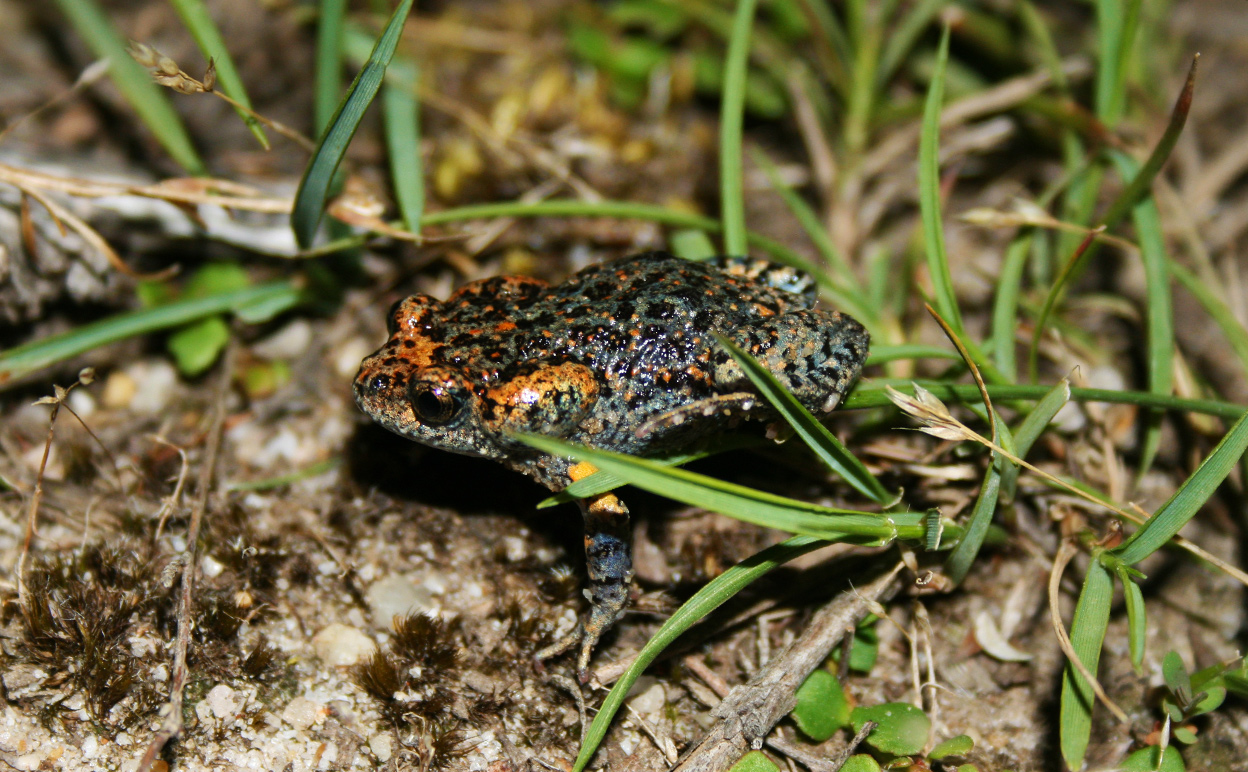
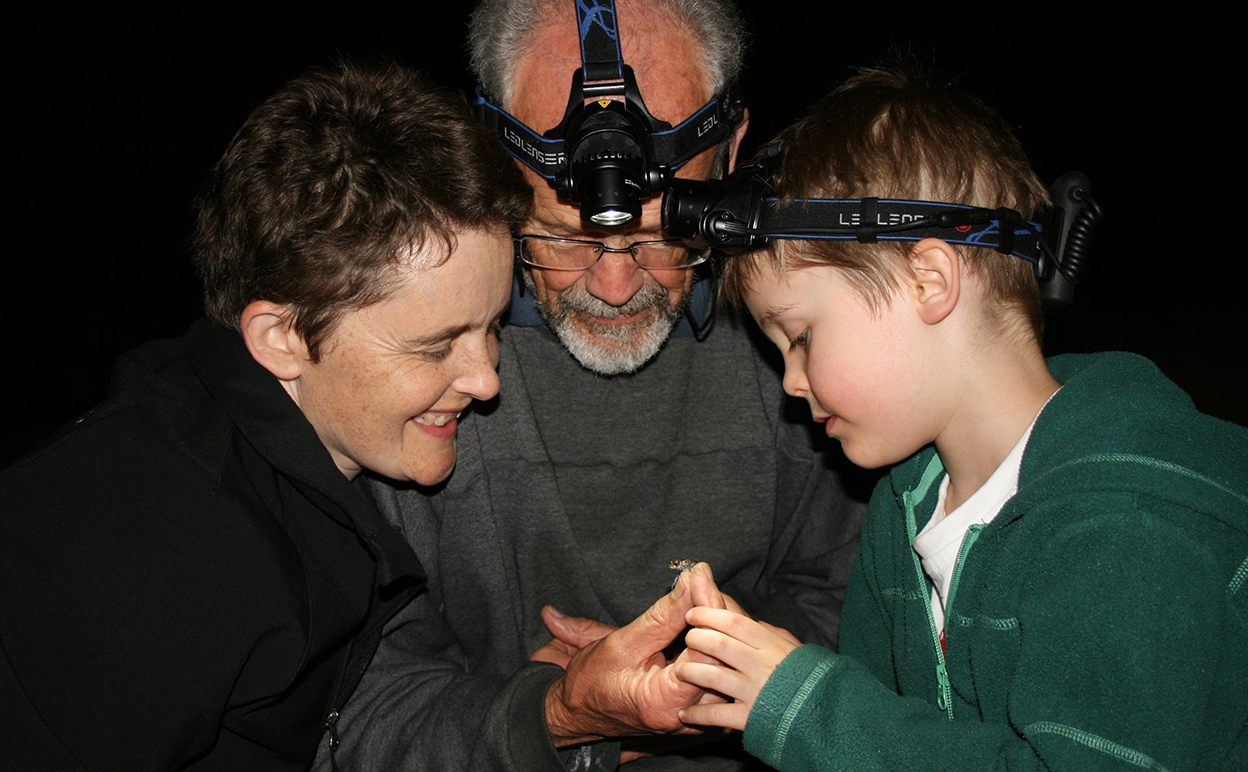
Angus: After a life-time of frog research, in 1986 I joined the honoured group of scientists who have had a newly-recognised animal species named after them. “My” species is a Victorian member of a widespread group of small Australian frogs called toadlets (they look like, but aren’t really, tiny toads). Meet Martin’s Toadlet, Uperoleia martini (pronounced, please note, mar-tin-eye, not mar-tee-nee.)

Uperoleia martini, Martin's Toadlet, is a very special frog.
Uperoleia martini, Martin’s Toadlet, is a very special frog.

Jen: I can clearly remember even as a primary school student thinking it extraordinary that my Dad had a species of frog named after him. It is something I have always been immensely proud of! I think it was at some point during my own undergraduate zoology days that I asked Dad more about it and discovered that he may never have actually met “his” frog. I resolved at the time to do something about that but amidst a PhD, academic job, marriage and having children, I never got around to acting on my idea.

Close to 20 years later, it took the death of a very close family friend in late 2013 for me to realise that time is precious and I needed to put my vague plan into action. I started making enquiries, and found out that the frog is now of great conservation concern — it had disappeared from a number of previously reliable monitoring sites. It was clear that if we were going to find one, we needed to do it soon.

Three Martins, one frog.

Angus: I hadn’t been aware of Jen’s feelings about Martin’s Toadlet, though I should have been, given that we have collaborated in lots of zoological work; that her husband Euan is also a zoologist and that their son Rohan, nearly six, gives every evidence of being a zoologist in the making, too. I was absolutely enchanted by her idea that we could share in a unique family moment of discovery — and fulfilment — if the three generations of Martins could together find, catch, celebrate and release a Martin’s Toadlet.

And that’s exactly what we achieved, on 18 December 2013. Jen realised that we’d need expert help to find a population of the species, and it was willingly provided by Nick, leader of the threatened fauna program in the state environmental research institute, and another Rohan, an ecologist resident in eastern Victoria. We met in the late afternoon at a spot nominated by Rohan the Elder: an old, well-vegetated fire-dam on a rough dirt track in a beautiful stretch of forest, a little under three hours drive from Melbourne. And there we waited while dusk slowly closed in: five people, ranging in age from a little under 6 to a little over 73, united by their enthusiasm, their respect for each other and for their surroundings and their sense of fellowship in pursuit of a shared goal.

Is that a frog call? — yes, but not the one we want — what about that one? — still no, but better get the headlamps ready — that’s four different calls we’ve heard now — wait! — five! – that’s the one! — very quiet, everyone — triangulate on the sound — I reckon I know where he is — I’VE GOT HIM! — can I hold him? — of course, very gently — cameras! — phones! — photos! — more photos! — enough? — OK, time to let him go — return him to the exact same spot — high fives! — bye-bye Toadlet.

Forming and maintaining connections.

Rohan (the Younger): That’s one of the best things that’s ever happened to me.

(And perhaps he was speaking for all of us).

Uperoleia martini: As we packed up for the journey home, the little frog began to call again.

Categories
Media

Science live chat: protecting the world’s predators

A live chat with Science journal associate editor, Sacha Vignieri.

In this 48-minute Google+ Hangout, we ask: what is it about large predators that makes them so important in ecosystems? How can we ensure their continued survival in a world with increasing human encroachment? And what would a world without predators look like if we fail?

Watch on the Science website

Watch on YouTube

Categories
Media

ABC: Decline of top predators a threat to ecosystems, scientists warn

ABC News’ Kate Brownlie-Smith speaks with Dr Mike Letnic about the survival of the world’s top carnivores and why it’s crucial for ecosystems they maintain.

Read the full article on the ABC News website

Categories
Media

BBC: More than three quarters of large carnivores now in decline

The BBC’s Matt McGrath speaks to Professor William Ripple about the global decline of the world’s top predators, and how we are all paying the price.

Read the full article on the BBC website

Categories
Media

NPR: When big carnivores go down, even vegetarians take the hit

NPR’s Christopher Joyce speaks to Michigan Technological University Research Professor and internationally renowned wolf expert Rolf Peterson and Science review lead author William Ripple about the interconnectedness of big predators in nature.

Read the full article at NPRL

Read the interview transcript