Categories
Research Science communication

A funny thing happened last Thursday

A mysterious benefactor donated more than $2 billion to The Bog Roo Count. Well, almost.
A mysterious benefactor donated more than $2 billion to The Big Roo Count. Well, almost.

A funny thing happened last Thursday. For a brief hour or so Jenny and I became the custodians of billions of conservation dollars. ‘Huh?’, you say?

At approximately 12.30 pm the mysterious Jeffrey Green donated a little over $2 billion to our crowd-funding campaign. Sadly the money disappeared within an hour or so. We never really thought the donation was real, but it was fun to think what it might mean for both the Big Roo Count, and more broadly and importantly Australia’s biodiversity.

Professor Possingham has estimated that if federal and state governments invested $200 million a year we could secure all of Australia’s threatened species. So imagine what more than 500 times that would mean! To put things in perspective, the federal defence budget is roughly $26 billion a year. Stop its budget for three days and you could save all threatened species in Australia.

Imagine… we’re ready!

P.S. Jeff, if you really are keen to donate to our campaign we are ready to receive and make good!

Categories
Research Science communication

The Big Roo Count

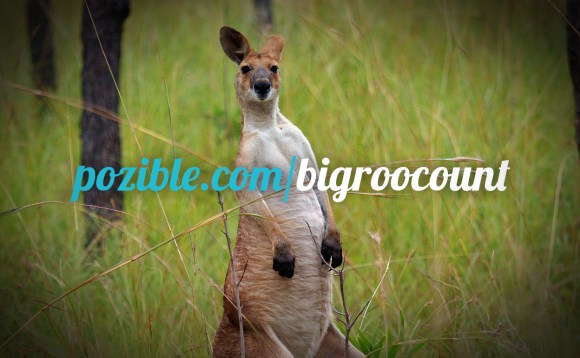
Help us conserve northern Australia's iconic mammals by supporting The Big Roo Count. Image credit: David Webb
Help us conserve northern Australia’s iconic mammals by supporting The Big Roo Count. Image credit: David Webb

Ten years ago, with my wife Jen, I was finishing up four years of fieldwork in some of Australia’s most remote and spectacular habitats. We had been lucky enough to be investigating the ecology and conservation of Australia’s tropical kangaroos and wallabies, collecting first-of-its kind information on where they each occurred, how big the populations were and why each species lived in certain areas and not others.

But a lot can change in ten years.

While Jen and I have been blessed with kids, health, happiness and more, our northern mammals haven’t been so lucky. Many are disappearing; some at alarming rates. Why? fires, feral cats and climate change are all likely causes.

We have a plan that will give us our best shot at conserving Australia’s northern kangaroos and wallabies.

This winter, we’re packing our kids and our tent into a four-wheel-drive for an epic journey of scientific discovery to find out how the roos are faring ten years down the track.

We’ll repeat all the work we did a decade ago at the same field sites:

  • roo counts,
  • mapping habitat and measuring its condition,
  • and the most glamourous job of all: counting and collecting kangaroo poos to get more information on which species live where.

This time, we will also be packing exciting new technology including remotely-triggered camera traps.

It’s rare for ecologists to have long-term information like this. Our data will tell us what we are up against in the battle to conserve our native kangaroos, wallabies and other native fauna in the same region. We’ll also take every opportunity to talk with as many people as we can about the conservation issues facing northern Australia’s mammals.

“Euan Ritchie’s re-survey of kangaroos and wallabies across northern Australia 10 years on from his foundational PhD survey is fundamentally important research. Nobody but Euan can undertake the work, and I’m profoundly grateful that he’s willing to do it.” — Professor Tim Flannery

Following the outstanding success of my crowdfunded research project on Papua New Guinea’s remote mountain mammals, we are again partnering with Pozible to bring this project to life. With your generous support, we’ll be able to hire a four-wheel-drive and buy the remote camera traps we need to do this important work.

For more information, a video, regular updates and to pledge your support, visit pozible.com/bigroocount.

Please help us conserve Australia’s iconic northern kangaroos and wallabies. Please support The Big Roo Count!

Categories
Publications Research

Interspecific and Geographic Variation in the Diets of Sympatric Carnivores: Dingoes/Wild Dogs and Red Foxes in South-Eastern Australia

Authors: Naomi E Davis, David M Forsyth, Barbara Triggs, Charlie Pascoe, Joe Benshemesh, Alan Robley, Jenny Lawrence, Euan G Ritchie, Dale G Nimmo and Lindy F Lumsden.

Abstract

Dingoes/wild dogs (Canis dingo/familiaris) and red foxes (Vulpes vulpes) are widespread carnivores in southern Australia and are controlled to reduce predation on domestic livestock and native fauna.

We used the occurrence of food items in 5875 dingo/wild dog scats and 11,569 fox scats to evaluate interspecific and geographic differences in the diets of these species within nine regions of Victoria, south-eastern Australia.

The nine regions encompass a wide variety of ecosystems. Diet overlap between dingoes/wild dogs and foxes varied among regions, from low to near complete overlap. The diet of foxes was broader than dingoes/wild dogs in all but three regions, with the former usually containing more insects, reptiles and plant material. By contrast, dingoes/wild dogs more regularly consumed larger mammals, supporting the hypothesis that niche partitioning occurs on the basis of mammalian prey size.

The key mammalian food items for dingoes/wild dogs across all regions were black wallaby (Wallabia bicolor), brushtail possum species (Trichosurus spp.), common wombat (Vombatus ursinus), sambar deer (Rusa unicolor), cattle (Bos taurus) and European rabbit (Oryctolagus cuniculus). The key mammalian food items for foxes across all regions were European rabbit, sheep (Ovis aries) and house mouse (Mus musculus).

Foxes consumed 6.1 times the number of individuals of threatened Critical Weight Range native mammal species than did dingoes/wild dogs. The occurrence of intraguild predation was asymmetrical; dingoes/wild dogs consumed greater biomass of the smaller fox.

The substantial geographic variation in diet indicates that dingoes/wild dogs and foxes alter their diet in accordance with changing food availability.

We provide checklists of taxa recorded in the diets of dingoes/wild dogs and foxes as a resource for managers and researchers wishing to understand the potential impacts of policy and management decisions on dingoes/wild dogs, foxes and the food resources they interact with.

Davis NE, Forsyth DM, Triggs B, Pascoe C, Benshemesh J, Davis NE, Forsyth DM, Triggs B, Pascoe C, Benshemesh J, Robley A, Lawrence J, Nimmo DG, Ritchie EG, Lumsden LF (2015) Interspecific and Geographic Variation in the Diets of Sympatric Carnivores: Dingoes/Wild Dogs and Red Foxes in South-Eastern Australia. PLoS ONE 10(3): e0120975. PDF DOI

Categories
Publications Research

Stemming the tide: progress towards resolving the causes of decline and implementing management responses for the disappearing mammal fauna of northern Australia

Authors: Mark R Ziembicki, John C Z Woinarski, Jonathan K Webb, Eric Vanderduys, Katherine Tuft, James Smith, Euan G Ritchie, Terry B Reardon, Ian J Radford, Noel Preece, Justin Perry, Brett P Murphy, Hugh McGregor, Sarah Legge, Lily Leahy, Michael J Lawes, John Kanowski, Chris N Johnson, Alex James, Anthony D Griffiths, Graeme Gillespie, Anke S K Frank, Alaric Fisher and Andrew A Burbidge.

Abstract

Recent studies at some sites in northern Australia have reported severe and rapid decline of some native mammal species, notwithstanding an environmental context (small human population size, limited habitat loss, substantial reservation extent) that should provide relative conservation security.

All of the more speciose taxonomic groups of mammals in northern Australia have some species for which the conservation status has been assessed as threatened, with 53% of dasyurid, 46% of macropod and potoroid, 33% of bandicoot and bilby, 33% of possum, 31% of rodent, and 24% of bat species being assessed as extinct, threatened or near-threatened.

This paper reviews disparate recent and ongoing studies that provide information on population trends across a broader geographic scope than the previously reported sites, and provides some information on the conservation status and trends for mammal groups (bats, larger macropods) not well sampled in previous monitoring studies. It describes some diverse approaches of studies seeking to document conservation status and trends, and of the factors that may be contributing to observed patterns of decline.

The studies reported provide some compelling evidence that predation by feral cats is implicated in the observed decline, with those impacts likely to be exacerbated by prevailing fire regimes (frequent, extensive and intense fire), by reduction in ground vegetation cover due to livestock and, in some areas, by ‘control’ of dingoes. However the impacts of dingoes may be complex, and are not yet well resolved in this area.

The relative impacts of these individual factors vary spatially (with most severe impacts in lower rainfall and less topographically rugged areas) and between different mammal species, with some species responding idiosyncratically: the most notable example is the rapid decline of the northern quoll Dasyurus hallucatus due to poisoning by the introduced cane toad Rhinella marina, which continues to spread extensively across northern Australia. The impact of disease, if any, remains unresolved.

Recovery of the native mammal fauna may be impossible in some areas. However, there are now examples of rapid recovery following threat management. Priority conservation actions include: enhanced biosecurity for important islands, establishment of a network of substantial predator exclosures, intensive fire management (aimed at increasing the extent of longer-unburnt habitat and in delivering fine scale patch burning), reduction in feral stock in conservation reserves, and acquisition for conservation purposes of some pastoral lands in areas that are significant for mammal conservation.

Ziembicki MR, Woinarski JCZ, Webb JK, Vanderduys E, Tuft K, Smith J, Ritchie EG, Reardon TB, Radford IJ, Preece N, Perry JP, Murphy BP, McGregor H, Legge S, Leahy L, Lawes MJ, Kanowski J, Johnson CN, James A, Griffiths AD, Gillespie G, Frank ASK, Fisher A, Burbidge AA (2015) Stemming the tide: progress towards resolving the causes of decline and implementing management responses for the disappearing mammal fauna of northern Australia, Therya 2015 6(1) 169-225 PDF DOI

Categories
Publications Research

Does fire influence the landscape-scale distribution of an invasive mesopredator?

Authors: Catherine J Payne, Euan G Ritchie, Luke T Kelly and Dale G Nimmo.

Abstract

Predation and fire shape the structure and function of ecosystems globally. However, studies exploring interactions between these two processes are rare, especially at large spatial scales. This knowledge gap is significant not only for ecological theory, but also in an applied context, because it limits the ability of landscape managers to predict the outcomes of manipulating fire and predators.

We examined the influence of fire on the occurrence of an introduced and widespread mesopredator, the red fox (Vulpes vulpes), in semi-arid Australia. We used two extensive and complimentary datasets collected at two spatial scales.

We examined the influence of fire on the distribution of introduced red foxes in semi-arid Australia. Image credit Area51Bel [CC-BY-SA 3.0] via Wikimedia Commons.
At the landscape-scale, we surveyed red foxes using sand-plots within 28 study landscapes — which incorporated variation in the diversity and proportional extent of fire-age classes — located across a 104 000 km² study area. At the site-scale, we surveyed red foxes using camera traps at 108 sites stratified along a century-long post-fire chronosequence (0–105 years) within a 6630 km² study area.

Red foxes were widespread both at the landscape and site-scale. Fire did not influence fox distribution at either spatial scale, nor did other environmental variables that we measured.
Our results show that red foxes exploit a broad range of environmental conditions within semi-arid Australia.

The presence of red foxes throughout much of the landscape is likely to have significant implications for native fauna, particularly in recently burnt habitats where reduced cover may increase prey species’ predation risk.

Payne CJ, Ritchie EG, Kelly LT, Nimmo DG (2014) Does Fire Influence the Landscape-Scale Distribution of an Invasive Mesopredator? PLoS ONE 9(10): e107862 PDF DOI 

Categories
Publications Research

Towards a cohesive, holistic view of top predation: a definition, synthesis and perspective

Authors: Fabrizio Sergio, Oswald J Schmitz, Charles J Krebs, Robert D Holt, Michael R Heithaus, Aaron J Wirsing, William J Ripple, Euan G Ritchie, David Ainley, Daniel Oro, Yadvendradev Jhala, Fernando Hiraldo and Erkki Korpimäki.

Abstract

Research on the ecology of top predators — upper trophic level consumers that are relatively free from predation once they reach adult size — has provided regular contributions to general ecology and is a rapidly expanding and increasingly experimental, multidisciplinary and technological endeavour.

Yet, an exponentially expanding literature coupled with rapid disintegration into specialized, disconnected subfields for study (e.g. vertebrate predators versus invertebrate predators, community ecology versus biological control, etc.) increasingly means that we are losing a coherent, integrated understating of the role and importance of these species in ecosystems.

This process of canalization is likely to hinder sharing of scientific discovery and continued progress, especially as there is a growing need to understand the generality of the top–down forcing, as demonstrated for some members of this group.

Here, we propose ways to facilitate synthesis by promoting changes in mentality and awareness among specialists through increased debate and collaboration, conceptual reviews and a series of exemplary case studies.

The strategy will rely on the collective contribution by all scientists in the field and will strive to consolidate and formalise top-order predation as a holistic, cohesive, cross-taxonomical field of research studying the ecology, evolution and behaviour of apex predators and their capability to exert top–down forcing on lower trophic levels.

Sergio F, Schmitz OJ, Krebs CJ, Holt RD, Heithaus MR, Wirsing AJ, Ripple WJ, Ritchie EG, Ainley D, Oro D, Jhala Y, Hiraldo F, Korpimäki E (2014) Towards a cohesive, holistic view of top predation: a definition, synthesis and perspective. Oikos DOI PDF

Categories
Research Student news

Honours projects for 2015 (closed)

ⓘ Applications are now closed.

Looking for an exciting honours project in ecology? I have five openings for 2015.

I also welcome other project ideas from students if they fit with my expertise and research priorities.

To find out more, please refer to the Deakin University School of Life and Environmental Sciences Honours 2014 Information Booklet, or contact me.

The distribution, abundance and habitat preferences of mammals in Wilsons Promontory National Park (two projects)

Wilsons Prom is home to native mammals such as the Swamp Wallaby, Wallabia bicolor. Image by Toby Hudson [CC-BY-SA-3.0], via Wikimedia Commons
Wilsons Prom is home to native mammals such as the Swamp Wallaby, Wallabia bicolor. Image by Toby Hudson [CC-BY-SA-3.0], via Wikimedia Commons

Principal supervisor: Dr Euan Ritchie

Associate supervisors: Dr Dale Nimmo EMAIL WEB and Dr Greg Holland EMAIL

External supervisor: Dr Naomi Davis EMAIL

Start date: February and July 2015

Fire and predation are key processes that shape the structure and function of ecological communities. Despite their importance, few studies have examined how they may interact to affect the distribution, abundance and habitat preferences of species across different habitats.

Two separate but related honours projects will examine the effects of fire and predation on mammals in Wilsons Promontory National Park.

Experience with using GIS will be an advantage for these projects.

This work is supported by Parks Victoria.  

Where and when did Tasmanian devils last occur in Victoria? (one  project)

 Tasmanian Devils, Sarcophilus harrisii, were once abundant on the Australian mainland. Image by JJ Harrison[CC-BY-SA-3.0], via Wikimedia Commons
Tasmanian Devils, Sarcophilus harrisii, were once abundant on the Australian mainland. Image by JJ Harrison[CC-BY-SA-3.0], via Wikimedia Commons

Principal Supervisor: Dr Euan Ritchie

External supervisors: Dr Erich Fitzgerald EMAIL

Start date: July 2015

This project seeks to establish the prehistoric geographic distribution and habitats of devils across Victoria using the palaeontology collection at Museum Victoria and established proxies for palaeo-environmental reconstruction.

It will also use Carbon dating of fossil and sub-fossil devil specimens in the palaeontology collection to estimate when devils existed across Victoria and refine the timing of their extinction on mainland Australia.  

Movement patterns and habitat use of camels in arid Australia (one project)

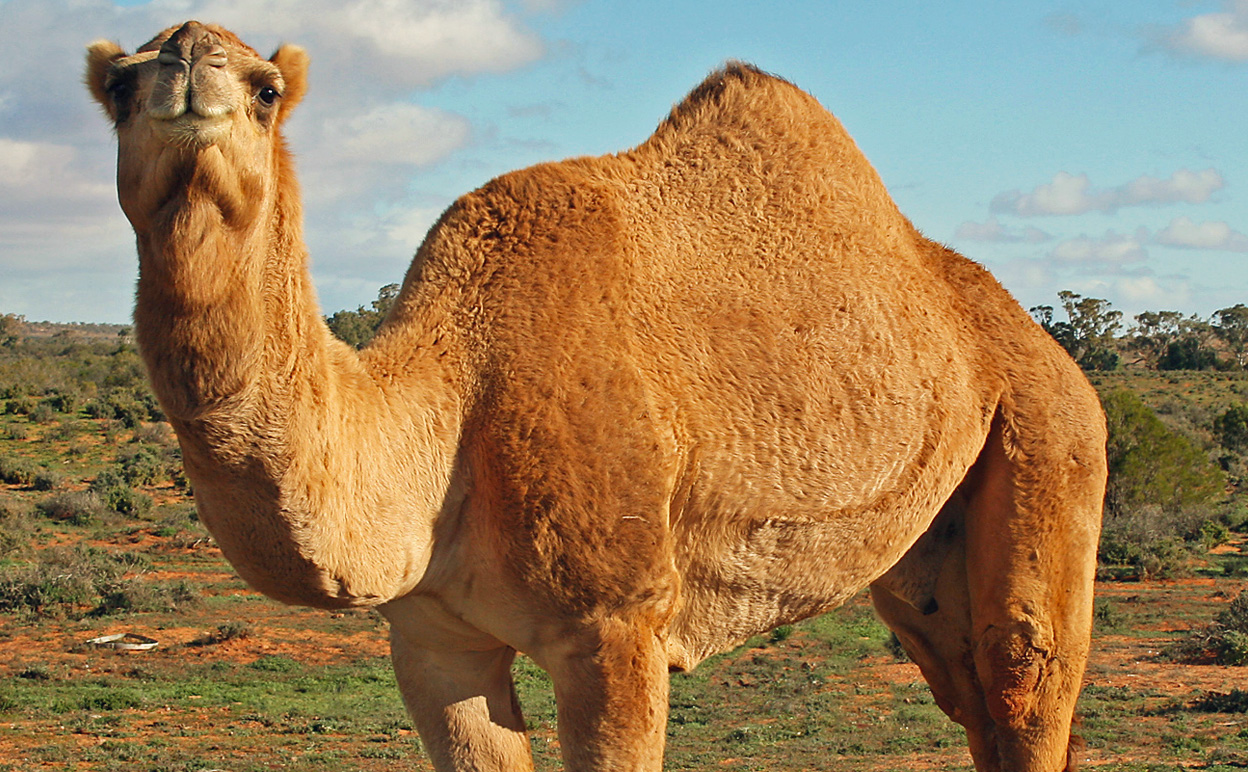
Camels blah Blah Image credit "07. Camel Profile, near Silverton, NSW, 07.07.2007" by Jjron - Own work. Licensed under Creative Commons Attribution-Share Alike 3.0 via Wikimedia Commons - http://commons.wikimedia.org/wiki/File:07._Camel_Profile,_near_Silverton,_NSW,_07.07.2007.jpg#mediaviewer/File:07._Camel_Profile,_near_Silverton,_NSW,_07.07.2007.jpg.
How do environmental conditions affect the movemnet and habitat choices of Australian’s largest introduced herbivore? Image credit: Jjron [CC BY-SA 3.0] via Wikimedia Commons

Principal supervisor: Dr Euan Ritchie

Associate supervisor: Associate Professor John Arnould EMAIL

External supervisor: Dr Andrew Woolnough, Department of Environment and Primary Industries EMAIL

Start date: July 2015

The camel is Australia’s largest introduced herbivore and populations of this species are reaching high numbers across much of the arid zone. Due to their large body-size and mobility, camels may have significant effects on both the habitats and rural communities in which they occur.

There is therefore a clear need to better understand what environmental conditions influence their movement patterns and habitat choice.

A large data set exists from GPS collars which tracked the movements of camels in the Pilbara region of Western Australia over a year. Data includes ambient temperature, activity (every two hours), and GPS location (every three hours).

Using this dataset the aim will be to investigate the links between environmental conditions, activity and movement patterns (habitat use) in camels. The successful student will ideally be experienced in using GIS and have a competent statistical background.

Predators and prey: understanding interactions between wild canids and other fauna in North West Victoria’s semi-arid landscapes (one project)

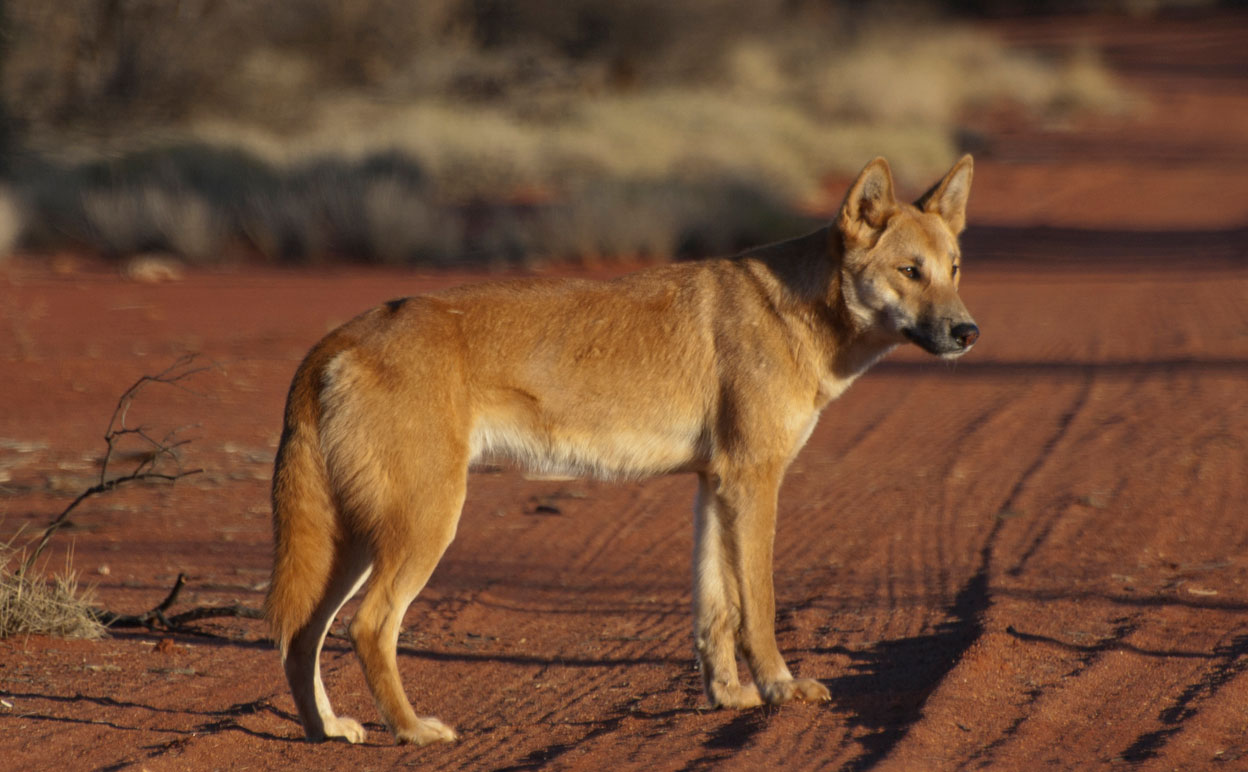
The Australian dingo,  Canis lupus dingo. Image courtesy Angus McNab.
Dingoes are the top predators in northwestern Victoria’s national parks, but what does their distribution and abundance tell us about the wider ecosystem?. Image credit: Angus McNab, used with permission.

Principal Supervisor: Dr Euan Ritchie

Associate supervisor: Dr Dale Nimmo EMAIL WEB

Start date: February 2015

Northwest Victoria’s national parks are key flagship areas that are home to high species diversity, including many species of conservation concern. Within this region, wild canids (dingoes/wild dogs), the top predators, are patchily distributed, being relatively common in Big Desert national park but largely absent from the northern Murray Sunset and Hattah-Kulkyne national parks.

Wild canids, like other top predators worldwide, are known to be critical in influencing species throughout the ecosystems in which they occur. However, it remains to be examined what role(s) dingoes/wild dogs perform in northwest Victoria’s national parks. Specifically, do they regulate populations of overabundant herbivores (e.g. goats, kangaroos and rabbits) and/or invasive predators (e.g. cats and foxes), and does this in turn benefit native prey species (e.g. hopping mice and mallee fowl)?

We will examine the role(s) of wild canids by surveying their distribution and abundance across the region, and relating it to that of other key species of conservation and/or pest management concern. This will be achieved through a combination of remote camera trapping and sand pads. In addition, canid diet will be examined through the collection and analysis of fecal pellets, allowing examination of the impact of canids on species recorded in their diet.

More information

Categories
Research

Billy Geary: Big Desert Adventures

This post is written by Honours student, Billy Geary.

Since settlement times, Victoria’s Mallee region has captured the public imagination. Upon digging up old newspaper articles documenting early expeditions to the region, tales of ‘tiger cats’ hell bent on attacking people, and medium-sized marsupials (e.g. bettongs and bandicoots) in apparent plague proportions, are common. Over time, these bush yarns have only enhanced the region’s mystique and reputation as somewhat of a wild frontier.

Could this be?
Could this be the fabled fearsome tiger cat? Actually, no, it’s just a tiger quoll. Image credit:  JJ Harrison [CC-BY-SA-3.0] via Wikimedia Commons (modified)

In the years since, the area has experienced considerable environmental change. Surrounding large but fragmented patches of remnant Mallee now contained within national parks and state forest, wheat cropping and sheep farming abound. Importantly, fire is now a very common and heavily managed process that strongly influences the local native flora and fauna. Coupled with this, the influx of feral species such as foxes, cats, rabbits and goats has seen many native species decline or disappear all together. Significantly though, the region’s large parks still preserve some of Victoria’s most remote, majestic and largely untouched country.

These parks, including the Big Desert Wilderness Park, still hold that sense of wonder that is reported so frequently in the literature of the 1800s and early 1900s. There’s nothing quite like driving over the crest of a sand dune and being blown away by the sheer vastness of the landscape around you. Or, the sense of wonder instilled by a night sky completely unaffected by light pollution. These two experiences do a fantastic job of instilling a sense of just how remote and wild this region of Victoria remains.

Once upon a time quolls and dingoes appeared to rule the Big Desert / Wyperfeld region from the top of the food web. It’s now a slightly different storey, but no less intriguing.

The majestic Big Desert night sky makes for fantastic pondering. Image credit: Robert Geary.

This is where my research comes in, just how do invasive mesopredators (feral cats, red foxes) interact with an existing apex predator (dingoes or perhaps wild dogs)? And how well do these mesopredators deal with the challenges this semi-arid environment throws at them, in particular fire? The overarching school of thought in Australia is that our feral mesopredators respond positively to fire events, as it greatly reduces the effort required to seek out and kill prey. However, can the presence of a top predator mediate this response to fire through a reduction in cover available to the mesopredators themselves? Do predators themselves become prey, the hunters the hunted?

Given the ongoing trend of increasing fire frequency and intensity across our continent, the one-two punch of changing fire regimes and feral predators (particularly feral cats) is quite a frightful proposition for our native critters. As such, teasing out the interactions between the Mallee’s predators, their prey and the ecosystems in which they live is quite an important proposition. Indeed, it makes for something good to ponder whilst gazing at a beautiful Big Desert sky after setting up camp.

So, what do we know so far?

Having just brought in the first third of my camera traps, amongst some amazing images of other critters, it appears that foxes, cats and dogs are all well distributed across the Big Desert. For dogs and cats, there’s also considerable variation in their appearance. We’ve got feral cats that look like the legendary Victorian black panther and others with stripes like tigers. There also appears to be canids in the region at both ends of the wild dog–dingo spectrum. To what extent these animals are similar ecologically remains to be determined.

In addition to this the small mammal community appears to be doing okay, with Mitchells hopping mice and silky mice fairly well distributed across the park. Same too for the larger residents, western grey kangaroos and emus, which seem to materialise out of thin air over each dune crest as we drove through the park.

With only a third of our 105 sites surveyed so far, there’s still plenty more the Big Desert and its array of species can tell us. In particular, I’ll be looking to work out what habitat preferences, if any, our three predators have across the landscape. Secondly, how our predators are interacting with each other across time and space. It will be particularly interesting to investigate any interactions between the local mesopredators and top dogs. We’re only just beginning to scratch the surface of the Big Desert’s secrets, and that’s perhaps the most exciting part.

Work in the Big Desert is never a dull affair. Image credit: Robert Geary.

While it is a long, long drive to the Big Desert from Melbourne, it’s hard not to be arrested by the notion of just how much is yet to be explored there. Because who knows: just maybe there’s still a giant tiger cat lurking out there, somewhere.

Categories
Publications Research

The influence of non-climate predictors at local and landscape resolutions depends on the autecology of the species

Authors: Donna B Harris, Stephen D Gregory, Barry W Brook, Euan G Ritchie, David B Croft, Graeme Coulson and Damien A Fordham.

Abstract

Species distribution models have come under criticism for being too simplistic for making robust future forecasts, partly because they assume that climate is the main determinant of geographical range at large spatial extents and coarse resolutions, with non-climate predictors being important only at finer scales.

We suggest that this paradigm might be obscured by species movement patterns.

To explore this we used contrasting kangaroo (family Macropodidae) case studies: two species with relatively small, stable home ranges (Macropus giganteus and M. robustus) and three species with more extensive, adaptive ranging behaviour (M. antilopinus, M. fuliginosus and M. rufus).

We suggest that Image credit blah
We used two contrasting kangaroo case studiess. Image credit: Nick Talbot / Department of Environment and Primary Industries via Flickr [CC BY-NC 2.0]
We predicted that non-climate predictors will be most influential to model fit and predictive performance at local spatial resolution for the former species and at landscape resolution for the latter species.

We compared residuals autocovariate – boosted regression tree (RAC-BRT) model statistics with and without species-specific non-climate predictors (habitat, soil, fire, water and topography), at local- and landscape-level spatial resolutions (5 and 50 km).

As predicted, the influence of non-climate predictors on model fit and predictive performance (compared with climate-only models) was greater at 50 compared with 5 km resolution for M. rufus and M. fuliginosus and the opposite trend was observed for M. giganteus.T he results for M. robustus and M. antilopinus were inconclusive. Also notable was the difference in inter-scale importance of climate predictors in the presence of non-climate predictors.

In conclusion, differences in autecology, particularly relating to space use, may contribute to the importance of non-climate predictors at a given scale, not model scale per se. Further exploration of this concept across a range of species is encouraged and findings may contribute to more effective conservation and management of species at ecologically meaningful scales.

Harris DB, Gregory SD, Brook BW, Ritchie EG, Croft DB, Coulson G, Fordham DA (2014) The influence of non-climate predictors at local and landscape resolutions depends on the autecology of the species. Austral Ecology PDF DOI

Categories
Publications Research

Experiments in no-impact control of dingoes: comment on Allen et al. 2013

Authors: Christopher N Johnson, Mathew S Crowther, Chris R Dickman, Michael I Letnic, Thomas M Newsome, Dale G Nimmo, Euan G Ritchie and Arian D Wallach.

Abstract

There has been much recent debate in Australia over whether lethal control of dingoes incurs environmental costs, particularly by allowing increase of populations of mesopredators such as red foxes and feral cats.

Allen et al. (2013) claim to show in their recent study that suppression of dingo activity by poison baiting does not lead to mesopredator release, because mesopredators are also suppressed by poisoning.

We show that this claim is not supported by the data and analysis reported in Allen et al.’s paper.

Dingo-poison-1080
The management of dingoes is a highly conflicted and frequently emotional issue in rural Australia. Image by Peripitus [CC-BY-SA-3.0] via Wikimedia Commons. Skull and Crossbones icon by Jens Tärning [CC-BY-SA-2.0] via the Noun Project.
Johnson CN, Crowther MS, Dickman CR, Letnic MI, Newsome TM, Nimmo DG, Ritchie EG, Wallach AD (2014) Experiments in no-impact control of dingoes: comment on Allen et al. 2013. Frontiers in Zoology 11:17 PDF DOI

Categories
Media Research

ABC radio: Talking tenkiles with Stubbsy

I caught up with the ABC’s Richard Stubbs about tracking tenkiles, trekking the Torricelli ranges, the role of social media in science communication, crowd funding, conservation, carbon storage and much more besides. Have a listen.

Categories
Publications Research

Published: Differing impact of a major biogeographic barrier on genetic structure in two large kangaroos from the monsoon tropics of Northern Australia

Authors: Mark D B Eldridge, Sally Potter, Christopher N Johnson and Euan G Ritchie

Abstract

Tropical savannas cover 20–30% of the world’s land surface and exhibit high levels of regional endemism, but the evolutionary histories of their biota remain poorly studied.

The most extensive and unmodified tropical savannas occur in Northern Australia, and recent studies suggest this region supports high levels of previously undetected genetic diversity.

Macropus robustus, Image credit: David Cook Wildlife Photography[CC BY-NC 2.0] via Flickr
To examine the importance of barriers to gene flow and the environmental history of Northern Australia in influencing patterns of diversity, we investigated the phylogeography of two closely related, large, vagile macropodid marsupials, the antilopine wallaroo (Macropus antilopinus; n=78), and the common wallaroo (Macropus robustus; n=21). Both species are widespread across the tropical savannas of Australia except across the Carpentarian Barrier (CB) where there is a break in the distribution of M. antilopinus.

We determined sequence variation in the hypervariable Domain I of the mitochondrial DNA control region and genotyped individuals at 12 polymorphic microsatellite loci to assess the historical and contemporary influence of the CB on these species. Surprisingly, we detected only limited differentiation between the disjunct Northern Territory and Queensland M. antilopinus populations. In contrast, the continuously distributed M. robustus was highly divergent across the CB.

Although unexpected, these contrasting responses appear related to minor differences in species biology. Our results suggest that vicariance may not explain well the phylogeographic patterns in Australia’s dynamic monsoonal environments. This is because Quaternary envi- ronmental changes in this region have been complex, and diverse individual species’ biologies have resulted in less predictable and idiosyncratic responses.

Eldridge MDB, Potter S, Johnson CN, Ritchie EG (2014) Differing impact of a major biogeographic barrier on genetic structure in two large kangaroos from the monsoon tropics of Northern Australia, Ecology and Evolution PDF DOI

Categories
Publications Research

Published: Status and ecological effects of the world’s largest carnivores

Authors: William J Ripple, James A Estes, Robert L Beschta, Christopher C Wilmers, Euan G Ritchie, Mark Hebblewhite, Joel Berger, Bodil Elmhagen, Mike Letnic, Michael P Nelson, Oswald J Schmitz, Douglas W Smith, Arian D Wallach and Aaron J Wirsing

Abstract

Large carnivores face serious threats and are experiencing massive declines in their populations and geographic ranges around the world.

We highlight how these threats have affected the conservation status and ecological functioning of the 31 largest mammalian carnivores on Earth.

Consistent with theory, empirical studies increasingly show that large carnivores have substantial effects on the structure and function of diverse ecosystems.

Significant cascading trophic interactions, mediated by their prey or sympatric mesopredators, arise when some of these carnivores are extirpated from or repatriated to ecosystems.

Unexpected effects of trophic cascades on various taxa and processes include changes to bird, mammal, invertebrate, and herpetofauna abundance or richness; subsidies to scavengers; altered disease dynamics; carbon sequestration; modified stream morphology; and crop damage.

Promoting tolerance and coexistence with large carnivores is a crucial societal challenge that will ultimately determine the fate of Earth’s largest carnivores and all that depends upon them, including humans.

Ripple WJ, Estes JA, Beschta RL, Wilmers CC, Ritchie EG, Hebblewhite M, Berger J, Elmhagen B, Letnic M, Nelson MP, Schmitz OJ, Smith DW, Wallach AD, Wirsing AJ (2014) Status and ecological effects of the world’s largest carnivores, Science, 343(6167) DOI

Categories
Media Research

The Conversation: Hunting tree kangaroos in the mountains of Papua New Guinea

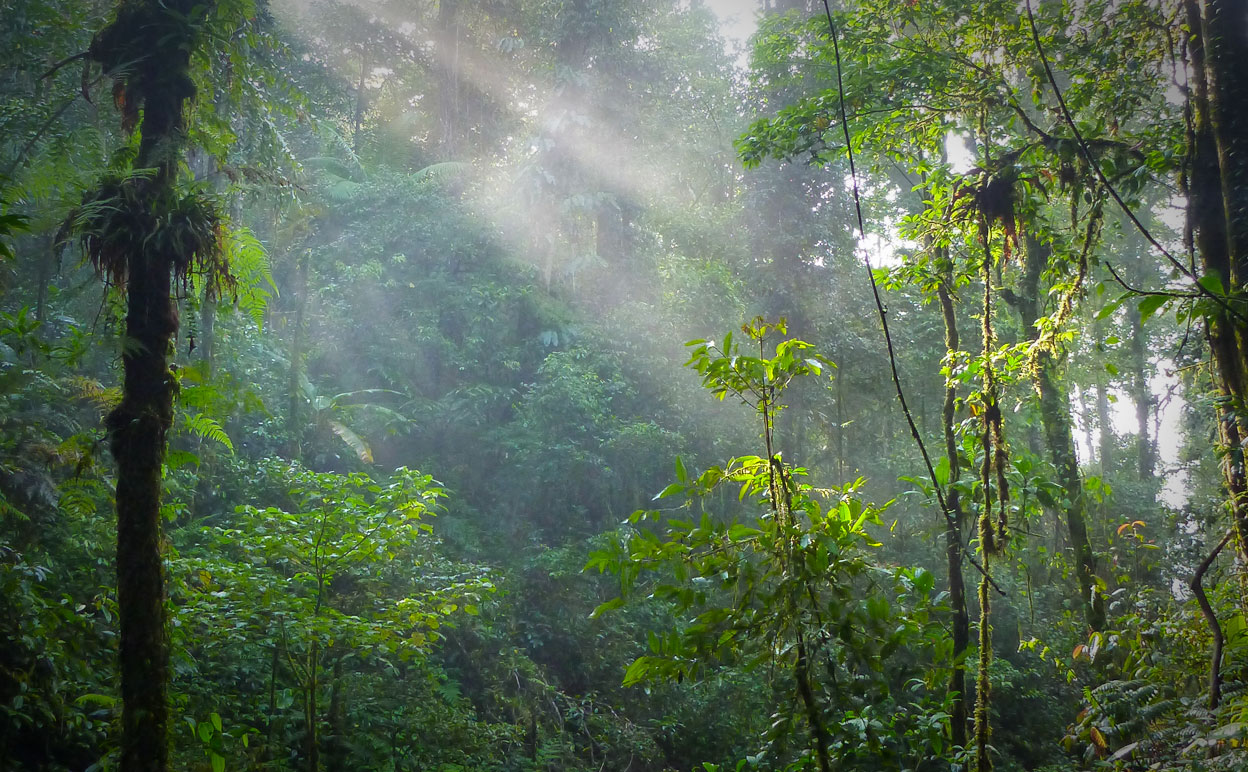
The jungles of Papua New Guinea: exotic, remote, and full of frogs.

This article was originally published at The Conversation. Read the original article.

I have just returned from the jungles of Papua New Guinea, where for two weeks a team of us have set camera traps that will collect vital information about the biodiversity of this remote region. It’s all in the name of protecting some of the world’s rarest animals, including the Weimang and Tenkile tree kangaroos. But what’s it like working in the PNG jungles?

Morning in the rainforest.

We were working in a remote region of PNG known as Yauoru. I knew the place was remote — most of PNG is — but I hadn’t appreciated just how remote.

Beginning our five day walk from the Tenkile Conservation Alliance (TCA) turned to one of our support staff and asked if any white people had been here. The answer was no, never. Being allowed to visit such a special area was an immense privilege. That five day walk was undoubtedly the hardest walk I’ve done, a genuine test of endurance. The first day we walked from Ningal to Uwei (villages close to Yauoru), where Samuel Kabau, a local Uwei villager and Tenkile Conservation Alliance staff member lives. Along the way we passed through cocoa plantations, lowland rainforest and made our first of many river crossings. This took a little over six hours. But that was just day one.

Yauoru is remote. Really remote.

After leaving Uwei we began a long, long walk up the river Obin, crossing raging rapids, leaping over boulders and navigating narrow canyons. I gained an appreciation for the strength of local Papuans as compared to myself. While I plodded with waterlogged boots, drenched to the bone by tropical rains, the locals carried heavy gear and pulled me through rapids so I wasn’t swept away, all in bare feet. And all the time chewing betel nut and smoking cigarettes.

It’s beautiful to look at, not so beautiful to walk through.

After five hours I got my hopes up that we were close to base camp, but I was sadly wrong. After leaving the river we walked and crawled up the side of a mountain at an angle exceeding 45 degrees. Again my local friends — weighing 50–55 kg — stepped in to help lift and shove my 75 kg frame up the slope.

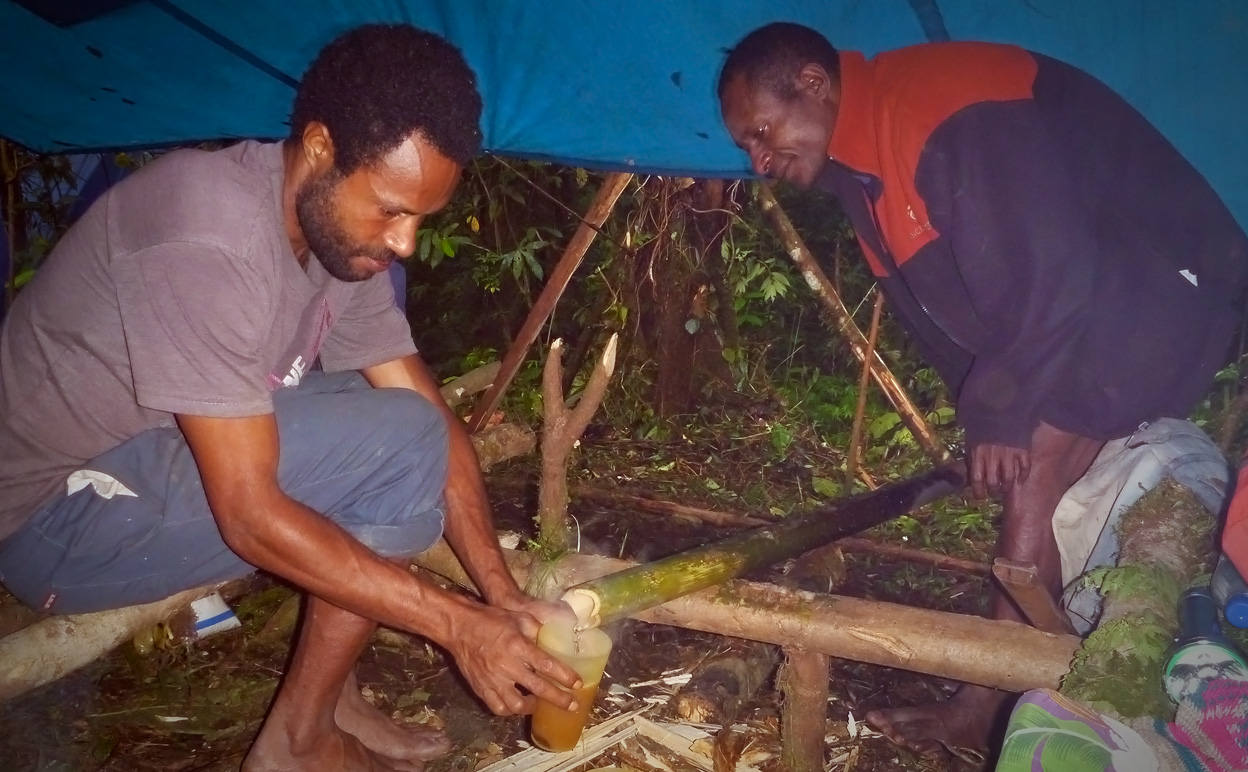
We arrived at base camp where some of our team had gone ahead and built a hut and boiled a billy — which in this case was a bamboo stem. Eat your heart out coffee snobs, I’ve had coffee from a bamboo stem on top of a remote PNG mountain.

Who says Melbourne has the best coffee? Here’s mine being prepared from a bamboo shoot and by my new friends Clancy (L) and James (R).

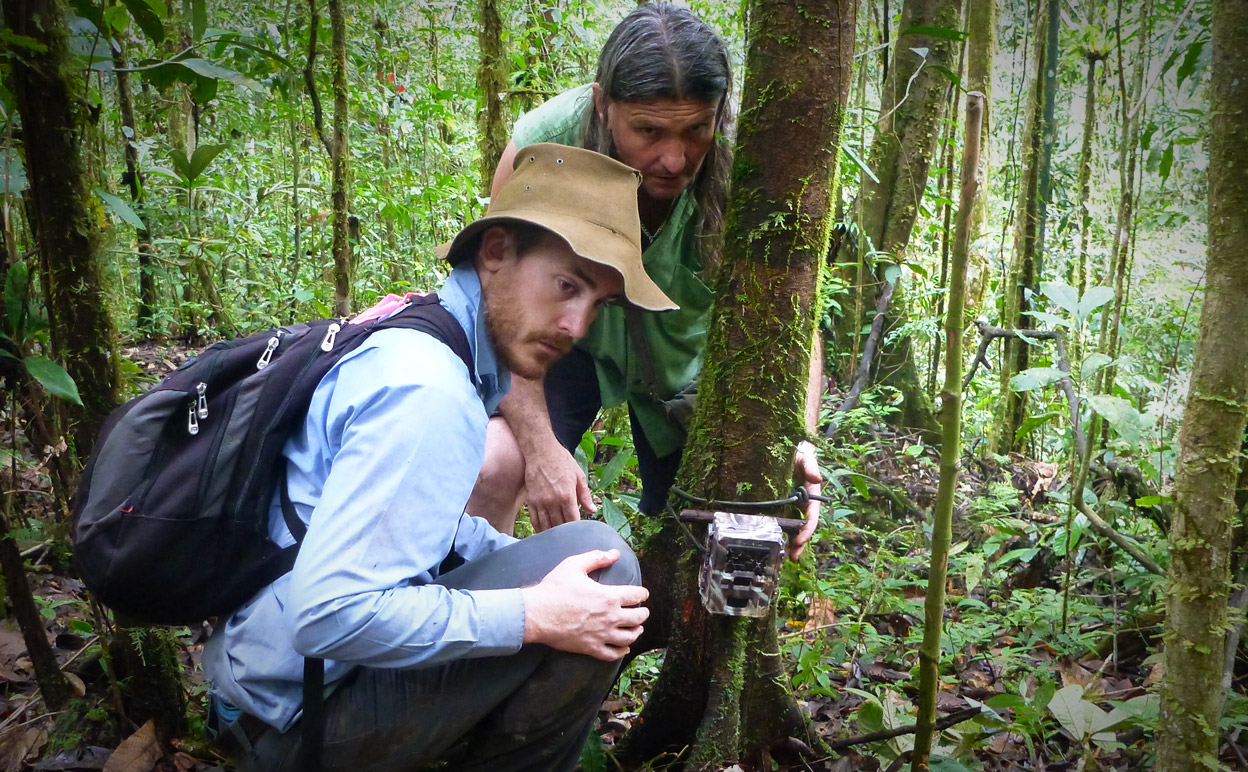
On day three Jim and I trekked to the top of the mountain to place cameras (the exact location is a secret). We put out 26 cameras, ranging from 1100 m to around 1400 m above sea level.

We’d planned for 36 and at a greater range of elevations, but technical issues (more commonly known as Murphy’s Law), prevented us. Below 1100 m the mountain was too steep to stay upright!

Some of the cameras were baited with peanut butter, honey, and vanilla essence for animals who have a sweet tooth; that’s tree kangaroos. Others we baited with tuna oil for predators such as Salvadori’s Monitor, which reportedly can grow to greater than four metres. The locals describe it as a crocodile that climbs trees. Fortunately I didn’t encounter the monitor at night, but I hope our cameras do.

Jim Thomas and I checking everything is just right. What will these cameras discover? We’ll know in February 2014.

Now the waiting game begins. Our cameras are set to be retrieved in February next year. Animals are most likely walking past our cameras right this moment, but we’ll have to wait several months to find out just which ones. While helping to conserve endangered tree kangaroos, hopefully the project will show the positive effects of work by the Tenkile Conservation Alliance and the hunting-free zone the organisation has established in the Torricelli Mountains. It also demonstrates how vital local communities are for conservation. Without them, our expedition would have failed.

Read more about my Papua New Guinea expedition here, and stay tuned for more next year.

The Conversation
Categories
Media Research

The Conversation: Into the jungles of Papua New Guinea – a personal journey

Much of my time as an ecology lecturer has been spent teaching students about the wonders of this planet’s biodiversity, but also regrettably, how much of this biodiversity is under severe threat. Hundreds, if not thousands, of species become extinct each year.

With such a disastrous outlook for the species with which we share Earth, it’s easy to get disheartened about where we’re headed. More personally, I often question whether my own fields of science (ecology and conservation biology) are really enough to help stem the extinction tide.

But this week I’m embarking on a journey to Papua New Guinea’s remote Torricelli Mountains. It’s part of a crowd-funded project, Discovering Papua New Guinea’s Mountain Mammals that is a partnership between myself at Deakin University and Jim and Jean Thomas of the Tenkile Conservation Alliance. Together we will count and identify mammals as part of conservation efforts in the region, including some very special species of tree kangaroo.

Just how many Tenkile tree kangaroos are left and where are they found? Our cameras will provide these answers Tenkile Conservation Alliance
Just how many Tenkile tree kangaroos are left and where are they found? Our cameras will provide these answers Image credit: Tenkile Conservation Alliance

Who or what is a Tenkile?

The Tenkile (pronounced ten-kee-lay) is one of 14 tree kangaroo species found in the tropical rainforests of New Guinea and Australia.

In 2001 there were only 100 Tenkile left in the Torricelli Mountains of PNG. To put that in perspective, there are thought to be around 1600 Giant Pandas in the world today. That made the Tenkile one of the world’s most endangered animals. The reason they’re still with us today is largely thanks to the work of the Tenkile Conservation Alliance.

The conservation alliance sets itself apart from many others by focusing on causes rather than symptoms of extinction. The Tenkile had become endangered due to over-hunting, so rather than ignore the needs of local people, the alliance places a strong emphasis on these communities who share the region with the Tenkile.

The reason for the bounce back of Tenkiles is a switch from hunting to more sustainable and reliable sources of protein, including farmed rabbits and chickens. Along with improved education about the local community’s wildlife, and health and living conditions, there has been a real reversal in the once dire trajectory of the region’s wildlife. Thanks to these actions there are now more than double the number of Tenkile there were in 2001.

Professor Tim Flannery, himself no stranger to the wilds of PNG, wrote:

A decade on, the Tenkile Conservation Alliance is the most successful conservation organisation in Melanesia … and no other organisation I know of in a developing country has had anything like this degree of success.

What do we hope to achieve in PNG this time?

Our upcoming trip will take us to the northwestern Torricelli Mountains near the Waliapilik area in Sanduan Province. Over two weeks we’ll place 35 remote, motion-sensing cameras out along lines and an elevation gradient ranging from 500 to 1500 m above sea level. These will help us determine a number of things, including:

  • Are tree kangaroo species (including the Weimang, Tenkile and Yongi) found within the region?
  • If present, how many individuals of each species are there?
  • What habitats are most important for each species?
  • Are species only found at specific elevations and in particular climates, and hence how susceptible could species be to the impacts of global climate change?

To say this trip is full of anticipation is putting it lightly. Along with the critical information we aim to collect on tree kangaroos, we also suspect new species are to be found in the area, including miniature wallabies and echidnas.

When we retrieve our cameras in a few months time it’s going to be exciting to see what we find, and it’s almost guaranteed that there will be many firsts for science. Because camera traps detect and record anything that moves past them, we’ll collect valuable data on a large range of species.

Thanks to all who have helped get us this far. This is just the beginning, and if you’d like to contribute or stay in touch please contact me here.

This article was originally published at The Conversation. Read the original article.

The Conversation

Categories
Media Research

Catalyst: conservation hunting (video)

Can recreational hunters control feral animals? Is there a role for so-called “conservation hunters”? And is their claim backed by science?

What about the introduction of native predators, such as dingos, or companion animals such as alpacas?

These questions are explored by Anja Taylor on the ABC’s popular science program, Catalyst.

The video and a transcipt is available from the Catalyst archive.

Categories
Media Research

The dingo: from sinner to saviour — NSW Office of Environment and Heritage Eureka Prize for Environmental Research

I’m extremely excited, proud and humbled to announce that I am part of a collaborative research team awarded this year’s NSW Office of Environment and Heritage Eureka Prize for Environmental Research.

It's a big night for 'Team Dingo' at the Eureka Prizes
It’s a big night for ‘Team Dingo’ at the Eureka Prizes.

Our research centres on the much-maligned and often polarising predator: the dingo.

Though sometimes miscast as vermin, our research shows that dingoes are key elements in the struggle to reduce damage caused by foxes, feral cats and even kanagroos; and that ecosystems with dingoes have better vegetation and more diverse and abundant populations of small native mammals. In fact, a good dose of our native dog can sustain biodiversity and help land managers control invasive species.

Part cultural icon, part livestock pest, Australia’s largest terrestrial predator is also an important component of healthy ecosystems and a useful contributor to environmental recovery and the protection of threatened species.

‘Team Dingo’ is:

  • Professor Chris Johnson, University of Tasmania
  • Dr Michael Letnic, University of New South Wales
  • Dr Euan Ritchie, Deakin University
  • Dr Arian Wallach, James Cook University
  • Adam O’Neill, Evelyn Downs Station.

'Team Dingo' celebrate at the Eureka Prizes
‘Team Dingo’ celebrate at the Eureka Prizes. Left to right: Dr Euan Ritchie, Dr Arian Wallach, Prof Chris Johnson, Dr Mike Letnic. Image: Australia Museum and Daniel O’Doherty.

On behalf of the team, I would also like to congratulate our fellow Eureka finalists: Dr David Post, Dr Francis Chiew (CSIRO), Dr Bertrand Timbal and Dr Harry Hendon (Bureau of Meteorology) for their work on the causes and predictability of climate variability and its impacts on water availability; and Dr Jason Sharples (University of New South Wales) and Richard McRae (ACT Emergency Services Agency) for their research on the causes and effects of catastrophic firestorms.

Presented annually by the Australian Museum, the Eureka Prizes reward excellence in the fields of research and innovation, leadership and commercialisation, school science and science journalism and communication.

Categories
Research Student news

Honours projects for 2014 (closed)

NOTE: these places have now been filled.

See: Honours projects for 2015

Looking for an exciting honours project in ecology? I have three openings from mid-2014.

I also welcome other project ideas from students if they fit with my expertise and research priorities.

To find out more, please refer to the Deakin University School of Life and Environmental Sciences Honours 2014 Information Booklet, or contact me.

The distribution, abundance and habitat preferences of mammals in Wilsons Promontory National Park (two projects)

Wilsons Prom is home to native mammals such as the Swamp Wallaby, Wallabia bicolor. Image by Toby Hudson [CC-BY-SA-3.0], via Wikimedia Commons
Supervisors: Dr Euan Ritchie and Dr Dale Nimmo

Start date: July 2014

Fire and predation are key processes that shape the structure and function of ecological communities. Despite their importance, few studies have examined how they may interact to affect the distribution, abundance and habitat preferences of species across different habitats.

Two separate but related honours projects will examine the effects of fire and predation on mammals in Wilsons Promontory National Park. This work will be supported by Parks Victoria. Experience with using GIS will be an advantage for these projects.

Where and when did Tasmanian devils last occur in Victoria? (one  project)

 Tasmanian Devils, Sarcophilus harrisii, were once abundant on the Australian mainland. Image by JJ Harrison[CC-BY-SA-3.0], via Wikimedia Commons
Tasmanian Devils, Sarcophilus harrisii, were once abundant on the Australian mainland. Image by JJ Harrison[CC-BY-SA-3.0], via Wikimedia Commons
Supervisors: Dr Euan Ritchie and Dr Erich Fitzgerald

Start date: July 2014

This project seeks to establish the prehistoric geographic distribution and habitats of devils across Victoria using the Palaeontology Collection at Museum Victoria and established proxies for palaeoenvironmental reconstruction. It will also use Carbon dating of fossil and subfossil devil specimens in the Palaeontology Collection to estimate when devils existed across Victoria and refine the timing of their extinction on mainland Australia.

More information

Categories
Research

Australian Museum Eureka Prizes (video)

Chris Johnson, Mike Letnic, Arian Wallach, Adam O’Neill and I are finalists in this year’s Australian Museum Eureka Prizes.

We have been nominated for the NSW Office of Environment and Heritage Eureka Prize for Environmental Research for our work in showing how dingoes help sustain biodiversity in Australia’s ecosystems.

Check out the short nomination video, featuring UNSW’s Dr Mike Letnic.

Categories
Publications Research

Published: A cost-effective and informative method of GPS tracking wildlife

Authors: Blake M Allan, John PY Arnould, Jennifer K Martin and Euan G Ritchie

Abstract

In wildlife research, our ability to GPS track sufficient numbers of individuals is always limited by cost, which restricts inference of species–habitat relationships.

Here, we describe the modification and use of a relatively new and inexpensive off-the-shelf GPS device, to provide detailed and accurate information on the movement patterns of individuals (mountain brushtail possums, Trichosurus cunninghami), including how movement varies through time, and how individuals interact with each other.

Our results demonstrated that this technology has enormous potential to contribute to an improved understanding of the movement patterns and habitat preferences of wildlife at a fraction of the cost of traditional GPS technology.

Allan BM, Arnould JPY, Martin JK, Ritchie EG (2013) A cost-effective and informative method of GPS tracking wildlife, Wildlife Research, 40, 345–348 DOI PDF