Categories
The Conversation

The Conversation: Mind-bending, body-snatching, blood-sucking: parasites are bizarre yet vital for life on Earth

Image credit ijimino, Shutterstock

This article is republished from The Conversation under a Creative Commons license. Read the original article.

Parasite, zombie, leech – these words are often used to describe people in unkind ways. Many of us recoil when ticks, tapeworms, fleas, head lice or bed bugs are even mentioned. Coming across such unwelcome guests – in our hair, on our skin or in our beds – can be a real nightmare.

Some parasites cause horrific deformities and diseases, maiming and killing millions of people and wildlife. Others may help boost immunity or provide the basis of food chains.

Parasites are often demonised and misunderstood. But the more we study these oddities and wonders of evolution, the more we appreciate their vital roles in ecosystems and our complex relationships with them. They’re essential to life on Earth.

As an ecologist with a focus on wildlife and conservation, I wrote this article to share some of my fascination for parasites and the importance of their extraordinary lives.

What is a parasite?

Parasites rely on living organisms for food, to grow and to reproduce.

They can either live on the outside (ectoparasites) or inside (endoparasites) of their hosts. Far from being invited dinner guests, parasites typically turn up of their own accord and feed at the host’s expense, consuming part or all of them.

Parasites can live within their host (or hosts) for short or extended periods – in some cases many years – going largely unnoticed. For instance, one man lived with a tapeworm in his brain for more than four years until the headaches and strange smells become too much to bear. In other cases, parasites can kill their host.

Perhaps the most gruesome type of parasite, parasitoids, kill their hosts in order to reproduce. The disturbing chest-bursting scene from the 1979 movie Alien is a truly visceral sci-fi example of a parasitoid.

In real life, examples include spider wasps that first immobilise their spider prey, lay an egg on them, and bury them. Then when the egg hatches, the wasp larvae devour the incapacitated spider. That is, of course, if another animal such as a “bin chicken (Sacred Ibis)” or insect doesn’t intervene.

Parasites are typically much smaller than their hosts. Many are furnished with equipment for latching on and remaining attached, including hooks, suckers and “teeth”.

Endoparasites such as tapeworms are often flat, allowing them to live within the tight spaces inside other organisms. The flatworm Diplozoon paradoxum that lives in gills of some fish must conjoin with another to reach adulthood and reproduce. Once fused, they form a permanent, lifelong bond and mate with each other over many years.

As much as 40% of all animal species may be parasites, and this mode of life might have evolved more than 200 times in the animal kingdom. But parasitism is not solely confined to animals. Many plants, fungi, protists, bacteria and viruses are parasites too.

Parasite powers

The leech scene in the iconic 1986 movie Stand By Me comes back to me every time I walk through a damp forest. The idea of providing a blood meal for another species sparks fear in many people. But leeches may also come to our aid, either by helping to reduce pooling of blood or reestablishing blood flow to areas post-surgery. Their anaesthetic saliva also has anti-inflammatory and anticoagulant properties, which are advantageous for medical procedures.

As the blood of leeches contains DNA from their past meals, conservation scientists can use them to search for rare and cryptic wildlife.

One of the world’s most widespread parasites is Toxoplasma gondii. Some estimates suggest as many as one in three people are affected. This parasite’s main host is cats, large and small species. House cats are frequently infected, spreading this parasite through their faeces.

While many infected people appear to have no symptoms, serious effects can include organ damage, complications with pregnancy or abortion, erratic risk-taking behaviour, mental conditions, and more traffic accidents than unaffected people.
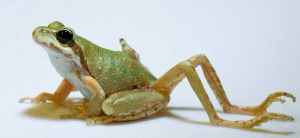
Sometimes extra legs are a hindrance not helpful. Image credit: Brett Goodman and Pieter Johnson

There are potential “benefits” too. Research suggests Toxoplasma infection, which can increase confidence and risk-taking, may even be linked with increased entrepreneurial and business-related activities. Indeed, this same study found that nations with higher rates of toxoplasmosis had a lower proportion of individuals concerned about failure related to new business ventures.

Toxoplasma gondii manipulates its host to increase transmission and continue its life cycle. Infected rodents may become unwitting participants in a game of cat-and-mouse-and-parasite in which they lose their fear of cats and instead become attracted to them.

Rather than manipulating host behaviour, as in the case of fungi that turn ants into zombies, some parasites cause body malformations. This makes hosts more likely to become prey for subsequent hosts and hence to continue the parasite’s life cycle. One of the most striking examples is a trematode (flatworms often known as flukes) that causes missing legs, extra legs or deformed legs in frogs and other amphibians. Extra legs, in some cases several, serve no function and simply impede movement, making it harder to escape predators.

Parasites are fundamental to ecosystems and require conservation

Parasites are a big part of life on Earth. A study on the Californian coast found the sheer mass of parasites exceeded that of top predators. In particular, the biomass of trematodes was greater than that of birds, fish, burrowing shrimps and polychaetes (marine worms).

The presence of parasites (Gyrodactylus turnbulli) can affect how colourful male guppies are, influencing their ability to attract mates. Image credit: 5snake5 via Wikimedia commons

Evidence suggests ecosystems rich in parasites are healthier than those with fewer parasites. But there is increasing concern for the survival of these species amid a growing extinction crisis. So a global plan for parasite conservation was proposed in 2020, with priorities including increased data collection and genetic analysis, making conservation assessments, and raising public awareness.

Sadly, parasites can inflict great pain, meat allergies, suffering, and a heavy death toll. Malaria, schistosomiasis (sometimes referred to as snail fever, bilharzia, and Katayama fever), and sleeping sickness are just a few examples.

But they also shape our world in profound ways, have crucial ecological roles, and paradoxically, may in some cases help keep us healthier. Though it may be confronting to admit, we need parasites as much as they need us.

The Conversation

Categories
The Conversation

The Conversation: Decorating your Christmas tree? Try these crafts inspired by Aussie plants and animals

Image credit: Laura Driessen

By Caitlyn Forster, University of Sydney; Euan Ritchie, Deakin University, and Laura Nicole Driessen, University of Sydney.

This article is republished from The Conversation under a Creative Commons license. Read the original article.

While we’re busy preparing for Christmas, many Australian native plants and animals are also busy – growing, flowering and raising their young. What better time to celebrate this explosion of life?

Let’s set aside the holly, snowmen and reindeer this Christmas and decorate our homes with some of Australia’s most remarkable species instead.

Drawing on themes from our research on wildlife, ecology and astronomy, we’ve prepared this handy guide to an Aussie festive season.

It’s not too late to get crafty and deck the halls with Christmas beetle baubles and paper parrots for a Christmas with a difference.

Christmas beetle baubles

As their name suggests, Christmas beetles would have to be our most notable Christmassy insect. These little beauties give our eucalyptus trees their own little baubles. The trees provide food for the beetles, which become most abundant at this time of year.

Use our Christmas beetle stencils and some spray paint to give your baubles a fresh new look.

Have you heard about the Christmas Beetle Count? This project is tracking Christmas beetle populations across Australia through the power of citizen science. People have recorded nearly 15,000 observations of beetles, including some not seen in decades.

By gaining more knowledge of which species of beetles are around, we can learn how they are doing in the face of a changing climate and urbanisation. It can also help us understand what needs to be preserved in order for Christmas beetles to thrive in future ecosystems.

Put some spines among pines (or gum leaves)

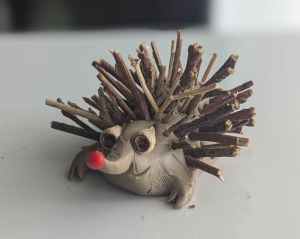
Making a Christmas echidna will be a delightful way to introduce a bit of sensory play into your home. Image credit: Shannon Drayton-Taylor

The echidna is one of only two egg-laying mammals in Australia. The other is the egg-laying and venomous playtpus.

Fun fact: relative to body size, the short-beaked echidna is the mammal with the world’s largest prefrontal cortex. This area of the brain is crucial for decision-making. Perhaps these humble, bumbling balls of spikes make better choices than we humans do?

Clay models of this marvellous monotreme make wonderful additions to any table or tree. Make your own with some clay for the body, some sticks for the spines and a couple of small gumnuts for eyes.

Swap the reindeer for tree kangaroos

For a local substitution for flying reindeer, why not consider kangaroos in the treetops?

In the far north, two species of tree kangaroos bound and crash through the treetops of our tropical rainforests.

The powerful Lumholtz and Bennett’s tree kangaroos are built for climbing. They can also jump up to 15 metres from the treetops to the ground, unharmed.

Create your own by cutting little kangaroo-shaped silhouettes out of cardboard, and draw on a face and put it on your Christmas tree.

A female tree kangaroo is best, because then you can tuck special treats like chocolates into their pouch. It’s the ultimate wildlife advent calendar.

Just don’t despair if these guys leap off the tree, as this is quite normal behaviour.

Elegant Yuletide Eclectus parrots

Better than matching knitted jumpers, Eclectus parrots make the ultimate Christmas couples. These parrots from Cape York come in vivid green (male) and stunning two-tone blue and red (female).

Males seek to impress females with their plumage and vocal repertoire. If successful, they’ll engage in acrobatic aerial displays by showing off their colourful feathers, prior to mating. Several males will bring food to a single female while she incubates eggs in a deep tree hollow.

Making origami eclectus parrots can be a simple way to add some native birds to your Christmas tree. Image credit: Shannon Drayton-Taylor

Make your own origami bird decorations using coloured paper. Once the bird is folded, add some ribbon so they can be placed on your tree. Consider creating a whole family of adults and chicks, just as they would in the wild.

You can even use recycled paper and colour it to suit other Christmas-coloured birds such as king parrots, rosellas or lorikeets.

If you’re into backyard or street cricket, you could even take advantage of time spent waiting around when you’re fielding to do a bird count using the citizen science app eBird. Download the app, count the birds you see and contribute to citizen science.

Look up to the sky for inspiration

The ‘Great Celestial Emu’ an image of the night sky captured at the Elvina engraving site in Ku-ring-gai Chase National Park, near Sydney, annotated with an outline of the emu shape. Image credit: Barnaby Norris and Ray Norris

The “Great Celestial Emu” is a beautiful feature of the night sky in the southern hemisphere.

Indigenous Australian stories about the Emu in the Sky come from all over the country.

Compared to constellations named by Babylonian and Ancient Greek astronomers, the emu is unique. In this case the name is not given to a group of stars forming a recognisable pattern. Instead, the emu shape is a silhouette made up of dark patches of gas and dust blocking light from the Milky Way. This is the Dark Emu in the title of Bruce Pascoe’s bestselling book.

The head is the dark Coalsack Nebula next to the Southern Cross and the neck extends through the middle of the “pointer stars” (Alpha and Beta Centauri). In December, the head of the emu is visible in the early morning before dawn.

We added the Great Celestial Emu to our Christmas tree by sprucing up a silver bauble with glitter.

Finish with some gardening and foraging

We can bring the outside in, or we can head out to enjoy nature in all its glory.

Being in nature has many benefits for health and wellbeing.

Many Australian plants will be flowering over summer, and they can be collected, dried, and placed in clear baubles to create simple, beautiful decorations for your tree.

Or you can get planting and grow your own Christmas tree, such as a cypress pine local to your area or even a Christmas bush.

The Conversation
Categories
Publications Research

Biodiversity impacts of the 2019–2020 Australian megafires

Published in: Nature

Authors: Don A Driscoll, Kristina J Macdonald, Rebecca K Gibson, Tim S Doherty, Dale G Nimmo, Rachael H Nolan, Euan G Ritchie, Grant J Williamson, Geoffrey W Heard, Elizabeth M Tasker, Rohan Bilney, Nick Porch, Rachael A Collett, Ross A Crates, Alison C Hewitt, Elise Pendall, Matthias M Boer, Jody Gates, Rebecca L Boulton, Christopher M Mclean, Heidi Groffen, Alex C Maisey, Chad T Beranek, Shelby A Ryan, Alex Callen, Andrew J Hamer, Andrew Stauber, Garry J Daly, John Gould, Kaya L Klop-Toker, Michael J Mahony, Oliver W Kelly, Samantha L Wallace, Sarah E Stock, Christopher J Weston, Liubov Volkova, Dennis Black, Heloise Gibb, Joshua J Grubb, Melodie A McGeoch, Nick P Murphy, Joshua S Lee, Chris R Dickman, Victor J Neldner, Michael R Ngugi, Vivianna Miritis, Frank Köhler, Marc Perri, Andrew J Denham, Berin D E Mackenzie, Chris A M Reid, Julia T Rayment, Alfonsina Arriaga-Jiménez, Michael W Hewins, Andrew Hicks, Brett A Melbourne, Kendi F Davies, Matthew E Bitters, Grant D Linley, Aaron C Greenville, Jonathan K Webb, Bridget Roberts, Mike Letnic, Owen F Price, Zac C Walker, Brad R Murray, Elise M Verhoeven, Alexandria M Thomsen, David Keith, Jedda S Lemmon, Mark K J Ooi, Vanessa L Allen, Orsi T Decker, Peter T Green, Adnan Moussalli, Junn K Foon, David B Bryant, Ken L Walker, Matthew J Bruce, George Madani, Jeremy L Tscharke, Benjamin Wagner, Craig R Nitschke, Carl R Gosper, Colin J Yates, Rebecca Dillon, Sarah Barrett, Emma E Spencer, Glenda M Wardle, Thomas M Newsome, Stephanie A Pulsford, Anu Singh, Adam Roff, Karen J Marsh, Kye Mcdonald, Lachlan G Howell, Murraya R Lane, Romane H Cristescu, Ryan R Witt, Emma J Cook, Felicity Grant, Bradley S Law, Julian Seddon, Karleah K Berris, Ryan M Shofner, Mike Barth, Torran Welz, Alison Foster, David Hancock, Matthew Beitzel, Laura X L Tan, Nathan A Waddell, Pamela M Fallow, Laura Schweickle, Tom D Le Breton, Craig Dunne, Mikayla Green, Amy-Marie Gilpin, James M Cook, Sally A Power, Katja Hogendoorn, Renee Brawata, Chris J Jolly, Mark Tozer, Noushka Reiter, and Ryan D Phillips

Abstract

With large wildfires becoming more frequent, we must rapidly learn how megafires impact biodiversity to prioritize mitigation and improve policy. A key challenge is to discover how interactions among fire-regime components, drought and land tenure shape wildfire impacts.

The globally unprecedented 2019–2020 Australian megafires burnt more than 10 million hectares, prompting major investment in biodiversity monitoring. Collated data include responses of more than 2,000 taxa, providing an unparalleled opportunity to quantify how megafires affect biodiversity.

We reveal that the largest effects on plants and animals were in areas with frequent or recent past fires and within extensively burnt areas. Areas burnt at high severity, outside protected areas or under extreme drought also had larger effects. The effects included declines and increases after fire, with the largest responses in rainforests and by mammals.

Our results implicate species interactions, dispersal and extent of in situ survival as mechanisms underlying fire responses. Building wildfire resilience into these ecosystems depends on reducing fire recurrence, including with rapid wildfire suppression in areas frequently burnt. Defending wet ecosystems, expanding protected areas and considering localized drought could also contribute. While these countermeasures can help mitigate the impacts of more frequent megafires, reversing anthropogenic climate change remains the urgent broad-scale solution.

Driscoll DA, Macdonald KJ, Gibson RK, Doherty TS, Nimmo DG, Nolan RH, Ritchie EG, Williamson GJ, Heard GW, Tasker EM, Bilney R, Porch N, Collett RA, Crates RA, Hewitt AC, Pendall E, Boer MM, Gates J, Boulton RL, Mclean CM, Groffen H, Maisey AC, Beranek CT, Ryan SA, Callen A, Hamer AJ, Stauber A, Daly GJ, Gould J, Klop-Toker KL, Mahony MJ, Kelly OW, Wallace SL, Stock SE, Weston CJ, Volkova L, Black D, Gibb H, Grubb JJ, McGeoch MA, Murphy NP, Lee JS, Dickman CR, Neldner VJ, Ngugi MR, Miritis V, Köhler F, Perri M, Denham AJ, Mackenzie BDE, Reid CAM, Rayment JT, Arriaga-Jiménez A, Hewins MW, Hicks A, Melbourne BA, Davies KF, Bitters ME, Linley GD, Greenville AC, Webb JK, Roberts B, Letnic M, Price OF, Walker ZC, Murray BR, Verhoeven EM, Thomsen AM, Keith D, Lemmon JS, Ooi MKJ, Allen VL, Decker OT, Green PT, Moussalli A, Foon JK, Bryant DB, Walker KL, Bruce MJ, Madani G, Tscharke JL, Wagner B, Nitschke CR, Gosper CR, Yates CJ, Dillon R, Barrett S, Spencer EE, Wardle GM, Newsome TM, Pulsford SA, Singh A, Roff A, Marsh KJ, Mcdonald K, Howell LG, Lane MR, Cristescu RH, Witt RR, Cook EJ, Grant F, Law BS, Seddon J, Berris KK, Shofner RM, Barth M, Welz T, Foster A, Hancock D, Beitzel M, Tan LXL, Waddell NA, Fallow PM, Schweickle L, Le Breton TD, Dunne C, Green M, Gilpin A-M, Cook JM, Power SA, Hogendoorn K, Brawata R, Jolly CJ, Tozer M, Reiter N, Phillips RD (2024) Biodiversity impacts of the 2019–2020 Australian megafires. Nature PDF DOI

Categories
Publications Research

Widespread resilience of animal species, functional diversity, and predator–prey networks to an unprecedented gigafire

Published in: Journal of Applied Ecology

Authors: Grant D Linley, Chris J Jolly, Eamonn I F Wooster, Emma E Spencer, Mitchell A Cowan, William L Geary, Alana de Laive, Damian R Michael, Euan G Ritchie, and Dale G Nimmo

Abstract

Climate change is altering fire regimes globally, leading to an increased incidence of large and severe wildfires, including gigafires (>100,000 ha), that homogenise landscapes. Despite this, our understanding of how large, severe wildfires affect biodiversity at the landscape scale remains limited.

We investigated the impact of a gigafire that occurred during the unprecedented 2019–20 Australian ‘Black Summer’ on terrestrial fauna. We selected 24 study landscapes, each 0.785 km² in size, that represented a gradient in the extent of high severity fire, unburnt vegetation, and the diversity of fire severity classes (‘pyrodiversity’). We used wildlife cameras to survey biodiversity across each landscape and quantified species activity, community and functional diversity, and predator–prey network metrics. We used Bayesian mixed-effects models to assess the influence of fire-induced landscape properties on these measures.

Most native species showed resilience to the 2019–20 wildfires, displaying few relationships with fire-induced properties of landscapes, including the extent of high severity fire, unburnt vegetation, or pyrodiversity.

Community and functional diversity and measures of predator–prey networks were also largely unaffected by fire-induced landscape properties, although landscapes with a greater proportion of high severity fire had higher abundance and richness of introduced animal species.

Despite prevailing narratives of widespread ecological destruction following the 2019–20 wildfires, our findings suggest widespread resilience, potentially facilitated by evolutionary adaptations of animals to fire. Interventions aimed at helping such species recover may not be necessary and could instead focus on the subset of species that are vulnerable to severe fire. While mixed-severity fires are often advocated to promote biodiversity through pyrodiversity, our results suggest that such management efforts might not be necessary in our study region. Given that severe fire favours introduced animal species, invasive species management could focus on large, severely burnt areas.

Linley GD, Jolly CJ, Wooster EIF, Spencer EE, Cowan MA, Geary WL, De Laive A, Michael DR, Ritchie EG, Nimmo DG (2024) Widespread resilience of animal species, functional diversity, and predator–prey networks to an unprecedented gigafire. Journal of Applied Ecology PDF DOI

Categories
Science communication

Euan Ritchie wins Eureka prize for ‘Promoting Understanding of Science’

I’m extremely honoured to have been awarded the 2024 Eureka prize for Promoting Understanding of Science.

I would like to acknowledge my fellow finalists, Dr Vanessa Pirotta (Macquarie University) and Associate Professor Suzie Sheehy (University of Melbourne) who are each equally deserving of this recognition.

I feel privileged to work with so many amazing and inspiring people each day, and to be able to help tell our scientific stories, which have never been more important given the dual climate change and biodiversity decline and extinction crises we confront.

I encourage everyone to tell their scientific stories, you never know who might be listening, and stories told well can change the world.

I also extend my thanks to the Australian Museum for hosting the ‘Oscars’ of Australian science, and Celestino, for supporting this important award category recognising the role of communicating research beyond scientific journals and academia.

I want to thank Deakin University for allowing me to do the work that I do, and my family, friends, colleagues, and students for their ongoing support.

I would to acknowledge that my work has occurred across the unceded Country of First Nations Peoples, Australia’s first scientists and storytellers.

Here’s a little snippet of the awards ceremony; thanks to thanks to my wonderful wife and science communicator extraordinaire, Jen for capturing this memory for me.

Categories
Science communication The Conversation

The Conversation: Move over Olympians, Australia’s wildlife are incredible athletes

The now extinct oolacunta or desert rat-kangaroo. John Gould, 1863

This article is republished from The Conversation under a Creative Commons license. Read the original article.

Now that the Paris Olympics and Paralympics have disappeared from our screens, let’s get back to watching animal videos.

But seriously, have you ever paused to think about the athletic abilities of Australian wildlife?

In my research as an ecologist, I’m constantly amazed by the strength, speed and resilience of our native animals. Their prowess is testament to the wonders of evolution, and the necessity of species having to adapt to challenging and changing environments in order to survive.

Let’s take a closer look at some of our best competitors and how might they fare, against humans and overseas entrants. On your marks, get set… swim, hop, dig, dance, glide!

Swimming

Australians are renowned for being strong swimmers. But what is the fastest swimmer in the animal kingdom?

On this there is much debate. Some suggest it’s the Indo Pacific sailfish, clocking in at about 30km/hr. That’s impressive, but much slower than oft-cited (but inaccurate) claims it can travel at more than 100km/hr.

For perspective, the fastest human to swim the 50 metres freestyle is American Caeleb Dressel, completing this in a time of 20.16 seconds. That’s roughly 9km/h – faster than many people jog, but still no match for a sailfish.

As in humans, swimming speed in fishes tends to increase with body length. Larger species that challenge sailfish for the fastest swimmer title include blue or black marlin. Shorter, torpedo-like bluefin tuna are also in contention. All are found in Australian waters, though not exclusively.

Sprinting, long and high jump

Aussie icons, red kangaroos can reach speeds of around 60-70km/hr. But they are no match for cheetahs, which can move at more than 120km/hr.

Long jump is surely the kangaroo’s main event. Red kangaroos can jump a staggering 13 metres or more. Amazingly, this might not be enough to clinch gold. Snow leopards can jump more than 15 metres.

Kangaroos can clear heights of up to 3m, so would perform well in the high jump. But they’d finish behind bottlenose dolphins, which can jump over 7m in the air, just for kicks.

Battles of strength

African elephants can lift more than 1,000kg and weaver ants more than 100 times their own body weight.

But relative to size, a truly impressive champion is Australia’s horned dung beetle. At just a centimetre long, these diminutive powerhouses can pull more than 1,100 times their own body weight, roughly equating to an average man lifting two fully-loaded 18-wheeler trucks.

And yet, horned dung beetles might still only claim silver. Another invertebrate Aussie, the tiny tropical moss mite, is perhaps the world’s strongest animal. It can pull more than 1,180 times its weight.

Packing the fastest, deadliest punch

In terms of combat sports, bigger is not always better.

Peacock mantis shrimps – invertebrates found in Australian marine waters and elsewhere – have the swiftest and most powerful punch in the lightweight crustacean division.

They kill prey by punching them with strong, club-like appendages. They deliver blows at up to 23m per sec, akin to the speed and force of a .22 calibre bullet being fired.

So powerful is the punch, it vaporises water and creates a super-hot shockwave that breaks up and incapacitates its prey.

Tantalising contests

What about a digging contest? Eastern barred bandicoots can shift 4.8 tonnes of soil a year. How would that stack up against marsupial moles, which can disappear almost instantly into desert sands? Or the expert excavations of wombats and aardvarks that can dig more than half a metre in 15 seconds?

In terms of free-diving and flying, there’s really no contest. Cuvier’s beaked whale can dive nearly 3000m and peregrine falcons can reach over 320 km/hr. These animals are found across the globe, however – not just in Australia.

Australia’s largest gliding marsupial, the greater glider, can sail up to 100m between trees. But gliding gold would surely go to the giant flying squirrel, which can glide up to 450m.

I’d love to see a shooting contest between Australia’s archer fish and Madagascar’s panther chameleon. But finding the right arena for both aquatic and land-based sharpshooters would be tricky.

Raygun’s kangaroo hop is now legendary, but a breaking (break dancing) contest between a peacock spider, spanish dancer (a type of nudibranch) and a magnificent riflebird might genuinely break the internet.

Appreciating wildlife athletes

So who would win a global contest for the best wildlife athlete overall?

If the competition was on land and focused on running, jumping, strength and climbing, it’s hard to go past the overall abilities of a Bengal tiger.

Many amazing wildlife athletes are threatened with extinction. Others are gone forever.

They include the incredible oolacunta – also known as the desert rat kangaroo. It’s powers of endurance in the desert are the stuff of folklore. As legendary Australian mammalogist Hedley Herbert Finlayson wrote in 1931:

Its speed for such an atom, was wonderful, and its endurance amazing … when we finally got it, it had taken the starch out of three mounts and run us 12 miles; all under such adverse conditions of heat and rough going, as to make it almost incredible that so small a frame should be capable of such an immense output of energy.

Let’s celebrate wildlife and their athletic abilities and ensure they have a secure future.

The Conversation

Categories
Research Science communication The Conversation

The Conversation: The power of one: solitary carnivores outkill group hunters

Mark Elbroch, Panthera

By Luke Emerson and Euan Ritchie, Deakin University.

This article is republished from The Conversation under a Creative Commons license. Read the original article.

Earth’s majestic “apex predators” are some of the most prolific hunters in the world. But which ones kill the most?

Such information allows us to better understand how different predators affect their environment. It can also guide hunting quotas and help evaluate how humans affect carnivores.

These apex predators perform vital roles in ecosystems. Yet tragically they are among the world’s most threatened animals. Carnivores frequently come into conflict with humans, particularly over livestock and public safety.

Our approach

We examined 196 papers that either quantified large mammal carnivore kill rates, or reported data we could use to calculate the rates ourselves.

We focused on the large land-based carnivores weighing 15 kilograms or more. We also searched for kill rate studies on four smaller species — coyote, wolverine, fossa (a cat-like predator found in Madagascar) and the Tasmanian Devil — as they’re all considered apex predators in certain regions and ecosystems.

We only found kill rate estimates for 17 (55%) of the 31 carnivore species included in our review. Studies came from 27 countries across five continents.

The research focused on mammals weighing 15 kg or more. Jurgens Potgieter, Shutterstock

Carnivores hunt in different ways

We found kill rates differ between carnivores with different social structures and hunting strategies.

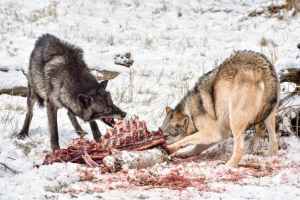
Social predators, such as wolves and lions, tend to kill fewer animals per carnivore than solitary hunters such as bears, tigers and Eurasian lynx. For example, on average grey wolves made a kill every 27 days per wolf, compared with every four days per Eurasian lynx.

Larger wolf packs can bring down large animals such as bison more easily. Similarly, groups of cheetahs can tackle larger prey than solitary cheetahs. This could mean they don’t need to hunt as often.

Working as a team may also reduce losses to scavengers, as groups can better defend their kills through sheer numbers. Or they might be better at scavenging and stealing (“kleptoparasitism”) from others.

Canine predators such as wolves and African wild dogs often rely on high-energy pursuits over long distances. For example, grey wolves can pursue prey for more than 20 kilometres. In contrast, cats rely on stealth, using an ambush hunting strategy. This saves energy.

Solitary large carnivores such as tigers, leopards and Eurasian lynx, which mainly hunt hooved mammals, have similar kill rates regardless of body mass. This suggests large land-based carnivores are compelled to hunt prey closer to their own size or larger, to compensate for the energy used in the hunt.

Smaller carnivores such as cheetahs, pumas and African wild dogs often kill more prey than their larger counterparts, but only consume about half of what they kill.

This behaviour benefits other species such as lions, bears and wolves and is likely a consequence of having to compensate for the theft and loss of food. Pumas are thought to provide more than 1.5 million kilograms of carrion a day across North and South America.

If you’ve seen The Lion King movie, you’d be forgiven for thinking hyenas largely steal and scavenge their food. But that’s not the case. Lions often steal from hyenas, as well as from other carnivores such as cheetahs and African wild dogs.

Bias in kill rate research

More than half (55%) of all kill rate studies have been conducted in North America. Africa follows with almost a quarter (24%), then Europe (12.5%).

Asia was a long way behind with 7% of all kill rate studies. That’s just 13 studies covering six species. This is despite being the largest continent, home to 17 (55%) of the 31 large carnivore species included in our review.

No reliable kill rate studies have been published from Australia.

A third (33%) of all kill rate studies focused on grey wolves, followed by pumas (20%), lions (12%) and Eurasian lynx (8%). This means we know little about the predatory behaviour and roles of other large carnivores.

Grey wolves are considered a threat to livestock and wildlife that humans value. This has prompted significant investment in research to understand their predatory behaviour and that of other large North American carnivores.

Such work has subsequently been used to inform appropriate management and conservation of these predators and their prey.

A third of all studies focused on grey wolves. Evelyn D. Harrison, Shutterstock

Carnivores bring benefits

Kill rate studies provide more than just a tally of carnivore behaviour. They offer deeper insights into the relationships between predators and prey, and their effects on ecosystems.

Large carnivores shape ecosystems by scaring and killing prey, which can change their behaviour, distribution and abundance. They also supply food to other species, affecting the flow of nutrients and energy.

In many ways, large carnivores also help people. They can reduce the risk of vehicle collisions, by killing deer that might otherwise wander onto roads. They may limit the spread of disease by preying on sick animals, and control herbivores, aiding livestock producers.

Yet carnivores, including Australia’s dingo, are still widely persecuted. We need to do all we can to maintain their pride of place at the pinnacle of Earth’s ecosystems.

Of course, if you really want to know which species is the biggest killer, it’s humans. We are the dominant predator across Earth.The Conversation

The Conversation

Categories
Publications Research

Wildlife restoration in fragmented landscapes: Trialling wild-to-wild translocation with two common reptiles

Authors: Dylan M Westaway, Chris J Jolly, David M Watson, Maggie J Watson, Damian R Michael, Grant D Linley, Ben Holmes, Euan G Ritchie, Anne Buchan, Ella Loeffler, and Dale G Nimmo

Published in: Biological Conservation

Abstract

Translocations are an increasingly popular conservation tool, although their use to date has been largely reactive, often attempting to stave off the extinction of threatened species. Recently, a more proactive concept of ‘wildlife restoration’ has been proposed, involving regular, short-distance, community-driven translocations of common but patchily distributed species within agricultural and urban landscapes.

We trialled this concept by carrying out experimental translocations of two agamid lizard species from the Little Desert National Park in south-eastern Australia, where they are abundant, to fragments of similar habitat in the adjacent agricultural landscape, where they were absent, or occurring in low numbers. Study animals were monitored via radio-telemetry to assess survival, body condition, site fidelity, activity area, movement and microhabitat use of hard-release and soft-release animals compared to control animals.

Survival was generally high over the monitoring period (up to 64 days) with only six (16 %) confirmed deaths and was similar between translocation treatments. Body condition, site fidelity, activity area, movement rate, and microhabitat use were similar between translocated and control animals. Lizards subjected to temporary pens (soft-release) exhibited similar outcomes to those released immediately (hard-release).

While the assessment of breeding and population establishment necessitates long-term monitoring, our short-term findings highlight the resilience of translocated reptiles, supporting the notion that ‘mainstreaming’ fauna translocations could be a viable and effective conservation intervention.

Westaway DM, Jolly CJ, Watson DM, Watson MJ, Michael DR, Linley GD, Holmes B, Ritchie EG, Buchan A, Loeffler E, Nimmo DG (2024) Wildlife restoration in fragmented landscapes: Trialling wild-to-wild translocation with two common reptiles. Biological Conservation PDF DOI

Categories
Publications Research

A global assessment of large terrestrial carnivore kill rates

Authors: Luke D Emerson, Heiko U Wittmer, L Mark Elbroch, Kristal Kostoglou, Kimberley J Bannister, Jared J Psaila, Desley Whisson, and Euan G Ritchie

Published in: Biological Reviews

Abstract

Through killing and instilling fear in their prey, large terrestrial carnivores shape the structure and function of ecosystems globally. Most large carnivore species have experienced severe range and population declines due to human activities, and many are now threatened with extinction. Consequently, the impacts of these predators on food webs have been diminished or lost completely from many ecosystems.

Kill rates provide a fundamental metric for understanding large carnivore ecology and assessing and comparing predation within and across ecological communities.

Our systematic review of large terrestrial mammalian carnivore kill rates reveals significant positive geographic (North America, Europe, and Africa) and taxonomic (grey wolf Canis lupus, puma Puma concolor, lion Panthera leo, and Eurasian lynx Lynx lynx) bias, with most studies apparently motivated by human-carnivore conflict over access to ungulate prey and wildlife management objectives.

Our current understanding of the behaviour and functional roles of many large carnivore species and populations thus remains limited. By synthesising and comparing kill rates, we show that solitary carnivores (e.g. brown bears Ursus arctos and most felids) exhibit higher per capita kill rates than social carnivores. However, ungulate predation by bears is typically limited to predation of neonates during a short period. Lower per capita kill rates by social carnivores suggests group living significantly reduces energetic demands, or, alternatively, that group-living carnivores defend and consume a greater proportion of large prey carcasses, or may acquire more food through other means (e.g. scavenging, kleptoparasitism) than solitary hunters.

Kill and consumption rates for Canidae — measured as kilograms of prey per kilogram of carnivore per day — are positively correlated with body mass, consistent with increasing energy costs associated with a cursorial hunting strategy. By contrast, ambush predators such as felids show an opposite trend, and thus the potential energetic advantage of an ambush hunting strategy for carnivores as body mass increases. Additionally, ungulate kill rates remain relatively constant across solitary felid body sizes, indicative of energetic constraints and optimal foraging.

Kill rate estimates also reveal potential insights into trophic structuring within carnivore guilds, with subordinate carnivores often killing more than their larger counterparts, which may be indicative of having to cope with food losses to scavengers and dominant competitors. Subordinate carnivores may thus serve an important role in provisioning food to other trophic levels within their respective ecosystems.

Importantly, kill rates also clarify misconceptions around the predatory behaviour of carnivores (e.g. spotted hyaenas Crocuta crocuta and wolverines Gulo gulo are often considered scavengers rather than the capable hunters that they are) and thus the potential impacts of various carnivore species on their ecological communities.

Despite the importance of kill rates in understanding predator-prey interactions, their utility is not widely recognised, and insufficient research limits our ability to fully appreciate and predict the consequences of modified predation regimes, justify current management actions affecting carnivores, or inform effective conservation measures.

Together with other important research on predator-prey interactions, robust kill rate studies that address the research deficiencies we highlight will provide a deeper understanding of the foraging behaviours and potential ecosystem impacts of many of the world’s carnivores, thus aiding effective conservation and management actions.

Emerson LD, Wittmer HU, Elbroch LM, Kostoglou K, Bannister KJ, Psaila JJ, Whisson D, Ritchie EG (2024) A global assessment of large terrestrial carnivore kill rates. Biological Reviews PDF DOI

Categories
Publications Research

Balancing livestock production and environmental outcomes in northern Australia’s tropical savanna under global change

Authors: Rebecca K Runting, Darran King, Martin Nolan, Javier Navarro, Raymundo Marcos-Martinez, Jonathan R Rhodes, Lei Gao, Ian Watson, Andrew Ash, April E Reside, Jorge G Álvarez-Romero, Jessie A Wells, Euan G Ritchie, Michalis Hadjikakou, Don A Driscoll, Jeffery D Connor, Jonathan Garber, and Brett A Bryan

Published in: Environmental Research Letters

Abstract

Livestock production is an integral part of the global food system and the livelihoods of local people, but it also raises questions of environmental sustainability due to issues such as greenhouse gas (GHG) emissions, biodiversity decline, land degradation, and water use. Further challenges to extensive livestock systems may arise from changes in climate and the global economy (particularly variation in prices for livestock and carbon). However, significant potential exists for both mitigating these impacts and adapting to change via altering stocking rates, managing fire, and supplementing cattle diets to reduce methane emissions.

We developed an integrated, spatio-temporal modelling approach to assess the effectiveness of these options for land management in northern Australia’s tropical savanna under different global change scenarios. Performance was measured against a range of sustainability indicators, including environmental (GHG emissions, biodiversity, water intake, and land condition) and agricultural (profit, beef production) outcomes.

Our model shows that maintaining historical stocking rates is not environmentally sustainable due to the accelerated land degradation exacerbated by a changing climate. However, planned early dry season burning substantially reduced emissions, and in our simulations was profitable under all global change scenarios that included a carbon price. Overall, the balance between production and environmental outcomes could be improved by stocking below modelled carrying capacity and implementing fire management. This management scenario was the most profitable (more than double the profit from maintaining historical stocking rates), prevented land degradation, and reduced GHG emissions by 23%.

By integrating the cumulative impacts of climate change, external economic drivers, and management actions across a range of sustainability indicators, we show that the future of rangelands in Australia’s savannas has the potential to balance livestock production and environmental outcomes.

Runting RK, King D, Nolan M, Navarro J, Marcos-Martinez R, Rhodes JR, Gao L, Watson I, Ash A, Reside AE, Álvarez-Romero JG, Wells JA, Ritchie EG, Hadjikakou M, Driscoll DA, Connor JD, Garber J, Bryan BA (2024) Balancing livestock production and environmental outcomes in northern Australia’s tropical savanna under global change. Environmental Research Letters PDF DOI 

Categories
Media Science communication

Australian Geographic: Law reform for nature

Australia’s wildlife and ecosystems are iconic, integral to our national identity and loved the world over. But they’re often disregarded, destroyed and are suffering decline at alarming rates. More than 100 species extinct and 2000-plus threatened species and ecological communities: this is Australia’s unenviable conservation record since European colonisation.

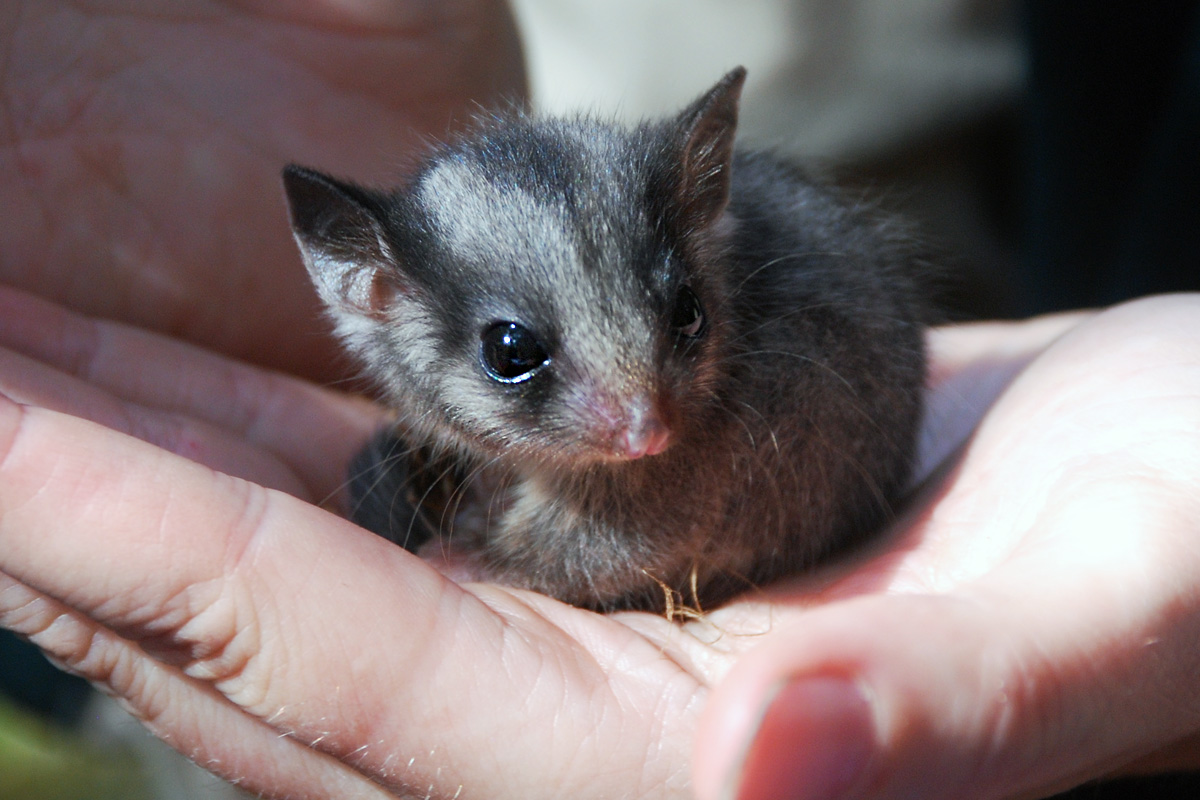
The Leadbeater’s possum (Gymnobeliedeus leadbeateri) is one of many animal species that remain at high risk of extinction despite being listed as endangered on the Environment Protection and Biodiversity Conservation Act for almost a decade. Image credit: Green MPs via Flickr

It might seem a strange thing for a wildlife ecologist to say, but genuine progress for conservation in Australia does not hinge on more science.

Read more in my opinion piece on the Australian Geographic website.

Categories
Publications Research

Vertebrate scavenging in Australia is shaped by a complex interplay of bioregional, seasonal and habitat factors

Authors: Emma E Spencer, Christopher R Dickman, Aaron Greenville, Phillip Barton, Euan G Ritchie, and Thomas M Newsome

Published in: Journal of Zoology

Abstract

Carcass scavenging by vertebrates is a critical ecosystem service that is influenced by environmental factors such as season and habitat. However, there is limited understanding of the role that these factors play in shaping scavenging patterns across different bioregions.

We used camera traps to monitor vertebrate scavengers at 120 kangaroo (Family: Macropodidae) carcasses that were positioned across different seasons (warm/cool) and habitats (open/closed canopy) in three disparate desert, subalpine and temperate bioregions in Australia.

Our survey identified 27 species that scavenged carcasses and revealed clear differences in scavenging patterns across the three bioregions. Carcass use was highest for feral cats, birds of prey, corvids and red foxes in the desert bioregion; for reptiles and dingoes in the temperate bioregion and for feral pigs, possums and dingoes in the subalpine bioregion. Bioregional differences in scavenger guild composition explained >4.6 times more variation in scavenger guild dissimilarity than season and >9.8 times more variation than habitat. Further, habitat had few effects on scavenger communities or carcass detection and use, whereas season was a strong predictor of these responses. Across bioregions, there were some general seasonal and habitat scavenging trends, with mammals and birds often using carcasses more frequently in cooler seasons and birds detecting carcasses faster in open habitat. However, there was also extensive within-bioregion seasonal variation. For example, depending on bioregion, some animals scavenged more frequently or detected carcasses faster in warmer seasons (i.e. birds and reptiles).

Our results show that vertebrate scavenging is mediated by a complex interplay of environmental variables, especially seasonality, which may operate differently across bioregions. These findings have implications for understanding variability in vertebrate scavenging patterns and, in turn, functionally redundant or complementary scavenging processes.

Spencer EE, Dickman CR, Greenville A, Barton P, Ritchie EG, Newsome TM (2024) Vertebrate scavenging in Australia is shaped by a complex interplay of bioregional, seasonal and habitat factors. Journal of Zoology PDF DOI

Categories
Science communication

Euan Ritchie nominated for Eureka Prize 2024

Numbats, quokkas, rakali, bilbies… just a few of Australia’s amazing and unique mammals whose ecosystems are under threat from human impacts including development and climate change. 

I am honoured to once again be named among 55 finalists shortlisted for 19 Australian Museum Eureka Prizes, Australia’s premier science awards.

The 2024 awards reward excellence in research and innovation, leadership, science engagement, and school science.

I’m nominated in for the Celestino Eureka prize for promoting understanding of science for my work to foster public understanding of nature, wildlife and how science can help overcome environmental challenges.

The winners are to be announced on Wednesday 4 September 2024.

Categories
Publications Research

Fragments maintain similar herpetofauna and small mammal richness and diversity to continuous habitat, but community composition and traits differ

Authors: Dylan M Westaway, Chris J Jolly, David M Watson, Tim S Jessop, Damian R Michael, Grant D Linley, Anna Aristova, Ben Holmes, Jodi N Price, Euan G Ritchie, William L Geary, Anne Buchan, Ella Loeffler, and Dale G Nimmo

Published in: Landscape Ecology

Abstract

Context: Human disturbance has transformed ecosystems globally, yet studies of the ecological impact of landscape modification are often confounded. Non-random patterns of land clearing cause differing vegetation types and soil productivity between fragments in modified landscapes and reference areas — like national parks — with which they are compared.

Objectives: We sought to explore the influence of land modification on herpetofauna and small mammal communities using multiple biodiversity measures — species richness and diversity, individual species abundance, and community composition. We also aimed to investigate the role of traits such as diet, habitat breadth, and litter size in moderating species responses to land modification.

Methods: We established 100 sampling sites to survey herpetofauna and small mammals in 11 fragments in an agricultural landscape compared to 11 ecologically equivalent ‘pseudo-fragments’ in a nearby national park in south-eastern Australia. We selected pairs of fragments and pseudo-fragments of the same size and vegetation type, and used identical survey methods to sample pairs simultaneously, thereby controlling for numerous confounding factors, such as differing vegetation type, weather, and survey effort.

Results: Species richness and diversity were similar between fragments and pseudo-fragments. Despite this, we found community composition differed markedly — driven by the varying responses of individual species — indicating a shift in fauna communities associated with land modification. Fossorial habit, omnivorous diet, and broad habitat requirements led to higher abundance in fragments whilst arboreality, carnivorous diet, and narrow habitat requirements led to higher abundance in pseudo-fragments.

Conclusions: Although fragments hold similar numbers of species to continuous areas, they contain distinct and novel communities, and sustain high abundances of some species. These diverse communities are dominated by native species, including threatened species, and their distinctive composition is shaped by traits conducive to persistence amidst land modification. These novel communities may provide a reservoir of resilience in the face of environmental change and should be viewed as complementary to conservation areas.

Westaway DM, Jolly CJ, Watson DM, Jessop TS, Michael DR, Linley GD, Aristova A, Holmes B, Price JN, Ritchie EG, Geary WL, Buchan A, Loeffler E, Nimmo DG (2024) Fragments maintain similar herpetofauna and small mammal richness and diversity to continuous habitat, but community composition and traits differ. Landscape Ecology PDF DOI

Categories
Publications Research

The red fox (Vulpes vulpes) is the dominant predator of lizard models in a semi-arid landscape, and predation risk is reduced by vegetation cover

Authors: Shannon Braun, Euan G Ritchie, Tim S Doherty, and Dale G Nimmo

Published in: Austral Ecology

Abstract

Vegetation structure affects predation risk in ecosystems around the world. Spinifex (Triodia spp.) is a foundation species in fire-prone grasslands and woodlands that cover more than a third of Australia’s land surface. Spinifex habitats are known for their high reptile diversity, and it has long been hypothesized that the spiky structure of spinifex dissuades predators, thereby providing a haven for prey.

We investigated predation risk to small lizards in semi-arid Australia by identifying teeth marks on replica model plasticine lizards, in combination with remote camera surveillance, to quantify and verify predation risk across several microhabitats, including spinifex.

The introduced red fox (Vulpes vulpes) was identified as the main predator of lizard models, constituting 43.9% of all predation attempts. Lizard models placed at the base of spinifex plants (Triodia scariosa) were significantly less likely to be attacked than all other microhabitat types (bare ground, leaf litter, burrows), confirming the hypothesis that spinifex reduces predation risk.

Our results support recent work that has highlighted foxes as a significant predator of Australian reptiles. Given that fire is a driver of spinifex cover in arid ecosystems, our findings have implications for interactions between fire and invasive predators in Australian ecosystems.

Braun S, Ritchie EG, Doherty TS, Nimmo DG (2024) The red fox (Vulpes vulpes) is the dominant predator of lizard models in a semi‐arid landscape, and predation risk is reduced by vegetation cover. Austral Ecology PDF DOI

Categories
Media Science communication

The Conversation: Out of alignment: how clashing policies make for terrible environmental outcomes

Hanna Taniukevich/Shutterstock

By Euan Ritchie (Deakin University) Catherine Lovelock (The University of Queensland) and Sarah Bekessy (RMIT University).

This article is republished from The Conversation under a Creative Commons license. Read the original article.

Policy alignment sounds dry. But think of it like this: you want to make suburbs cooler and more liveable, so you plant large trees. But then you find the trees run afoul of fire and safety provisions, and they’re cut down.

Such problems are all too common. Policies set by different government departments start with good intentions only to clash with other policies.

At present, the Albanese government is working towards stronger environmental laws, following the scathing 2020 Samuel review of the current Environment Protection and Biodiversity Conservation Act. The review noted planning, funding and regulatory decisions are “not well integrated or clearly directed towards achieving long-term environmental sustainability”.

Stronger laws are not a standalone answer. We must find ways to align government policies far better, so progress on one front doesn’t lead to a setback elsewhere. As the government prepares to announce once in a generation changes to our main environment laws, it must find ways to reduce these clashes.

Nature vs cities

All levels of government have policies aimed at increasing canopy cover and biodiversity in cities. How hard can it be to plant trees?

The problems start when you look for places to actually plant street trees. It’s common to encounter a wall of obstacles, namely, other policies and regulations. Fire prevention, human safety, visibility for road traffic and provision of footpaths and carparks are often legally binding requirements that can stymie this seemingly simple goal.

Most cities in Australia are now actually losing canopy cover rather than gaining more.

On the biodiversity front, urban sprawl is pushing many species and ecosystems to the brink of extinction.

What should we do when threatened species protection conflicts with new housing developments? Rusty Todaro/Shutterstock

Last year, conservationists rediscovered the grassland earless dragon on Melbourne’s grassy western fringes, which we had believed was extinct. Now we had a second chance to save it, in line with the Australian government’s pledge to stop extinctions.

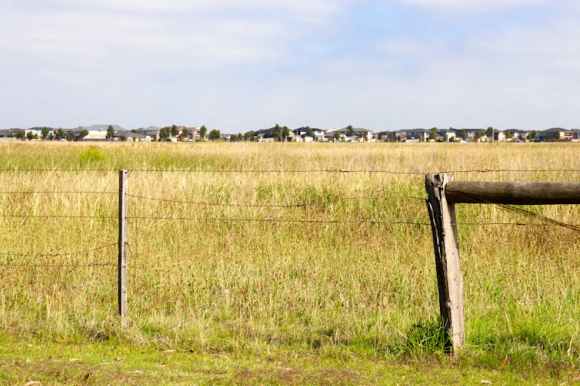
The problem? The grasslands where the dragon was found near Bacchus Marsh, just outside Melbourne, are zoned for housing. Only 1% of the grasslands ecosystems suitable for these reptiles is still intact, and much of it has been earmarked for housing.

From a housing point of view, the continued existence of the dragon now threatens plans for 310,000 homes.

If we had better policy alignment, we would look to achieve both goals: protect the dragon and build more housing through methods such as building sustainable midrise developments in established urban areas.

Protecting the reef while exporting LNG

Meanwhile, the Great Barrier Reef is bleaching again, the fifth bout in just eight years.

Almost all the extra heat trapped by greenhouse gases goes into our oceans, triggering marine heatwaves and bleaching. If the world’s largest living structure bleaches too much, it will begin to die, threatening its rich biodiversity, cultural heritage and industries such as tourism.

On the one hand, Australia wants to protect the reef and has funded efforts to boost water quality.

A LNG carrier departs the port of Gladstone, on the southern Great Barrier Reef. The cargo it carries will, when burned, trap more heat and lead to more bleaching of the reef. Ivan Kuzkin/Shutterstock

But on the other hand, supportive government policies contribute to our recent emergence as a top exporter of liquefied natural gas, which is 85–95% comprised of the potent greenhouse gas methane. Land clearing in the catchments of rivers which flow to the reef is ongoing due to policy loopholes, which adds more smothering sediment, nutrients and pollutants to the reef’s woes.

The shipping sector only has to abide by a voluntary code to avoid invasive species arriving in the ship’s bilge water, even though they could be carrying the tissue loss disease devastating reefs in the Caribbean and Florida.

Renewables versus biodiversity

Calls to fast-track clean energy projects and stop them being held up by environmental approvals are risky. We could tackle one crisis (climate change) by making another worse (biodiversity and extinction).

Australia has destroyed nearly 40% of its forests since European colonisation, with much of the remaining native vegetation highly fragmented. Because this clearing has already happened, it should be entirely possible to build renewables without damaging the homes of native species.

In fact, we can do better – we can take degraded farmland, build solar on it and restore low-lying native vegetation around it to actually boost biodiversity. Requiring new renewable projects to be nature positive would encourage creative approaches to delivering infrastructure while benefiting nature.

Solar versus nature? Why not solar and nature. FenrisWolf/Shutterstock

Policy clashes abound

There is, sadly, no shortage of examples of clashing policies:

Why the lack of alignment?

For politicians, the environment ministry is often seen as a poisoned chalice.

Within government, departments often pull in different directions. When resource and agriculture plans conflict with environmental concerns, it’s not hard to guess which side tends to win. Case in point: the recent plans to remove gas project oversight from environment minister Tanya Plibersek in favour of resources minister Madeleine King.

How can we make policies work together better for the environment? Governments should sift through all relevant policies and regulations to make sure nature-positive approaches are embedded. Requiring development proposals to benefit nature would go a long way to reducing environment-economy conflict. After all, most businesses are now looking into ways of becoming nature-positive.

Too often, environment policies are seen as opposed to those promoting the economy, jobs and industry. But they don’t have to clash.

Tremendous opportunities exist for a safer, more sustainable future, if we address current causes of friction and take a big picture approach to how we develop our policies.

The Conversation

Categories
Publications

Mammal responses to global changes in human activity vary by trophic group and landscape

Authors: A Cole Burton, Christopher Beirne, Kaitlyn M Gaynor, Catherine Sun, Alys Granados, Maximilian L Allen, Jesse M Alston, Guilherme C Alvarenga, Francisco Samuel Álvarez Calderón, Zachary Amir, Christine Anhalt-Depies, Cara Appel, Stephanny Arroyo-Arce, Guy Balme, Avi Bar-Massada, Daniele Barcelos, Evan Barr, Erika L Barthelmess, Carolina Baruzzi, Sayantani M Basak, Natalie Beenaerts, Jonathan Belmaker, Olgirda Belova, Branko Bezarević, Tori Bird, Daniel A Bogan, Neda Bogdanović, Andy Boyce, Mark Boyce, LaRoy Brandt, Jedediah F Brodie, Jarred Brooke, Jakub W Bubnicki, Francesca Cagnacci, Benjamin Scott Carr, João Carvalho, Jim Casaer, Rok Černe, Ron Chen, Emily Chow, Marcin Churski, Connor Cincotta, Duško Ćirović, T D Coates, Justin Compton, Courtney Coon, Michael V Cove, Anthony P Crupi, Simone Dal Farra, Andrea K Darracq, Miranda Davis, Kimberly Dawe, Valerie De Waele, Esther Descalzo, Tom A Diserens, Jakub Drimaj, Martin Duľa, Susan Ellis-Felege, Caroline Ellison, Alper Ertürk, Jean Fantle-Lepczyk, Jorie Favreau, Mitch Fennell, Pablo Ferreras, Francesco Ferretti, Christian Fiderer, Laura Finnegan, Jason T Fisher, M Caitlin Fisher-Reid, Elizabeth A Flaherty, Urša Fležar, Jiří Flousek, Jennifer M Foca, Adam Ford, Barbara Franzetti, Sandra Frey, Sarah Fritts, Šárka Frýbová, Brett Furnas, Brian Gerber, Hayley M Geyle, Diego G Giménez, Anthony J Giordano, Tomislav Gomercic, Matthew E Gompper, Diogo Maia Gräbin, Morgan Gray, Austin Green, Robert Hagen, Robert (Bob) Hagen, Steven Hammerich, Catharine Hanekom, Christopher Hansen, Steven Hasstedt, Mark Hebblewhite, Marco Heurich, Tim R Hofmeester, Tru Hubbard, David Jachowski, Patrick A Jansen, Kodi Jo Jaspers, Alex Jensen, Mark Jordan, Mariane C Kaizer, Marcella J Kelly, Michel T Kohl, Stephanie Kramer-Schadt, Miha Krofel, Andrea Krug, Kellie M Kuhn, Dries P J Kuijper, Erin K Kuprewicz, Josip Kusak, Miroslav Kutal, Diana J R Lafferty, Summer LaRose, Marcus Lashley, Richard Lathrop, Thomas E Lee Jr, Christopher Lepczyk, Damon B Lesmeister, Alain Licoppe, Marco Linnell, Jan Loch, Robert Long, Robert C Lonsinger, Julie Louvrier, Matthew Scott Luskin, Paula MacKay, Sean Maher, Benoît Manet, Gareth K H Mann, Andrew J Marshall, David Mason, Zara McDonald, Tracy McKay, William J McShea, Matt Mechler, Claude Miaud, Joshua J Millspaugh, Claudio M Monteza-Moreno, Dario Moreira-Arce, Kayleigh Mullen, Christopher Nagy, Robin Naidoo, Itai Namir, Carrie Nelson, Brian O’Neill, M Teague O’Mara, Valentina Oberosler, Christian Osorio, Federico Ossi, Pablo Palencia, Kimberly Pearson, Luca Pedrotti, Charles E Pekins, Mary Pendergast, Fernando F Pinho, Radim Plhal, Xochilt Pocasangre-Orellana, Melissa Price, Michael Procko, Mike D Proctor, Emiliano Esterci Ramalho, Nathan Ranc, Slaven Reljic, Katie Remine, Michael Rentz, Ronald Revord, Rafael Reyna-Hurtado, Derek Risch, Euan G Ritchie, Andrea Romero, Christopher Rota, Francesco Rovero, Helen Rowe, Christian Rutz, Marco Salvatori, Derek Sandow, Christopher M Schalk, Jenna Scherger, Jan Schipper, Daniel G Scognamillo, Çağan H Şekercioğlu, Paola Semenzato, Jennifer Sevin, Hila Shamon, Catherine Shier, Eduardo A Silva-Rodríguez, Magda Sindicic, Lucy K Smyth, Anil Soyumert, Tiffany Sprague, Colleen Cassady St Clair, Jennifer Stenglein, Philip A Stephens, Kinga Magdalena Stępniak, Michael Stevens, Cassondra Stevenson, Bálint Ternyik, Ian Thomson, Rita T Torres, Joan Tremblay, Tomas Urrutia, Jean-Pierre Vacher, Darcy Visscher, Stephen L Webb, Julian Weber, Katherine C B Weiss, Laura S Whipple, Christopher A Whittier, Jesse Whittington, Izabela Wierzbowska, Martin Wikelski, Jacque Williamson, Christopher C Wilmers, Todd Windle, Heiko U Wittmer, Yuri Zharikov, Adam Zorn, and Roland Kays

Published in: Nature Ecology and Evolution

Abstract

Wildlife must adapt to human presence to survive in the Anthropocene, so it is critical to understand species responses to humans in different contexts.

We used camera trapping as a lens to view mammal responses to changes in human activity during the COVID-19 pandemic.

Across 163 species sampled in 102 projects around the world, changes in the amount and timing of animal activity varied widely. Under higher human activity, mammals were less active in undeveloped areas but unexpectedly more active in developed areas while exhibiting greater nocturnality. Carnivores were most sensitive, showing the strongest decreases in activity and greatest increases in nocturnality.

Wildlife managers must consider how habituation and uneven sensitivity across species may cause fundamental differences in human–wildlife interactions along gradients of human influence.

Burton AC, Beirne C, Gaynor KM, Sun C, Granados A, Allen ML, Alston JM, Alvarenga GC, Calderón FSÁ, Amir Z, Anhalt-Depies C, Appel C, Arroyo-Arce S, Balme G, Bar-Massada A, Barcelos D, Barr E, Barthelmess EL, Baruzzi C, Basak SM, Beenaerts N, Belmaker J, Belova O, Bezarević B, Bird T, Bogan DA, Bogdanović N, Boyce A, Boyce M, Brandt L, Brodie JF, Brooke J, Bubnicki JW, Cagnacci F, Carr BS, Carvalho J, Casaer J, Černe R, Chen R, Chow E, Churski M, Cincotta C, Ćirović D, Coates TD, Compton J, Coon C, Cove MV, Crupi AP, Farra SD, Darracq AK, Davis M, Dawe K, De Waele V, Descalzo E, Diserens TA, Drimaj J, Duľa M, Ellis-Felege S, Ellison C, Ertürk A, Fantle-Lepczyk J, Favreau J, Fennell M, Ferreras P, Ferretti F, Fiderer C, Finnegan L, Fisher JT, Fisher-Reid MC, Flaherty EA, Fležar U, Flousek J, Foca JM, Ford A, Franzetti B, Frey S, Fritts S, Frýbová Š, Furnas B, Gerber B, Geyle HM, Giménez DG, Giordano AJ, Gomercic T, Gompper ME, Gräbin DM, Gray M, Green A, Hagen R, Hagen R, Hammerich S, Hanekom C, Hansen C, Hasstedt S, Hebblewhite M, Heurich M, Hofmeester TR, Hubbard T, Jachowski D, Jansen PA, Jaspers KJ, Jensen A, Jordan M, Kaizer MC, Kelly MJ, Kohl MT, Kramer-Schadt S, Krofel M, Krug A, Kuhn KM, Kuijper DPJ, Kuprewicz EK, Kusak J, Kutal M, Lafferty DJR, LaRose S, Lashley M, Lathrop R, Lee TE Jr, Lepczyk C, Lesmeister DB, Licoppe A, Linnell M, Loch J, Long R, Lonsinger RC, Louvrier J, Luskin MS, MacKay P, Maher S, Manet B, Mann GKH, Marshall AJ, Mason D, McDonald Z, McKay T, McShea WJ, Mechler M, Miaud C, Millspaugh JJ, Monteza-Moreno CM, Moreira-Arce D, Mullen K, Nagy C, Naidoo R, Namir I, Nelson C, O’Neill B, O’Mara MT, Oberosler V, Osorio C, Ossi F, Palencia P, Pearson K, Pedrotti L, Pekins CE, Pendergast M, Pinho FF, Plhal R, Pocasangre-Orellana X, Price M, Procko M, Proctor MD, Ramalho EE, Ranc N, Reljic S, Remine K, Rentz M, Revord R, Reyna-Hurtado R, Risch D, Ritchie EG, Romero A, Rota C, Rovero F, Rowe H, Rutz C, Salvatori M, Sandow D, Schalk CM, Scherger J, Schipper J, Scognamillo DG, Şekercioğlu ÇH, Semenzato P, Sevin J, Shamon H, Shier C, Silva-Rodríguez EA, Sindicic M, Smyth LK, Soyumert A, Sprague T, St. Clair CC, Stenglein J, Stephens PA, Stępniak KM, Stevens M, Stevenson C, Ternyik B, Thomson I, Torres RT, Tremblay J, Urrutia T, Vacher J-P, Visscher D, Webb SL, Weber J, Weiss KCB, Whipple LS, Whittier CA, Whittington J, Wierzbowska I, Wikelski M, Williamson J, Wilmers CC, Windle T, Wittmer HU, Zharikov Y, Zorn A, Kays R (2024) Mammal responses to global changes in human activity vary by trophic group and landscape. Nature Ecology and Evolution PDF DOI 

Categories
Science communication The Conversation

The Conversation: Why move species to islands? Saving wildlife as the world changes means taking calculated risks

Eastern Barred Bandicoot (Perameles gunnii), John Gould 1863

By Anthony Rendall (Deakin University), Amy Coetsee (The University of Melbourne), Aviya Naccarella (Deakin University) and Euan Ritchie (Deakin University).

This article is republished from The Conversation under a Creative Commons license. Read the original article.

The eastern barred bandicoot was once found in abundance across the basalt plains of western Victoria. But habitat destruction and predation by introduced red foxes drove the species to the brink of extinction on the mainland.

Establishing populations in fenced reserves was critical in providing insurance against extinction. To further increase bandicoot numbers to provide long-term security against extinction, we needed more fox-free land.

A bold plan was hatched: move the species to where the predators weren’t. Introduce them to Victoria’s fox-free Phillip and French islands.

Six years later, the bandicoot made conservation history, as the first species in Australia to be reclassified from extinct in the wild to endangered.

Why don’t we translocate all endangered species to islands? The technique can be effective, but can come with unwanted consequences.

The surprising benefits of translocation

Eastern barred bandicoots are ecosystem engineers. As they dig for their dinner of worms, beetles, bulbs, fungi and other foods, their industrious work improves soil quality, and in turn, the health of vegetation.

So when we translocate threatened species, we can get a double win – a rapid increase in their populations and restoration of lost ecosystem functions.

Australia’s landscapes look very different than they did before European colonisation around 230 years ago.

Industrialised farming, introduced predators and habitat destruction and fragmentation are driving biodiversity decline and extinctions. As species die out, ecosystems lose the vital functions wildlife perform. Without them, ecosystems might not operate as well or even collapse – a little like a poorly serviced car engine.

We feel the loss most acutely when we lose keystone species on which many other species depend, such as oysters and bees. Restoring these functions can improve biodiversity and the sustainability of food production. For instance, encouraging owls to return to farmland can cut the use of damaging rodent poisons, as owls eat thousands of mice and rats yearly.

Before colonisation, industrious digging mammals and their soil excavations were extremely widespread. Regrettably, introduced foxes and cats have made short work of many of Australia’s diggers. Six of 29 digging species are now extinct, including the lesser bilby, pig-footed bandicoot and desert rat-kangaroo. Many others are endangered.

Could translocation save more species?

Conservationists have successfully translocated species such as the western swamp tortoise, the Shark Bay mouse, and northern quolls.

The northern quoll is the smallest of Australia’s four quoll species. John Webb/AAP

New environments don’t necessarily need to be predator-free. The eastern barred bandicoot is thriving on Phillip and French Island, in the presence of feral and domestic cats. The key is there are no foxes.

Many islands are now being thought of as conservation arks, able to provide safe havens for several threatened species at once. Dirk Hartog Island, Western Australia’s largest, is now home to reintroduced western quolls, dibblers, mulgaras and other small mammals, as well as two translocated hare-wallaby species.

Why is translocation not more common?

The technique can work very well – but it can also backfire.

In the 1920s, conservationists undertook the first translocation in Australia by moving koalas to Phillip and French Island – the same Victorian islands now a refuge for bandicoots. While this protected koalas from hunting pressure, koala populations exploded, and the tree-dwelling marsupials ate themselves out of house and home in some areas.

In 2012, conservationists began introducing Tasmanian devils to Maria Island, just off Tasmania’s east coast. They wanted to conserve a healthy population free from the contagious facial tumour which has devastated their populations. On Maria Island, the devils became too successful, wiping out the island’s penguin and shearwater populations.

You can see translocations aren’t a silver bullet. We have to carefully consider the pros and cons of any such conservation intervention. Ecosystems are complex. It’s not easy to predict what will happen to an ecosystem if we introduce a species new to the area.

The decision to translocate a species is a value judgement – it prioritises one species over the broader ecosystem. Opponents of translocation question whether we are doing the right thing in valuing efforts to conserve a single species over the innate value of the existing ecosystem.

What’s the best approach in future?

Translocation is not the end goal. Islands cannot support the vast array of threatened species in Australia.

The end goal is to establish and expand threatened species populations on the mainland in fenced reserves before eventually reintroducing them to the wild where they will encounter introduced predators.

Making sure foxes don’t repopulate Phillip Island takes constant surveillance. This photo shows a fox which evaded capture for two months in 2022. Phillip Island Nature Parks/AAP

Research is being done to explore how we can make this work, such as:

1) Predator-savvy wildlife: some native species may be able to adapt to living alongside introduced predators – with some help. For example, conservationists have exposed semi-captive bilbies to small numbers of feral cats with the aim of increasing their wariness and ultimately boosting their chances of survival. Results have been encouraging.

2) Building ecosystem resilience: we know more intact native ecosystems can reduce the chance of damage from invasive species . That means re-establishing native ecosystems could boost their resilience.

Moving a species from its home is a bold and risky decision. It’s critical local communities and First Nations groups are consulted and able to guide discussions and any eventual actions.

For their part, governments, land managers and conservationists must think more broadly about how we might best conserve species and ecosystems in a rapidly changing world.

Categories
Science communication The Conversation

The Conversation: Harry Potter and the Disenchanted Wildlife: how light and sound shows can harm nocturnal animals

Charles Rex Arbogast/AP

By Jaana Dielenberg, University Fellow, Charles Darwin University; Euan Ritchie, Professor in Wildlife Ecology and Conservation, School of Life & Environmental Sciences, Deakin University; Loren Fardell, Research Fellow, The University of Queensland, and Therésa Jones, Professor in Evolution and Behaviour, The University of Melbourne

This article is republished from The Conversation under a Creative Commons license. Read the original article.

Light and sound shows in parks can enthral crowds with their colour, music and storytelling. Lasting for weeks to months, the shows provide entertainment and can boost local economies. But unless they are well-located, the shows can also harm wildlife.

A planned production at a wildlife sanctuary in outer Melbourne has brought these concerns to the fore. In April and May this year, a wildlife reserve on the Mornington Peninsula will host Harry Potter: A Forbidden Forest Experience. The event involves a two-kilometre night walk where, according to organisers, characters from the film are “brought to life”.

The event has prompted an outcry from people worried about the effect on the reserve’s vulnerable wildlife. The sanctuary, known as The Briars, is home to native animals including powerful and boobook owls, owlet-nightjars, koalas, wallabies, Krefft’s gliders, lizards, frogs, moths and spiders. A petition calling for the event to be relocated has attracted more than 21,000 signatures.

Research shows artificial light, sound and the presence of lots of people at night can harm wildlife. It’s not hard to see why. Imagine if a music and light show, and thousands of people, turned up at your house every night for weeks on end. How would you feel?

A history of community opposition

In addition to the lights and sounds, these shows can involve artificial smoke and animated sculptures. While they often take place along existing walking trails, they attract huge crowds at a time when animals usually have the place to themselves.

The Parrtjima light show in Alice Springs has raised concern for threatened black-footed rock wallabies. Paul Balfe via Wikimedia Commons

Most of Australia’s mammals and frogs and many bird and reptile species are nocturnal, or active at night. They have adapted to the natural darkness, sounds and smells of the night.

The Harry Potter experience planned for The Briars has taken place elsewhere around the world, including at a nature area near the Belgian capital of Brussels. That event, in February last year, was also opposed by locals on ecological grounds. Belgian Minister for Nature Zuhal Demir has reportedly said the show would not return this year due to concern for wildlife.

Light shows proposed for other wildlife conservation areas have also faced community opposition. In Australia, there were calls to halt the Parrtjima light festival in the Alice Springs Desert Park over potential harm to the threatened black-footed rock wallabies. The Lumina light show proposed for Mount Coot-tha in Brisbane has also attracted concern for wildlife.

Light, sounds, action!

Small mammals such as microbats avoid habitat that is artificially lit. Pictured: Gould’s long-eared bat. Victorian Government Department of Environment Primary Industries

What’s more, human-caused noise also stresses animals and changes animal behaviour. It masks the natural soundscape, making it harder for animals to find mates or hear the calls of their young. It can also mean animals can’t hear predators or their prey.

When thousands of humans travel through an area they leave strong predator-like smells. This can be stressful for wildlife. It can also mask smells vital for an animal’s survival, such as that of food and predators.

Long-term harm

When faced with all this disruption, many nocturnal animals will hide until a site returns to normal, which in the case of light shows is often close to midnight. This cuts in half the time animals have to go about their life-sustaining activities and exposes them to greater risks when they do go out.

Light and sound shows are usually temporary – but can have major long-term impacts.

In species with low birth rates and short lifespans, a disturbance to breeding can be catastrophic. For example, males of the genus Antechinus (small marsupials) live long enough for just one short breeding season. If they are disrupted, there are no second chances.

Find a better location

The Mornington Peninsula Shire Council has defended the Harry Potter event, saying the placement of props, lights and sounds has been carefully considered.

Organisers may have minimised impacts where they can, but evidence suggests the impact on wildlife will still be extensive.

Events such as this clearly affect wildlife. Finding genuinely suitable locations should be done with care – and should avoid wildlife conservation areas altogether.

The Conversation
Categories
Publications

Extreme drought impacts have been underestimated in grasslands and shrublands globally

Published in: Proceedings of the National Academy of Sciences of the United States of America

Authors: Melinda D Smith, Kate D Wilkins, Martin C Holdrege, Peter Wilfahrt, Scott L Collins, Alan K Knapp, Osvaldo E Sala, Jeffrey S Dukes, Richard P Phillips, Laura Yahdjian, Laureano A Gherardi, Timothy Ohlert, Claus Beier, Lauchlan H Fraser, Anke Jentsch, Michael E Loik, Fernando T Maestre, Sally A Power, Qiang Yu, Andrew J Felton, Seth M Munson, Yiqi Luo, Hamed Abdoli, Mehdi Abedi, Concepción L Alados, Juan Alberti, Moshe Alon, Hui An, Brian Anacker, Maggie Anderson, Harald Auge, Seton Bachle, Khadijeh Bahalkeh, Michael Bahn, Amgaa Batbaatar, Taryn Bauerle, Karen H Beard, Kai Behn, Ilka Beil, Lucio Biancari, Irmgard Blindow, Viviana Florencia Bondaruk, Elizabeth T Borer, Edward W Bork, Carlos Martin Bruschetti, Kerry M Byrne, James F Cahill Jr, Dianela A Calvo, Michele Carbognani, Augusto Cardoni, Cameron N Carlyle, Miguel Castillo-Garcia, Scott X Chang, Jeff Chieppa, Marcus V Cianciaruso, Ofer Cohen, Amanda L Cordeiro, Daniela F Cusack, Sven Dahlke, Pedro Daleo, Carla M D’Antonio, Lee H Dietterich, Tim S Doherty, Maren Dubbert, Anne Ebeling, Nico Eisenhauer, Felícia M Fischer, T’ai G W Forte, Tobias Gebauer, Beatriz Gozalo, Aaron C Greenville, Karlo G Guidoni-Martins, Heather J Hannusch, Siri Vatsø Haugum, Yann Hautier, Mariet Hefting, Hugh A L Henry, Daniela Hoss, Johannes Ingrisch, Oscar Iribarne, Forest Isbell, Yari Johnson, Samuel Jordan, Eugene F Kelly, Kaitlin Kimmel, Juergen Kreyling, György Kröel-Dulay, Alicia Kröpfl, Angelika Kübert, Andrew Kulmatiski, Eric G Lamb, Klaus Steenberg Larsen, Julie Larson, Jason Lawson, Cintia V Leder, Anja Linstädter, Jielin Liu, Shirong Liu, Alexandra G Lodge, Grisel Longo, Alejandro Loydi, Junwei Luan, Frederick Curtis Lubbe, Craig Macfarlane, Kathleen Mackie-Haas, Andrey V Malyshev, Adrián Maturano-Ruiz, Thomas Merchant, Daniel B Metcalfe, Akira S Mori, Edwin Mudongo, Gregory S Newman, Uffe N Nielsen, Dale Nimmo, Yujie Niu, Paola Nobre, Rory C O’Connor, Romà Ogaya, Gastón R Oñatibia, Ildikó Orbán, Brooke Osborne, Rafael Otfinowski, Meelis Pärtel, Josep Penuelas, Pablo L Peri, Guadalupe Peter, Alessandro Petraglia, Catherine Picon-Cochard, Valério D Pillar, Juan Manuel Piñeiro-Guerra, Laura W Ploughe, Robert M Plowes, Cristy Portales-Reyes, Suzanne M Prober, Yolanda Pueyo, Sasha C Reed, Euan G Ritchie, Dana Aylén Rodríguez, William E Rogers, Christiane Roscher, Ana M Sánchez, Bráulio A Santos, María Cecilia Scarfó, Eric W Seabloom, Baoku Shi, Lara Souza, Andreas Stampfli, Rachel J Standish, Marcelo Sternberg, Wei Sun, Marie Sünnemann, Michelle Tedder, Pål Thorvaldsen, Dashuan Tian, Katja Tielbörger, Alejandro Valdecantos, Liesbeth van den Brink, Vigdis Vandvik, Mathew R Vankoughnett, Liv Guri Velle, Changhui Wang, Yi Wang, Glenda M Wardle, Christiane Werner, Cunzheng Wei, Georg Wiehl, Jennifer L Williams, Amelia A Wolf, Michaela Zeiter, Fawei Zhang, Juntao Zhu, Ning Zong, and Xiaoan Zuo

Significance

Drought has well-documented societal and economic consequences. Climate change is expected to intensify drought to even more extreme levels, but because such droughts have been historically rare, their impact on ecosystem functioning is not well known.

We experimentally imposed the most frequent type of intensified drought—one that is ~1 y in duration—at 100 grassland and shrubland sites distributed across six continents.

We found that loss of aboveground plant growth, a key measure of ecosystem function, was 60% greater when short-term drought was extreme (≤1-in-100-y historical occurrence).

This drought-induced loss in function greatly exceeds previously reported losses for grasslands and shrublands, suggesting that the global impacts of projected increases in drought severity have been substantially underestimated.

Abstract

Climate change is increasing the frequency and severity of short-term (~1 y) drought events—the most common duration of drought—globally. Yet the impact of this intensification of drought on ecosystem functioning remains poorly resolved. This is due in part to the widely disparate approaches ecologists have employed to study drought, variation in the severity and duration of drought studied, and differences among ecosystems in vegetation, edaphic and climatic attributes that can mediate drought impacts.

To overcome these problems and better identify the factors that modulate drought responses, we used a coordinated distributed experiment to quantify the impact of short-term drought on grassland and shrubland ecosystems. With a standardized approach, we imposed ~a single year of drought at 100 sites on six continents.

Here we show that loss of a foundational ecosystem function—aboveground net primary production (ANPP)—was 60% greater at sites that experienced statistically extreme drought (1-in-100-y event) vs. those sites where drought was nominal (historically more common) in magnitude (35% vs. 21%, respectively).

This reduction in a key carbon cycle process with a single year of extreme drought greatly exceeds previously reported losses for grasslands and shrublands. Our global experiment also revealed high variability in drought response but that relative reductions in ANPP were greater in drier ecosystems and those with fewer plant species.

Overall, our results demonstrate with unprecedented rigor that the global impacts of projected increases in drought severity have been significantly underestimated and that drier and less diverse sites are likely to be most vulnerable to extreme drought.

Smith MD, Wilkins KD, Holdrege MC, Wilfahrt P, Collins SL, Knapp AK, Sala OE, Dukes JS, Phillips RP, Yahdjian L, Gherardi LA, Ohlert T, Beier C, Fraser LH, Jentsch A, Loik ME, Maestre FT, Power SA, Yu Q, Felton AJ, Munson SM, Luo Y, Abdoli H, Abedi M, Alados CL, Alberti J, Alon M, An H, Anacker B, Anderson M, Auge H, Bachle S, Bahalkeh K, Bahn M, Batbaatar A, Bauerle T, Beard KH, Behn K, Beil I, Biancari L, Blindow I, Bondaruk VF, Borer ET, Bork EW, Bruschetti CM, Byrne KM, Cahill JF Jr, Calvo DA, Carbognani M, Cardoni A, Carlyle CN, Castillo-Garcia M, Chang SX, Chieppa J, Cianciaruso MV, Cohen O, Cordeiro AL, Cusack DF, Dahlke S, Daleo P, D’Antonio CM, Dietterich LH, S Doherty T, Dubbert M, Ebeling A, Eisenhauer N, Fischer FM, Forte TGW, Gebauer T, Gozalo B, Greenville AC, Guidoni-Martins KG, Hannusch HJ, Vatsø Haugum S, Hautier Y, Hefting M, Henry HAL, Hoss D, Ingrisch J, Iribarne O, Isbell F, Johnson Y, Jordan S, Kelly EF, Kimmel K, Kreyling J, Kröel-Dulay G, Kröpfl A, Kübert A, Kulmatiski A, Lamb EG, Larsen KS, Larson J, Lawson J, Leder CV, Linstädter A, Liu J, Liu S, Lodge AG, Longo G, Loydi A, Luan J, Curtis Lubbe F, Macfarlane C, Mackie-Haas K, Malyshev AV, Maturano-Ruiz A, Merchant T, Metcalfe DB, Mori AS, Mudongo E, Newman GS, Nielsen UN, Nimmo D, Niu Y, Nobre P, O’Connor RC, Ogaya R, Oñatibia GR, Orbán I, Osborne B, Otfinowski R, Pärtel M, Penuelas J, Peri PL, Peter G, Petraglia A, Picon-Cochard C, Pillar VD, Piñeiro-Guerra JM, Ploughe LW, Plowes RM, Portales-Reyes C, Prober SM, Pueyo Y, Reed SC, Ritchie EG, Rodríguez DA, Rogers WE, Roscher C, Sánchez AM, Santos BA, Cecilia Scarfó M, Seabloom EW, Shi B, Souza L, Stampfli A, Standish RJ, Sternberg M, Sun W, Sünnemann M, Tedder M, Thorvaldsen P, Tian D, Tielbörger K, Valdecantos A, van den Brink L, Vandvik V, Vankoughnett MR, Guri Velle L, Wang C, Wang Y, Wardle GM, Werner C, Wei C, Wiehl G, Williams JL, Wolf AA, Zeiter M, Zhang F, Zhu J, Zong N, Zuo X (2024) Extreme drought impacts have been underestimated in grasslands and shrublands globally. Proceedings of the National Academy of Sciences of the United States of America PDF DOI