Controversy over land clearing at the Lee Point (Binybara) housing development site, near Darwin, highlights the urgent need for environmental law reform. Image credit: Euan Ritchie
By Peter Burnett (Australian National University), Euan Ritchie, (Deakin University), and Jaana Dielenberg (Charles Darwin University).
Prime Minister Anthony Albanese has shelved the proposed reforms to Australia’s 25-year-old environment laws, citing a lack of parliamentary support for the changes.
The decision breaks Labor’s 2022 election commitment to overhaul the protections. The Albanese government is now the latest in a string of governments that have tried and failed to reform the law known formally as the Environmental Protection and Biodiversity Conservation (EPBC) Act.
Labor’s capitulation does not, however, change the facts. Australia’s natural environment is deteriorating rapidly. Laws are urgently needed to protect our nation’s valuable natural assets.
Establishing effective laws is an investment that will benefit Australia’s biodiversity, economy, cultural values, health and wellbeing. Nature is now a key 2025 election issue.
How did we get here?
An independent review of the EPBC Act, known as the Samuel Review, was completed in 2020 under the former Coalition government. It found that without urgent changes, most of Australia’s threatened plants, animals and ecosystems will become extinct.
The centrepiece of reform is to set national environmental standards that would be overseen by an independent regulator and watchdog called Environmental Protection Australia (EPA). But reform was split into three stages.
Stage one legislated for national markets in nature repair and expanded the requirement to assess potential impacts on water resources under the EPBC Act. The so-called “water trigger” now captures “unconventional gas” projects such as shale gas recovery in the Northern Territory’s Beetaloo Basin. The law passed in December 2023, but the markets are not yet functioning.
Stage two of the reforms, including establishing a federal EPA, came before the Senate in late 2024. Plibersek had reportedly made a deal with the crossbench to secure passage. But this deal was scuttled by Albanese at the eleventh hour.
The Government could pass legislation for Environment Protection Australia today if it agrees to close a loophole that would prevent the EPA looking at native forest logging.
Delay of Nature Positive bills measures for improved compliance with existing environment law a terrible loss, means continued illegal clearing of endangered species habitat . The other elements though could be done NOW administratively + by regulationhttps://t.co/ImgTPWBY1T
Stage two was relisted for discussion in the upcoming first parliamentary sitting week of 2025, this week. But on Saturday, Albanese told The Conversation the government would, again, not be proceeding with the reform this term.
The reforms have been delayed for so long that we are now closer to the next statutory review of the laws, due in 2029, than to the last one.
Stage three, which covers the bulk of substantive reform recommended in the Samuel Review, is yet to be seen publicly.
What will happen after the next election?
Albanese must go to the polls by May 17, but there is speculation the election may be as early as March. So what is the likely fate of these environmental reforms in the next term?
A Roy Morgan poll on Monday found if a federal election were held now, the result would be a hung parliament. So the result is looking tight.
Government control of the Senate is rare. So whoever is in power after the election is very likely to rely on crossbench support for any reforms.
Albanese has ruled out forming a coalition with the Greens or crossbenchers in the event of a hung parliament. However, Opposition Leader Peter Dutton says he would negotiate with independents to form government.
A returned Albanese majority government would probably revisit the scuttled deal on stage two. With elections in the rear-view mirror, Albanese may be prepared to wear some political pain early in the next term to secure a deal. He would also still need to roll out the bulk of the Nature Positive reforms, the detail of which remains hidden behind a vague “stage three” banner.
A minority Albanese government may face a tougher ask: demands from an environmentally progressive crossbench for major commitments to environmental reform in return for promises of support on budget and confidence.
A Coalition government would be coming from a very different angle. Dutton has painted Nature Positive as a “disaster” for the economy, expressing particular concern about impacts on the mining sector.
The Coalition’s environmental agenda is increasingly focused on “cutting green tape” – in other words, reducing bureaucratic hurdles for developers – and repealing bans on nuclear power stations. Finding crossbench support in the Senate for this agenda could be challenging.
The Greens have vowed to make environmental protection a key election issue, urging voters to cast their ballot for nature this election.
A recent poll published by the Biodiversity Council shows 75% of Australians support strengthening national environmental law to protect nature. Only 4% are opposed and the rest are undecided.
But converting a high level of broad support into votes is another thing altogether – especially during a cost-of-living crisis.
Crystal clear consequences
The political crystal ball remains cloudy. But when it comes to the state of Australia’s environment, the picture is clear.
The environment continues to decline and the consequences are increasingly serious. These consequences extend beyond further irreversible loss and the increasing cost of environmental repair, to include the economic and social consequences of losing more of the natural assets on which our quality of life depends.
1080 poison is regularly used to kill introduced foxes (Vulpe vulpes) but many native animals, such as kangaroos, echidnas and quokkas also dig up and eat the bait. Image credit: Milosz Maslanka/Shutterstock
By Rachel Mason, Anthony Rendall, and Euan Ritchie, Deakin University.
Around the world, humans routinely kill carnivores to protect livestock and game, increase human safety and conserve native wildlife. Unfortunately, killing carnivores often creates new problems including population booms of native and invasive prey species such as rabbits, kangaroos, goats and deer. More herbivores can mean more damage to crops and native vegetation.
1080 is lethal to introduced animals such as dogs – but it can also harm some native animals. Image credit: Todd Powell/Shutterstock
In many parts of Australia, dingoes, foxes and – to a lesser degree – feral cats are routinely poisoned with 1080 (sodium fluoroacetate) to protect livestock and native animals. Predator baiting is sometimes done intensively to help threatened wildlife populations recover after disasters such as the 2019–20 megafires.
Despite widespread use, predator baiting with 1080 is controversial for social, cultural, environmental and economic reasons. Recent opponents include farmers whose livestock protection dogs died in agony after eating 1080 baits.
In southeastern states, land managers may use techniques such as burying the poisoned baits to ensure carnivores are most likely to dig up and eat them. But our new research shows these techniques may not be working as intended.
Why do we use 1080 bait?
Invasive predators such as foxes and cats have driven many native species to the edge. Their silent, stealthy hunting is implicated in dozens of extinctions of small animals.
That means poison baits can be an important conservation tool to control numbers of foxes and feral cats and give native species a better chance of survival. But baiting comes with the risk that other animals will eat it.
In Australia, 1080 has long been seen as a kind of “wonder poison” – a chemical deadly to introduced species that many native animals are highly resistant to. The toxin is derived from “poison pea” plants of the Gastrolobium genus, mostly found in regions of Western Australia. Many native animals in these regions have evolved a high tolerance to the poison.
Quokkas have been recorded eating up to 95% of baited meat deployed to control foxes, while goannas are adept at finding and eating poisoned baits. These species are resistant to the poison, and aren’t normally harmed by consuming baits.
But southeastern Australia has no species of poison pea, meaning native animals in this region may be more susceptible to 1080 than elsewhere.
Which animals actually eat the bait?
Our research suggests a huge number of poison baits buried according to best practice methods are potentially being dug up and eaten by other animals.
To find out which animals might be doing this, we buried non-toxic liver baits in dirt mounds, a method currently considered to be best practice. Then we set up remote motion-sensing cameras at our sites in the semi-arid Wyperfeld National Park in northwestern Victoria and recorded what happened for 70 days.
Our footage captured native mice such as this Mitchell’s hopping mouse digging up the mounds and eating many of the baits. Image credit: Rachel Mason/Deakin University
What did we find? Foxes and dingoes accounted for just 12% of the baits dug up or eaten. Of the 146 interactions with baits, 88% were non-target species – primarily, native mice species such as Mitchell’s hopping mouse (Notomys mitchellii) and silky mice (Pseudomys apodemoides).
The single dingo which took the bait dug it up only after 60 days. Foxes took the bait 17 times, but they were typically slow to do so too, averaging 41 days. By contrast, native mice dug up baits after an average of 13 days.
We also saw western grey kangaroos dig up and eat baits. Echidnas, rabbits and house mice often unearthed baits and left them uneaten on the surface, making them available to be found and consumed by other animals.
In sites with denser vegetation, we found native mice were more likely to dig up and eat the baits. But they were less likely to do so in open areas.
Dingoes and foxes (target species, in orange) did not dig up many baits relative to non-target species (in blue). Image credit: Rachel Mason/Deakin University
What about dingoes?
Baiting for dingoes and “wild dogs” is still done routinely, even though DNA testing shows the canids roaming Australia are mostly pure dingo. Recent research has shown that dingoes are largely avoiding breeding with domestic dogs. The “wild dogs” being poisoned to protect lambs and other livestock are almost all dingoes.
Shepherd dog breeds such as Maremma dogs have been bred to guard sheep from wild predators. Image credit: Marco Branchi/Shutterstock
This poses a major problem for baiting programs. While dingoes are susceptible to 1080 poison, they have lived in Australia for thousands of years. Aside from humans, dingoes are the top terrestrial predator everywhere outside Tasmania. To many First Nations people, these canids are culturally important and are often considered kin.
Graziers have long seen dingoes as a threat, given these predators can take sheep, goats, cattle and other livestock. But there are now non-lethal and highly effective predator-smart methods to safeguard livestock, such as predator-proof fencing and guardian animals such as Maremma dogs. These methods reduce livestock losses without the need to kill dingoes.
Our research shows predator baiting has the potential to harm more native species than previously realised. That means baiting programs must be conducted carefully according to local conditions and the wildlife present.
More targeted methods for controlling predator species are being developed. Feral cats are now being targeted with machines which spray poisonous gel on their fur which cats will groom off, leaving other animals unharmed.
Using 1080 to control invasive predators has undoubtedly helped to save many native species. Even so, we must continue to evaluate the best approaches for predator control and wildlife conservation in Australia.
As the biodiversity crisis deepens and more species march towards extinction, we must find ways of better targeting our methods of control to protect livestock and safeguard native species – including the dingo.
Australia’s wildlife and ecosystems are iconic, integral to our national identity and loved the world over. But they’re often disregarded, destroyed and are suffering decline at alarming rates. More than 100 species extinct and 2000-plus threatened species and ecological communities: this is Australia’s unenviable conservation record since European colonisation.
The Leadbeater’s possum (Gymnobeliedeus leadbeateri) is one of many animal species that remain at high risk of extinction despite being listed as endangered on the Environment Protection and Biodiversity Conservation Act for almost a decade. Image credit: Green MPs via Flickr
It might seem a strange thing for a wildlife ecologist to say, but genuine progress for conservation in Australia does not hinge on more science.
Policy alignment sounds dry. But think of it like this: you want to make suburbs cooler and more liveable, so you plant large trees. But then you find the trees run afoul of fire and safety provisions, and they’re cut down.
Such problems are all too common. Policies set by different government departments start with good intentions only to clash with other policies.
At present, the Albanese government is working towards stronger environmental laws, following the scathing 2020 Samuel review of the current Environment Protection and Biodiversity Conservation Act. The review noted planning, funding and regulatory decisions are “not well integrated or clearly directed towards achieving long-term environmental sustainability”.
Stronger laws are not a standalone answer. We must find ways to align government policies far better, so progress on one front doesn’t lead to a setback elsewhere. As the government prepares to announce once in a generation changes to our main environment laws, it must find ways to reduce these clashes.
The decade of neglect is over. The environment is back front and centre under our government – where it belongs.
All levels of government have policies aimed at increasing canopy cover and biodiversity in cities. How hard can it be to plant trees?
The problems start when you look for places to actually plant street trees. It’s common to encounter a wall of obstacles, namely, other policies and regulations. Fire prevention, human safety, visibility for road traffic and provision of footpaths and carparks are often legally binding requirements that can stymie this seemingly simple goal.
On the biodiversity front, urban sprawl is pushing many species and ecosystems to the brink of extinction.
What should we do when threatened species protection conflicts with new housing developments?Rusty Todaro/Shutterstock
Last year, conservationists rediscovered the grassland earless dragon on Melbourne’s grassy western fringes, which we had believed was extinct. Now we had a second chance to save it, in line with the Australian government’s pledge to stop extinctions.
The problem? The grasslands where the dragon was found near Bacchus Marsh, just outside Melbourne, are zoned for housing. Only 1% of the grasslands ecosystems suitable for these reptiles is still intact, and much of it has been earmarked for housing.
From a housing point of view, the continued existence of the dragon now threatens plans for 310,000 homes.
If we had better policy alignment, we would look to achieve both goals: protect the dragon and build more housing through methods such as building sustainable midrise developments in established urban areas.
Almost all the extra heat trapped by greenhouse gases goes into our oceans, triggering marine heatwaves and bleaching. If the world’s largest living structure bleaches too much, it will begin to die, threatening its rich biodiversity, cultural heritage and industries such as tourism.
On the one hand, Australia wants to protect the reef and has funded efforts to boost water quality.
A LNG carrier departs the port of Gladstone, on the southern Great Barrier Reef. The cargo it carries will, when burned, trap more heat and lead to more bleaching of the reef.Ivan Kuzkin/Shutterstock
But on the other hand, supportive government policies contribute to our recent emergence as a top exporter of liquefied natural gas, which is 85–95% comprised of the potent greenhouse gas methane. Land clearing in the catchments of rivers which flow to the reef is ongoing due to policy loopholes, which adds more smothering sediment, nutrients and pollutants to the reef’s woes.
The shipping sector only has to abide by a voluntary code to avoid invasive species arriving in the ship’s bilge water, even though they could be carrying the tissue loss disease devastating reefs in the Caribbean and Florida.
Renewables versus biodiversity
Calls to fast-track clean energy projects and stop them being held up by environmental approvals are risky. We could tackle one crisis (climate change) by making another worse (biodiversity and extinction).
Australia has destroyed nearly 40% of its forests since European colonisation, with much of the remaining native vegetation highly fragmented. Because this clearing has already happened, it should be entirely possible to build renewables without damaging the homes of native species.
In fact, we can do better – we can take degraded farmland, build solar on it and restore low-lying native vegetation around it to actually boost biodiversity. Requiring new renewable projects to be nature positive would encourage creative approaches to delivering infrastructure while benefiting nature.
relaxing new emissions rules for utes and vans conflicts with government climate efforts to rapidly reduce emissions
exotic plant species such as buffel grass are still routinely used and promoted for use in agriculture, despite the damage they do to biodiversity and their ability to fuel more severe fires, more often.
Why the lack of alignment?
For politicians, the environment ministry is often seen as a poisoned chalice.
Within government, departments often pull in different directions. When resource and agriculture plans conflict with environmental concerns, it’s not hard to guess which side tends to win. Case in point: the recent plans to remove gas project oversight from environment minister Tanya Plibersek in favour of resources minister Madeleine King.
How can we make policies work together better for the environment? Governments should sift through all relevant policies and regulations to make sure nature-positive approaches are embedded. Requiring development proposals to benefit nature would go a long way to reducing environment-economy conflict. After all, most businesses are now looking into ways of becoming nature-positive.
Too often, environment policies are seen as opposed to those promoting the economy, jobs and industry. But they don’t have to clash.
Tremendous opportunities exist for a safer, more sustainable future, if we address current causes of friction and take a big picture approach to how we develop our policies.
Moments after Labor’s second budget was released, Professor Euan Ritchie took to Twitter to declare Australia was growing ‘meaner’ and ‘crueler’ – here’s why.
For a Government that has promised to take action on climate change and environmental protection after a “decade of neglect” by the Coalition, Labor’s second budget has left experts and advocates bitterly disappointed.
But when Treasurer Jim Chalmers handed down the Government’s plan for a “stronger economy and a fairer society”, Deakin University Professor of wildlife ecology and conservation Euan Ritchie was “devastated” to hear there was no such policy talk.
Australia is growing meaner, crueler, more selfish, and still racing towards environmental carnage. I’m gutted by the response of government. #Budget2023
— Professor Euan Ritchie 🌏 🌳 🐾 🔥 🎶 (@EuanRitchie1) May 9, 2023
He later told news.com.au his disappointment was shared by many in the sector, because the 2023-24 budget “continues to neglect and perpetuate the myth that we can’t properly invest in conservation or protecting the environment and wildlife”.
“We are in a biodiversity and climate crisis, which is an existential threat to life as we know it. We simply can’t meet Labor’s targets for no new extinctions.”
Redirecting massive defence spending and implementing a windfalls gains tax in the 2023 federal budget could go a long way to saving our environment.
Like trickle-down economics or goldfish memories only being three seconds long, there’s a myth that continues to haunt this nation, and, like a zombie, it refuses to die. This myth, and the damage it inflicts, has been aided and abetted by the Australian government. This deception is propagated and perpetuated for political purposes. What is this myth? The notion that our government simply can’t afford to greatly increase spending on environmental protection and recovery.
‘Australia’s more than 1,900 threatened species in dire need of increased care are reduced to 110 priority species with insufficient additional funding.’ Photograph: Brad Leue/Alamy
Continuing to choose not to significantly lift environmental spending – despite much public support to do so – and the mealy-mouthed attempts and contortions to justify this callous neglect are a national disgrace. It betrays the realities of koalas now being endangered across much of the species distribution, the Great Barrier Reef losing its colour as a result of repeated bleaching events and state of the environment reports consistently demonstrating that, overall, our environment is in poor condition and deteriorating towards flatlining.
Once abundant, woylies – or brush-tailed bettongs – are now critically endangered. John Gould, CC BY-SA
By William Geary (Deakin University), Adrian Wayne (The University of Western Australia), Euan Ritchie (Deakin University) and Tim Doherty (University of Sydney).
Conserving native wildlife is a challenging task and Australia’s unenviable extinction record shows us we urgently need more sophisticated and effective approaches.
Too often we focus on saving individual threatened species. But in the wild, species do not live neatly in isolation. They are part of rich ecosystems, relying on many other species to survive. To save species often means saving this web of life.
Our new research models what’s likely to happen to four well-known Western Australian marsupials in the biodiversity hotspot of south-western Australia, by identifying key drivers of their populations over time.
In the past, these species were most at risk from habitat loss. But when we ran our models forwards, we found all four species would be at more risk from climate change, which is bringing heightened fire risk and a drying trend to the region. Even better control of foxes – a major predator – did not offset the trend fully.
Our work adds further weight to efforts to protect ecosystems in all their complexity. The way species – including feral predators – interact takes place against a changing climate, fire regimes, and human-made change, like logging and grazing.
To give native species their best chance of survival, we have to embrace ecosystem-based conservation, rather than focusing on rescuing individual species.
What did we find?
We looked at long-term monitoring data to find out what was having the most impact on the woylie (brush-tailed bettong), chuditch (western quoll), koomal (western brushtail possum) and the quenda (southern brown bandicoot), four animals living in Upper Warren jarrah forests.
Our study species, left to right and clockwise: the koomal (western brushtail possum), chuditch (western quoll), quenda (southern brown bandicoot) and the woylie (brush-tailed bettong). The Department of Biodiversity, Conservation and Attractions (DBCA)
All four have undergone considerable population change over the last few decades and some are now threatened due to predation by foxes and feral cats, habitat loss and increased frequency of droughts and bushfires. To add to that, controlled burns, lethal fox control and timber harvesting have all taken place in our study region within this time. What we didn’t know was how these threats and conservation efforts interact.
To find out, we built a complex statistical model of the ecosystem to pinpoint what was driving population change geographically and over time.
We found the abundance of these species were affected most by the historical impact of habitat loss, as well as less food in the form of vegetation or prey due to the area’s ongoing decline in rainfall.
Of the habitat lost here, most was cleared during the 19th and early 20th centuries. But now it has more or less stopped, the legacies of this change continue through the effects of habitat fragmentation and increased incursion by introduced species. That means the main falls in abundance took place decades ago.
What about fire and foxes? These threats had less effect than habitat loss and rainfall declines, which we attribute to the broad management of both of these in the region. It was also difficult to quantify the effects of fox control because of the lack of control areas – essentially, comparable areas without poison baits in the region.
Our work shows there’s not one simple answer for managing this ecosystem. Everything is connected. We need to embrace this complexity so that we can better pinpoint where our actions can make a difference.
This jarrah forest is typical of our study region. The Department of Biodiversity, Conservation and Attractions (DBCA)
What’s likely to happen?
While habitat loss was the major historical threat, the future looks to be different. Severe fire is set to increase and rainfall reduce due to climate change. This indicates all four species will see falling populations.
Annual rainfall in south-western Australia has already fallen at least 20% below the historical average and further declines are expected. If severe fires arrive more often – and overlap with reduced rainfall – we could see even greater population loss.
These threats mean local conservation managers will be less able to help. Controlling fox numbers may help at present, but in a drier, fierier future, things will get harder.
Our modelling suggests that for woylie and koomal, lethal fox control could boost their resilience to severe fire and reduced rainfall, but not completely offset the expected losses.
Jarrah forests are now experiencing more bushfires. The Department of Biodiversity, Conservation and Attractions (DBCA)
What does this mean for ecosystem management?
It’s long been a goal for conservationists to manage ecosystems as a whole. In reality, this is often incredibly difficult, as we need to consider multiple threats (such as fire and invasive species) and conflicting requirements of different species, in the face of uncertainty about how some ecosystems work, as well as limited budgets.
Ecosystems are complex webs of interacting species, processes and human influences. If we ignore this complexity, we can miss conservation opportunities, or see our actions have less effect than we expected.
Sometimes, well-intended actions can actually produce worse outcomes for some species, such as fox control leading to a boom in wallabies who strip the forest of everything edible.
Studies like ours wouldn’t be possible without the careful collection and synthesis of data over decades. As global climate change accelerates and the effects on ecosystems become increasingly unpredictable, conservation managers are flying blind if they do not have long-term monitoring to inform decisions on where and when to act.
So what can our conservation managers do? They can help ecosystems survive by doing two things. First, keep managing the threats within our control – such as invasive predators and ongoing habitat loss – to help reduce damage from other threats. Second, model and anticipate the effects of future change, and use that knowledge to be as prepared as we can.
A velvet worm from Mt Elliot, North Queensland. Image credit: Alexander Dudley/Faunaverse. Inset: A potential mascot design. Image credit: Wes Mountain/The Conversation.
Australia is set to host the 2032 Olympic games in Queensland’s capital Brisbane, captivating an audience of billions. With so many eyes on Australia, the burning question is, of course, what animal(s) should be the official mascot(s) of the games, and why?
Summer Olympics past have featured recognisable animal mascots such as Waldi the daschund (Munich, 1972), Amik the beaver (Montreal, 1976), Misha the bear (Moscow, 1980), Sam the eagle (Los Angeles, 1984) and Hodori the tiger (Seoul, 1988).
Iconic and familiar mammals and birds dominate the list. The trend continued at Sydney’s 2000 games which featured Syd (playtpus), Olly (kookaburra) and Millie (echidna).
But the Brisbane Olympics is a great opportunity to showcase lesser known species, including those with uncertain futures.
Sadly Australia is a world leader in extinctions. Highlighting species many are unfamiliar with, the threats to them and their respective habitats and ecosystems, could help to stimulate increased conservation efforts.
From a “worm” that shoots deadly slime from its head, to a blind marsupial mole that “swims” underground, let’s take a look at three leading candidates (plus 13 special mentions). What makes them so special, and what physical and athletic talents do they possess?
Onychophorans, or velvet worms
Velvet worms are extraordinary forest and woodland denizens thought to have changed little in roughly 500 million years. Australian velvet worms are often smaller than 5 centimetres and look a bit like a worm-caterpillar mash up. They’re found across Australia and other locations globally.
Their waterproof, velvet-like skin is covered in tiny protusions called papillae, which have tactile and smell-sensitive bristles on the end. Velvet worms possess antennae and Australian species have 14-16 pairs of stumpy “legs”, each with a claw that helps them move across uneven surfaces such as logs and rocks.
Their colour varies between species, often blue, grey, purple or brown. Many display exquisite, detailed and showy patterns that can include diamonds and stripes – clear X-factor for a potential mascot.
Although velvet worms may be relatively small and, dare I say it, adorable, don’t be fooled. These animals are voracious predators.
They capture unsuspecting prey – other invertebrates – at night by firing sticky slime from glands on their heads. Once the victim is subdued, velvet worms bite their prey and inject saliva that breaks down tissues and liquefies them, ready to be easily sucked out.
If this isn’t intimidating enough, one species (Euperipatoides rowelli) lives and hunts in groups, with a social hierarchy under the control of a dominant female who feeds first following a kill.
Despite their formidable abilities, velvet worms are vulnerable to habitat destruction and fragmentation, and a changing climate.
Jalbil (Boyd’s forest dragon)
Jalbil is found in the rainforests of tropical North Queensland. They are a truly striking lizard – bearing a prominent pointy crest and a line of spikes down the back, distinct conical cheek scales and a resplendent yellow throat (dewlap) which can be erected to signal to each other.
Jalbil (Boyd’s forest dragon) is found in the rainforests of North Queensland’s Wet Tropics. Chris Jolly
Despite their colourful and ornate appearance, Jalbil can be very hard to spot as they’re perfectly camouflaged with their surroundings. They spend much of their time clinging vertically to tree trunks often at or below human head-height. Some have favourite trees they use more frequently.
If they detect movement, they simply move around the tree trunk to be out of direct view.
Reaching lengths of around 50cm, Jalbil mostly eat invertebrates, including ants, beetles, grasshoppers and worms. Males may have access to multiple female mates, and breeding is stimulated by storms at the beginning of the wet season.
While Jalbil are under no immediate threat, their future is uncertain. Jalbil are ectothermic, so unlike mammals and birds (endothermic), they can’t regulate their internal body heat through metabolism. Sunlight is often very patchy and limited below the rainforest canopy, restricting opportunities for basking to warm up.
Instead, Jalbil simply allow their body temperature to conform with the ambient conditions of their environment (thermo-conforming). This means if climate change leads to increased temperatures in the rainforests of Australia’s Wet Tropics, Jalbil may no longer be able to maintain a safe body temperature and large areas of habitat may also become unsuitable.
Itjaritjari and kakarratul (southern and northern marsupial moles)
These remarkable subterranean-dwelling marsupials really are in a league of their own. Both moles can fit in the palm of your hand, measuring up to about 150 millimetres and weighing about as much as a lemon (40-70 grams).
What these diminutive mammals lack in size they make up for in digging power – if only digging were an official Olympic sport. In central dunefields, they can dig up to 60 kilometres of tunnel per hectare.
Marsupial moles are covered in fine, silky, creamy-gold fur. They have powerful short arms with long claws, shovels for furious digging. Their back legs also help them push. Instead of creating and living in permanent burrows, they “swim” underground across Australia’s deserts for most of their lives.
The impressive adaptations don’t end there either. They also have ridiculously short but strong, tough-skinned tails that serve as anchors while digging. Females also have a backwards-facing pouch and all have nose shields that protect their nostrils, ensuring sand doesn’t end up where it’s not supposed to.
Due to living underground for most of their lives, many mole mysteries remain regarding their day-to-day lives. Scientists do know they eat a wide range of invertebrates including termites, beetles and ants, and small reptiles such as geckoes.
But while neither species is thought to be in danger of extinction, there are no reliable population estimates across their vast distributions. What’s more, introduced predators (feral cats and foxes) are known to prey upon them. Itjaritjari is listed as vulnerable in the Northern Territory.
And 13 special mentions go to…
With so many amazing wildlife species in Australia, it really is a near impossible task to choose our next mascot. So I also want to give special mentions to the following worthy contenders:
The Australian giant cuttlefish
These marine animals put on spectacular, colourful displays each year when they form large breeding aggregations.
Arnkerrth (thorny devil)
A desert-dwelling, ant-eating machine that can drink simply by standing in puddles.
Thorny devils can eat more than 1,000 ants per meal. Euan Ritchie
The Torresian striped possum
This striking black and white possum is thought to have the largest brain relative to body size of any marsupial. Their extra long fourth finger makes extracting delicious grubs from rotting wood a cinch.
Kila (palm cockatoo)
Our largest and arguably most spectacular “rockatoo”, which plays the drums.
Ulysses butterfly
Also known as mountain blue butterflies, the vivid, electric blue wings of Ulysses butterflies can span as much as 130 millimetres.
The Australian lungfish
A living fossil, which is now found only in Queensland, can breath air as well as in the water.
Mupee, boongary or marbi (Lumholtz’s tree kangaroo)
Despite being powerfully built for climbing, Lumholtz’s tree kangaroos are also adept at jumping, when alarmed they’ve been known to jump from heights of up to 15m to the ground.
The green tree python
Green tree pythons are the most vivid green snake you can possibly imagine. While adult pythons are a vibrant green the juveniles may be bright yellow or red (but not in Australia), changing colour when they are about half a metre long.
Another reptile with serious wow factor. Chris Jolly
The chameleon grasshopper
Based on temperature, male chameleon grasshoppers can change colour from black to turquoise, and back to black again, each day.
Peacock spiders come in rainbow colours and the males sure know how to shake it. Their vivid colours, such as in the species Maratus volans, are due to tiny scales that form nanoscopic lenses created from carbon nanotubes.
Peacock spiders are found only in Australia. Joseph Schubert
In fewer than 250 years, the ravages of colonisation have eroded the evolutionary splendour forged in this continent’s relative isolation. Australia has suffered a horrific demise of arguably the world’s most remarkable mammal assemblage, around 87% of which is found nowhere else.
Being an Australian native mammal is perilous. Thirty-eight native mammal species have been driven to extinction since colonisation and possibly seven subspecies. These include:
Yirratji (northern pig-footed bandicoot)
Parroo (white-footed rabbit-rat)
Kuluwarri (central hare-wallaby)
Yallara (lesser bilby)
Tjooyalpi (lesser stick-nest rat)
Tjawalpa (crescent nailtail wallaby)
Yoontoo (short-tailed hopping-mouse)
Walilya (desert bandicoot)
toolache wallaby
thylacine
This makes us the world leader of mammal species extinctions in recent centuries. But this is far from just an historical tragedy.
An undated photo of young thylacines held in captivity. AAP Image/Tasmanian Museum and Art Gallery
Many once-abundant species, some spread over large expanses of Australia, have greatly diminished and the distributions of their populations have become disjointed. Such mammals include the Mala (rufous hare-wallaby), Yaminon (northern hairy-nosed wombat), Woylie (brush-tailed bettong) and the Numbat.
Without substantial and rapid change, Australia’s list of extinct mammal species is almost certain to grow. So what exactly has gone so horribly wrong? What can and should be done to prevent further casualties and turn things around?
Up to two mammal species gone per decade
Australia’s post-colonisation mammal extinctions may have begun as early as the 1840s, when it’s believed the Noompa and Payi (large-eared and Darling Downs hopping mice, respectively) and the Liverpool Plains striped bandicoot went extinct.
Many extinct species were ground dwellers, and within the so-called “critical weight range” of between 35 grams and 5.5 kilograms. This means they’re especially vulnerable to predation by cats and foxes.
Small macropods (such as bettongs, potoroos and hare wallabies) and rodents have suffered most extinctions – 13 species each, nearly 70% of all Australia’s mammal extinctions.
Eight bilby and bandicoot species and three bats species are also extinct, making up 21% and 8% of extinctions, respectively.
Overall, research estimates that since 1788, about one to two land-based mammal species have been driven to extinction each decade.
When mammals re-emerge
It’s hard to be certain about the timing of extinction events and, in some cases, even if they’re actually extinct.
For example, Ngilkat (Gilbert’s potoroo), the mountain pygmy possum, Antina (the central rock rat), and Leadbeater’s possum were once thought extinct, but were eventually rediscovered. Such species are often called Lazarus species.
Our confidence in determining whether a species is extinct largely depends on how extensively and for how long we’ve searched for evidence of their persistence or absence.
Modern approaches to wildlife survey such as camera traps, audio recorders, conservation dogs and environmental DNA, make the task of searching much easier than it once was.
the introduction of invasive predators, such as feral cats, red foxes and herbivores (European rabbits, feral horses, goats, deer, water buffalo, donkeys)
And importantly, the ongoing persecution of Australia’s largest land-based predator: the dingo. In some circumstances, dingoes may help reduce the activity and abundance of large herbivores and invasive predators. But in others, they may threaten native species with small and restricted distributions.
Through widespread land clearing, urbanisation, livestock grazing and fire, some habitats have been obliterated and others dramatically altered and reduced, often resulting in less diverse and more open vegetation. Such simplified habitats can be fertile hunting grounds for red foxes and feral cats to find and kill native mammals.
While cats and foxes, fire, and habitat modification and destruction are often cited as key threats to native mammals, it’s important to recognise how these threats and others may interact. They must be managed together accordingly.
For instance, reducing both overgrazing and preventing frequent, large and intense fires may help maintain vegetation cover and complexity. In turn, this will make it harder for invasive predators to hunt native prey.
What must change?
Above all else, we genuinely need to care about what’s transpiring, and to act swiftly and substantially to prevent further damage.
As a mammalogist of some 30 years, the continuing demise of Australia’s mammals is gut-wrenching and infuriating. We have the expertise and solutions at hand, but the frequent warnings and calls for change continue to be met with mediocre responses. At other times, a seemingly apathetic shrug of shoulders.
So many species are now gone, probably forever, but so many more are hurtling down the extinction highway because of sheer and utter neglect.
Feral rabbits reduce the ground cover of vegetation.
Encouragingly, when we care for and invest in species, we can turn things around. Increasing numbers of Numbats, Yaminon and eastern-barred bandicoots provide three celebrated examples.
Improving the prognosis for mammals is eminently achievable but conditional on political will. Broadly speaking, we must:
minimise or remove their key threats
align policies (such as energy sources, resource use, and biodiversity conservation)
strengthen and enforce environmental laws
listen to, learn from and work with First Nations peoples as part of healing Country
The recently announced Threatened Species Action plan sets an ambitious objective of preventing new extinctions. Of the 110 species considered a “priority” to save, 21 are mammals. The plan, however, is not fit for purpose and is highly unlikely to succeed.
Political commitments appear wafer thin when the same politicians continue to approve the destruction of the homes critically endangered species depend upon. What’s more, greenhouse gas emissions reduction targets are far below what climate scientists say are essential and extremely urgent.
There’s simply no time for platitudes and further dithering. Australia’s remaining mammals deserve far better, they deserve secure futures.
Australia’s dire and shameful conservation record is well established. The world’s highest number of recent mammal extinctions – 39 since colonisation. Ecosystems collapsing from the north to the south, across our lands and waters. Even species that have survived so far are at risk, as the sad list of threatened species and ecological communities continues to grow.
During the election campaign, Labor pledged to turn this around. On Tuesday, federal Environment Minister Tanya Plibersek announced what this would look like: a new action plan for 110 threatened species. The goal: no new extinctions. “Our current approach has not been working. If we keep doing what we’ve been doing, we’ll keep getting the same results,” Plibersek said.
But is this really a step change? Let’s be clear. This plan is a welcome improvement – especially the focus on First Nations rangers and Indigenous knowledge, clearer targets, better monitoring and the goal of protecting 30% of Australia’s lands and seas within five years.
But the funding is wholly inadequate. The A$225 million committed is an order of magnitude less than what we need to actually bring these threatened species back from oblivion. The grim reality is this plan is nowhere near enough to halt the extinctions. Here’s why.
There’s nowhere near enough funding
Conservation costs money. Recovering threatened species takes effort. Tackling the threats that are pushing them over the edge, from feral cats to land clearing, is expensive. “Measures of last resort”, such as captive breeding, creation of safe havens and translocations, takes more still.
How much is enough? Estimates put it at A$1.7 billion per year. This is around one-seventh of the money Australian governments spent on fossil fuel subsidies last financial year. If there’s funding for that, there should be funding for wildlife.
Make no mistake – starving conservation of adequate funding is a choice. For decades, Australia’s unique environment and wildlife have been thrown consolation crumbs of funding – even though they are our collective natural heritage, fundamental to human survival, wellbeing and economic prosperity, and a major draw card for tourists and locals. You can see the results for yourself: more extinctions and many more threatened species.
Picking winners means many species will lose
Labor’s plan is focused on arresting the decline of 110 species, and 20 places such as the Australian Alps, Bruny Island and Kakadu and West Arnhem Land.
Picking winners: the freshwater sawfish has been chosen as a priority species – while hundreds of others have not. AAP
Unfortunately, that’s a drop in the ocean. Combined, we now have more than 2,000 species and ecological communities listed as threatened. Picking species to survive betrays our remarkable, diverse and largely unique plants, animals and ecosystems. It suggests – wrongly – that we have to choose winners and losers, when in fact we could save them all.
The plan assumes recovering priority species may help conserve other threatened species in the same areas and habitats. This is questionable, given only around 6% of listed threatened species are slated to receive priority funding, and how much the needs of different species can vary even in the same habitats and ecosystems. Different species respond very differently to fire regimes, for instance.
Policies and laws are essential
Funding by itself isn’t enough. Unless all levels of governments enact and enforce effective policies aimed at conserving species and their homes, the situation will worsen. Australians are still waiting to see what reforms actually emerge from Graeme Samuel’s sweeping review of the main laws governing biodiversity and environmental protection.
Alignment of policies is vital. What’s the point of saving a rare finch from land clearing if you’re simultaneously opening up huge areas to fracking, polluting groundwater and adding yet more emissions to our overheated atmosphere? Despite Labor’s rhetoric on threatened species and climate change, they are still committed to more coal and gas.
Similarly, native vegetation clearing and habitat loss is barely mentioned in the threatened species plan. Yet these are leading causes of environmental degradation, as the 2021 State of the Environment Report makes clear.
If you want to save the critically endangered western ringtail possum and endangered black cockatoos, why would you approve the clearing of habitat vital to their existence? The Labor government did just that in July.
Conserving more land isn’t a panacea
Protecting 30% of Australia’s lands and oceans by 2030 sounds great. But protecting degraded farmland is not the same as protecting a biodiverse grassland or wetland. And establishing protected areas is not the same as effective management.
To get this right, the new areas must add to our existing conservation estates by adding species and ecological communities with little or no representation. They must help species move as they would have before European colonisation, by connecting protected areas separated by human settlement or farms. And there must be enough money to actually look after the land. There’s no point protecting ever-larger tracts of degraded, weed-infested, rabbit, deer, horse, pig, fox and cat-filled land.
The 50 million hectares of land and sea to be added by 2027 is supposed to come almost entirely from Indigenous Protected Areas. But again, where’s the funding? Right now, these land and sea areas get a pittance – a few cents per hectare per year.
It’s also important to support conservation on private land, where many threatened species live and where significant gains can be made. Maintaining wildlife on private land can also help farmers and landholders through pollination and seed dispersal as well as broader ecosystem health.
We need laws with teeth
If you liked it, you should have put a law around it. If the federal government is serious about ending extinctions, it should be enshrined in legislation. As it stands, “zero extinctions” is a promise with no clear way for us to see who is responsible or how the promise will be kept.
Too cynical? Alas, there’s a very real trend here. Successive governments have avoided accountability for losing species doing exactly this. They release strategies on glossy paper which note we all have a role to play in conservation – but strangely omit the part about who is responsible when a species dies out. If you want to save species, make human careers depend on species staying alive.
We know strong legislation and billions rather than millions of dollars are needed to stop extinctions. So far, the new government has announced inadequate funding, a non-binding strategy with an aspirational goal, and a seemingly rushed idea of a biodiversity market, dubbed “green Wall Street”, which made conservationists including the Wentworth Group of Concerned Scientistsvery concerned.
Tossing breadcrumbs to conservation is what we’ve done for decades. It’s a major reason why our unique species are in this mess. Time’s up.
In a newly announced partnership with Texas biotech company Colossal Biosciences, Australian researchers are hoping their dream to bring back the extinct thylacine is a “giant leap” closer to fruition.
Scientists at University of Melbourne’s TIGRR Lab (Thylacine Integrated Genetic Restoration Research) believe the new partnership, which brings Colossal’s expertise in CRISPR gene editing on board, could result in the first baby thylacine within a decade.
The genetic engineering firm made headlines in 2021 with the announcement of an ambitious plan to bring back something akin to the woolly mammoth, by producing elephant-mammoth hybrids or “mammophants”.
But de-extinction, as this type of research is known, is a highly controversial field. It’s often criticised for attempts at “playing God” or drawing attention away from the conservation of living species. So, should we bring back the thylacine? We asked five experts.
Axel Newton, Evolutionary Biologist at TIGRR Lab
YES, with a “but” (more on that shortly). The thylacine is one of the most tragic stories of the modern era, being actively hunted to extinction through a government bounty scheme. Unlike other extinct species, the thylacine was eradicated less than 100 years ago. Its habitat and ecological environment that it once thrived in is still intact.
I think we have an obligation to do everything in our power to bring back this remarkable animal, particularly as our forebearers were the direct cause of its disappearance. However, we also have an ethical and moral responsibility to ensure that the animal we resurrect is a 99%+ thylacine and not an almost-thylacine hybrid.
The largest challenge of this endeavour is reconstructing the genome of an extinct species without access to any living tissue (the difference between de-extinction and cloning). This equates to putting together a 3-billion-piece puzzle, with our hands tied behind our back.
Inevitably some argue that money used on this project could be put to better use through actively preserving habitats of animals on the brink. But this project will have enormous conservation benefits to already threatened species, and has the potential to generate significant advancements to human health.
The crux of this is through producing the genetic tools and methods to edit the DNA of stem cells, and then turn those stem cells back into an animal. This technology will not only meet our end goal of turning a surrogate marsupial cell into a thylacine, but in the process allow us to reintroduce genetic diversity into endangered populations. We could take bio-banked tissues of rare, endangered species, and produce animals to be reintroduced into the environment to increase beneficial genetic diversity. Not only this, but the work could be applied for targeted gene therapy to correct mutations underlying human health and cancer.
So, should we bring the thylacine back, yes. Not only for the fate of this incredible, lost species, but also the significant benefits this project will produce for humanity as a whole. As long as we keep the moral and ethical considerations at the forefront, we have an opportunity to correct the wrongs of the past.
Parwinder Kaur, Geneticist and Biotechnologist
MAYBE. It depends on the complex risks re-introductions of extinct species would have on our current ecosystems. Will such risks outweigh the potential benefits and fear unsuccessful environmental management actions?
Earlier this year, our DNA Zoo Australia team completed a chromosome-length 3D genome map of thylacine’s closest living relative: the numbat. This raised the tantalising prospect of piecing together the thylacine’s genetic sequence, which in turn would offer the possibility of reintroducing one of Australia’s most iconic lost species.
But the big question our team faced was: shall we go after resurrecting the dead, or help numbats first? Numbats are now struggling and on the verge of extinction, with fewer than 1,000 numbats left in the wild and the species officially listed as endangered. The answer was simple: focus on what we have first.
We live in exciting times when biotechnology offers various promising alternatives for achieving this purpose, and probably a better use of these techniques will be towards preserving critically endangered species on the verge of extinction.
In my opinion, focusing on de-extinction could compromise biodiversity conservation by diverting resources from preserving ecosystems and preventing newer extinctions. It is no trivial work in terms of resources and skills required to revive an extinct animal; given the low level of investments into conservation research, we need to be very careful as a scientific community to not prioritise preservation over resurrection.
Euan Ritchie, Wildlife Ecologist
MAYBE. There is much to consider with such an ambitious project. Most importantly, we must greatly increase efforts to save and recover living species, and it’s simply far cheaper and easier to conserve what we have than to attempt to resurrect species and their ecological roles.
At current rates of species decline and extinction, de-extinction will not be able to come even close to resurrecting what we have destroyed. So which species do we try to bring back, and why? And, if it is even possible, will resurrected species behave the same way, will they perform the same ecological roles and affect ecosystems in the same way? I’m very doubtful.
However, we must stop perpetuating the idea that conservation is a zero-sum game, feeding a flawed narrative that we must choose which projects, species and ecosystems we support. A shortage of money isn’t the issue, values and priorities are. For perspective, it’s estimated Australia spent A$11.6 billion on fossil fuel subsidies in 2021–22, but recently only allocated A$10 million to 100 priority threatened species, fewer than 6% of the country’s listed threatened species.
It’s vital we maintain robust scrutiny and scepticism of ambitious projects, but we must also support scientists to push boundaries and take educated risks. And sometimes we learn, even when we ‘fail’.
Personally, I would love to see thylacines back in the wild, but I’m not optimistic we’ll see a self-sustaining and genetically diverse population of thylacines any time soon, if at all. If such projects are to proceed, I also hope that Indigenous people, and communities more broadly, are properly consulted and involved.
Julian Koplin, Bioethicist
YES. Most of us think we should protect ecosystems from damage and prevent animals from going extinct. This might be because we value nature for its own sake, or it might be because we think biodiversity is good for humans ourselves.
Importantly, both of these reasons also support de-extinction. One reason to bring back (approximations of) animals like the Tasmanian tiger and woolly mammoth is to help restore the ecosystems they used to live in; another is to bring humans a sense of wonder and awe, and perhaps even greater respect for the natural world. So, why not push ahead?
Perhaps the most serious ethical worry is that de-extinction is a poor use of resources; we could probably make a bigger difference to biodiversity by funding conservation efforts instead. But this objection isn’t decisive. The costs of de-extinction may come down over time.
Also, it’s unclear whether many people funding de-extinction efforts would otherwise have funded traditional conservation projects instead. We should keep an eye on the costs, but we shouldn’t reject de-extinction outright.
Corey Bradshaw, Ecologist
NO. While the scientific endeavour to demonstrate capacity to re-animate long-extinct species does have some merit, claiming that the approach will counter present-day extinction rates or could be used as a conservation tool is naïve.
Viable populations require thousands of genetically diverse individuals to be able to persist in the wild. There is simply no prospect for recreating a sufficient sample of genetically diverse individual thylacines that could survive and persist once released.
Also, large predators like thylacines require large home ranges to gather food, establish territories, and raise young. The reason they were driven to extinction in the first instance was due to perceived conflict with landholders, so even if the problem of genetic diversity could be solved, the social licence to re-establish a large population of predators is unlikely to be granted (consider the case of dingo persecution throughout most of Australia today).
Furthermore, the available habitats in Australia that could support a large population of thylacines have dwindled or been degraded radically since the early 19th Century. Combined with no-analogue climates of the immediate future due to global warming, it is unlikely that there would be sufficient available habitat to support a viable population.
Well, what sorts of animals do you typically imagine when you think about apex predators? Great white sharks, polar bears, killer whales, crocodiles, African lions, anacondas … perhaps a wedge-tailed eagle?
To determine what the apex predator of the world is, we first need to understand what types of “predators” there are, and what we mean by “apex”.
Different types of predators
Contrary to popular belief, predators aren’t just species with large sharp teeth or fangs, hooked beaks, or razor-sharp claws. A “predator” is any species that eats part of, or all of, another living species – or in some cases its own species (which is called “cannibalism”).
These animals eat the flesh of other animals. Cannibalism is a special form of carnivory, and is widespread across the animal world. It has been recorded in several hundred species, including spiders, insects, fish, birds, reptiles, amphibians and mammals (including humans).
These are animals that eat plants, but they’re still considered predators. So yes, kangaroos are predators too, but they simply eat plants rather than animals. Although it appears this wasn’t always the case in Australia – beware Balbaroo fangaroo!
These are animals or other organisms that live on (ectoparasites) or in (endoparasites) another species. They feed on this “host” for nutrients. Ticks, leeches and hookworms are all examples of parasites.
These are organisms whose young develop on or inside another host organism, feed on it, and end up killing the host as a result. The iconic movie Alien features such a scenario, albeit fictional (although you might want to wait a few years before watching it). This group includes species of wasps, flies, beetles and worms.
It all depends on the environment
Apex predators are often referred to as “top predators” because they sit at the top of their food chain and are typically considered to be dominant and without predators of their own.
It’s important to note apex predators don’t have to be particularly large. Although they often are, it’s more about how their size compares with the species they interact with, and how they behave within their own ecological community.
Imagine a terrarium in your home with some plants and various insects, including a praying mantis; the praying mantis is most certainly the apex predator here.
Praying mantises eat many different types of other insects, including crickets, grasshoppers, butterflies, moths, spiders and beetles. They may even eat other praying mantises, which is called cannibalism. Shutterstock
Now imagine letting them all loose in a field somewhere. The praying mantis is now potentially on the menu for a spider, frog, bird, or other larger predator.
A predator that is below other predators in the “pecking order” can be referred to as a mesopredator. For example, wolves are often considered apex predators, and are known to compete with and even kill coyotes (mesopredators).
In areas without wolves, however, coyotes might ascend to the apex position. They are known to kill cats, which can indirectly benefit songbirds.
In Australia, dingoes are considered apex predators. They hunt and eat a wide range of animals including kangaroos, emus, feral goats and feral deer.
Because our question is concerned with determining the world’s main apex predator, we’ll need to consider how widespread a species is.
There are some “apex” predators that are found throughout much of the world, including grey wolves, blue whales, killer whales and great white sharks.
In my mind, however, humans are clearly the overall apex predator of the world. We’ve even been called the super-predator!
Human impact spans the entire globe – from the land to sea, and the south pole to the north pole.
Compared to other predators, we use a much larger percentage of the world’s food resources, as well as water and other natural materials. In doing so, we cause widespread environmental harm.
Humans are having a devastating effect on some other apex predator populations, threatening their chances of long-term survival.
For instance, although there are situations where large sharks have killed humans, it’s estimated humans kill more than 100 million sharks per year. Many shark species are at risk of extinction as a result.
The good news is we can all make choices to help reduce our environmental footprints and help protect other species – predator or otherwise.
By Euan Ritchie (Deakin University), Erin O’Donnell (The University of Melbourne), Gregory Moore (The University of Melbourne), Kristen Lyons (The University of Queensland), Peter Christoff (The University of Melbourne), and Stefan Kaufman (Monash University).
How to counter the gloom? We asked six environmental experts to each nominate a book about the climate crisis that offers hope.
Euan Ritchie recommends All We Can Save: Truth, Courage, and Solutions for the Climate Crisis edited by Ayana Elizabeth Johnson and Katharine Keeble Wilkinson (2020)
Despair, disempowerment and division are all enemies of positive action, and crippling in the face of tremendous challenges such as the climate change crisis. All We Can Save is the antithesis of such emotions and concerns. Hope is a powerful motivator, especially when it’s delivered in such a creative, thoughtful, inclusive and diverse way.
Critically, All We Can Save brings together women’s voices, spanning culture, geography and ages. Women are still, shamefully, not heard nearly enough – and worse, actively suppressed in some instances and quarters. Society suffers because of this.
In this book, however, scientists, farmers, teachers, artists, journalists, lawyers, activists and others share their unique perspectives, through their essays, poetry and art. They explore how to confront the climate crisis, the damage already inflicted, but most importantly, how to bring about positive change and progress.
Peter Christoff recommends Great Adaptations: In the Shadow of a Climate Crisis by Morgan Phillips (2021)
There is no point in pretending. There are no “good stories” about global warming. They are all framed by the crisis we refuse to talk about in Australia. We desperately need a national conversation about how to live in the perilous world forming around us.
Phillips doesn’t flinch from contemplating bleak prospects: systemic collapses, food and water insecurity, biodiversity decline. But his focus is neither on sheer doom, nor naive techno-optimism. He instead brings careful balance to his consideration of good adaptation and harmful (mal) adaptation.
He pushes us to think beyond fragmented reactions to individual climate catastrophes, such as droughts, fires, floods and storms – reactions that favour the wealthy and are based on the delusion that all will spring back to “normal”.
His aim is realistic “transformative adaptation”. He argues for enduring, flexible and equitable adjustments to nature’s new lottery. At the heart of his examples of success – from “fog harvesting” for water in arid Morocco to climate-responsive agro-forestry in Nepal – is the need for constant dialogue to guide adjustments to changing conditions.
Great Adaptations is a brilliant provocation for the discussion we must have.
Kristen Lyons recommends Who Really Feeds the World? The Failure of Agribusiness and the Promise of Agroecology by Vandana Shiva (2016)
The climate crisis has accentuated already unjust and ecologically unviable global food systems. Australia’s recent bushfires and floods, for example, destroyed crops, devastated food-producing landscapes and their communities, and disrupted transport networks. Each laid bare a corporate controlled food system characterised by escalating food prices, growing rates of hunger, and food insecurity.
How might fair and just food systems be fostered – systems that are resilient in the face of climate chaos?
In Who Really Feeds the World? The Failure of Agribusiness and the Promise of Agroecology, Vandana Shiva sets out principles and practices that may offer some solutions. Drawing on a range of examples from around the world, including the Navdanya movement based in India (which she founded), Shiva presents agroecology, living soil, biodiversity and small-scale farming as life-affirming responses.
Small-scale farmers on small parcels of land already produce 70% of the world’s food. They really can feed the world.
The challenge then – one of many – is how we might breathe life into the principles advocated by this award-winning environmental activist, recipient of the Right Livelihood Award and Sydney Peace Prize. In an Australian context, this will include addressing the violent settler-colonial foundations upon which Australia’s agriculture and food systems have been built.
Erin O’Donnell recommends Fresh Banana Leaves: Healing Indigenous Landscapes through Indigenous Science by Jessica Hernandez (2022)
Raging fires, desperate droughts and unprecedented floods underscore the power and terror of the climate catastrophe. As we experience these brutal reminders of our dependence on healthy ecosystems, many of us are searching for a different way to reconnect with the world around us.
In Fresh Banana Leaves, Jessica Hernandez offers us the concept of “kincentric ecology”, in which the enduring relationship between Indigenous peoples and place is one of mutual interdependence.
She argues that “we are not separate from nature” and that “Indigenous peoples view their natural resources and surroundings as part of their kin, relatives, and communities”.
Hernandez’s book demonstrates the power of Indigenous science (and the leadership of Indigenous peoples) to help bring all of us back into good relations with nature. In doing so, she offers us a glimpse of a decolonised, just and sustainable future.
Stefan Kaufman recommends The Precipice: Exisiential Risk and the Future of Humanity by Toby Ord (2020)
In The Precipice, Toby Ord considers a range of “existential risks” that could, in the next few centuries, curtail the immense potential for long-term human flourishing. It leaves me perversely hopeful about climate change for three reasons.
Firstly, while acknowledging that climate change will cause immense suffering, Ord only identifies a few, relatively unlikely scenarios that leave humanity extinct or “stuck” barely surviving.
Secondly, he considers a range of human-generated and natural risks that are of even greater concern. Many of these risks are exacerbated by the increasing accessibility of powerful technologies once available only to elites, such as bio-engineering and artificial intelligence. These are all risks that we either create or will need to cooperate to mitigate; their occurrence and their level of impact are within our influence.
Thirdly, Ord makes a compelling case that we have many of the institutions, technologies and policy tools necessary to manage long-term existential risks. There is work all of us can do now to help. Climate change can make many other risks worse. Solving it requires solving others at the same time.
The Precipice leaves one with a sense that we will need to be better humans to make it through the next centuries, but a brighter future awaits. If we attain this future, we will deserve to, because we will have married our power and prosperity with civilisational maturity, compassion and wisdom.
Greg Moore recommends Trees and Global Warming: The Role of Forests in Cooling and Warming the Atmosphere by William J Manning (2020)
As climates change and Australia warms, trees are often seen as a panacea, but, as is invariably the case with ecosystems, things can be complicated.
As William J. Manning tells us in Trees and Global Warming, trees can warm as well as cool the atmosphere. The colour of their leaves (light or dark green) influences how much radiation is absorbed, transmitted and reflected, and how much they cool.
Manning is not looking at trees and forests through rose-coloured glasses, but through a strong scientific lens. They come out as winners when it comes to tackling climate change because, cultivated effectively, they can shade and cool, reduce the urban heat-island effect, sequester carbon, and much more.
Trees are an essential, cost-effective and sustainable part of living with climate change. We must protect the trees and forests that we have. Planting more trees is part of a quick and cheap solution, providing more liveable towns and cities across our continent.
Numbats – dubbed Australia’s meerkats – are endangered. Shutterstock
Australia’s remarkable animals, plants and ecosystems are world-renowned, and rightly so.
Unfortunately, our famous ecosystems are not OK. Many are hurtling towards collapse, threatening even iconic species like the koala, platypus and the numbat. More and more species are going extinct, with over 100 since British colonisation. That means Australia has one of the worst conservation records in the world.
This represents a monumental government failure. Our leaders are failing in their duty of care to the environment. Yet so far, the election campaign has been unsettlingly silent on threatened species.
Here are five steps our next government should take.
1. Strengthen, enforce and align policy and laws
Australia’s environmental laws and policies are failing to safeguard our unique biodiversity from extinction. This has been established by a series of independentreviews, Auditor-Generalreports and Senateinquiries over the past decade.
The 2020 review of our main environmental protection laws offered 38 recommendations. To date, no major party has clearly committed to introducing and funding these recommendations.
To actually make a difference to the environment, it’s vital we achieve policy alignment. That means, for instance, ruling out new coal mines if we would like to keep the world’s largest coral reef system alive. Similarly, widespread land clearing in Queensland and New South Wales makes tree planting initiatives pointless on an emissions front.
Australia can have coal or coral reefs – but not both, as activists have been pointing out through protests like this against a coal terminal expansion in Queensland in 2013. AAP
Despite Australia’s wealth of species, our laws protecting biodiversity are much laxer than in other developed nations like the United States, Canada and the United Kingdom. These nations have mandatory monitoring of all threatened species, which means they can detect species decline early and step in before it’s too late.
2. Invest in the environment
How much do you think the federal government spends on helping our threatened species recover? The answer is shockingly low: Around $50 million per year across the entire country. That’s less than $2 a year per Australian. The government spent the same amount on supporting the business events industry through the pandemic.
Our overall environmental spending, too, is woefully inadequate. In an age of mounting environmental threats, federal funding has fallen sharply over the past nine years.
For conservationists, this means distressing decisions. With a tiny amount of funding, you can’t save every species. That means ongoing neglect and more extinctions looming.
This investment is far less than what is needed to recover threatened species or to reduce the very real financial risks from biodiversity loss. If the government doesn’t see the environment as a serious investment, why should the private sector?
The next government should fix this nature finance gap. It’s not as if there isn’t money. The estimated annual cost of recovering every one of Australia’s ~1,800 threatened species is roughly a mere 7% of the Coalition’s $23 billion of projects promised in the month since the budget was released in late March.
3. Tackle the threats
We already have detailed knowledge of the major threats facing our species and ecosystems: the ongoing destruction or alteration of vital habitat, the damage done by invasive species like foxes, rabbits and cats, as well as pollution, disease and climate change. To protect our species from these threats requires laws and policies with teeth, as well as investment.
If we protect threatened species habitat by stopping clearing of native vegetation, mineral extraction, or changing fishing practices, we will not only get better outcomes for biodiversity but also save money in many cases. Why? Because it’s vastly cheaper to conserve ecosystems and species in good health than attempt recovery when they’re already in decline or flatlining.
Phasing out coal, oil and gas will also be vital to stem the damage done by climate change, as well as boosting support for green infrastructure and energy.
Any actions taken to protect our environment and recover species must be evidence-based and have robust monitoring in place, so we can figure out if these actions actually work in a cost-effective manner against specific objectives. This is done routinely in the US.
Salvaging our damaged environment is going to take time. That means in many cases, we’ll need firm, multi-partisan commitments to sustained actions, sometimes even across electoral cycles. Piecemeal, short-term or politicised conservation will not help Australia’s biodiversity long-term and do not represent best use of public money.
4. Look to Indigenous leadership to heal Country
For millennia, First Nations people have cared for Australia’s species and shaped ecosystems.
In many areas, their forced displacement and disconnection with longstanding cultural practices is linked to further damage to the environment, such as more severe fires.
Focusing on Indigenous management of Country can deliver environmental, cultural and social benefits. This means increasing representation of Indigenous people and communities in ecosystem policy and management decisions.
5. Work with communities and across boundaries
We must urgently engage and empower local communities and landowners to look after the species on their land. Almost half of Australia’s threatened species can be found on private land, including farms and pastoral properties. We already have good examples of what this can look like.
The next government should radically scale up investment in biodiversity on farms, through rebates and tax incentives for conservation covenants and sustainable agriculture. In many cases, caring for species can improve farming outcomes.
Conservation is good for humans and all other species
Corroboree frogs are critically endangered. Shutterstock
To care for the environment and the other species we live alongside is good for us as people. Tending to nature in our cities makes people happier and healthier.
Protecting key plants and animals ensures key “services” like pollination and the cycling of soil nutrients continues.
We’re lucky to live in a land of such rich biodiversity, from the ancient Wollemi pine to remarkable Lord Howe island stick insects and striking corroboree frogs. But we are not looking after these species and their homes properly. The next government must take serious and swift action to save our species.
A koala joey was found drenched and trembling near the edge of the Brisbane River. It was one of the lucky animals to be rescued from the severe floodwaters. Image credit: WWF Australia
By Euan Ritchie (Deakin University) and Chris J Jolly (Macquarie University).
For over two decades, bull sharks have called a Brisbane golf course home after, it’s believed, a flood washed them into the course’s lake in 1996. Now, after severe floods connected their landlocked home back to the river system, these sharks have gone missing, perhaps attempting to seek larger water bodies.
This bizarre tale is one of many accounts illustrating how Australia’s wildlife respond to flooding. But the sad reality is many don’t survive. Those that do may find their homes destroyed or, like those bull sharks and others, find themselves displaced far from their original homes or suitable habitat.
The RSPCA and other wildlife care organisations have received hundreds of calls to help rescue and care for stranded animals. But the true toll on wildlife will remain unknown, in part because we know surprisingly little about the impacts of floods on wildlife.
Still, as many animals have amazing abilities to survive fire, so too do many possess the means to survive or even profit from floods. After all, Australia’s wildlife has evolved over millions of years to survive in this land of extremes.
How wildlife responds to floods
Floods rapidly turn land habitats into underwater habitats, allowing aquatic animals to venture into places you wouldn’t expect. Flooding during northern Australia’s annual wet season, for example, sees crocodiles occasionally turn up in people’s backyard pools.
Land-dwelling animals typically don’t fare as well in floods. Some may be able to detect imminent inundation and head for higher, drier ground. Others simply don’t have the ability or opportunity to take evasive action in time. This can include animals with dependent young in burrows, such as wombats, platypus and echidnas.
The extent to which flooding affects animals will depend on their ability to sense what’s coming and how they’re able to respond. Unlike humans who must learn to swim, most animals are born with the ability.
Echidnas, for example, have been known to cover large areas of open water, but fast flowing, powerful floods pose a very different proposition.
Animals that can fly – such as many insects, bats and birds – may be able to escape. But their success will also partly depend on the scale and severity of weather systems causing floods.
Many birds, for example, couldn’t get away from the heavy rain and seek shelter, ending up waterlogged. If birds are exhausted and can’t fly, they may suffer from exposure and also be more vulnerable to predators, such as feral cats and foxes.
During floods, age old predator-prey relationships, forged through evolution, can break down. Animals are more focused on self preservation, rather than their next meal. This can result in strange, ceasefire congregations.
For example, a venomous eastern brown snake was filmed being an unintentional life raft for frogs and mice. Likewise, many snakes, lizards and frogs are expert climbers, and will seek safety in trees – with or without company.
Some spiders have ingenious ways of finding safety, including spinning balloon-like webs to initiate wind-driven lift-off: destination dry land. This is what happened when Victoria’s Gippsland region flooded last year.
One of the challenges of extreme events is it can make food hard to find. Some animals – including microbats, pygmy possums, and many reptiles – may reduce their energy requirements by essentially going to “sleep” for extended periods, commonly referred to as torpor. This includes echidnas and Antechinus (insect-eating marsupials), in response to bushfire.
Might they do the same during floods? We really don’t know, and it largely depends on an animal’s physiology. In general, invertebrates, frogs, fish and reptiles are far better at dealing with reduced access to food than birds and mammals.
During floods species will share refuge such as trees. Damian Kelly Photography
What happens when floods recede?
Flooding may provide a bounty for some species. Some predators such as cats, foxes, and birds of prey, may have access to exhausted prey with fewer places to hide. These same predators may scavenge the windfall of dead animals.
Fish, waterbirds, turtles and other aquatic or semi-aquatic life may benefit from an influx of nutrients, increasing foraging opportunities and even stimulating breeding events.
Other wildlife may face harsher realities. Some may become trapped far from their homes. Those that attempt to return home will have to run the gauntlet of different habitats, roads, cats, dogs and foxes, and other threats.
Even if they make it home, will their habitats be the same or destroyed? Fast and large volumes of water can destroy vegetation and other habitat structures (soils, rock piles) in minutes, but they may take many years or decades to return, if ever.
Floodwaters can also carry extremely high levels of pollution, leading to further tragic events such as fish kills and the poisoning of animals throughout food chains.
How can you help?
Seeing wildlife in distress is confronting, and many of us may feel compelled to want to rescue animals in floodwaters. However, great caution is required.
Wading into floodwaters can put yourself at significant risk. Currents can be swift. Water can carry submerged and dangerous obstacles, as well as chemicals, sewage and pathogens. And distressed animals may panic when approached, putting them and yourself at further risk.
For example, adult male eastern grey kangaroos regularly exceed 70 kilograms with long, razor sharp claws and toe nails, and powerful arms and legs. They’ve been known to deftly use these tools to drown hostile farm dogs in dams and other water bodies.
So unless you’re a trained wildlife expert or animal carer, we don’t recommend you try to save animals yourself. There is more advice online, such as here and here.
If you’d like to support the care and recovery of wildlife following the floods, a number of organisations are taking donations, including WWF Australia, WIRES and the RSPCA.
What does the future hold?
While many Australian wildlife species are well adapted to dealing with periodic natural disasters, including floods, we and wildlife will face even more intense events in the future under climate change. Cutting greenhouse gas emissions can lessen this impact.
For common, widespread species such as kangaroos, the loss of individuals to infrequent, albeit severe, events is tragic but overall doesn’t pose a great problem. But if floods, fires and other extreme events become more regular, we could see some populations or species at increased risk of local or even total extinction.
This highlights how Earth’s two existential crises – climate change and biodiversity loss – are inextricably linked. We must combat them swiftly and substantially, together, if we’re to avoid a bleak future.
With the scrutiny on climate change, the collapse of Australian ecosystems has received scant attention. But saving them is entirely possible.
Australia’s iconic koala, listed as endangered in the Australian regions of Queensland, New South Wales and the Australian Capital Territory in 2022, is unfortunately far from alone.
Since European colonisation of Australia, roughly 230 years ago, at least 39 native mammal species have been driven to extinction. The Australian continent, with its extraordinary and largely unique (endemic) plants and animals, now has more than 1,900 threatened species and ecological communities.
Ecosystems from the tropics to Antarctica, including the Great Barrier Reef, are showing signs of collapse.
Ecologists and conservation biologists have been documenting and warning of the widespread demise of nature for decades. Then in 2019 an intergovernmental body confirmed what many had been pointing out: we are in the midst of Earth’s sixth mass extinction event.
Using the fossil record as a reference for ‘normal’ rates of extinction, we are now seeing rates of extinction tens, hundreds or thousands of times higher than expected.
It’s a crisis no less catastrophic than climate change, but one that garners far less attention.
Far too few recognise the need to combat climate change, environmental destruction, and extinction in an integrated way.
Addressing climate change has rightly received considerable global attention. But climate change is one dimension — albeit a big one — of the environmental and extinction crisis we face.
Without a substantial increase in investment in conservation, habitat destruction and modification, invasive species, pollution, and disease will continue to be key threats. If we hope to turn things around, we need stronger, not weaker environmental legislation. And ultimately, if environmental decline is to stop, we will need to confront the main driver of these issues: consumption and living unsustainably.
Climate change, extinction, and environmental health are inextricably linked.
Protecting forests, either on land or underwater, helps to capture and store carbon thereby helping to fight climate change. It also provides homes for countless species. Restoring whale populations can increase the productivity of oceans, as what whales leave behind after their meals helps to fertilise microscopic phytoplankton, which themselves capture carbon and drive foodchains.
Restoring or protecting nature via returning species to landscapes, often known as ‘rewilding’, is seen as a key ingredient in fighting climate change and extinction.
Another key ingredient for change is investment. The more countries invest in conservation, the better their conservation outcomes will be. Money is needed for establishing conservation reserves, and just as importantly, managing them. It also costs money to monitor species’ populations and the diversity of plants, animals, fungi and other organisms within them.
By area, most land and sea is not under conservation protection, and many threatened species occur on private land. Conservation initiatives spanning public and private land would better protect them.
Investing in people to carry out conservation would have far reaching benefits. For example, Indigenous Protected Areas and Indigenous Ranger programs help to conserve native plants and animals, reduce invasive animal populations, manage fire, and maintain connections with culture and Country. Likewise, undertaking pest animal control, revegetation, species reintroductions and other conservation-focussed actions, can create jobs in cities and regional towns.
It’s estimated it would cost around A$1.7 billion a year to bring all the species on Australia’s threatened list back to health. Australia currently spends around A$120 million a year on targeted threatened species conservation and recovery. Recently, it committed A$10 million (or $100,000 each) to 100 species deemed a priority, of the more than 1,800 species on the threatened list.
Despite its immense social, cultural, economic and environmental value, Australian governments and society seemingly don’t see the environment as a priority investment. The question we must confront, is why?
Australia is globally renowned for its abysmal conservation record – in roughly 230 years we’ve overseen the extinction of more mammal species than any other nation. The federal government’s Threatened Species Strategy was meant to address this confronting situation.
The final report on the five-year strategy has just been published. In it, Threatened Species Commissioner Dr Sally Box acknowledges while the plan had some important wins, it fell short in several areas, writing:
…there is much more work to do to ensure our native plants and animals thrive into the future, and this will require an ongoing collective effort.
Clearly, Australia must urgently chart a course towards better environmental and biodiversity outcomes. That means reflecting honestly on our successes and failures so far.
How did the strategy perform?
The strategy, announced in 2015, set 13 targets linked to three focus areas:
feral cat management
improving the population trajectories of 20 mammal, 21 bird and 30 plant species
improving practices to recover threatened species populations.
Given the scale of the problem, five years was never enough time to turn things around. Indeed, as the chart below shows, the report card indicates five “red lights” (targets not met) and three “orange lights” (targets only partially met). It gave just five “green lights” for targets met.
Summary of the Threatened Species Strategy’s targets and outcomes. Department of Agriculture, Water and the Environment
Falling short on feral cats
Feral cats were arguably the most prominent focus of the strategy, despite other threats requiring as much or more attention, such as habitat destruction via land clearing.
However, the strategy did help start a national conversation about the damage cats wreak on wildlife and ecosystems, and how this can be better managed.
In the five years to the end of 2020, an estimated 1.5 million feral cats were killed under the strategy – 500,000 short of the 2 million goal. But this estimate is uncertain due to a lack of systematic data collection. In particular, the number of cats culled by farmers, amateur hunters and shooters is under-reported. And more broadly, information is scattered across local councils, non-government conservation agencies and other sources.
Australia’s feral cat population fluctuates according to rainfall, which determines the availability of prey – numbering between 2.1 million and 6.3 million. Limited investment in monitoring makes it impossible to know whether the average of 300,000 cats killed each year over the past five years will be enough for native wildlife to recover.
The government also failed in its goal to eradicate cats from five islands, only achieving this on Dirk Hartog Island off Western Australia. Importantly, that effort began in 2014, before the strategy was launched. And it was primarily funded by the WA government and an industryoffset scheme, so the federal government can’t really claim this success.
On a positive note, ten mainland areas excluding feral cats have been established or are nearly complete. Such areas are a vital lifeline for some wildlife species and can enable native species reintroductions in the future.
Priority species: how did we do?
The strategy met its target of ensuring recovery actions were underway for at least 50 threatened plant species and 60 ecological communities. It also made good headway into storing all Australia’s 1,400 threatened plant species in seed banks. This is good news.
The bad news is that, even with recovery actions, the population trajectories of most priority species failed to improve. For the 24 out of about 70 priority species where population numbers were deemed to have “improved” over five years, about 30% simply got worse at a slower rate than in the decade prior. This can hardly be deemed a success.
What’s more, the populations of at least eight priority species, including the eastern barred bandicoot, eastern bettong, Gilbert’s potoroo, mala, woylie, numbat and helmeted honeyeater, were increasing before the strategy began – and five of these deteriorated under the strategy.
The finding that more priority species recovery efforts failed than succeeded means either:
the wrong actions were implemented
the right actions were implemented but insufficient effort and funding were dedicated to recovery
the trajectories of the species selected for action simply couldn’t be improved in a 5-year window.
All these problems are alarming but can be rectified. For example, the government’s new Threatened Species Strategy, released in May, contains a more evidence-based process for determining priority species.
For some species, it’s unclear whether success can be attributed to the strategy. Some species with improved trajectories, such as the helmeted honeyeater, would likely have improved regardless, thanks to many years of community and other organisation’s conservation efforts before the strategy began.
What must change
According to the report, habitat loss is a key threat to more than half the 71 priority species in the strategy. But the strategy does not directly address habitat loss or climate change, saying other government policies are addressing those threats.
Of the priority bird species threatened by land clearing and fragmentation, the trajectory of most – including the swift parrot and malleefowl – did not improve under the five years of the strategy. For several, such as the Australasian bittern and regent honeyeater, the trajectory worsened.
Preventing and reversing habitat loss will take years of dedicated restoration, stronger legislation and enforcement. It also requires community engagement, because much threatened species habitat is on private properties.
Effective conservation also requires raising public awareness of the dire predicament of Australia’s 1,900-plus threatened species and ecological communities. But successive governments have sought to sugarcoat our failings over many decades.
Bushfires and other extreme events hampered the strategy’s recovery efforts. But climate change means such events are likely to worsen. The risks of failure should form part of conservation planning – and of course, Australia requires an effective plan for emissions reduction.
The strategy helped increase awareness of the plight our unique species face. Dedicated community groups had already spent years volunteering to monitor and recover populations, and the strategy helped fund some of these actions.
However, proper investment in conservation – such as actions to reduce threats, and establish and maintain protected areas – is urgently needed. The strategy is merely one step on the long and challenging road to conserving Australia’s precious species and ecosystems.
Australia is unquestionably in the midst of an extinction crisis. Some 34 native mammal species have been driven to extinction since European invasion, and threatened species and ecological communities now number more than 1,900.
On Friday, federal environment minister Sussan Ley released Australia’s second Threatened Species Strategy – a roadmap for combating threats to native plants, animals and ecological communities.
The ten-year plan builds on the first strategy launched in 2015, and contains welcome changes. But there remain serious questions about how the plan will be funded and implemented – and quite possibly undermined by other federal government policies.
In essence, the strategy sends a few extra ambulances to the bottom of the cliff, rather than installing a fence at the top to stop species tumbling over.
First, the good news
It would be useful when assessing the new strategy to know how the previous one measured up. Unfortunately, federal environment officials have not yet released the last report card for that strategy, which makes it hard to identify what worked and what didn’t.
Nonetheless, the second strategy differs from the first in important ways.
The first strategy was criticised for its heavy focus on feral cats. Other problems which are just as (and often more) threatening to vulnerable species were not given the same attention. These include altered fire regimes, land clearing and other invasive species such as weeds and rabbits. Importantly, the new strategy recognises a greater number of key threats to wildlife and their habitats.
It also expands the number of actions for threatened species recovery from four to eight. Such actions may include tackling weeds and diseases, relocating species and identifying climate refuges.
The first strategy was rightly questioned for a somewhat myopic focus on 20 mammal, 20 bird and 30 plant species. It also lacked a transparent and evidence-based process for determining how a species was selected as a priority.
The new strategy could expand the types of species targeted for conservation to include fish, amphibian, reptile and invertebrate species. Also, the process for prioritising species for action promises to be more rigorous – assessed against six principles supported by science and existing conservation frameworks.
Significantly, priority places in need of conservation will likewise be assessed through a formal process. This is welcome if it ultimately protects habitats and broader ecosystems, an essential element of avoiding species extinctions.
But challenges remain
The strategy talks of improving species trajectories, but it’s unclear what would constitute success in this regard.
If a threatened species’ population numbers were declining at a slower rate due to an intervention, would that intervention be deemed a success? Will successful actions be attributed to the strategy (and, by association, the federal government), even if they were entirely funded by philanthropic or community efforts?
Scientists have gone to great lengths to improve our knowledge about trends in threatened bird, mammal and plant species for which monitoring programs exist. However data for threatened species remains deficient, due to funding cuts for monitoring and associated infrastructure.
This means measuring progress on the strategy will be difficult, because we simply don’t have enough reliable data. And the strategy does not appear to remedy this situation with funding.
The strategy makes references to six important principles to guide decisions on which species are to be prioritised for assistance. These include how close a species is to extinction, a species’ ‘uniqueness’, the likelihood an intervention will work and whether the species is culturally significant. But these principles should not be applied in isolation from each other.
For example, it may be more cost efficient to save species with both a high chance of extinction and relatively cheap and effective interventions. But the most unique species may not be the cheapest to save, and the most endangered species may not be the species of greatest importance to one sector of the community.
So prioritisation may require trade-offs between different principles. There is no magic “one size fits all” solution, but excellent scientific guidance exists on how to keep this process objective, transparent and, most of all, repeatable.
The strategy acknowledges major drivers of biodiversity decline and extinction, including climate change, habitat destruction and pollution. However, nowhere is there an explicit declaration that to conserve or recover our species and environments we must tackle the underlying causes of these drivers.
The strategy also fails to acknowledge the key role legislation plays in reining in – or enabling – threats such as land clearing. An independent review earlier this year confirmed federal environment laws are failing abysmally. But fundamental recommendations stemming from the review, such as independent oversight and adequate resourcing, are not included in the strategy.
A better deal for nature
To be effective, the strategy must chart a path to effective environmental law reform.
And saving our threatened species and ecosystems shouldn’t be seen as a cost, but rather a savvy investment.
Increased and targeted funding for on-ground actions, such as weed and pest animal control, species re-introductions, and Indigenous ranger programs, could generate many thousands of jobs. Such measures would also boost local economies and support industries such as tourism.
A 2019 study found Australia’s listed threatened species could be recovered for about A$1.7 billion a year.
The Morrison government recently announced it would spend A$7 billion setting up a military space division to better protect satellites from attack.
What’s our best defence for an uncertain future? We argue it’s ensuring Earth’s life support systems, including its remarkable species and landscapes, are also protected.
By Dana M Bergstrom (University of Wollongong), Euan Ritchie (Deakin University), Lesley Hughes (Macquarie University) and Michael Depledge (University of Exeter).
In 1992, 1,700 scientists warned that human beings and the natural world were “on a collision course”. Seventeen years later, scientists described planetary boundaries within which humans and other life could have a “safe space to operate”. These are environmental thresholds, such as the amount of carbon dioxide in the atmosphere and changes in land use.
Crossing such boundaries was considered a risk that would cause environmental changes so profound, they genuinely posed an existential threat to humanity.
This grave reality is what our major research paper, published today, confronts.
In what may be the most comprehensive evaluation of the environmental state of play in Australia, we show major and iconic ecosystems are collapsing across the continent and into Antarctica. These systems sustain life, and evidence of their demise shows we’re exceeding planetary boundaries.
We define collapse as the state where ecosystems have changed in a substantial, negative way from their original state – such as species or habitat loss, or reduced vegetation or coral cover – and are unlikely to recover.
The good and bad news
Ecosystems consist of living and non-living components, and their interactions. They work like a super-complex engine: when some components are removed or stop working, knock-on consequences can lead to system failure.
Our study is based on measured data and observations, not modelling or predictions for the future. Encouragingly, not all ecosystems we examined have collapsed across their entire range. We still have, for instance, some intact reefs on the Great Barrier Reef, especially in deeper waters. And northern Australia has some of the most intact and least-modified stretches of savanna woodlands on Earth.
Still, collapses are happening, including in regions critical for growing food. This includes the Murray-Darling Basin, which covers around 14% of Australia’s landmass. Its rivers and other freshwater systems support more than 30% of Australia’s food production.
The effects of floods, fires, heatwaves and storms do not stop at farm gates; they’re felt equally in agricultural areas and natural ecosystems. We shouldn’t forget how towns ran out of drinking water during the recent drought.
Drinking water is also at risk when ecosystems collapse in our water catchments. In Victoria, for example, the degradation of giant Mountain Ash forests greatly reduces the amount of water flowing through the Thompson catchment, threatening nearly five million people’s drinking water in Melbourne.
This is a dire wake-up call — not just a warning. Put bluntly, current changes across the continent, and their potential outcomes, pose an existential threat to our survival, and other life we share environments with.
In investigating patterns of collapse, we found most ecosystems experience multiple, concurrent pressures from both global climate change and regional human impacts (such as land clearing). Pressures are often additive and extreme.
Take the last 11 years in Western Australia as an example.
In the summer of 2010 and 2011, a heatwave spanning more than 300,000 square kilometres ravaged both marine and land ecosystems. The extreme heat devastated forests and woodlands, kelp forests, seagrass meadows and coral reefs. This catastrophe was followed by two cyclones.
A record-breaking, marine heatwave in late 2019 dealt a further blow. And another marine heatwave is predicted for this April.
These 19 ecosystems are collapsing: read about each
① Great Barrier Reef
The Great Barrier Reef is the world’s largest coral reef system, extending over 2,300 kilometres. It is home to over 5,000 species of mollusk, 1,500 species of fish, 400 species of coral and around 240 species of birds. It spreads over almost 4,000 individual reefs, 900 continental islands, 300 coral cays and 150 inshore mangrove islands.
In the last 30 years, climate change and many regional pressures have combined to cause ecosystem collapse across the reef, with shallower reefs worse off than deeper reefs. These pressures include five mass coral bleaching events since 1998, marine heatwaves, major tropical cyclones, freshwater floods from extreme high rainfall events, flood sediment and pollution, ocean acidification and crown of thorns starfish outbreaks.
Major feedback loops that compound the pressures are now establishing. From 1985–2017, the reef lost half of all coral cover due to five massive bleaching events, of which two were consecutive (2016, 2017). In 2017, 67% of corals died along a 700km stretch.
The reef provides around A$12 trillion of ecosystem services and over 64,000 jobs. The Australian and Queensland governments have committed billions into reef protection but there are significant challenges to overcome.
Pressures:
Temperature
Ocean acidification
Salinity change
Native species interactions
Heatwave
Flood
Storm
Habitat change/loss
Runoff / pollution
Other (dredging, fishing, boat strikes, ship fouling, tourism debris)
② Australian Tropical Savannas
Australia’s tropical savannas sweep across more than 1 million square kilometres of northern Australia, from the western Kimberley region, WA, to the eastern edge of Queensland’s tropical coast. Savanna woodlands and forests have mainly gum trees over an understory of tall grasses and very ancient, poor soils.
These savannas are currently the least altered and unpolluted in the world, but they’re changing fast because of agriculture, mining and the effects of poor management decisions of the past. Land clearing has removed vegetation permanently, reducing food availability for wildlife. Climate change is adding further pressures as rains increase in the wet season, and dry seasons are becoming hotter and last longer.
Add in cat predation, the presence of cane toads, livestock encroachment and increasing bush fire frequency, and it becomes clear why Kakadu National Park is now a hot spot for mammal extinction.
Of particular urgency is the impact of a weed called giant African Gamba grass. It grows up to 4 m in height and produces up to 74,000 seeds per square metre. This adds a huge fuel load for fires, which burn 12 times more intensely than native grass fires, with flames penetrating and killing tree canopy. Gamba grass fires are very expensive to fight, cause loss of livestock and agricultural assets, and diminish the financial viability of the low carbon farming initiative of “savanna burning”.
Damage to the savannas affects the cultural, spiritual and socioeconomic livelihoods of First Nations communities. Loss of ecosystem services, production and pastoral lands is around A$113 million per year.
Pressures:
Rainfall changes
Temperature
Increasing CO2
Storm
Fire
Habitat change/loss/ mining
Invasive species
Livestock impacts/ harvesting
Water extraction
Human-lit fire
③ Mangrove Forests, Gulf of Carpentaria
In late 2015, nearly 40 million mangrove trees, representing around one million tons of carbon, died along 1,000 kilometres of the Gulf of Carpentaria. They succumbed to multiple pressures, including extremely high temperatures (39°C for 18 days), prolonged drought conditions, along with feral pigs, scrub fires and invasive weeds.
But most significant was the additive effect of severe El Niño conditions, which effectively pushed the sea away from the coast. This led to a short-term, extreme drop in mean sea level of around 20 centimetres, taking seawater away from mangrove roots.
Two severe tropical cyclones and damaging floods have since hampered its recovery. Continued tidal rafting of dead trunks is curtailing the establishment of seedlings and damaging remaining trees. And the decomposition of dead roots is probably affecting nursery habitat for fish and crustaceans.
The damage is expected to have lasting repercussions on the local economy and livelihoods of the region. The Gulf of Carpentaria fishing industry is worth A$30 million per year. First Nation people and recreational fishers also use the area. Ecosystem services from mangroves are worth around A$250,000 per hectare per year.
Pressures:
Rainfall changes- drought
Temperature
Salinity change
Sea level change – extreme lows
Heatwave
Flood
Storm
Habitat change/loss – erosion
Invasive species
Livestock impacts
Water extraction
Runoff
Human-lit fire
Other
④ Wet Tropical Rainforest, North Queensland
The wet tropics of North Queensland span around 450 kilometres, with rainforest covering around 1.85 million hectares. The region contains extraordinary diversity, with more than 3,000 plant species and over 60 vertebrate species found nowhere else on Earth. Although tropical rainforests make up only 0.1% of Australia’s landmass, they’re also home to over 50% of its ferns, butterflies and birds, and over 20% of freshwater fish, mammals, orchids, frogs and reptiles.
It’s for this reason and others, such as the significant First Nations cultural values, that the wet tropics are a World Heritage Area.
But they experience a range of pressures, many of which compound each other. These include habitat fragmentation, fringe livestock grazing, increased urbanisation, more frequent and severe fires and invasive plants and animals. Climate change poses perhaps the greatest threat overall.
Many of the region’s plants and animals live in discrete elevation bands: a “Goldilocks” combination of the right habitat and microclimate. As air temperatures increase and extremes in weather worsen, species’ areas of suitable habitat shrink. Some species have already moved to higher elevations and/or experienced striking local population declines. For example, in November 2018, a heatwave killed one-third of all spectacled flying foxes. And two possum species have disappeared from habitat under an altitude of 600 metres.
There have been four major storms or cyclones in 13 years. One event brought up to 2 m of rain, and the storm surge (seawater) inundated coastal rainforest. In 2006, one cyclone killed 35% of the regional cassowary populations, and cars and dogs killed many more as the birds left the destroyed forest.
The wet tropics are visited by around 5 million tourists per year, contributing over A$400 million to the region’s economy. In 2015, the wet tropics were valued at over A$5 billion per year, due to ecosystem services such as carbon sequestration, biodiversity protection, and soil and water resources.
Species interactions (such as snake losing prey due to flooding)
Invasive plants and animals
Habitat fragmentation and destruction
Logging and land clearing
Altered fire regimes (more frequent and severe fires)
Erosion, sediment runoff and pollution
Overgrazing
Tourism
Urbanisation
Chytrid fungus
⑤ Western-central Arid Zones
The arid zone covers around 43% of Australia and is characterised by low lands, generally less than 300 metres in elevation, occasionally punctuated by a few big hills (higher than 1,000 metres). Vegetation ranges from woodlands, shrublands and grasslands to rangelands and desert dunes. There are isolated freshwater systems through the arid zone including waterholes and lakes, underground water, clay pans and springs fed by the Great Artesian Basin.
Widespread pastoral activities over the last 100 years have altered large areas of the arid zone from their pre-European states. Changes include major loss of habitats, reduction in small mammal populations, and livestock trampling of delicate biotic soil crusts (which maintain soil and dune stability and water infiltration).
There are more than 200 weed species. Some were planted for pasture, shade trees or to suppress dust, and dispersed by machinery, vehicles and floods. The most threatening is buffel grass. It has invaded extensive areas, wreaking havoc through degradation, habitat loss and biodiversity decline. Like Gamba grass in the north, in combination with extreme heatwaves, buffel grass has altered fire frequency and intensity. Hot fires now reach well into the tree canopy, killing the trees, as well as shrubs and native grasses.
Introduced feral animals include cattle, goats, camels, foxes, cats and pigs.
The arid zone rangelands are also economically important and contribute approximately A$4.4 billion per year to Australia’s economy through tourism, pastoralism and agriculture combined.
Pressures:
Rainfall changes
Temperature
Heat wave
Fire
Habitat change/loss
Invasive species
Livestock
Water extraction
⑥ Georgina Gidgee Woodlands, central Australia
Georgina gidgee is a keystone tree, a species that holds an ecosystem together, and dominates low open woodlands. It occurs naturally in small patches (up to 10 hectares) in the arid zone, growing mostly along watercourses and in clay depressions between spinifex grass dunes. Georgina gidgee woodlands are important hot spots for life, acting as refuges for native rodents, small marsupials, red kangaroos and bats. They provide permanent or temporary habitat for more than 80 bird species, and animals such as lizards and ants.
Georgina gidgee woodlands are heading for collapse due to a range of pressures including climate change, fire, overgrazing, wood collection, weeds, feral animals and changes in water flow. For example, harvesting for fence posts in the Brigalow Belt, Queensland, cleared 7.4 million ha of gidgee and associated ecosystems by 1998. What remains still suffers extensive loss through pastoral activities.
As mature trees are relatively long-lived (over 200 years), their recovery is slow. Without significant intervention, this ecosystem will turn into a desert.
The consequences of desertification include loss of shade for cattle, loss of water catchment surface for refilling the artesian basin, and loss of biodiversity and ecosystem function associated with their role in stabilising ancient dunes. Loss of vegetation also increases the number of giant, regional dust storms, which can travel all the way to the major cities in eastern Australia.
Pressures:
Rainfall changes
Temperature
Heat wave
Fire
Habitat change/loss
Invasive species
Livestock
Water extraction
Other
⑦ Ningaloo Reef, northern Western Australia
Ningaloo and adjacent reefs are within the World Heritage listed Ningaloo Coast, and comprise an ecosystem of immense biodiversity, and national and international ecological importance. It’s home to megafauna such as migrating whale sharks and whales, turtles, corals, and economically important habitat for fisheries.
The ecosystem is threatened by rising ocean temperatures, ocean acidification, and increasingly intense and severe weather events such as marine heatwaves and tropical cyclones. Coral bleaching events have been recorded from 1990 to 2019, causing substantial reef-wide death (such as around 80% loss of coral cover of Bundegi Reef).
Fish numbers have also decreased, especially in recreational fishing areas. Pressures from human use and water quality exacerbates these changes. And crown-of-thorns starfish and carnivorous snails hamper their recovery from bleaching.
The impacts of these combined global and local pressures are felt in tourism and commercial fisheries, which are worth around A$1.5 billion per year for the region.
Pressures:
Temperature
Ocean acidification
Sea level change
Heat wave
Storm
Habitat change/loss
Livestock harvesting
Water extraction
Runoff / pollution
⑧ Shark Bay Seagrass Communities, Western Australia
Shark Bay, a World Heritage Area, is the home to one of world’s largest (4,300 square kilometres) and most diverse seagrass meadows. It’s a carbon storage hotspot, holding 350 million tons of carbon.
It supports an extensive food web, and diverse fauna including tiger sharks, and around 10% of the world’s dugongs, manta rays, dolphins, and green and loggerhead turtles. Southern right and humpback whales also use Shark Bay as a migratory staging post.
Over a background of chronic increases in seawater temperatures, Shark Bay experienced an unprecedented marine heatwave in the summer of 2010-11, lasting more than 10 weeks. Meanwhile, flooding from a tropical storm over the Gascoyne River catchment covered the bottom of the bay in up to 10 centimetres of mud. About a quarter of all sea grasses died, with limited recovery since.
This saw major decreases in dugongs (68% decrease), sea snakes (77% decrease). Populations of bottlenose dolphins, pied cormorants and green sea turtles decreased by 35–40%. Another marine heatwave hit in December 2019, and another is predicted for March 2021
The failure of major seagrass recovery has led to the release of millions of tons of carbon dioxide as organic sediments breakdown. The ecosystem collapse caused major disruption to the local commercial fishing industry, when the scallop and crab commercial fishery had to close for five years.
Pressures:
Temperature
Ocean acidification
Heat wave
Flood
Storm
Habitat change/loss
Livestock harvesting
Other
⑨ Murray Darling River Basin — waterways
The Murray-Darling Basin is Australia’s largest river system with 23 river valleys and over 77,000 kilometres of watercourses. The basin has more than 30,000 wetlands (400 wetlands are considered “high value” in Victoria alone) home to 46 species of native fish and 120 species of water birds. Some wetlands are recognised internationally as globally important.
The overall health of the river system is poor. Since European settlement, the river and tributaries have become highly regulated, with significant water diversion for agriculture and urban uses. These impacts have been exacerbated by increasing temperatures, declining average rainfall and severe droughts, further reducing water flows (by 40% since the mid-1990s).
Salinisation (saltier water), toxic algal blooms, hypoxia (low oxygen), introduced fish species, erosion, bushfire ash and nutrient runoff also contribute to declining water quality. Today, native fish populations are just 10% of pre-European numbers. Some 20 mass fish deaths, including of threatened species, have occurred since the 1960s.
The ecosystem is increasingly non-functional with decreasing freshwater biodiversity, and loss of ecosystem services and cultural values. The 2011 plan to improve the basin set a target to recover water for the environment, diverting it from irrigation. This was estimated to cost A$542 million annually, but the additional water has added A$3–8 billion worth of ecosystem services to the entire basin.
Despite the last drought ending, and rivers are flowing again, troubles are still emerging with recent reports of toxic algal blooms.
Pressures:
Rainfall changes
Temperature
Water level change
Heat wave
Flood
Fire
Habitat change/loss
Invasive species
Livestock/harvesting
Water extraction
Runoff/pollution
Other
⑩ Murray-Darling River Basin — riverine
The Murray Darling Basin covers around 14% of Australia’s land area, comprising low-lying undulating areas, extensive plains and parts of the Great Dividing Range. The basin is Australia’s most important water catchment – forests and wetlands cover over 100 million hectares of floodplains and adjacent riverbank areas. The mighty river red gum is key to the health of these ecosystems that depend on frequent flooding (once every three years) for growth and reproduction.Floodplain and riparian vegetation provide corridors and habitat for millions of animals, including water birds and 46 species of native fish. More than 2 million people live in the basin, and it’s home to 46 First Nations who care for at least 10,000 culturally significant places.
Over the last 200 years, humans have altered much of the basin, including the construction of weirs, irrigation channels, farm dams and municipal water reservoirs. All these changes affect the region’s water, and have significantly deteriorated riparian (bank-side) systems and populations of dependent species such as waterbirds.
Around 40% of the highly diverse ecosystems have been cleared or otherwise modified for logging and agricultural use. In 2008, an investigation of 1,600km of river estimated only 30% of the remaining river red gums were in good condition. Extraction of water for agriculture, including 1.8 million megalitres of groundwater, has increased soil salinity. The region is experiencing chronically raising temperatures, ongoing reductions in rainfall and increasingly long and severe droughts (2003–2009, 2017–2019).
Despite some restoration efforts, ecological collapse of riverine ecosystems continues. As tree deaths are becoming more widespread, forest canopy cover is reducing. Rivers flows and groundwater levels are decreasing, contributing to loss and degradation of habitat. Populations of birds, mammals and fish are shrinking. All these changes have flow-on impacts.
The basin is Australia’s main food bowl; 40% of food worth A$22 billion is produced annually. In addition, tourism contributes some A$8 billion each year. The droughts cut farm profits by 30%.
Pressures:
Rainfall changes
Temperature
Heat wave
Fire
Habitat change/loss
Invasive species
Livestock/harvesting
Water extraction
⑪ Montane and Sub-alpine Forests, South Australia, New South Wales and the Victorian highlands
Montane alpine ash and subalpine snowgum forests occupy the highest forested areas of the Australian Alps. Alpine ash are giants and can grow over 90 metres tall, although trees over 40m are rare across most of the alps today.
Intense fires kill both snowgums and alpine ash. Climate change is increasing the frequency of fire through droughts, longer snow-free periods, tree stress and dry lightning in storms. This is amplified by positive feedback, where regrowth after prescribed burns or bushfire is much more flammable than long-unburnt forest. From 2000 to 2019, 84% of the entire alpine ash forests in NSW and Victoria were burned, some areas up to three times. Now, 70% of alpine ash are immature trees and over 75% of snow gums are at their most flammable age.These forests are critical to the health of one of Australia’s most important water catchments. They also store large quantities of carbon, and surround high value utility and tourism infrastructure, such as Snowy Mountain power stations and ski resorts.
Increases in wildfire amplified by positive feedbacks place a heavy economic burden on these, as well as a health and safety impact on surrounding human populations.
Pressures:
Rainfall changes
Temperature
Heatwave
Storm
Fire
Habitat change/loss
Invasive species
Livestock / harvesting
Human-lit fire
⑫ Great Southern Reef Kelp Forests, southern Australia
The Great Southern Reef extends along 8,100 kilometres of coast, covering 71,000 square kilometres from Brisbane, around the south coast of Australia and Tasmania, to well north of Perth. It comprises a large number of rocky temperate reefs that support lush kelp forests, dominated by golden kelp and, in colder areas, giant kelp. Kelp supports high levels of biodiversity including other seaweeds, sponges, crustaceans, starfish, abalone, fish and rock-lobsters.
Different combinations of pressures cause kelp forest to degrade and collapse. These include coastal development, pollution, marine heatwaves, ocean acidification, and increased storm severity and frequency. For example, along 100 km of coastline reefs from Perth to Kalbarri, WA, most kelp forests have been lost and replaced with algal turfs. Giant kelp forests are now endangered.
The East Australian Current (thrust into popular culture via the film Finding Nemo) is frequently penetrating southward to Tasmania. This transports warm, nutrient- depleted waters, larvae of a NSW sea urchin and northern species of fish. The sea urchins severely damage the kelp forests, as does overfishing of large lobsters.
On conservatively estimates, the Great Southern Reef kelp forests generate at least A$10 billion per year in economic activity. Economic and social consequences of its decline include the collapse of the rock lobster, abalone and other fisheries, as well as impacts on Indigenous communities and decreases in tourism.
Pressures:
Temperature
Ocean acidification
Native species interactions
Heat waves
Storms
Habitat change/loss
Harvesting
Runoff/pollution
Other
⑬ Mediterranean-type Forests and Woodlands
Forests and woodlands in south-west WA extend over 10,000 square kilometres. They include the northern jarrah forest, tuart forest and woodlands, and banksia woodlands. The woodlands experience a Mediterranean-type climate, with cool, wet winters and dry, hot summers.
Vulnerable parts of these forest ecosystems experienced substantial die-off during an acute drought associated with an extreme heat wave in 2010-2011. But warming and drying of the region has been chronic since the mid-1970s. Impact was locally severe with, for example, up to 60% of Menzies banksia dying in woodlands on the Swan Coastal Plains.
Die-off sites illustrate what can happen when these forests and woodlands don’t have enough water. If die-off occurs at larger scales, forest resources and ecosystem services (such as carbon storage and seed resources) are threatened. Increased fire is also a risk, with associated damage to property and widespread pollution from bushfire smoke, as was recently experienced invFebruary 2021.
Pressures:
Rainfall changes
Temperature
Native species interactions
Heatwave
Storm
Fire
Habitat change/loss
⑭ Monaro Tablelands, South Eastern Highlands
The Monaro tablelands of south-east NSW are characterised by mosaics of grassy woodlands, grasslands and forests. These provide important habitat for a range of threatened plants and animal species, including koalas, spotted-tail quolls and dusky wood swallows, as well as 15 other smaller marsupial species, 95 bird species, 14 species of reptiles and more.
Like most other temperate grasslands and grassy woodlands in Australia, the Monaro ecosystems have declined since Indigenous burning regimes were replaced with livestock and feral herbivore grazing, along with clearing, cultivation and non-native plant invasions.
Tragically, since 2005, ribbon gums that once dominated the rolling plains have died in great numbers. This is likely associated with the Millennium drought, ongoing drying conditions and heatwaves, and exacerbated by invertebrate pest outbreaks. More recently, the catastrophic Black Summer bushfires burned extensive areas across the Monaro.
Widespread tree deaths are not only a loss of habitat for mammals, birds, reptiles and invertebrates, but significantly impact the economy through lack of shelter for livestock during the Monaro’s harsh winters and hot summers. The impacts on the landscape’s aesthetic also affects human well-being.
Pressures:
Rainfall changes
Temperature
Native species interactions
Heatwave
Fire
Habitat change/loss
Invasive species
Livestock/harvesting
⑮ Snowpatch Herbfields, Australian Alps
The snowpatch herbfields, made up of dwarf grasses and alpine herbs, are one of the rarest and most restricted ecosystems in Australia. They occur only on steep, south-east-facing slopes of alpine and high treeless subalpine zones, where snow persists into the spring and summer growing seasons.
Over the past 50 years, climate change has caused warming of almost 1°C, and substantial decrease in snow amount and depth, cover and persistence in the Australian alpine area. Fire has also become a major force with increased frequency, dry lightning storms and extreme fire weather. And feral horses trample vegetation and cause soil erosion. These pressures, and others, are collapsing the snow patch herbfield, replacing them with larger shrubs and grasses or just eroded ground.
The collapse of the snow patch herbfields highlights the plight of the Australian alpine ecosystems in general. The alps are regional economic powerhouses; visitors to the Australian Alps generate over A$1.3 billion and the area employs almost 20,000 people.
Pressures:
Rainfall changes
Temperature
Storm
Fire
Habitat change/loss
Invasive species
Human-lit fire
⑯ Mountain Ash Forests, Victorian Central Highlands
The mountain ash ecosystem in the Central Highlands of Victoria supports the world’s tallest flowering plants. It’s among the world’s most carbon-dense forests, supporting an array of threatened forest-dependent species, and generating almost all of the water for the 5 million inhabitants of Melbourne (as well as communities and agriculturalists north of the Great Divide).
The mountain ash ecosystem is under enormous environmental pressure from widespread and recurrent wildfire, coupled with widespread clear-cut logging. Extensive old growth forests once dominated the ecosystem, but now just 1.16% of the ecosystem (1,886 hectares of 170,400 ha) is old growth. The widespread young forest is highly flammable and at extreme risk of reburning at high severity. This is especially due to increased temperatures and greater numbers of days marked as “extreme” on the forest fire danger index.
The collapse will have severe economic and social effects. The value of water from the ecosystem is 25.5 times greater than the value of the timber generated from the same ecosystem. The collapse of the ecosystem also poses an enormous threat for long-term carbon storage, biodiversity conservation and the billion-dollar tourism industry in regional Victoria.
Pressures:
Rainfall changes
Temperature
Fire
Habitat change/loss
Invasive species
Other
⑰ Gondwanan Conifer forests, Tasmania
The Tasmanian Wilderness World Heritage Area covers 15,800 square kilometres. One of its key values is the high concentration of ancient invertebrate animals and plants endemic to Tasmania (often called “palaeoendemics”). An iconic example is the genus Athrotaxis in the conifer family, which is considered one of the oldest surviving plant lineages on Earth — a living fossil.
There are two existing species of Athrotaxis: Pencil pines (Athrotaxis cupressoides) and king billy pines (Athrotaxi selaginoides). Both are very slow growing and can live for more than 1,000 years.
Like other palaeoendemics, Athrotaxis species can’t tolerate frequent or intense fire, and are restricted to fireproof landscapes. Around 30% of the range of king billy pines have been lost in the last 200 years, and half the pencil pines were burnt in the summer of 1960/61 by uncontrolled fires set by graziers to renew grasslands during an intense drought.
Climate change now threatens these and other palaeoendemic species through increased fire activity due to more dry lightning storms and drought. In January 2016, lightning storms ignited numerous fires that destroyed about 1% of the remaining pencil pines. These trees are unlikely to ever return. The loss of palaeo-endemics will profoundly diminish the region’s natural and cultural values.
Securing the survival of palaeoendemics under climate change requires costly management interventions. These include establishing fire breaks, targeted planned burning to reduce fuel surrounding the palaeoendemic refuges and active restoration programs. The Tasmanian Government and the University of Tasmania currently trial these measures.
Pressures:
Rainfall changes
Temperature
Storm
Fire
Habitat change/loss
Invasive species
⑱ Subantarctic Tundra, Macquarie Island
The World Heritage sub-Antarctic Macquarie Island is home to unique alpine tundra. Cushion plants and bryophytes (such as mosses) dominate this treeless ecosystem. This uninhabited island ecosystem is one of the rarest on the planet, occurring on only eight other oceanic, sub-Antarctic islands. It’s home to many invertebrate species, and is the breeding ground of thousands of seabirds and marine mammals.
The ecosystem is rapidly collapsing due to mass die-off of cushion plants. Wind, rain and regional climate patterns all have changed in recent years, due to greenhouse gas increases and loss of ozone. There have also been increases in average wind speed, sunshine hours, and “evapotranspiration” (the sum of evaporation from the land surface plus transpiration from plants). Winter rainfall, cyclones, and a drier atmosphere also appear to have increased.
This has resulted in surface drying and raised surface evaporation of cushions and byrophytes in summer, leading to their death. With plants under such stress, an unknown disease has emerged that has now devastated much of this fragile ecosystem. And this has led to the ecosystem losing World Heritage values.
Antarctic vegetation is limited to the small ice-free areas covering less than 0.4% of the continent. Algae, cyanobacterial mats (dense “mats” of microbes), lichens and mosses dominate the flora, and there are no flowering plants. Moss beds only occur in areas where enough moisture is available during the short summer growing season. Some of the most extensive and well-developed vegetation in continental Antarctica support century old moss “forests” near Australia’s Casey Station. These lush, green moss turfs support the majority of invertebrates in the ecosystem.From 2000 to 2013, the species composition in these Antarctic moss beds changed significantly. Moss species that can tolerate drier conditions expanded, while endemic moss, better adapted to frequent pulses of water from melted ice, declined. By 2008, half the mosses that had been green and healthy in 2003 suffered water stress, turning red or grey under drying conditions.This drying is likely due to a combination of climate change and ozone thinning,making it windier and lowering temperatures around coastal East Antarctica in summer. This makes water less available during the growing season, and less water means less moss growth.
Historically, human activity associated with research stations has reduced local moss populations, but drying appears to be more widespread than just in the Casey region. Recovery has been limited, and in the summer of 2019-20, an Antarctic heatwave melted nearby snow banks and glaciers, causing flooding. Some grey mosses greened within a month. However, others that didn’t receive floodwater remained grey, stressed or dead.
Pressures:
Rainfall changes
Native species interactions
Heatwave
Storm
Habitat change/loss
Water extraction
Other
What to do about it?
Our brains trust comprises 38 experts from 21 universities, CSIRO and the federal Department of Agriculture Water and Environment. Beyond quantifying and reporting more doom and gloom, we asked the question: what can be done?
We devised a simple but tractable scheme called the 3As:
Awareness of what is important
Anticipation of what is coming down the line
Action to stop the pressures or deal with impacts.
In our paper, we identify positive actions to help protect or restore ecosystems. Many are already happening. In some cases, ecosystems might be better left to recover by themselves, such as coral after a cyclone.
In other cases, active human intervention will be required – for example, placing artificial nesting boxes for Carnaby’s black cockatoos in areas where old trees have been removed.
It might also include replanting banks along the Murray River with species better suited to warmer conditions.
Some actions may be small and localised, but have substantial positive benefits.
For example, billions of migrating Bogong moths, the main summer food for critically endangered mountain pygmy possums, have not arrived in their typical numbers in Australian alpine regions in recent years. This was further exacerbated by the 2019-20 fires. Brilliantly, Zoos Victoria anticipated this pressure and developed supplementary food — Bogong bikkies.
We must rapidly reduce greenhouse gas emissions to net-zero, remove or suppress invasive species such as feral cats and buffel grass, and stop widespread land clearing and other forms of habitat destruction.
Our lives depend on it
The multiple ecosystem collapses we have documented in Australia are a harbinger for environments globally.
The simplicity of the 3As is to show people can do something positive, either at the local level of a landcare group, or at the level of government departments and conservation agencies.
Our lives and those of our children, as well as our economies, societies and cultures, depend on it.
By Don Driscoll (Deakin University), April Reside (The University of Queensland), Brendan Wintle (University of Melbourne), Euan Ritchie (Deakin University), and Martine Maron (The University of Queensland).
The independent review of Australia’s main environment law, released last week, provided a sobering but accurate appraisal of a dire situation.
The review was led by Professor Graeme Samuel and involved consultation with scientists, legal experts, industry and conservation organisations. Samuel’s report concluded Australia’s biodiversity is in decline and the law (the EPBC Act) “is not fit for current or future environmental challenges”.
The findings are no surprise to us. As ecologists, we’ve seen first hand how Australia’s nature laws and governance failure have permitted environmental degradation and destruction to the point that species face extinction. Even then, continued damage is routinely permitted.
And the findings aren’t news to many other Australians, who have watched wildlife and iconic places such as Kakadu and Kosciuszko national parks, and the Great Barrier Reef, decline at rates that have only accelerated since the act was introduced in 1999. Even globally recognisable wildlife, such as the platypus, now face a future that’s far from certain.
For example, the original distribution of the endangered southern black-throated finch of southern and central Queensland has shrunk to less than 10% due to land clearing and habitat degradation. Yet, further clearing was approved for coal mines, housing developments and sugar cane farms.
Biodiversity offsets, which aim to compensate for environmental damage by improving nature elsewhere, have for the most part been dreadfully ineffective. Instead they have been a tool to facilitate biodiversity loss.
The centre piece of Samuel’s report are proposed new National Environmental Standards. These would provide clear grounds for drawing a line in the sand on environmental damage.
Legal, rigorous enforcement of these standards could turn around Australia’s centuries-long record of destroying its natural heritage, and curb Australia’s appalling extinction rate — while also providing clarity and certainty for business.
Vital features of the standards Samuel recommends include:
avoiding impacts on the critical habitat of threatened species
avoiding impacts that could reduce the abundance of threatened species with already small and declining populations
no net reduction in the population size of critically endangered and endangered species
cumulative impacts must be explicitly considered for threatened species and communities
offsets can only be used as a last resort, not as a routine part of business like they are at the moment.
Under the proposed National Environmental Standards, any new developments would need to be in places where environmental damage is avoided from the outset, with offsets only available if they’re ecologically feasible and effective.
2. Greater government accountability
The federal environment minister can make decisions with little requirement to publicly justify them.
In 2014, then environment minister Greg Hunt controversially approved an exemption to the EPBC Act for Western Australia’s shark cull. This was despite evidence the cull wouldn’t make people safer, would harm threatened species and would degrade marine ecosystems. Hunt could shirk the evidence, deny the impacts and make a politically expedient decision, with no mechanisms in place to call him to account.
Samuel’s report states the minister can make decisions that aren’t consistent with the National Environmental Standards — but only as a “rare exception”. He says these exceptions must be “demonstrably justified in the public interest”, and this justification must be published.
We think this epitomises democracy. Ministers can make decisions, but they must be open to public and robust scrutiny and explain how their decisions might affect environments and species.
Improved accountability will be one of the many benefits of Samuel’s proposed independent Environment Assurance Commissioner, which would be backed up by an Office of Compliance and Enforcement. Samuel says these must be free from political interference.
These are absolutely critical aspects of the reforms. Standards that aren’t audited or enforced are as worthless as an unfunded recovery plan.
3. Decent funding
Samuel urges improved resourcing because to date, funding to protect species and the environment has been grossly inadequate. For example, experts recently concluded up to 11 reptile species are at risk of extinction in the next 50 years in Australia, and limited funding is a key barrier to taking action.
And it has been proven time and again that lack of action due to under-resourcing leads to extinction. The recent extinction of the Christmas Island forest skink, the Christmas Island pipistrelle, and the Bramble Cay melomys were all attributable, in large part, to limited funding, both in the administration of the threatened species listing process, and in delivering urgent on-ground action.
Engaging experts is key to achieving Samuel’s long-overdue proposed reforms. He calls for the immediate creation of expert committees on sustainable development, Indigenous participation, conservation science, heritage, and water resources. This will help support the best available data collection to underpin important decisions.
Ultimately, though, much more investment in building ecological knowledge is required.
Australia has more than 1,900 listed threatened species and ecological communities, and most don’t even have active recovery plans. Ecologists will need to collect, analyse and interpret new, up-to-date data to make biodiversity conservation laws operational for most threatened species.
For example, while we know logging and fires threaten greater gliders, there’s still no recovery plan for this iconic forest possum. And recent research suggests there are actually three — not simply one — species of greater glider. Suspected interactions between climate change, fire and logging, and unexplained severe population declines, means significant new effort must be invested to set out a clear plan for their recovery.
Samuel recommends Regional Recovery Plans be adequately funded to help develop some knowledge. But we suggest substantial new environmental capacity is needed, including new ecological research positions, increased environmental monitoring infrastructure, and appropriate funding of recovery plans, to ensure enough knowledge supports decision making.
Cherry picking recommendations condemns our species
Samuel’s report has provided a path forward that could make a substantial difference to Australia’s shocking track record of biodiversity conservation and land stewardship.
But Environment Minister Sussan Ley’s response so far suggests the Morrison government plans to cherry pick from Samuel’s recommendations, and rush through changes without appropriate safeguards.
If the changes we outlined above aren’t implemented as a package, our precious natural heritage will continue to decline.


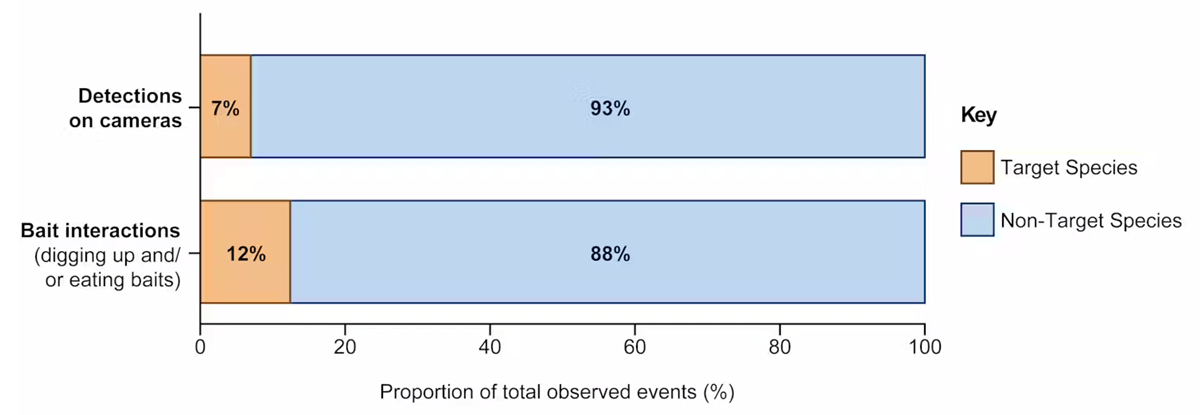


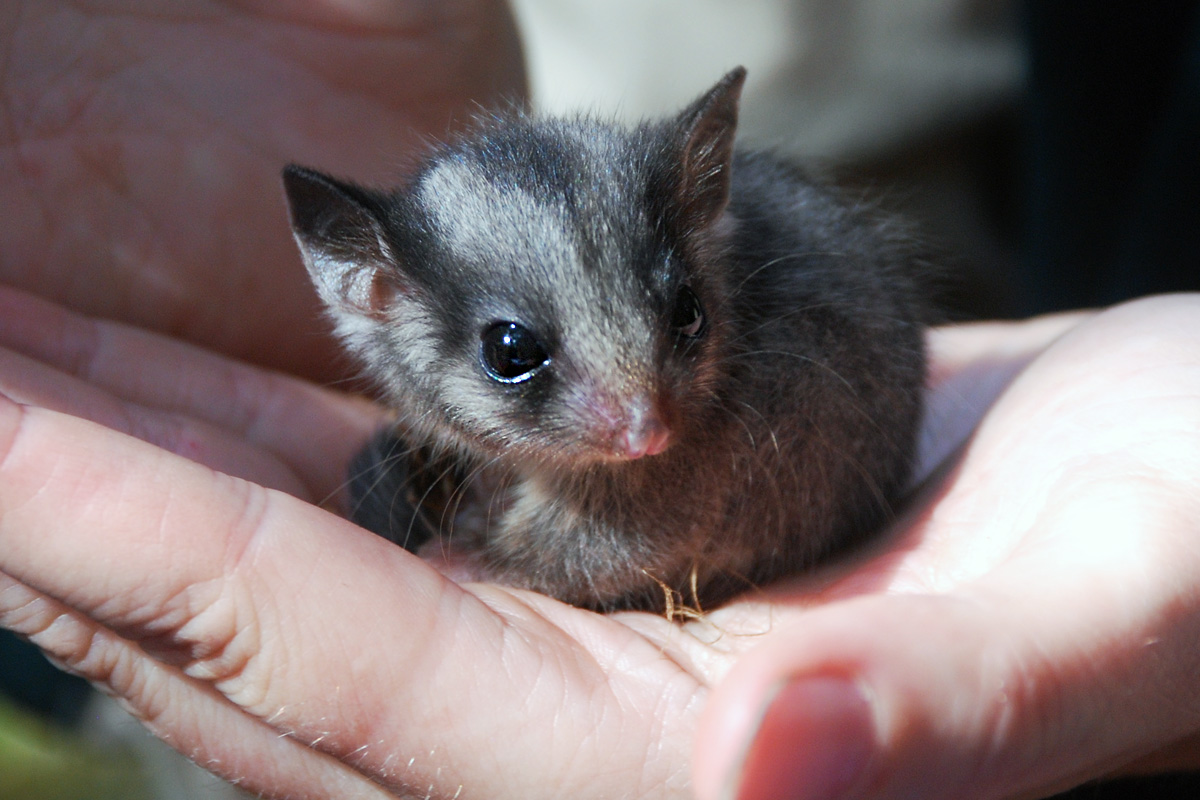

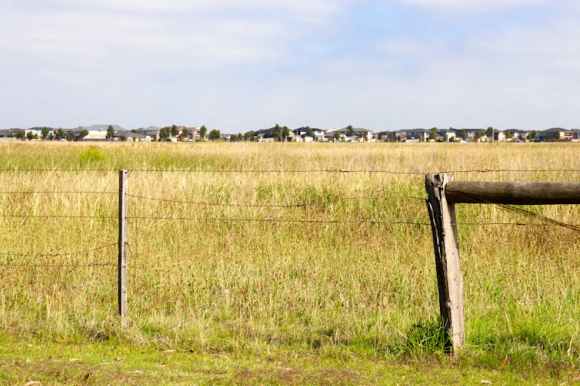


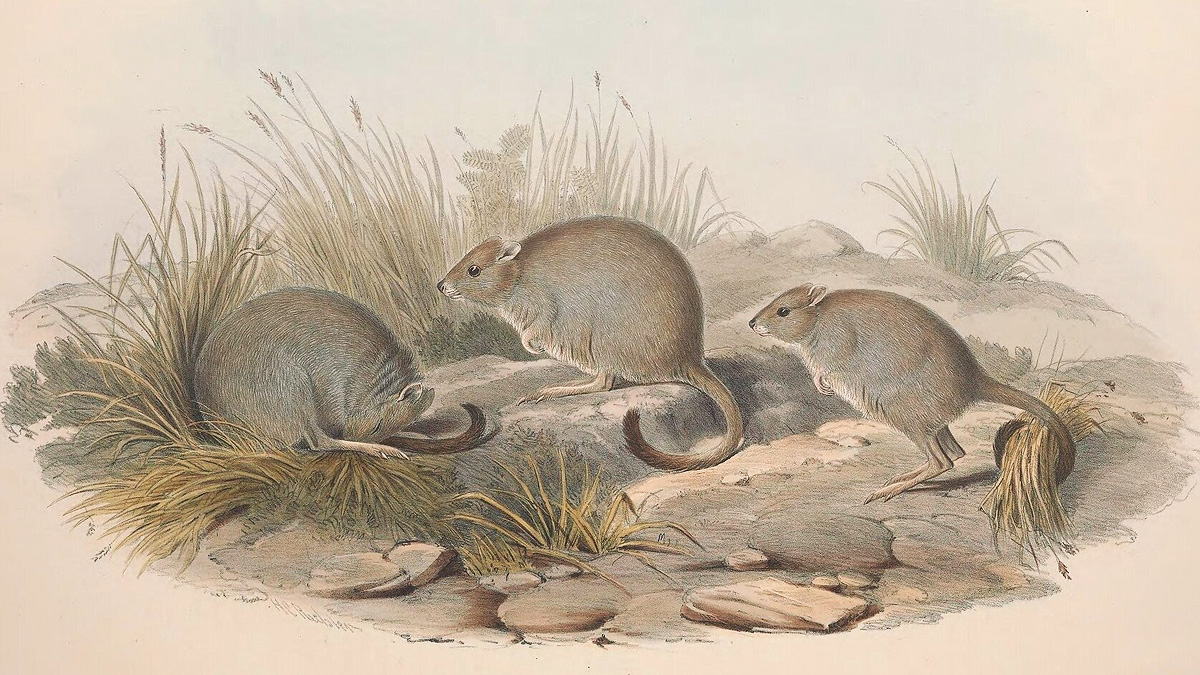
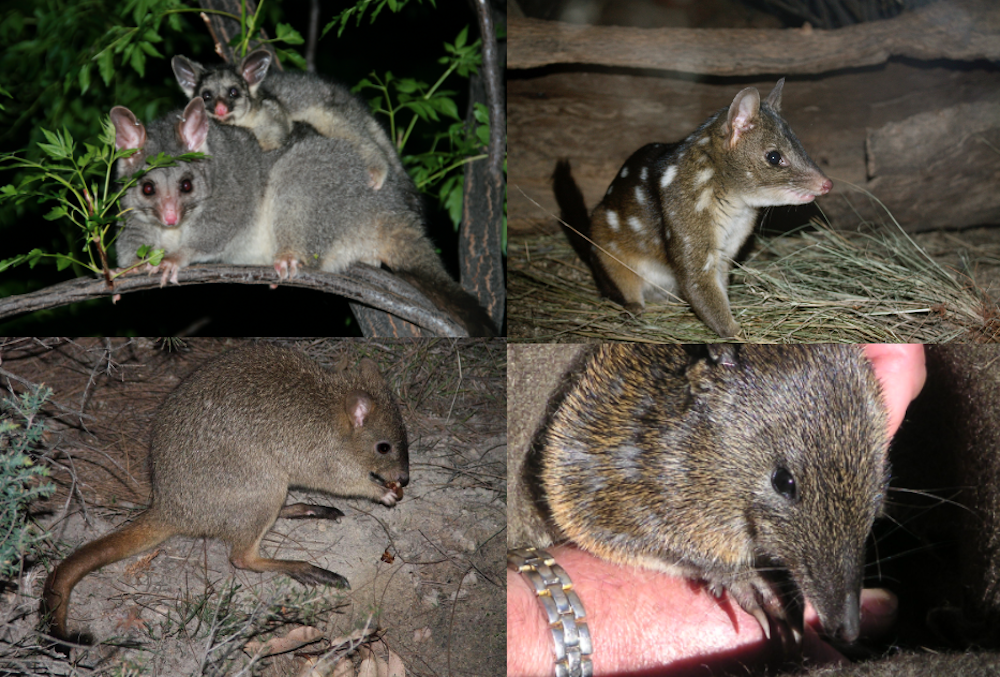
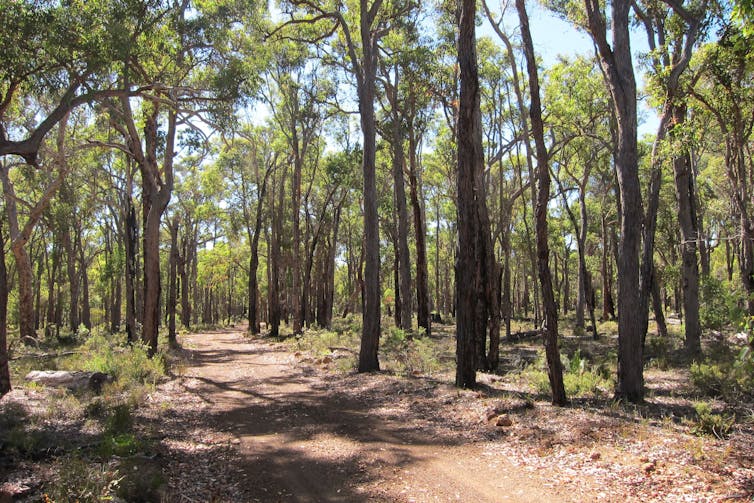
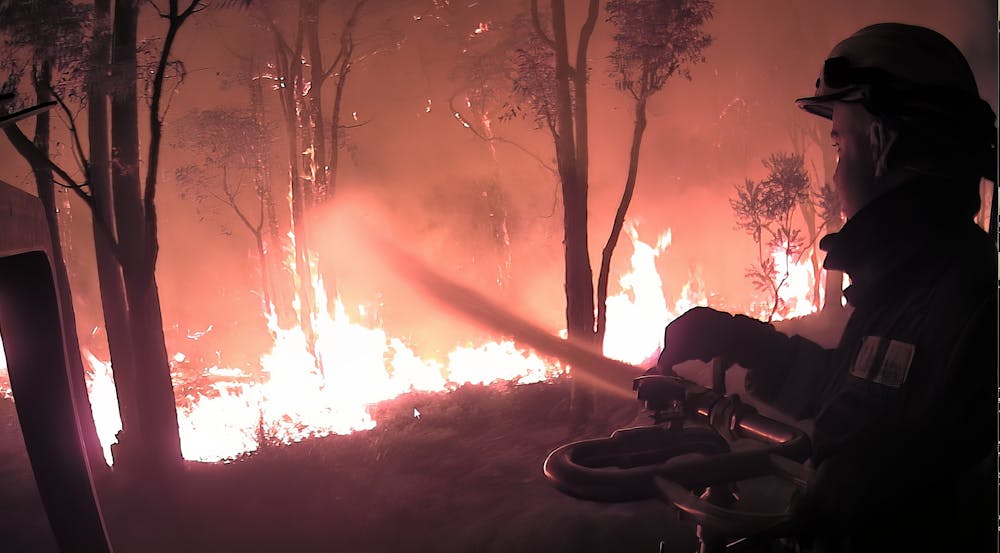


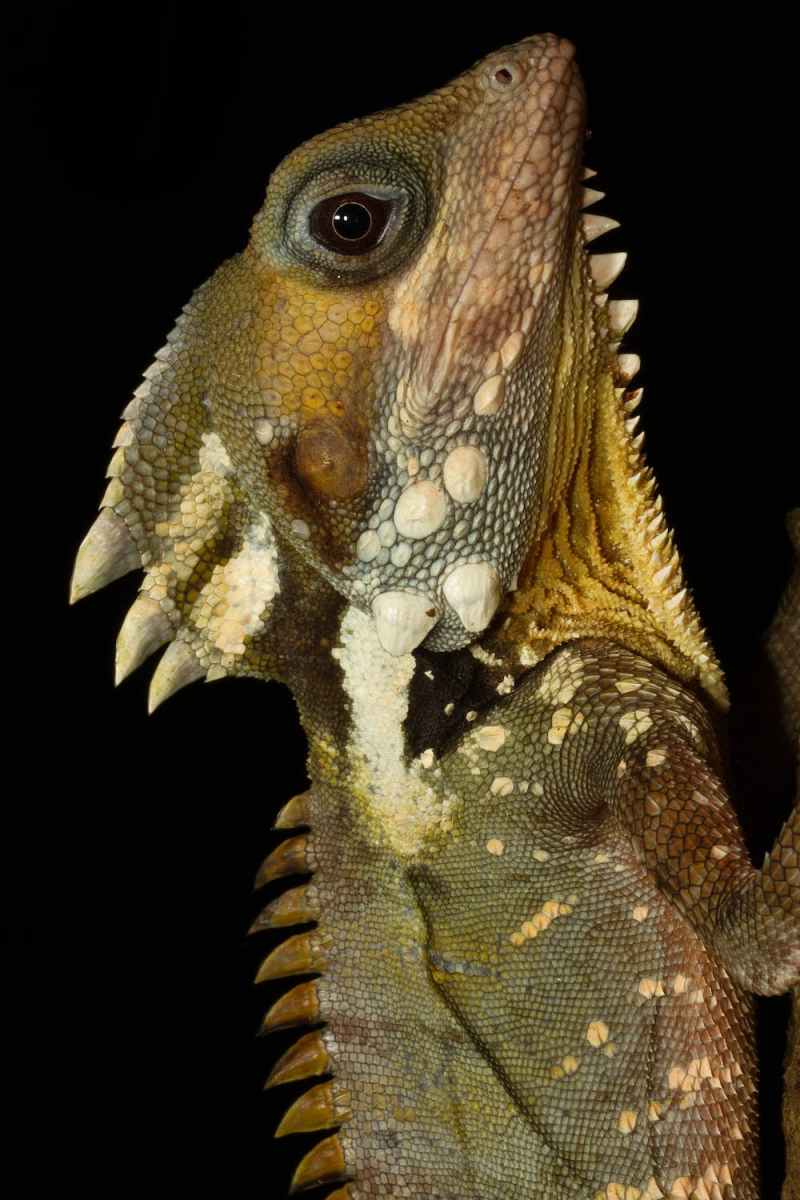
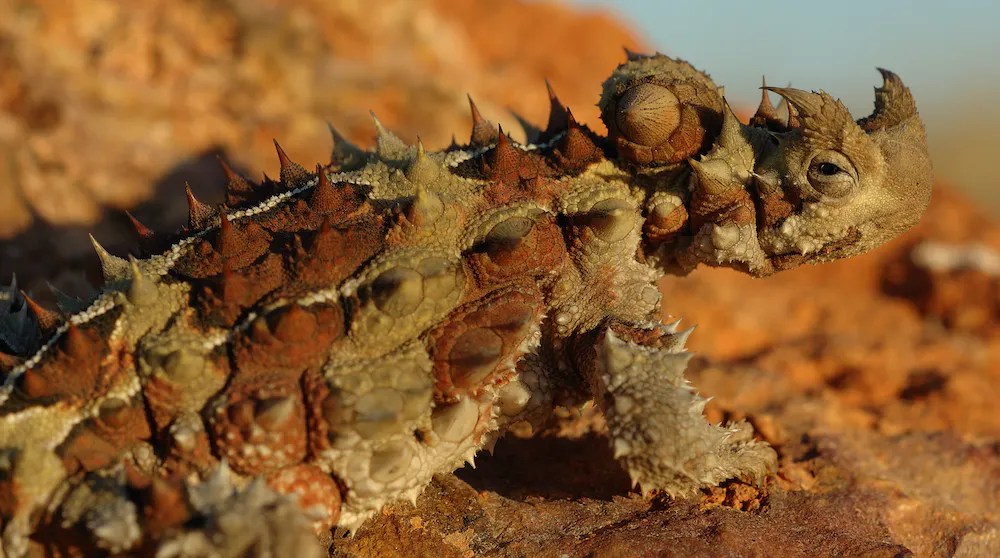
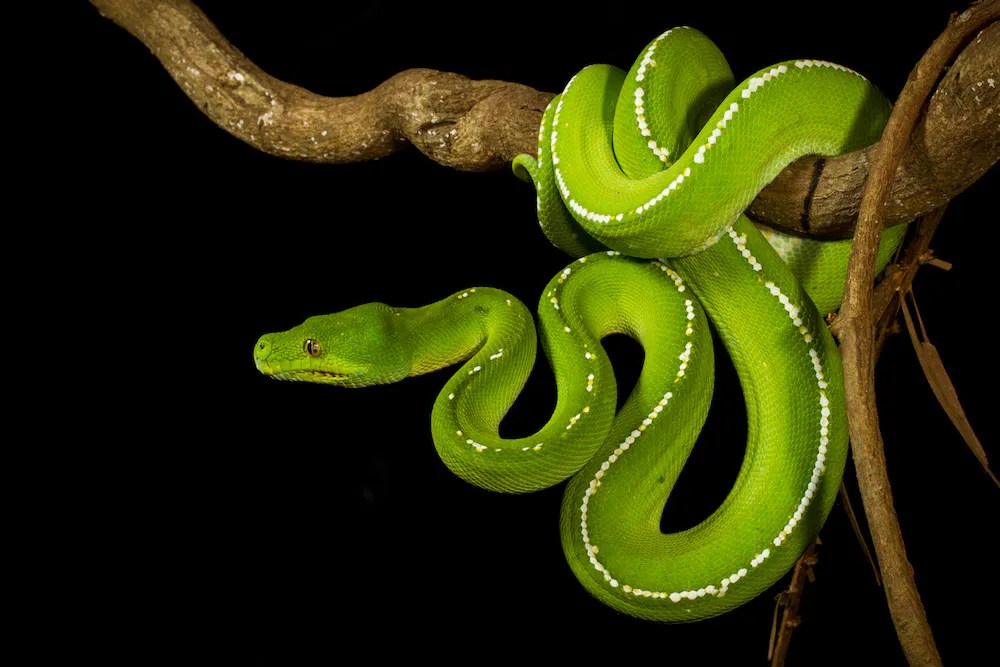
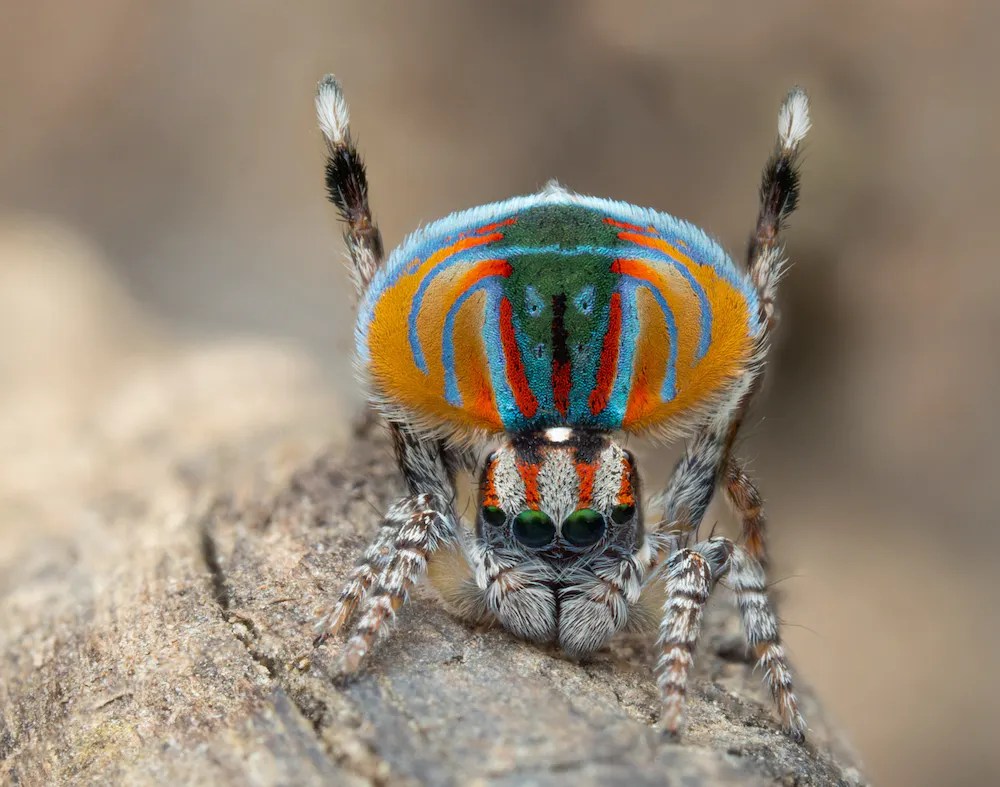


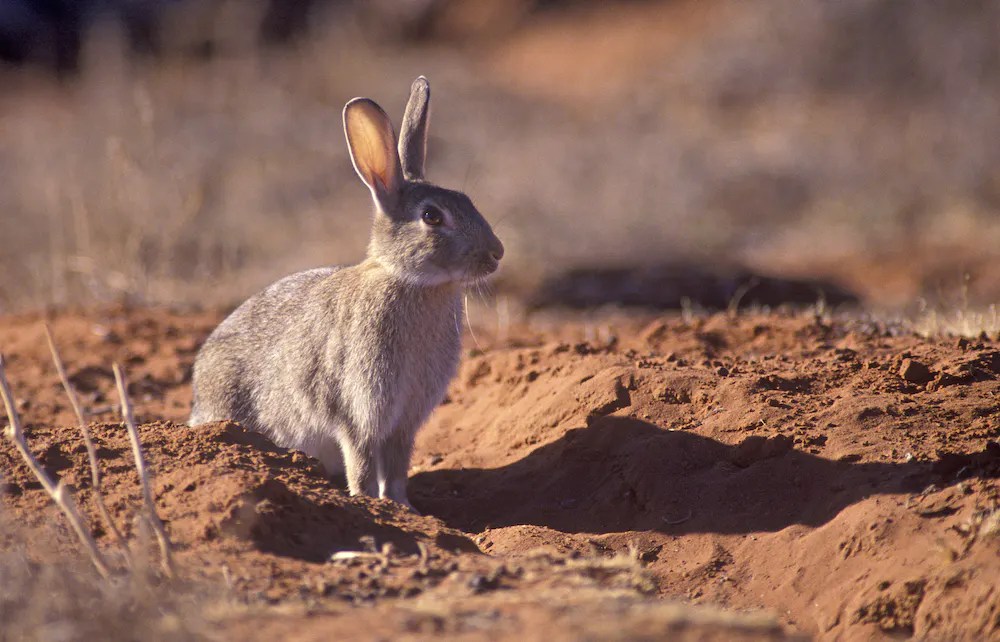




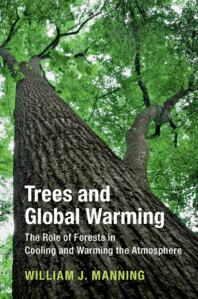


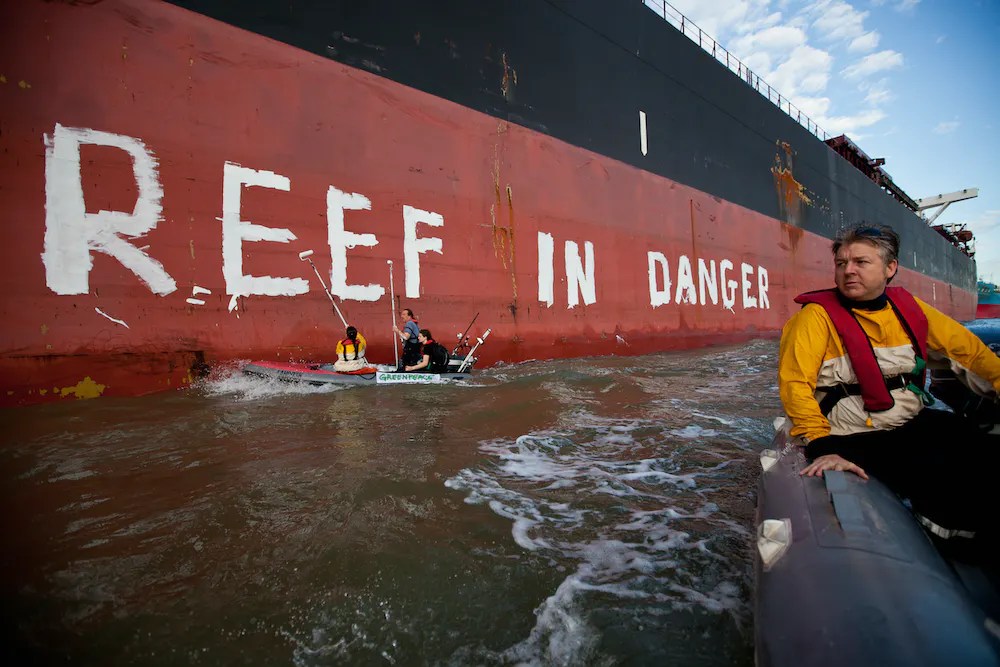


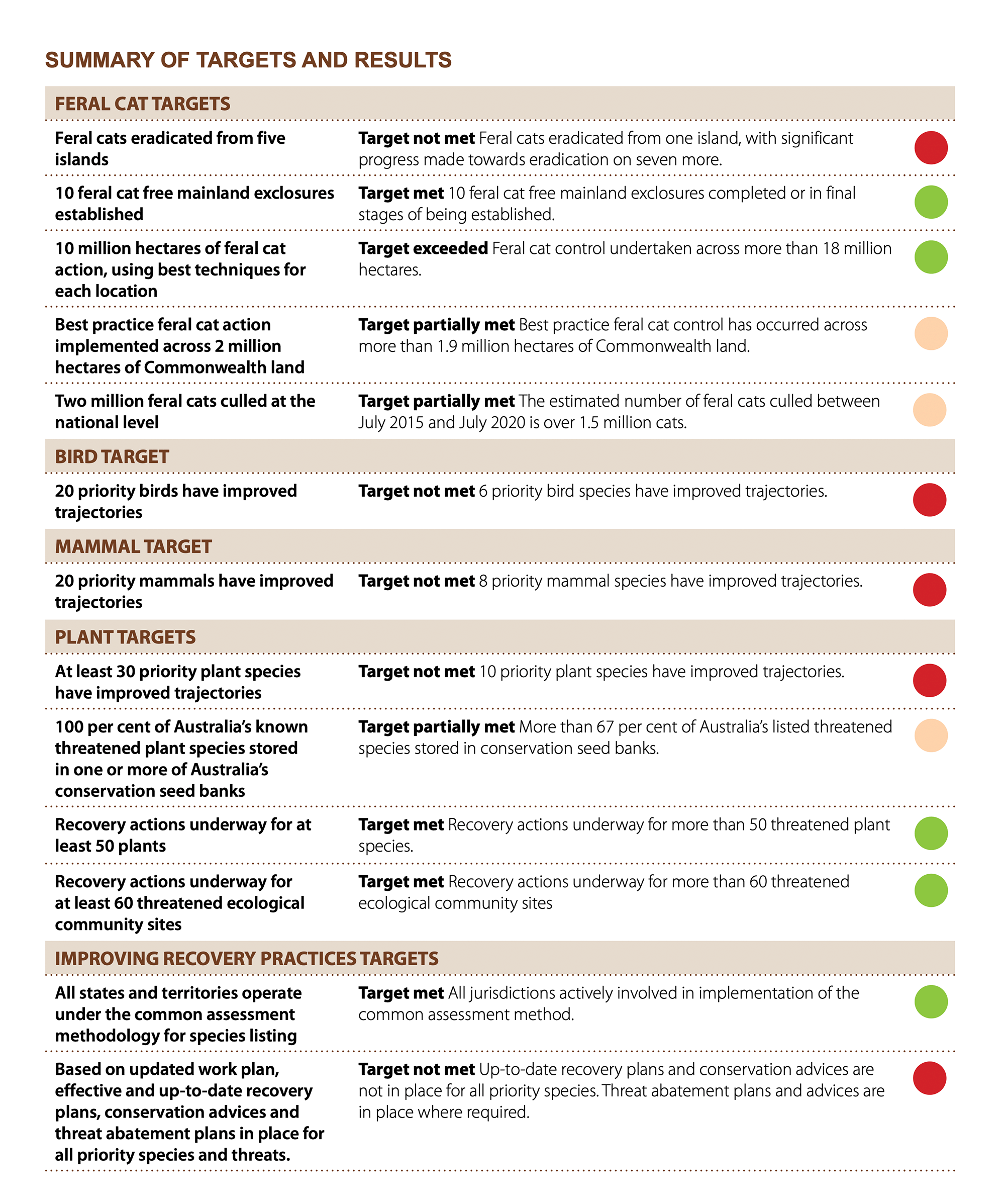




 Applied ecology and conservation research group
