Categories
Media Science communication The Conversation

The Conversation: Should we bring back the thylacine? We asked 5 experts

Image credit: Tasmanian Museum and Art Gallery

By Signe Dean, Science and Technology Editor, The Conversation.

This article is republished from The Conversation under a Creative Commons license. Read the original article.

In a newly announced partnership with Texas biotech company Colossal Biosciences, Australian researchers are hoping their dream to bring back the extinct thylacine is a “giant leap” closer to fruition.

Scientists at University of Melbourne’s TIGRR Lab (Thylacine Integrated Genetic Restoration Research) believe the new partnership, which brings Colossal’s expertise in CRISPR gene editing on board, could result in the first baby thylacine within a decade.

The genetic engineering firm made headlines in 2021 with the announcement of an ambitious plan to bring back something akin to the woolly mammoth, by producing elephant-mammoth hybrids or “mammophants”.

But de-extinction, as this type of research is known, is a highly controversial field. It’s often criticised for attempts at “playing God” or drawing attention away from the conservation of living species. So, should we bring back the thylacine? We asked five experts.

Axel Newton, Evolutionary Biologist at TIGRR Lab

YES, with a “but” (more on that shortly). The thylacine is one of the most tragic stories of the modern era, being actively hunted to extinction through a government bounty scheme. Unlike other extinct species, the thylacine was eradicated less than 100 years ago. Its habitat and ecological environment that it once thrived in is still intact.

I think we have an obligation to do everything in our power to bring back this remarkable animal, particularly as our forebearers were the direct cause of its disappearance. However, we also have an ethical and moral responsibility to ensure that the animal we resurrect is a 99%+ thylacine and not an almost-thylacine hybrid.

The largest challenge of this endeavour is reconstructing the genome of an extinct species without access to any living tissue (the difference between de-extinction and cloning). This equates to putting together a 3-billion-piece puzzle, with our hands tied behind our back.

Inevitably some argue that money used on this project could be put to better use through actively preserving habitats of animals on the brink. But this project will have enormous conservation benefits to already threatened species, and has the potential to generate significant advancements to human health.

The crux of this is through producing the genetic tools and methods to edit the DNA of stem cells, and then turn those stem cells back into an animal. This technology will not only meet our end goal of turning a surrogate marsupial cell into a thylacine, but in the process allow us to reintroduce genetic diversity into endangered populations. We could take bio-banked tissues of rare, endangered species, and produce animals to be reintroduced into the environment to increase beneficial genetic diversity. Not only this, but the work could be applied for targeted gene therapy to correct mutations underlying human health and cancer.

So, should we bring the thylacine back, yes. Not only for the fate of this incredible, lost species, but also the significant benefits this project will produce for humanity as a whole. As long as we keep the moral and ethical considerations at the forefront, we have an opportunity to correct the wrongs of the past.

Parwinder Kaur, Geneticist and Biotechnologist

MAYBE. It depends on the complex risks re-introductions of extinct species would have on our current ecosystems. Will such risks outweigh the potential benefits and fear unsuccessful environmental management actions?

Earlier this year, our DNA Zoo Australia team completed a chromosome-length 3D genome map of thylacine’s closest living relative: the numbat. This raised the tantalising prospect of piecing together the thylacine’s genetic sequence, which in turn would offer the possibility of reintroducing one of Australia’s most iconic lost species.

But the big question our team faced was: shall we go after resurrecting the dead, or help numbats first? Numbats are now struggling and on the verge of extinction, with fewer than 1,000 numbats left in the wild and the species officially listed as endangered. The answer was simple: focus on what we have first.

We live in exciting times when biotechnology offers various promising alternatives for achieving this purpose, and probably a better use of these techniques will be towards preserving critically endangered species on the verge of extinction.

In my opinion, focusing on de-extinction could compromise biodiversity conservation by diverting resources from preserving ecosystems and preventing newer extinctions. It is no trivial work in terms of resources and skills required to revive an extinct animal; given the low level of investments into conservation research, we need to be very careful as a scientific community to not prioritise preservation over resurrection.

Euan Ritchie, Wildlife Ecologist

MAYBE. There is much to consider with such an ambitious project. Most importantly, we must greatly increase efforts to save and recover living species, and it’s simply far cheaper and easier to conserve what we have than to attempt to resurrect species and their ecological roles.

This requires confronting the many causes for species decline & extinction, and, broadly speaking, our unsustainable existence and inability to share this planet with other species.

At current rates of species decline and extinction, de-extinction will not be able to come even close to resurrecting what we have destroyed. So which species do we try to bring back, and why? And, if it is even possible, will resurrected species behave the same way, will they perform the same ecological roles and affect ecosystems in the same way? I’m very doubtful.

However, we must stop perpetuating the idea that conservation is a zero-sum game, feeding a flawed narrative that we must choose which projects, species and ecosystems we support. A shortage of money isn’t the issue, values and priorities are. For perspective, it’s estimated Australia spent A$11.6 billion on fossil fuel subsidies in 2021–22, but recently only allocated A$10 million to 100 priority threatened species, fewer than 6% of the country’s listed threatened species.

It’s vital we maintain robust scrutiny and scepticism of ambitious projects, but we must also support scientists to push boundaries and take educated risks. And sometimes we learn, even when we ‘fail’.

Personally, I would love to see thylacines back in the wild, but I’m not optimistic we’ll see a self-sustaining and genetically diverse population of thylacines any time soon, if at all. If such projects are to proceed, I also hope that Indigenous people, and communities more broadly, are properly consulted and involved.

Julian Koplin, Bioethicist

YES. Most of us think we should protect ecosystems from damage and prevent animals from going extinct. This might be because we value nature for its own sake, or it might be because we think biodiversity is good for humans ourselves.

Importantly, both of these reasons also support de-extinction. One reason to bring back (approximations of) animals like the Tasmanian tiger and woolly mammoth is to help restore the ecosystems they used to live in; another is to bring humans a sense of wonder and awe, and perhaps even greater respect for the natural world. So, why not push ahead?

Perhaps the most serious ethical worry is that de-extinction is a poor use of resources; we could probably make a bigger difference to biodiversity by funding conservation efforts instead. But this objection isn’t decisive. The costs of de-extinction may come down over time.

Also, it’s unclear whether many people funding de-extinction efforts would otherwise have funded traditional conservation projects instead. We should keep an eye on the costs, but we shouldn’t reject de-extinction outright.

Corey Bradshaw, Ecologist

NO. While the scientific endeavour to demonstrate capacity to re-animate long-extinct species does have some merit, claiming that the approach will counter present-day extinction rates or could be used as a conservation tool is naïve.

Viable populations require thousands of genetically diverse individuals to be able to persist in the wild. There is simply no prospect for recreating a sufficient sample of genetically diverse individual thylacines that could survive and persist once released.

Also, large predators like thylacines require large home ranges to gather food, establish territories, and raise young. The reason they were driven to extinction in the first instance was due to perceived conflict with landholders, so even if the problem of genetic diversity could be solved, the social licence to re-establish a large population of predators is unlikely to be granted (consider the case of dingo persecution throughout most of Australia today).

Furthermore, the available habitats in Australia that could support a large population of thylacines have dwindled or been degraded radically since the early 19th Century. Combined with no-analogue climates of the immediate future due to global warming, it is unlikely that there would be sufficient available habitat to support a viable population.

The Conversation
The Conversation
Categories
Media Science communication

The Conversation: Curious Kids: what is the apex predator of the world?

11-year-old Mahood of Brisbane asks: what is the apex predator of the world?

This article is republished from The Conversation under a Creative Commons license. Read the original article.

“What is the apex predator of the world?”

—Mahmood, age 11, Brisbane

Hi Mahmood, thanks for this interesting question!

Well, what sorts of animals do you typically imagine when you think about apex predators? Great white sharks, polar bears, killer whales, crocodiles, African lions, anacondas … perhaps a wedge-tailed eagle?

To determine what the apex predator of the world is, we first need to understand what types of “predators” there are, and what we mean by “apex”.

Different types of predators

Contrary to popular belief, predators aren’t just species with large sharp teeth or fangs, hooked beaks, or razor-sharp claws. A “predator” is any species that eats part of, or all of, another living species – or in some cases its own species (which is called “cannibalism”).

Predators can be:

Carnivores

These animals eat the flesh of other animals. Cannibalism is a special form of carnivory, and is widespread across the animal world. It has been recorded in several hundred species, including spiders, insects, fish, birds, reptiles, amphibians and mammals (including humans).

Herbivores

These are animals that eat plants, but they’re still considered predators. So yes, kangaroos are predators too, but they simply eat plants rather than animals. Although it appears this wasn’t always the case in Australia – beware Balbaroo fangaroo!

Parasites

These are animals or other organisms that live on (ectoparasites) or in (endoparasites) another species. They feed on this “host” for nutrients. Ticks, leeches and hookworms are all examples of parasites.

Parasitoids

These are organisms whose young develop on or inside another host organism, feed on it, and end up killing the host as a result. The iconic movie Alien features such a scenario, albeit fictional (although you might want to wait a few years before watching it). This group includes species of wasps, flies, beetles and worms.

It all depends on the environment

Apex predators are often referred to as “top predators” because they sit at the top of their food chain and are typically considered to be dominant and without predators of their own.

It’s important to note apex predators don’t have to be particularly large. Although they often are, it’s more about how their size compares with the species they interact with, and how they behave within their own ecological community.

Imagine a terrarium in your home with some plants and various insects, including a praying mantis; the praying mantis is most certainly the apex predator here.

Praying mantises eat many different types of other insects, including crickets, grasshoppers, butterflies, moths, spiders and beetles. They may even eat other praying mantises, which is called cannibalism. Shutterstock

Now imagine letting them all loose in a field somewhere. The praying mantis is now potentially on the menu for a spider, frog, bird, or other larger predator.

A predator that is below other predators in the “pecking order” can be referred to as a mesopredator. For example, wolves are often considered apex predators, and are known to compete with and even kill coyotes (mesopredators).

In areas without wolves, however, coyotes might ascend to the apex position. They are known to kill cats, which can indirectly benefit songbirds.

In Australia, dingoes are considered apex predators. They hunt and eat a wide range of animals including kangaroos, emus, feral goats and feral deer.

But dingoes, similar to many predators around the world, are frequently killed by humans.

Danger in numbers

Because our question is concerned with determining the world’s main apex predator, we’ll need to consider how widespread a species is.

There are some “apex” predators that are found throughout much of the world, including grey wolves, blue whales, killer whales and great white sharks.

In my mind, however, humans are clearly the overall apex predator of the world. We’ve even been called the super-predator!

Human impact spans the entire globe – from the land to sea, and the south pole to the north pole.

Compared to other predators, we use a much larger percentage of the world’s food resources, as well as water and other natural materials. In doing so, we cause widespread environmental harm.

Humans are having a devastating effect on some other apex predator populations, threatening their chances of long-term survival.

For instance, although there are situations where large sharks have killed humans, it’s estimated humans kill more than 100 million sharks per year. Many shark species are at risk of extinction as a result.

The good news is we can all make choices to help reduce our environmental footprints and help protect other species – predator or otherwise.

The Conversation
Categories
Publications

Interspecific variation in the diet of a native apex predator and invasive mesopredator in an alpine ecosystem

Authors: Eilysh R Thompson, Don A Driscoll, Susanna E Venn, William L Geary, and Euan G Ritchie

Published in: Austral Ecology

Abstract

Carnivores have key ecological roles in structuring and regulating ecosystems through their impacts on prey populations. When apex- and meso-predators co-occur in ecosystems, there is the potential for complex interspecific interactions and trophic dynamics that can affect the composition and functioning of ecological communities.

Investigating the diet of sympatric carnivores can allow us to better understand their ecological roles (e.g. potential suppression of herbivores) or impacts (e.g. predation of threatened species).

Australia’s alpine region provides an ideal system in which to explore spatial and temporal variation in predator and prey interactions, using the dingo (Canis dingo) and invasive red fox (Vulpes vulpes) diet.

We examined the diet of dingoes and foxes across three different mountains and seasons in Victoria’s alpine region, using macroscopic scat analysis.

There was little diet overlap between the two carnivores, with foxes having a broader diet than dingoes. Dingoes primarily consumed larger mammal species, including invasive sambar deer (Cervus unicolor, 44%), and the native common wombat (Vombatus ursinus, 34%), whereas foxes typically consumed smaller mammals, including the native bush rat (Rattus fuscipes, 55%), and the invasive European rabbit (Oryctolagus cuniculus, 15%). Dingoes consumed more than thirty times the volume of large invasive mammals (predominantly sambar deer) than did foxes. Foxes consumed close to 15 times as many critical weight range individuals per scat than dingoes. Only one threatened critical weight range mammal species was identified within scats, the broad-toothed rat (Mastacomys fuscus), found within five fox scats.

Our results suggest that the introduction of novel prey may alter predator–predator interactions by causing a reduction in the dietary overlap. Therefore, in the context of integrated wildlife management and biodiversity conservation, any control of novel, invasive prey populations needs to consider possible flow on effects to apex- and meso-predator diets and potential secondary impacts on native prey.

Thompson ER, Driscoll DA, Venn SE, Geary WL, Ritchie EG (2022) Interspecific variation in the diet of a native apex predator and invasive mesopredator in an alpine ecosystem. Austral Ecology PDF DOI

Categories
Media Science communication The Conversation

The Conversation: 6 books about the climate crisis that offer hope

By Euan Ritchie (Deakin University), Erin O’Donnell (The University of Melbourne), Gregory Moore (The University of Melbourne), Kristen Lyons (The University of Queensland), Peter Christoff (The University of Melbourne), and Stefan Kaufman (Monash University).

This article is republished from The Conversation under a Creative Commons license. Read the original article.

Coral bleaching, floods, bushfire, biodiversity decline and extinction – as we witness the effects of climate change, amid a stream of reports warning of the cost of government inaction, it is easy to feel overwhelmed.

How to counter the gloom? We asked six environmental experts to each nominate a book about the climate crisis that offers hope.

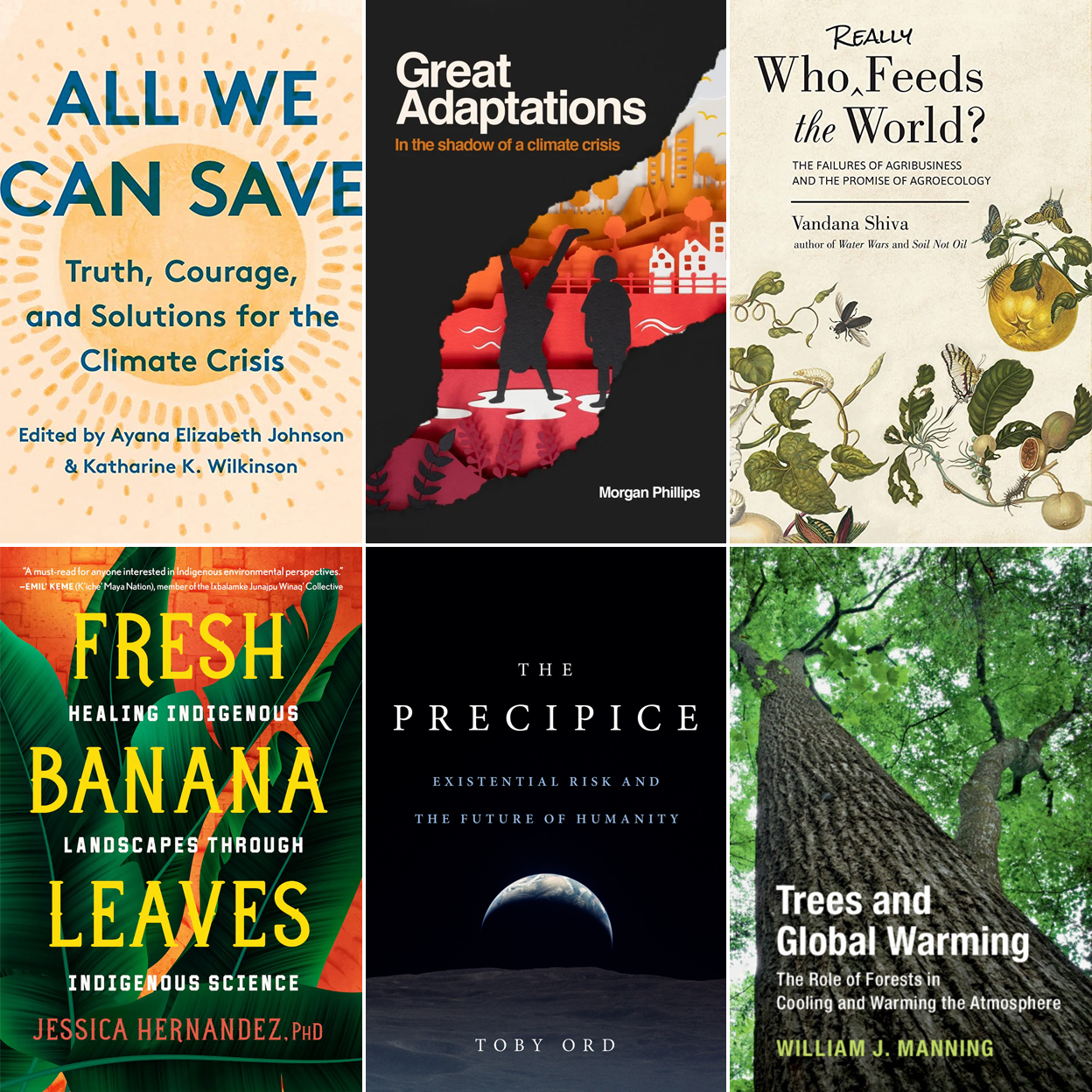
Euan Ritchie recommends All We Can Save: Truth, Courage, and Solutions for the Climate Crisis edited by Ayana Elizabeth Johnson and Katharine Keeble Wilkinson (2020)

Despair, disempowerment and division are all enemies of positive action, and crippling in the face of tremendous challenges such as the climate change crisis. All We Can Save is the antithesis of such emotions and concerns. Hope is a powerful motivator, especially when it’s delivered in such a creative, thoughtful, inclusive and diverse way.

Critically, All We Can Save brings together women’s voices, spanning culture, geography and ages. Women are still, shamefully, not heard nearly enough – and worse, actively suppressed in some instances and quarters. Society suffers because of this.

In this book, however, scientists, farmers, teachers, artists, journalists, lawyers, activists and others share their unique perspectives, through their essays, poetry and art. They explore how to confront the climate crisis, the damage already inflicted, but most importantly, how to bring about positive change and progress.

Food for the mind and soul, at at time when it’s needed more than ever.

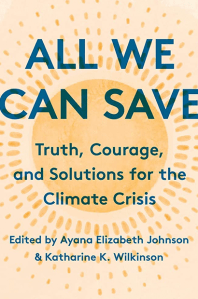
Peter Christoff recommends Great Adaptations: In the Shadow of a Climate Crisis by Morgan Phillips (2021)

There is no point in pretending. There are no “good stories” about global warming. They are all framed by the crisis we refuse to talk about in Australia. We desperately need a national conversation about how to live in the perilous world forming around us.

Morgan Phillips’s Great Adaptations: In the Shadow of a Climate Crisis is not an Australian book. Its perspectives are international – British, European, Nepalese, North American.

Phillips doesn’t flinch from contemplating bleak prospects: systemic collapses, food and water insecurity, biodiversity decline. But his focus is neither on sheer doom, nor naive techno-optimism. He instead brings careful balance to his consideration of good adaptation and harmful (mal) adaptation.

He pushes us to think beyond fragmented reactions to individual climate catastrophes, such as droughts, fires, floods and storms – reactions that favour the wealthy and are based on the delusion that all will spring back to “normal”.

His aim is realistic “transformative adaptation”. He argues for enduring, flexible and equitable adjustments to nature’s new lottery. At the heart of his examples of success – from “fog harvesting” for water in arid Morocco to climate-responsive agro-forestry in Nepal – is the need for constant dialogue to guide adjustments to changing conditions.

Great Adaptations is a brilliant provocation for the discussion we must have.

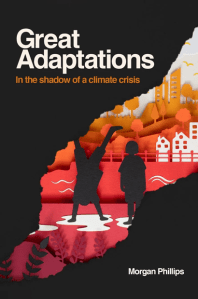
Kristen Lyons recommends Who Really Feeds the World? The Failure of Agribusiness and the Promise of Agroecology by Vandana Shiva (2016)

The climate crisis has accentuated already unjust and ecologically unviable global food systems. Australia’s recent bushfires and floods, for example, destroyed crops, devastated food-producing landscapes and their communities, and disrupted transport networks. Each laid bare a corporate controlled food system characterised by escalating food prices, growing rates of hunger, and food insecurity.

How might fair and just food systems be fostered – systems that are resilient in the face of climate chaos?

In Who Really Feeds the World? The Failure of Agribusiness and the Promise of Agroecology, Vandana Shiva sets out principles and practices that may offer some solutions. Drawing on a range of examples from around the world, including the
Navdanya movement based in India (which she founded), Shiva presents agroecology, living soil, biodiversity and small-scale farming as life-affirming responses.

Small-scale farmers on small parcels of land already produce 70% of the world’s food. They really can feed the world.

The challenge then – one of many – is how we might breathe life into the principles advocated by this award-winning environmental activist, recipient of the Right Livelihood Award and Sydney Peace Prize. In an Australian context, this will include addressing the violent settler-colonial foundations upon which Australia’s agriculture and food systems have been built.

Erin O’Donnell recommends Fresh Banana Leaves: Healing Indigenous Landscapes through Indigenous Science by Jessica Hernandez (2022)

Raging fires, desperate droughts and unprecedented floods underscore the power and terror of the climate catastrophe. As we experience these brutal reminders of our dependence on healthy ecosystems, many of us are searching for a different way to reconnect with the world around us.

In Fresh Banana Leaves, Jessica Hernandez offers us the concept of “kincentric ecology”, in which the enduring relationship between Indigenous peoples and place is one of mutual interdependence.

She argues that “we are not separate from nature” and that “Indigenous peoples view their natural resources and surroundings as part of their kin, relatives, and communities”.

Hernandez’s book demonstrates the power of Indigenous science (and the leadership of Indigenous peoples) to help bring all of us back into good relations with nature. In doing so, she offers us a glimpse of a decolonised, just and sustainable future.

Stefan Kaufman recommends The Precipice: Exisiential Risk and the Future of Humanity by Toby Ord (2020)

In The Precipice, Toby Ord considers a range of “existential risks” that could, in the next few centuries, curtail the immense potential for long-term human flourishing. It leaves me perversely hopeful about climate change for three reasons.

Firstly, while acknowledging that climate change will cause immense suffering, Ord only identifies a few, relatively unlikely scenarios that leave humanity extinct or “stuck” barely surviving.

Secondly, he considers a range of human-generated and natural risks that are of even greater concern. Many of these risks are exacerbated by the increasing accessibility of powerful technologies once available only to elites, such as bio-engineering and artificial intelligence. These are all risks that we either create or will need to cooperate to mitigate; their occurrence and their level of impact are within our influence.

Thirdly, Ord makes a compelling case that we have many of the institutions, technologies and policy tools necessary to manage long-term existential risks. There is work all of us can do now to help. Climate change can make many other risks worse. Solving it requires solving others at the same time.

The Precipice leaves one with a sense that we will need to be better humans to make it through the next centuries, but a brighter future awaits. If we attain this future, we will deserve to, because we will have married our power and prosperity with civilisational maturity, compassion and wisdom.

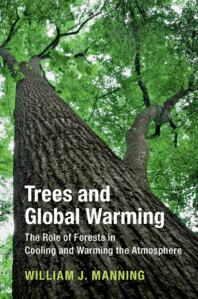
Greg Moore recommends Trees and Global Warming: The Role of Forests in Cooling and Warming the Atmosphere by William J Manning (2020)

As climates change and Australia warms, trees are often seen as a panacea, but, as is invariably the case with ecosystems, things can be complicated.

As William J. Manning tells us in Trees and Global Warming, trees can warm as well as cool the atmosphere. The colour of their leaves (light or dark green) influences how much radiation is absorbed, transmitted and reflected, and how much they cool.

Manning is not looking at trees and forests through rose-coloured glasses, but through a strong scientific lens. They come out as winners when it comes to tackling climate change because, cultivated effectively, they can shade and cool, reduce the urban heat-island effect, sequester carbon, and much more.

Trees are an essential, cost-effective and sustainable part of living with climate change. We must protect the trees and forests that we have. Planting more trees is part of a quick and cheap solution, providing more liveable towns and cities across our continent.

The Conversation
The Conversation
Categories
Media Science communication

The Conversation: Australia’s next government must tackle our collapsing ecosystems and extinction crisis

Shutterstock

By Euan Ritchie (Deakin University), Ayesha Tulloch (Queensland University of Technology) and Megan C Evans (UNSW Sydney).

This article is republished from The Conversation under a Creative Commons license. Read the original article.

Numbats – dubbed Australia’s meerkats – are endangered. Shutterstock

Australia’s remarkable animals, plants and ecosystems are world-renowned, and rightly so.

Unfortunately, our famous ecosystems are not OK. Many are hurtling towards collapse, threatening even iconic species like the koala, platypus and the numbat. More and more species are going extinct, with over 100 since British colonisation. That means Australia has one of the worst conservation records in the world.

This represents a monumental government failure. Our leaders are failing in their duty of care to the environment. Yet so far, the election campaign has been unsettlingly silent on threatened species.

Here are five steps our next government should take.

1. Strengthen, enforce and align policy and laws

Australia’s environmental laws and policies are failing to safeguard our unique biodiversity from extinction. This has been established by a series of independent reviews, Auditor-General reports and Senate inquiries over the past decade.

The 2020 review of our main environmental protection laws offered 38 recommendations. To date, no major party has clearly committed to introducing and funding these recommendations.

To actually make a difference to the environment, it’s vital we achieve policy alignment. That means, for instance, ruling out new coal mines if we would like to keep the world’s largest coral reef system alive. Similarly, widespread land clearing in Queensland and New South Wales makes tree planting initiatives pointless on an emissions front.

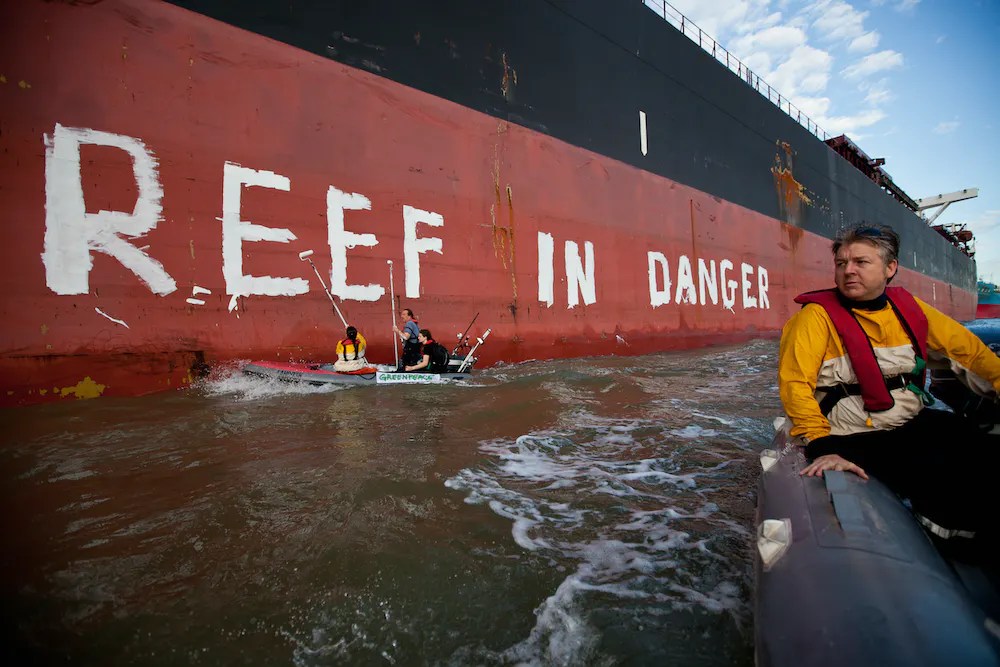
Australia can have coal or coral reefs – but not both, as activists have been pointing out through protests like this against a coal terminal expansion in Queensland in 2013. AAP

Despite Australia’s wealth of species, our laws protecting biodiversity are much laxer than in other developed nations like the United States, Canada and the United Kingdom. These nations have mandatory monitoring of all threatened species, which means they can detect species decline early and step in before it’s too late.

2. Invest in the environment

How much do you think the federal government spends on helping our threatened species recover? The answer is shockingly low: Around $50 million per year across the entire country. That’s less than $2 a year per Australian. The government spent the same amount on supporting the business events industry through the pandemic.

Our overall environmental spending, too, is woefully inadequate. In an age of mounting environmental threats, federal funding has fallen sharply over the past nine years.

For conservationists, this means distressing decisions. With a tiny amount of funding, you can’t save every species. That means ongoing neglect and more extinctions looming.

This investment is far less than what is needed to recover threatened species or to reduce the very real financial risks from biodiversity loss. If the government doesn’t see the environment as a serious investment, why should the private sector?

The next government should fix this nature finance gap. It’s not as if there isn’t money. The estimated annual cost of recovering every one of Australia’s ~1,800 threatened species is roughly a mere 7% of the Coalition’s $23 billion of projects promised in the month since the budget was released in late March.

3. Tackle the threats

We already have detailed knowledge of the major threats facing our species and ecosystems: the ongoing destruction or alteration of vital habitat, the damage done by invasive species like foxes, rabbits and cats, as well as pollution, disease and climate change. To protect our species from these threats requires laws and policies with teeth, as well as investment.

If we protect threatened species habitat by stopping clearing of native vegetation, mineral extraction, or changing fishing practices, we will not only get better outcomes for biodiversity but also save money in many cases. Why? Because it’s vastly cheaper to conserve ecosystems and species in good health than attempt recovery when they’re already in decline or flatlining.

Phasing out coal, oil and gas will also be vital to stem the damage done by climate change, as well as boosting support for green infrastructure and energy.

Any actions taken to protect our environment and recover species must be evidence-based and have robust monitoring in place, so we can figure out if these actions actually work in a cost-effective manner against specific objectives. This is done routinely in the US.

Salvaging our damaged environment is going to take time. That means in many cases, we’ll need firm, multi-partisan commitments to sustained actions, sometimes even across electoral cycles. Piecemeal, short-term or politicised conservation will not help Australia’s biodiversity long-term and do not represent best use of public money.

4. Look to Indigenous leadership to heal Country

For millennia, First Nations people have cared for Australia’s species and shaped ecosystems.

In many areas, their forced displacement and disconnection with longstanding cultural practices is linked to further damage to the environment, such as more severe fires.

Focusing on Indigenous management of Country can deliver environmental, cultural and social benefits. This means increasing representation of Indigenous people and communities in ecosystem policy and management decisions.

5. Work with communities and across boundaries

We must urgently engage and empower local communities and landowners to look after the species on their land. Almost half of Australia’s threatened species can be found on private land, including farms and pastoral properties. We already have good examples of what this can look like.

The next government should radically scale up investment in biodiversity on farms, through rebates and tax incentives for conservation covenants and sustainable agriculture. In many cases, caring for species can improve farming outcomes.

Conservation is good for humans and all other species

Corroboree frogs are critically endangered. Shutterstock

To care for the environment and the other species we live alongside is good for us as people. Tending to nature in our cities makes people happier and healthier.

Protecting key plants and animals ensures key “services” like pollination and the cycling of soil nutrients continues.

We’re lucky to live in a land of such rich biodiversity, from the ancient Wollemi pine to remarkable Lord Howe island stick insects and striking corroboree frogs. But we are not looking after these species and their homes properly. The next government must take serious and swift action to save our species.

The Conversation
Categories
Publications

What do you mean, ‘megafire’?

Authors: Grant D Linley, Chris J Jolly, Tim S Doherty, William L Geary, Dolors Armenteras, Claire M Belcher, Rebecca Bliege Bird, Andrea Duane, Michael‐Shawn Fletcher, Melisa A Giorgis, Angie Haslem, Gavin M Jones, Luke T Kelly, Calvin KF Lee, Rachael H Nolan, Catherine L Parr, Juli G Pausas, Jodi N Price, Adrián Regos, Euan G Ritchie, Julien Ruffault, Grant J Williamson, Qianhan Wu, and Dale G Nimmo

Published in: Global Ecology and Biogeography

Abstract

Background: ‘Megafire’ is an emerging concept commonly used to describe fires that are extreme in terms of size, behaviour, and/or impacts, but the term’s meaning remains ambiguous.

Approach: We sought to resolve ambiguity surrounding the meaning of ‘megafire’ by conducting a structured review of the use and definition of the term in several languages in the peer-reviewed scientific literature. We collated definitions and descriptions of megafire and identified criteria frequently invoked to define megafire. We recorded the size and location of megafires and mapped them to reveal global variation in the size of fires described as megafires.

Results: We identified 109 studies that define the term ‘megafire’ or identify a megafire, with the term first appearing in the peer-reviewed literature in 2005. Seventy-one (~65%) of these studies attempted to describe or define the term. There was considerable variability in the criteria used to define megafire, although definitions of megafire based on fire size were most common. Megafire size thresholds varied geographically from > 100–100,000 ha, with fires > 10,000 ha the most common size threshold (41%, 18/44 studies). Definitions of megafire were most common from studies led by authors from North America (52%, 37/71). We recorded 137 instances from 84 studies where fires were reported as megafires, the vast majority (94%, 129/137) of which exceed 10,000 ha in size. Megafires occurred in a range of biomes, but were most frequently described in forested biomes (112/137, 82%), and usually described single ignition fires (59% 81/137).

Conclusion: As Earth’s climate and ecosystems change, it is important that scientists can communicate trends in the occurrence of larger and more extreme fires with clarity. To overcome ambiguity, we suggest a definition of megafire as fires > 10,000 ha arising from single or multiple related ignition events. We introduce two additional terms – gigafire (> 100,000 ha) and terafire (> 1,000,000 ha) – for fires of an even larger scale than megafires.

Linley GD, Jolly CJ, Doherty TS, Geary WL, Armenteras D, Belcher CM, Bliege Bird R, Duane A, Fletcher M, Giorgis MA, Haslem A, Jones GM, Kelly LT, Lee CKF, Nolan RH, Parr CL, Pausas JG, Price JN, Regos A, Ritchie EG, Ruffault J, Williamson GJ, Wu Q, Nimmo DG, Poulter B (2022) What do you mean, ‘megafire’? Global Ecology and Biogeography PDF DOI

Categories
Publications

Fire as a driver and mediator of predator–prey interactions

Authors: Tim S Doherty, William L Geary, Chris J Jolly, Kristina J Macdonald, Vivianna Miritis, Darcy J Watchorn, Michael J Cherry, Mike L Conner, Tania Marisol González, Sarah M Legge, Euan G Ritchie, Clare Stawski, and Chris R Dickman

Published in: Biological Reviews

Abstract

Both fire and predators have strong influences on the population dynamics and behaviour of animals, and the effects of predators may either be strengthened or weakened by fire. However, knowledge of how fire drives or mediates predator–prey interactions is fragmented and has not been synthesised.

Here, we review and synthesise knowledge of how fire influences predator and prey behaviour and interactions. We develop a conceptual model based on predator–prey theory and empirical examples to address four key questions:

  1. how and why do predators respond to fire;
  2. how and why does prey vulnerability change post-fire;
  3. what mechanisms do prey use to reduce predation risk post-fire; and
  4. what are the outcomes of predator–fire interactions for prey populations?

We then discuss these findings in the context of wildlife conservation and ecosystem management before outlining priorities for future research.

Fire-induced changes in vegetation structure, resource availability, and animal behaviour influence predator–prey encounter rates, the amount of time prey are vulnerable during an encounter, and the conditional probability of prey death given an encounter. How a predator responds to fire depends on fire characteristics (e.g. season, severity), their hunting behaviour (ambush or pursuit predator), movement behaviour, territoriality, and intra-guild dynamics.

Prey species that rely on habitat structure for avoiding predation often experience increased predation rates and lower survival in recently burnt areas. By contrast, some prey species benefit from the opening up of habitat after fire because it makes it easier to detect predators and to modify their behaviour appropriately.

Reduced prey body condition after fire can increase predation risk either through impaired ability to escape predators, or increased need to forage in risky areas due to being energetically stressed. To reduce risk of predation in the post-fire environment, prey may change their habitat use, increase sheltering behaviour, change their movement behaviour, or use camouflage through cryptic colouring and background matching.Field experiments and population viability modelling show instances where fire either amplifies or does not amplify the impacts of predators on prey populations, and vice versa. In some instances, intense and sustained post-fire predation may lead to local extinctions of prey populations.

Human disruption of fire regimes is impacting faunal communities, with consequences for predator and prey behaviour and population dynamics.

Key areas for future research include:

  • capturing data continuously before, during and after fires;
  • teasing out the relative importance of changes in visibility and shelter availability in different contexts;
  • documenting changes in acoustic and olfactory cues for both predators and prey;
  • addressing taxonomic and geographic biases in the literature; and
  • predicting and testing how changes in fire-regime characteristics reshape predator–prey interactions.

Understanding and managing the consequences for predator–prey communities will be critical for effective ecosystem management and species conservation in this era of global change.

Doherty TS, Geary WL, Jolly CJ, Macdonald KJ, Miritis V, Watchorn DJ, Cherry MJ, Conner LM, González TM, Legge SM, Ritchie EG, Stawski C, Dickman CR (2022) Fire as a driver and mediator of predator–prey interactions. Biological Reviews PDF DOI

Categories
Research

Counting the bodies: Estimating the numbers and spatial variation of Australian reptiles, birds and mammals killed by two invasive mesopredators

Authors: Alyson M Stobo-Wilson, Brett P Murphy, Sarah M Legge, Hernan Caceres-Escobar, David G Chapple, Heather M Crawford, Stuart J Dawson, Chris R Dickman, Tim S Doherty, Patricia A Fleming, Stephen T Garnett, Matthew Gentle, Thomas M Newsome, Russell Palmer, Matthew W Rees, Euan G Ritchie, James Speed, John-Michael Stuart, Andrés F Suarez-Castro, Eilysh Thompson, Ayesha Tulloch, Jeff M Turpin, and John CZ Woinarski

Published in: Diversity and Distributions

Abstract

Aim: Introduced predators negatively impact biodiversity globally, with insular fauna often most severely affected. Here, we assess spatial variation in the number of terrestrial vertebrates (excluding amphibians) killed by two mammalian mesopredators introduced to Australia, the red fox (Vulpes vulpes) and feral cat (Felis catus). We aim to identify prey groups that suffer especially high rates of predation, and regions where losses to foxes and/or cats are most substantial.

Location: Australia.

Methods: We draw information on the spatial variation in tallies of reptiles, birds and mammals killed by cats in Australia from published studies. We derive tallies for fox predation by

  1. modelling continental-scale spatial variation in fox density,
  2. modelling spatial variation in the frequency of occurrence of prey groups in fox diet,
  3. analysing the number of prey individuals within dietary samples and
  4. discounting animals taken as carrion.

We derive point estimates of the numbers of individuals killed annually by foxes and by cats and map spatial variation in these tallies.

Results: Foxes kill more reptiles, birds and mammals (peaking at 1071 km−2 year−1) than cats (55 km−2 year−1) across most of the unmodified temperate and forested areas of mainland Australia, reflecting the generally higher density of foxes than cats in these environments. However, across most of the continent — mainly the arid central and tropical northern regions (and on most Australian islands) — cats kill more animals than foxes. We estimate that foxes and cats together kill 697 million reptiles annually in Australia, 510 million birds and 1435 million mammals.

Main conclusions: This continental-scale analysis demonstrates that predation by two introduced species takes a substantial and ongoing toll on Australian reptiles, birds and mammals. Continuing population declines and potential extinctions of some of these species threatens to further compound Australia’s poor contemporary conservation record.

Stobo‐Wilson AM, Murphy BP, Legge SM, Caceres‐Escobar H, Chapple DG, Crawford HM, Dawson SJ, Dickman CR, Doherty TS, Fleming PA, Garnett ST, Gentle M, Newsome TM, Palmer R, Rees MW, Ritchie EG, Speed J, Stuart J, Suarez‐Castro AF, Thompson E, Tulloch A, Turpin JM, Woinarski JCZ (2022) Counting the bodies: Estimating the numbers and spatial variation of Australian reptiles, birds and mammals killed by two invasive mesopredators. Diversity and Distributions PDF DOI

Categories
Media Science communication The Conversation

The Conversation: ‘The sad reality is many don’t survive’ – how floods affect wildlife, and how you can help them

A koala joey was found drenched and trembling near the edge of the Brisbane River. It was one of the lucky animals to be rescued from the severe floodwaters. Image credit: WWF Australia

By Euan Ritchie (Deakin University) and Chris J Jolly (Macquarie University).

This article is republished from The Conversation under a Creative Commons license. Read the original article.

For over two decades, bull sharks have called a Brisbane golf course home after, it’s believed, a flood washed them into the course’s lake in 1996. Now, after severe floods connected their landlocked home back to the river system, these sharks have gone missing, perhaps attempting to seek larger water bodies.

This bizarre tale is one of many accounts illustrating how Australia’s wildlife respond to flooding. But the sad reality is many don’t survive. Those that do may find their homes destroyed or, like those bull sharks and others, find themselves displaced far from their original homes or suitable habitat.

The RSPCA and other wildlife care organisations have received hundreds of calls to help rescue and care for stranded animals. But the true toll on wildlife will remain unknown, in part because we know surprisingly little about the impacts of floods on wildlife.

Still, as many animals have amazing abilities to survive fire, so too do many possess the means to survive or even profit from floods. After all, Australia’s wildlife has evolved over millions of years to survive in this land of extremes.

How wildlife responds to floods

Floods rapidly turn land habitats into underwater habitats, allowing aquatic animals to venture into places you wouldn’t expect. Flooding during northern Australia’s annual wet season, for example, sees crocodiles occasionally turn up in people’s backyard pools.

Land-dwelling animals typically don’t fare as well in floods. Some may be able to detect imminent inundation and head for higher, drier ground. Others simply don’t have the ability or opportunity to take evasive action in time. This can include animals with dependent young in burrows, such as wombats, platypus and echidnas.

The extent to which flooding affects animals will depend on their ability to sense what’s coming and how they’re able to respond. Unlike humans who must learn to swim, most animals are born with the ability.

Echidnas, for example, have been known to cover large areas of open water, but fast flowing, powerful floods pose a very different proposition.

Animals that can fly – such as many insects, bats and birds – may be able to escape. But their success will also partly depend on the scale and severity of weather systems causing floods.

Many birds, for example, couldn’t get away from the heavy rain and seek shelter, ending up waterlogged. If birds are exhausted and can’t fly, they may suffer from exposure and also be more vulnerable to predators, such as feral cats and foxes.

During floods, age old predator-prey relationships, forged through evolution, can break down. Animals are more focused on self preservation, rather than their next meal. This can result in strange, ceasefire congregations.

For example, a venomous eastern brown snake was filmed being an unintentional life raft for frogs and mice. Likewise, many snakes, lizards and frogs are expert climbers, and will seek safety in trees – with or without company.

Some spiders have ingenious ways of finding safety, including spinning balloon-like webs to initiate wind-driven lift-off: destination dry land. This is what happened when Victoria’s Gippsland region flooded last year.

One of the challenges of extreme events is it can make food hard to find. Some animals – including microbats, pygmy possums, and many reptiles – may reduce their energy requirements by essentially going to “sleep” for extended periods, commonly referred to as torpor. This includes echidnas and Antechinus (insect-eating marsupials), in response to bushfire.

Might they do the same during floods? We really don’t know, and it largely depends on an animal’s physiology. In general, invertebrates, frogs, fish and reptiles are far better at dealing with reduced access to food than birds and mammals.

During floods species will share refuge such as trees. Damian Kelly Photography

What happens when floods recede?

Flooding may provide a bounty for some species. Some predators such as cats, foxes, and birds of prey, may have access to exhausted prey with fewer places to hide. These same predators may scavenge the windfall of dead animals.

Fish, waterbirds, turtles and other aquatic or semi-aquatic life may benefit from an influx of nutrients, increasing foraging opportunities and even stimulating breeding events.

Other wildlife may face harsher realities. Some may become trapped far from their homes. Those that attempt to return home will have to run the gauntlet of different habitats, roads, cats, dogs and foxes, and other threats.

Even if they make it home, will their habitats be the same or destroyed? Fast and large volumes of water can destroy vegetation and other habitat structures (soils, rock piles) in minutes, but they may take many years or decades to return, if ever.

Floodwaters can also carry extremely high levels of pollution, leading to further tragic events such as fish kills and the poisoning of animals throughout food chains.

How can you help?

Seeing wildlife in distress is confronting, and many of us may feel compelled to want to rescue animals in floodwaters. However, great caution is required.

Wading into floodwaters can put yourself at significant risk. Currents can be swift. Water can carry submerged and dangerous obstacles, as well as chemicals, sewage and pathogens. And distressed animals may panic when approached, putting them and yourself at further risk.

For example, adult male eastern grey kangaroos regularly exceed 70 kilograms with long, razor sharp claws and toe nails, and powerful arms and legs. They’ve been known to deftly use these tools to drown hostile farm dogs in dams and other water bodies.

So unless you’re a trained wildlife expert or animal carer, we don’t recommend you try to save animals yourself. There is more advice online, such as here and here.

If you’d like to support the care and recovery of wildlife following the floods, a number of organisations are taking donations, including WWF Australia, WIRES and the RSPCA.

What does the future hold?

While many Australian wildlife species are well adapted to dealing with periodic natural disasters, including floods, we and wildlife will face even more intense events in the future under climate change. Cutting greenhouse gas emissions can lessen this impact.

For common, widespread species such as kangaroos, the loss of individuals to infrequent, albeit severe, events is tragic but overall doesn’t pose a great problem. But if floods, fires and other extreme events become more regular, we could see some populations or species at increased risk of local or even total extinction.

This highlights how Earth’s two existential crises – climate change and biodiversity loss – are inextricably linked. We must combat them swiftly and substantially, together, if we’re to avoid a bleak future.

The Conversation
Categories
Media Science communication

360info: The koala in the coal mine

Indigenous rangers programs are win-win solutions to the problems of species conservation and loss of culture. Image credit: Parks Australia

Originally published under Creative Commons by 360info

With the scrutiny on climate change, the collapse of Australian ecosystems has received scant attention. But saving them is entirely possible.

Australia’s iconic koala, listed as endangered in the Australian regions of Queensland, New South Wales and the Australian Capital Territory in 2022, is unfortunately far from alone.

Since European colonisation of Australia, roughly 230 years ago, at least 39 native mammal species have been driven to extinction. The Australian continent, with its extraordinary and largely unique (endemic) plants and animals, now has more than 1,900 threatened species and ecological communities.

Ecosystems from the tropics to Antarctica, including the Great Barrier Reef, are showing signs of collapse.

Ecologists and conservation biologists have been documenting and warning of the widespread demise of nature for decades. Then in 2019 an intergovernmental body confirmed what many had been pointing out: we are in the midst of Earth’s sixth mass extinction event.

Using the fossil record as a reference for ‘normal’ rates of extinction, we are now seeing rates of extinction tens, hundreds or thousands of times higher than expected.

It’s a crisis no less catastrophic than climate change, but one that garners far less attention.

Far too few recognise the need to combat climate change, environmental destruction, and extinction in an integrated way.

Addressing climate change has rightly received considerable global attention. But climate change is one dimension — albeit a big one — of the environmental and extinction crisis we face.

Without a substantial increase in investment in conservation, habitat destruction and modification, invasive species, pollution, and disease will continue to be key threats. If we hope to turn things around, we need stronger, not weaker environmental legislation. And ultimately, if environmental decline is to stop, we will need to confront the main driver of these issues: consumption and living unsustainably.

Climate change, extinction, and environmental health are inextricably linked.

Protecting forests, either on land or underwater, helps to capture and store carbon thereby helping to fight climate change. It also provides homes for countless species. Restoring whale populations can increase the productivity of oceans, as what whales leave behind after their meals helps to fertilise microscopic phytoplankton, which themselves capture carbon and drive foodchains.

Restoring or protecting nature via returning species to landscapes, often known as ‘rewilding’, is seen as a key ingredient in fighting climate change and extinction.

Everything is linked, and needs to be managed as though it is.

Another key ingredient for change is investment. The more countries invest in conservation, the better their conservation outcomes will be. Money is needed for establishing conservation reserves, and just as importantly, managing them. It also costs money to monitor species’ populations and the diversity of plants, animals, fungi and other organisms within them.

By area, most land and sea is not under conservation protection, and many threatened species occur on private land. Conservation initiatives spanning public and private land would better protect them.

Investing in people to carry out conservation would have far reaching benefits. For example, Indigenous Protected Areas and Indigenous Ranger programs help to conserve native plants and animals, reduce invasive animal populations, manage fire, and maintain connections with culture and Country. Likewise, undertaking pest animal control, revegetation, species reintroductions and other conservation-focussed actions, can create jobs in cities and regional towns.

It’s estimated it would cost around A$1.7 billion a year to bring all the species on Australia’s threatened list back to health. Australia currently spends around A$120 million a year on targeted threatened species conservation and recovery. Recently, it committed A$10 million (or $100,000 each) to 100 species deemed a priority, of the more than 1,800 species on the threatened list.

Despite its immense social, cultural, economic and environmental value, Australian governments and society seemingly don’t see the environment as a priority investment. The question we must confront, is why?

Categories
Publications Research

Beyond spatial overlap: harnessing new technologies to resolve the complexities of predator–prey interactions

Authors: Justin P Suraci, Justine A Smith, Simon Chamaillé-Jammes, Kaitlyn M Gaynor, Menna Jones, Barney Luttbeg, Euan G Ritchie, Michael J Sheriff, and Andrew Sih

Published in: Oikos

Abstract

Predation risk, the probability that a prey animal will be killed by a predator, is fundamental to theoretical and applied ecology. Predation risk varies with animal behavior and environmental conditions, yet attempts to understand predation risk in natural systems often ignore important ecological and environmental complexities, relying instead on proxies for actual risk such as predator–prey spatial overlap.

Here we detail the ecological and environmental complexities driving disconnects between three stages of the predation sequence that are often assumed to be tightly linked: spatial overlap, encounters and prey capture. Our review highlights several major sources of variability in natural predator–prey systems that lead to the decoupling of spatial overlap estimates from actual encounter rates (e.g. temporal activity patterns, predator and prey movement capacity, resource limitations) and that affect the probability of prey capture given encounter (e.g. predator hunger levels, temporal, topographic and other environmental influences on capture success). Emerging technologies and statistical methods are facilitating a transition to a more spatiotemporally detailed, mechanistic understanding of predator–prey interactions, allowing for the concurrent examination of multiple stages of the predation sequence in mobile, free-ranging animals.

We describe crucial applications of this new understanding to fundamental and applied ecology, highlighting opportunities to better integrate ecological contingencies into dynamic predator–prey models and to harness a mechanistic understanding of predator–prey interactions to improve targeting and effectiveness of conservation interventions.

Suraci JP, Smith JA, Chamaillé‐Jammes S, Gaynor KM, Jones M, Luttbeg B, Ritchie EG, Sheriff MJ, Sih A (2022) Beyond spatial overlap: harnessing new technologies to resolve the complexities of predator–prey interactions. Oikos PDF DOI

Categories
Publications

Australia’s biodiversity crisis and opportunity

Author: Euan G Ritchie

Published in: Science (Letters)

Australia is failing to meet its international obligations to conserve its unique native biodiversity and ecosystems. Most of Australia’s plants and animals are found nowhere else on Earth, but since colonization about 230 years ago, at least 100 endemic species have been driven to extinction, and 17 ecosystems spanning the continent are now showing signs of collapse. Many more species face the same grim fate, with more than 1900 species and ecological communities currently listed as of conservation concern under Australia’s centerpiece environmental legislation, the Environment Protection and Biodiversity Conservation Act 1999. Numerous reports demonstrate that Australia is simply not doing enough to address key threats to biodiversity, including land clearing and urbanization, invasive species, altered fire regimes, pollution, disease, and climate change. Despite being a member of the G20, Australian federal and state government environmental spending is well short of what’s required to reverse the nation’s biodiversity extinction trajectory.

A stark example of this failure is the newly announced priority threatened species list. Just 100 threatened species — fewer than 6% of the country’s listed threatened species — are earmarked for conservation attention and AUS $10 million of new funding, equating to about $100,000 per species. Of Australia’s Critically Endangered or Endangered species, only 2 of 25 frog species (8%), 7 of 53 invertebrate species (13.2%), and 28 of 776 plant species (3.6%) make the priority list.

Stronger environmental laws, combined with a substantial increase in investment in environmental and conservation spending, will not only benefit Australia’s biodiversity but also undoubtedly deliver substantial social, cultural, and economic benefits. The international community is moving to implement a new post-2020 global biodiversity framework, and heads of state recently met at the United Nations Climate Change Conference to chart a course to avert the climate change crisis deepening. Australia must be a leader of change, not a laggard.

Ritchie EG (2022) Australia’s biodiversity crisis and opportunity. Science PDF DOI

Categories
Publications

Twenty important research questions in microbial exposure and social equity

Authors: Jake M Robinson, Nicole Redvers, Araceli Camargo, Christina A Bosch, Martin F Breed, Lisa A Brenner, Megan A Carney, Ashvini Chauhan, Mauna Dasari, Leslie G Dietz, Michael Friedman, Laura Grieneisen, Andrew J Hoisington, Patrick F Horve, Ally Hunter, Sierra Jech, Anna Jorgensen, Christopher A Lowry, Ioana Man, Gwynne Mhuireach, Edauri Navarro-Pérez, Euan G Ritchie, Justin D Stewart, Harry Watkins, Philip Weinstein, Suzanne L Ishaq

Published in: mSystems (American Society for Microbiology)

Abstract

Social and political policy, human activities, and environmental change affect the ways in which microbial communities assemble and interact with people. These factors determine how different social groups are exposed to beneficial and/or harmful microorganisms, meaning microbial exposure has an important socioecological justice context. Therefore, greater consideration of microbial exposure and social equity in research, planning, and policy is imperative.

Here, we identify 20 research questions considered fundamentally important to promoting equitable exposure to beneficial microorganisms, along with safeguarding resilient societies and ecosystems. The 20 research questions we identified span seven broad themes, including the following:

  1. sociocultural interactions;
  2. Indigenous community health and well-being;
  3. humans, urban ecosystems, and environmental processes;
  4. human psychology and mental health;
  5. microbiomes and infectious diseases;
  6. human health and food security; and
  7. microbiome-related planning, policy, and outreach.

Our goal was to summarize this growing field and to stimulate impactful research avenues while providing focus for funders and policymakers.

Robinson JM, Redvers N, Camargo A, Bosch CA, Breed MF, Brenner LA, Carney MA, Chauhan A, Dasari M, Dietz LG, Friedman M, Grieneisen L, Hoisington AJ, Horve PF, Hunter A, Jech S, Jorgensen A, Lowry CA, Man I, Mhuireach G, Navarro-Pérez E, Ritchie EG, Stewart JD, Watkins H, Weinstein P, Ishaq SL (2022) Twenty Important Research Questions in Microbial Exposure and Social Equity. mSystems PDF DOI 

Categories
Publications

Creating testable questions in practical conservation: a process and 100 questions

Authors: William J Sutherland, Jake M Robinson, David C Aldridge, Tim Alamenciak, Matthew Armes, Nina Baranduin, Andrew J Bladon, Martin F Breed, Nicki Dyas, Chris S Elphick, Richard A Griffiths, Jonny Hughes, Beccy Middleton, Nick A Littlewood, Roger Mitchell, William H Morgan, Roy Mosley, Silviu O Petrovan, Kit Prendergast, Euan G Ritchie, Hugh Raven, Rebecca K Smith, Sarah H Watts, and Ann Thornton

Published in: Conservation Evidence

Summary

It is now clear that the routine embedding of experiments into conservation practice is essential for creating reasonably comprehensive evidence of the effectiveness of actions. However, an important barrier is the stage of identifying testable questions that are both useful but also realistic to carry out without a major research project. We identified approaches for generating such suitable questions. A team of 24 participants crowdsourced suggestions, resulting in a list of a hundred possible tests of actions.

Sutherland WJ, Robinson JM, Aldridge DC, Alamenciak T, Armes M, Baranduin N, Bladon AJ, Breed MF, Dyas N, Elphick CS, Griffiths RA, Hughes J, Middleton B, Littlewood NA, Mitchell R, Morgan WH, Mosley R, Petrovan SO, Prendergast K, Ritchie EG, Raven H, Smith RK, Watts SH & Thornton A (2022) EDITORIAL Creating testable questions in practical conservation: a process and 100 questions. Conservation Evidence PDF DOI

Categories
Link Science communication

The Conversation: Ever wondered who would win in a fight between a dingo and a wolf? An expert explains

Image credit: Wes Mountain via The Conversation

This article is republished from The Conversation under a Creative Commons license. Read the original article.

Imagine two of the world’s most iconic canids – a dingo and a wolf – head to head in a fight. Who would win?

Before we examine the combatants in more detail, we need to answer an important question first, which wolf and which dingo? Taxonomy – the way we describe, name and classify Earth’s biodiversity – remains contentious for both animals.

Dingoes are recognised as a species in their own right by some, but not others. And, dingoes are quite different in their size and appearance, depending on whether they live in Australia’s alpine and forested areas, deserts, or tropical regions.

As for wolves, there are North American (“Grey”), Mexican, Eurasian, Himalayan, Asiatic, Indian and Tibetan, Red, African golden, Ethiopian and even “ghost wolves” – yes, ghost wolves! Ghost wolves are species we can recognise from the past using genetic information, but they no longer survive and no fossils are known to exist.

And then there are “wolves” that aren’t wolves at all: the fox-like maned wolf in South America, and the gargantuan, now-extinct dire wolf.

For the purposes of this battle, let’s assume it’s between a grey wolf and an alpine dingo.

Why do dogs, dingoes and wolves fight?

For wild canids, fights occur for many reasons, within and between species when they overlap. Wolves and dingoes fight for mates, to attain dominance within packs, and to establish and maintain their territories.

So, let’s get to know each opponent a little better.

Dingoes and wolves are both social and intelligent species, capable of complex behaviours and problem solving.

Grey wolves are what we call hyper-carnivores, feeding predominantly on other animals, in many cases large prey such as deer, elk, moose and bison.

Dingoes are omnivores with a broad, varied diet. They eat everything from fruits, to invertebrates, to small and large vertebrates – think lizards, birds, wombats, wallabies, possums, kangaroos, and feral animals like goats and deer. Dingoes will also scavenge food and carcasses.

Prior to European invasion, dingoes likely occupied all of mainland Australia.

Aside from humans, it’s thought the grey wolf was once the world’s most widespread mammal, where it, and its subspecies, occurred across much of Europe, Asia, and North and Central America. But, like with dingoes, humans have caused substantial population and range decline of wolves.

The battle: terrain is crucial

The terrain of the arena for our combatants would be crucial. Dingoes and wolves are capable of moving at great speeds, sustained for long periods of time, especially in open country. Both can reach top speeds in the range of 50-60 kilometres per hour!

However, dingoes arguably have the advantage in tight spots, in terms of their much smaller size, greater agility and flexibility, and climbing abilities. Dingoes typically weigh between 15 and 20 kilograms, while grey wolves are usually in the range of 30-65kg, and up to around 80kg for some males.

Dingoes have been recorded vertically jumping 2 metres and climbing fences, making them quite cat-like in many respects. So, if the battle occurs among many obstacles and on steep terrain, this will give dingoes an edge.

But if the fight is in the open, the much heavier, taller, and longer wolves will be too much for dingoes. They also pack a heavier bite quotient (bite force relative to body mass) of 136 as compared to the dingo’s 108.

Having said that, wolves are much taller than dingoes, around 65-80 centimetres and 45-60cm at their shoulders, respectively. So it’s possible a wily dingo could dash under the legs of a tall wolf and launch an attack on the vulnerable underbelly.

What about pack vs pack?

The final factor to consider is whether the fight is simply one dingo vs one wolf. Both can occur as individuals or in packs.

Dingoes are typically found alone, in pairs or in small packs of a few individuals, but occasionally can be found in much larger, less socially cohesive groups of ten or more when food resources are plentiful.

Wolves, on the other hand, are often found in groups of between five and ten, but much larger packs of 20 or more can also occur.

I spoke to Lyn Watson, who runs the Dingo Discovery and Research Centre. She says dingoes are “flight, rather than fight, canids”. This is wise behaviour, as dingoes are small in number and size and can’t rely on a large pack, like wolves sometimes can, to substitute them should they become injured in a fight.

She goes on to say that from her 30 years of observations, female dingoes are particularly deadly.

While dingoes are small, bonded pairs will fight in a coordinated way. Males fight in traditional neck and throat grabs, or “elbow”, but their bonded other has a completely different mode – and it’s deadly.

The female will stay at the periphery then dart into the soft parts of the combatant that is threatening her mate. She aims to maim – and does so, targeting the most “sensitive” of areas, enough said!

So if it’s pack vs pack, wolves will be far too strong. But if a single wolf was unlucky enough to come across a pack of dingoes, the tide could turn strongly in favour of dingoes.

Learning to live together

Even though wolves and dingoes fight in the wild, despite common perceptions, they generally pose a very small risk to people, especially if we adhere to advice such as not feeding them.

Domestic and feral dogs pose a far greater risk to us. It’s estimated that around the world, dogs bite and injure tens of millions of people annually. In the US alone, it’s thought around 4.5 million people are bitten by dogs each year.

Of course, in reality wolves and dingoes will never fight each other in the wild. The greatest threat they both face is the ongoing destruction of their habitats and widespread direct persecution from humans (trapping, poisoning, shooting, and exclusion from areas), often aimed at protecting livestock.

Like other apex predators, dingoes and wolves have critical roles in our ecosystems and, in many cases, have deep cultural significance for Indigenous people. We must find more ethical and sustainable ways to share our world.

This article is part of the “Who would win?” series, where wildlife experts dream up hypothetical battles between predators (all in the name of science).
The Conversation

Categories
Publications

Compounding and complementary carnivores: Australian bird species eaten by the introduced European red fox Vulpes vulpes and domestic cat Felis catus

Authors: John C Z Woinarski, Alyson M Stobo-Wilson, Heather M Crawford, Stuart J Dawson, Chris R Dickman, Tim S Doherty, Patricia A Fleming, Stephen T Garnett, Matthew N Gentle, Sarah M Legge, Thomas M Newsome, Russell Palmer, Matthew W Rees, Euan G Ritchie, James Speed, John-Michael Stuart , Eilysh Thompson, Jeff Turpin and Brett P Murphy

Published in: Bird Conservation International

Abstract

Two introduced carnivores, the European red fox Vulpes vulpes and domestic cat Felis catus, have had extensive impacts on Australian biodiversity. In this study, we collate information on consumption of Australian birds by the fox, paralleling a recent study reporting on birds consumed by cats.

We found records of consumption by foxes on 128 native bird species (18% of the non-vagrant bird fauna and 25% of those species within the fox’s range), a smaller tally than for cats (343 species, including 297 within the fox’s Australian range, a subset of that of the cat). Most (81%) bird species eaten by foxes are also eaten by cats, suggesting that predation impacts are compounded.

As with consumption by cats, birds that nest or forage on the ground are most likely to be consumed by foxes. However, there is also some partitioning, with records of consumption by foxes but not cats for 25 bird species, indicating that impacts of the two predators may also be complementary. Bird species ≥3.4 kg were more likely to be eaten by foxes, and those <3.4 kg by cats.

Our compilation provides an inventory and describes characteristics of Australian bird species known to be consumed by foxes, but we acknowledge that records of predation do not imply population-level impacts. Nonetheless, there is sufficient information from other studies to demonstrate that fox predation has significant impacts on the population viability of some Australian birds, especially larger birds, and those that nest or forage on the ground.

Woinarski JCZ, Stobo-Wilson AM, Crawford HM, Dawson SJ, Dickman CR, Doherty TS, Fleming PA, Garnett ST, Gentle MN, Legge SM, Newsome TM, Palmer R, Rees MW, Ritchie EG, Speed J, Stuart JM, Thompson E, Turpin J, Murphy BP (2021) Compounding and complementary carnivores: Australian bird species eaten by the introduced European red fox Vulpes vulpes and domestic cat Felis catus. Bird Conservation International PDF DOI 

Categories
Link Science communication

The Conversation: Destroying vegetation along fences and roads could worsen our extinction crisis — yet the NSW government just allowed it

Shutterstock

By Euan Ritchie (Deakin University), Ben Moore (Western Sydney University), Jen Martin (The University of Melbourne), Mark Hall (Western Sydney University), Megan C Evans (UNSW), and Ross Crates (Australian National University).

This article is republished from The Conversation under a Creative Commons license. Read the original article.

What do koalas, barking owls, greater gliders, southern rainbow skinks, native bees, and regent honeyeaters all have in common? Like many native species, they can all be found in vegetation along fences and roadsides outside formal conservation areas.

They may be relatively small, but these patches and strips conserve critical remnant habitat and have disproportionate conservation value worldwide. They represent the last vestiges of once-expansive tracts of woodland and forests, long lost to the chainsaw or plough.

And yet, the NSW government last week made it legal for rural landholders to clear vegetation on their properties, up to 25 metres from their property boundaries, without approval. This radical measure is proposed to protect people and properties from fires, despite the lack of such an explicit recommendation from federal and state-based inquiries into the devastating 2019-20 bushfires.

This is poor environmental policy that lacks apparent consideration or justification of its potentially substantial ecological costs. It also gravely undermines the NSW government’s recent announcement of a plan for “zero extinction” within the state’s national parks, as the success of protected reserves for conservation is greatly enhanced by connection with surrounding “off-reserve” habitat.

Small breaks in habitat can have big impacts

A 25m firebreak might sound innocuous, but when multiplied by the length of property boundaries in NSW, the scale of potential clearing and impacts is alarming, and could run into the hundreds of thousands of kilometres.

Some plants, animals and fungi live in these strips of vegetation permanently. Others use them to travel between larger habitat patches. And for migratory species, the vegetation provides crucial refuelling stops on long distance journeys.

For example, the roadside area in Victoria’s Strathbogie Ranges shown below is home to nine species of tree-dwelling native mammals: two species of brushtail possums, three species of gliders (including threatened greater gliders), common ringtail possums, koalas, brush-tailed phascogales, and agile antenchinus (small marsupials).

Many of these species depend on tree hollows that can take a hundred years to form. If destroyed, they are effectively irreplaceable.

Creating breaks in largely continuous vegetation, or further fragmenting already disjointed vegetation, will not only directly destroy habitat, but can severely lower the quality of adjoining habitat.

This is because firebreaks of 25 m (or 50 m where neighbouring landholders both clear) could prevent the movement and dispersal of many plant and animal species, including critical pollinators such as native bees.

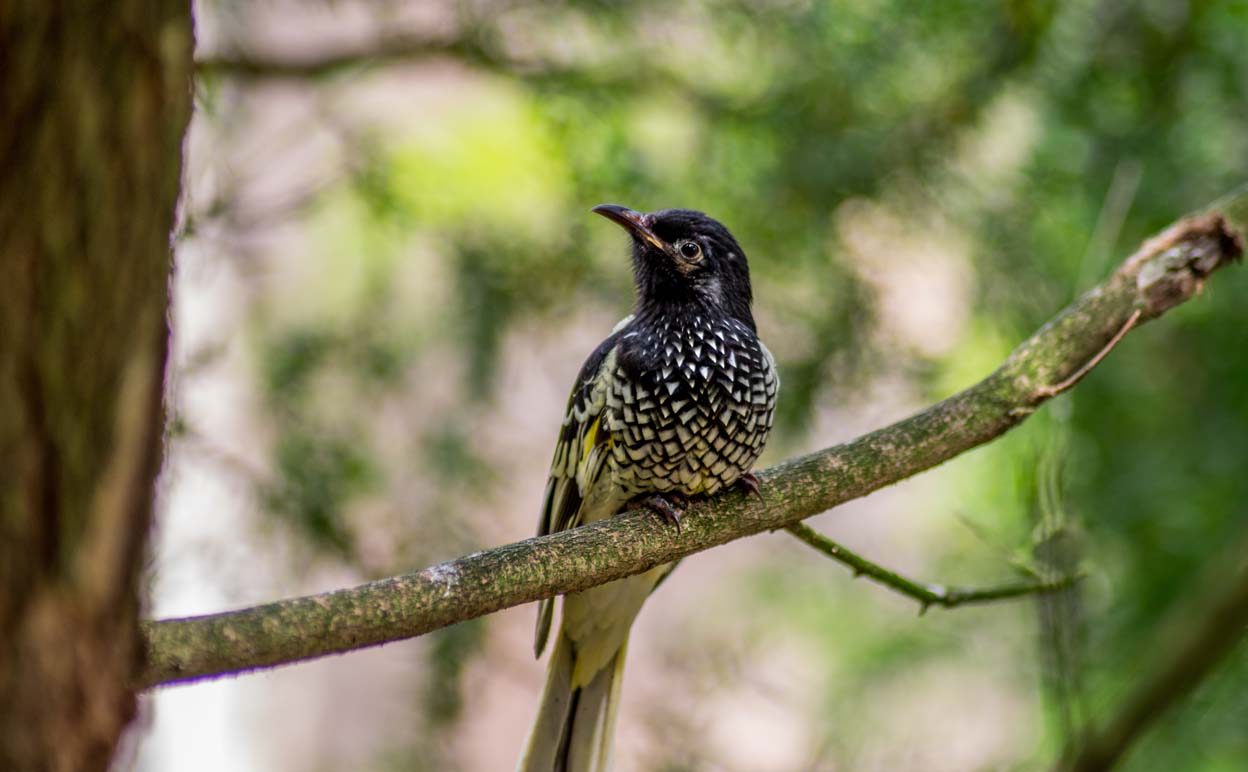
An entire suite of woodland birds, including the critically endangered regent honeyeater, are threatened because they depend on thin strips of vegetation communities that often occur inside fence-lines on private land.

For instance, scientific monitoring has shown five pairs of regent honeyeaters (50% of all birds located so far this season) are nesting or foraging within 25m of a single fence-line in the upper Hunter Valley. This highlights just how big an impact the loss of one small, private location could have on a species already on the brink of extinction.

But it’s not just regent honeyeaters. The management plan for the vulnerable glossy black cockatoo makes specific recommendation that vegetation corridors be maintained, as they’re essential for the cockatoos to travel between suitable large patches.

Native bee conservation also relies on the protection of remnant habitat adjoining fields. Continued removal of habitat on private land will hinder chances of conserving these species.

Disastrous clearing laws

The new clearing code does have some regulations in place, albeit meagre. For example, on the Rural Fire Service website, it says the code allows “clearing only in identified areas, such as areas which are zoned as Rural, and which are considered bush fire prone”. And according to the RFS boundary clearing tool landowners aren’t allowed to clear vegetation near watercourses (riparian vegetation).

Even before introducing this new code, NSW’s clearing laws were an environmental disaster. In 2019, The NSW Audit Office found:

clearing of native vegetation on rural land is not effectively regulated [and] action is rarely taken against landholders who unlawfully clear native vegetation.

The data back this up. In 2019, over 54,500 hectares were cleared in NSW. Of this, 74% was “unexplained”, which means the clearing was either lawful (but didn’t require state government approval), unlawful or not fully compliant with approvals.

Landholders need to show they’ve complied with clearing laws only after they’ve already cleared the land. But this is too late for wildlife, including plant species, many of which are threatened.

Landholders follow self-assessable codes, but problems with these policies have been identified time and time again — they cumulatively allow a huge amount of clearing, and compliance and enforcement are ineffective.

We also know, thanks to various case studies, the policy of “offsetting” environmental damage by improving biodiversity elsewhere doesn’t work.

So, could the federal environment and biodiversity protection law step in if habitat clearing gets out of hand? Probably not. The problem is these 25m strips are unlikely to be referred in the first place, or be considered a “significant impact” to trigger the federal law.

The code should be amended

Nobody disputes the need to keep people and their assets safe against the risks of fire. The code should be amended to ensure clearing is only permitted where a genuinely clear and measurable fire risk reduction is demonstrated.

Granting permission to clear considerable amounts of native vegetation, hundreds if not thousands of metres away from homes and key infrastructure in large properties is hard to reconcile, and it seems that no attempt has been made to properly justify this legislation.

We should expect that a comprehensive assessment of the likely impacts of a significant change like this would inform public debate prior to decisions being made. But to our knowledge, no one has analysed, or at least revealed, how much land this rule change will affect, nor exactly what vegetation types and wildlife will likely be most affected.

A potentially devastating environmental precedent is being set, if other regions of Australia were to follow suit. The environment and Australians deserve better.

The Conversation
Categories
Publications

A brief history of the northern quoll (Dasyurus hallucatus): a systematic review

Authors: Harry A Moore, Judy A Dunlop, Chris J Jolly, Ella Kelly, John C Z Woinarski, Euan G Ritchie, Scott Burnett, Stephen van Leeuwen, Leonie E Valentine, Mitchell A Cowan, and Dale G Nimmo.

Published in: Australian Mammalogy

Abstract

In response to Australia’s current extinction crisis, substantial research efforts have been targeted towards some of the most imperilled species. One such species is the northern quoll (Dasyurus hallucatus), a marsupial predator that has recently suffered substantial declines in range and is now listed as Endangered.

We conducted a systematic review of all literature relevant to the conservation and ecology of northern quolls. We reviewed 143 studies, including research articles, government and industry reports, theses, and books, and quantified research effort in terms of topic, location, and publication period. We then summarised research relevant to northern quoll taxonomy, genetics, distribution, habitat associations, diet, reproduction, movement, threats, management, and Indigenous knowledge. Research effort was higher between 2011 and 2020 than the previous four decades combined.

Northern quolls in the Northern Territory were the most studied, followed by the Pilbara, the Kimberley, and Queensland populations. Most studies focused on northern quoll distribution and habitat, management, and threats – primarily cane toads, predation, and fire.

We conclude with a non-exhaustive list of ten future research directions. If pursued, these future research directions should provide information critical to managing and conserving northern quolls.

Moore HA, Dunlop JA, Jolly CJ, Kelly E, Woinarski JCZ, Ritchie EG, Burnett S, van Leeuwen S, Valentine LE, Cowan MA, Nimmo DG (2021) A brief history of the northern quoll (Dasyurus hallucatus): a systematic review. Australian Mammalogy PDF DOI

Categories
Publications Research

Sharing meals: Predation on Australian mammals by the introduced European red fox compounds and complements predation by feral cats

Authors: Alyson M Stobo-Wilson, Brett P Murphy, Heather M Crawford, Stuart J Dawson, Chris R Dickman, Tim S Doherty, Patricia A Fleming, Matthew N Gentle, Sarah M Legge, Thomas M Newsome, Russell Palmer, Matthew W Rees, Euan G Ritchie, James Speed, John-Michael Stuart, Eilysh Thompson, Jeff Turpin, and John C Z Woinarski

Published in: Biological Conservation

Abstract

Two introduced carnivores, the European red fox Vulpes vulpes and domestic cat Felis catus, have had, and continue to have, major impacts on wildlife, particularly mammals, across Australia. Based mainly on the contents of almost 50,000 fox dietary samples, we provide the first comprehensive inventory of Australian mammal species known to be consumed by foxes, and compare this with a similar assessment for cats.

We recorded consumption by foxes of 114 species of Australian land mammal (40% of extant species), fewer than consumed by cats (173 species). Foxes are known to consume 42 threatened mammal species (50% of Australia’s threatened land mammals and 66% of those within the fox’s Australian range). Reflecting the importance of mammals in their diet, foxes are known to consume a far higher proportion of Australian mammal species (40%) than of Australian birds (24%) and reptiles (16%).

Both foxes and cats were most likely to consume medium-sized mammals, with the likelihood of predation by foxes peaking for mammals of ca. 280 g and by cats at ca. 130 g. For non-flying mammals, threatened species had a higher relative likelihood of predation by foxes than non-threatened species. Using trait-based modelling, we estimate that many now-extinct Australian mammal species had very high likelihoods of predation by foxes and cats, although we note that for some of these species, extinction likely pre-dated the arrival of foxes. These two predators continue to have compounding and complementary impacts on Australian mammals. Targeted and integrated management of foxes and cats is required to help maintain and recover the Australian mammal fauna.

Stobo-Wilson AM, Murphy BP, Crawford HM, Dawson SJ, Dickman CR, Doherty TS, Fleming PA, Gentle MN, Legge SM, Newsome TM, Palmer R, Rees MW, Ritchie EG, Speed J, Stuart J-M, Thompson E, Turpin J, Woinarski JCZ (2021) Sharing meals: Predation on Australian mammals by the introduced European red fox compounds and complements predation by feral cats. Biological Conservation PDF DOI

Categories
Publications Research

Reptiles as food: predation of Australian reptiles by introduced red foxes compounds and complements predation by cats

Authors: Alyson M Stobo-Wilson, Brett P Murphy, Sarah M Legge, David G Chapple, Heather M Crawford, Stuart J Dawson, Chris R Dickman, Tim S Doherty, Patricia A Fleming, Matthew Gentle, Thomas M Newsome, Russell Palmer, Matthew W Rees, Euan G Ritchie, James Speed, John-Michael Stuart, Eilysh Thompson, Jeff Turpin, and and John C Z Woinarski

Published in: Wildlife Research

Abstract

Context: Invasive species are a major cause of biodiversity loss across much of the world, and a key threat to Australia’s diverse reptile fauna. There has been no previous comprehensive analysis of the potential impact of the introduced European red fox, Vulpes vulpes, on Australian reptiles.

Aims: We seek to provide an inventory of all Australian reptile species known to be consumed by the fox, and identify characteristics of squamate species associated with such predation. We also compare these tallies and characteristics with reptile species known to be consumed by the domestic cat, Felis catus, to examine whether predation by these two introduced species is compounded (i.e. affecting much the same set of species) or complementary (affecting different groups of species).

Methods: We collated records of Australian reptiles consumed by foxes in Australia, with most records deriving from fox dietary studies (tallying >35 000 samples). We modelled presence or absence of fox predation records against a set of biological and other traits, and population trends, for squamate species.

Key results: In total, 108 reptile species (~11% of Australia’s terrestrial reptile fauna) have been recorded as consumed by foxes, fewer than that reported for cats (263 species). Eighty-six species have been reported to be eaten by both predators. More Australian turtle species have been reported as consumed by foxes than by cats, including many that suffer high levels of predation on egg clutches. Twenty threatened reptile species have been reported as consumed by foxes, and 15 by cats. Squamate species consumed by foxes are more likely to be undergoing population decline than those not known to be consumed by foxes. The likelihood of predation by foxes increased with squamate species’ adult body mass, in contrast to the relationship for predation by cats, which peaked at ~217 g. Foxes, but not cats, were also less likely to consume venomous snakes.

Conclusions: The two introduced, and now widespread, predators have both compounding and complementary impacts on the Australian reptile fauna.

Implications: Enhanced and integrated management of the two introduced predators is likely to provide substantial conservation benefits to much of the Australian reptile fauna.

Stobo-Wilson AM, Murphy BP, Legge SM, Chapple DG, Crawford HM, Dawson SJ, Dickman CR, Doherty TS, Fleming PA, Gentle M, Newsome TM, Palmer R, Rees MW, Ritchie EG, Speed J, Stuart J-M, Thompson E, Turpin J, Woinarski JCZ (2021) Reptiles as food: predation of Australian reptiles by introduced red foxes compounds and complements predation by cats. Wildlife Research PDF DOI