Categories
The Conversation

The Conversation: Decorating your Christmas tree? Try these crafts inspired by Aussie plants and animals

Image credit: Laura Driessen

By Caitlyn Forster, University of Sydney; Euan Ritchie, Deakin University, and Laura Nicole Driessen, University of Sydney.

This article is republished from The Conversation under a Creative Commons license. Read the original article.

While we’re busy preparing for Christmas, many Australian native plants and animals are also busy – growing, flowering and raising their young. What better time to celebrate this explosion of life?

Let’s set aside the holly, snowmen and reindeer this Christmas and decorate our homes with some of Australia’s most remarkable species instead.

Drawing on themes from our research on wildlife, ecology and astronomy, we’ve prepared this handy guide to an Aussie festive season.

It’s not too late to get crafty and deck the halls with Christmas beetle baubles and paper parrots for a Christmas with a difference.

Christmas beetle baubles

As their name suggests, Christmas beetles would have to be our most notable Christmassy insect. These little beauties give our eucalyptus trees their own little baubles. The trees provide food for the beetles, which become most abundant at this time of year.

Use our Christmas beetle stencils and some spray paint to give your baubles a fresh new look.

Have you heard about the Christmas Beetle Count? This project is tracking Christmas beetle populations across Australia through the power of citizen science. People have recorded nearly 15,000 observations of beetles, including some not seen in decades.

By gaining more knowledge of which species of beetles are around, we can learn how they are doing in the face of a changing climate and urbanisation. It can also help us understand what needs to be preserved in order for Christmas beetles to thrive in future ecosystems.

Put some spines among pines (or gum leaves)

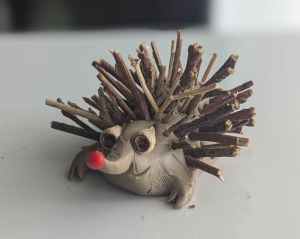
Making a Christmas echidna will be a delightful way to introduce a bit of sensory play into your home. Image credit: Shannon Drayton-Taylor

The echidna is one of only two egg-laying mammals in Australia. The other is the egg-laying and venomous playtpus.

Fun fact: relative to body size, the short-beaked echidna is the mammal with the world’s largest prefrontal cortex. This area of the brain is crucial for decision-making. Perhaps these humble, bumbling balls of spikes make better choices than we humans do?

Clay models of this marvellous monotreme make wonderful additions to any table or tree. Make your own with some clay for the body, some sticks for the spines and a couple of small gumnuts for eyes.

Swap the reindeer for tree kangaroos

For a local substitution for flying reindeer, why not consider kangaroos in the treetops?

In the far north, two species of tree kangaroos bound and crash through the treetops of our tropical rainforests.

The powerful Lumholtz and Bennett’s tree kangaroos are built for climbing. They can also jump up to 15 metres from the treetops to the ground, unharmed.

Create your own by cutting little kangaroo-shaped silhouettes out of cardboard, and draw on a face and put it on your Christmas tree.

A female tree kangaroo is best, because then you can tuck special treats like chocolates into their pouch. It’s the ultimate wildlife advent calendar.

Just don’t despair if these guys leap off the tree, as this is quite normal behaviour.

Elegant Yuletide Eclectus parrots

Better than matching knitted jumpers, Eclectus parrots make the ultimate Christmas couples. These parrots from Cape York come in vivid green (male) and stunning two-tone blue and red (female).

Males seek to impress females with their plumage and vocal repertoire. If successful, they’ll engage in acrobatic aerial displays by showing off their colourful feathers, prior to mating. Several males will bring food to a single female while she incubates eggs in a deep tree hollow.

Making origami eclectus parrots can be a simple way to add some native birds to your Christmas tree. Image credit: Shannon Drayton-Taylor

Make your own origami bird decorations using coloured paper. Once the bird is folded, add some ribbon so they can be placed on your tree. Consider creating a whole family of adults and chicks, just as they would in the wild.

You can even use recycled paper and colour it to suit other Christmas-coloured birds such as king parrots, rosellas or lorikeets.

If you’re into backyard or street cricket, you could even take advantage of time spent waiting around when you’re fielding to do a bird count using the citizen science app eBird. Download the app, count the birds you see and contribute to citizen science.

Look up to the sky for inspiration

The ‘Great Celestial Emu’ an image of the night sky captured at the Elvina engraving site in Ku-ring-gai Chase National Park, near Sydney, annotated with an outline of the emu shape. Image credit: Barnaby Norris and Ray Norris

The “Great Celestial Emu” is a beautiful feature of the night sky in the southern hemisphere.

Indigenous Australian stories about the Emu in the Sky come from all over the country.

Compared to constellations named by Babylonian and Ancient Greek astronomers, the emu is unique. In this case the name is not given to a group of stars forming a recognisable pattern. Instead, the emu shape is a silhouette made up of dark patches of gas and dust blocking light from the Milky Way. This is the Dark Emu in the title of Bruce Pascoe’s bestselling book.

The head is the dark Coalsack Nebula next to the Southern Cross and the neck extends through the middle of the “pointer stars” (Alpha and Beta Centauri). In December, the head of the emu is visible in the early morning before dawn.

We added the Great Celestial Emu to our Christmas tree by sprucing up a silver bauble with glitter.

Finish with some gardening and foraging

We can bring the outside in, or we can head out to enjoy nature in all its glory.

Being in nature has many benefits for health and wellbeing.

Many Australian plants will be flowering over summer, and they can be collected, dried, and placed in clear baubles to create simple, beautiful decorations for your tree.

Or you can get planting and grow your own Christmas tree, such as a cypress pine local to your area or even a Christmas bush.

The Conversation
Categories
Science communication The Conversation

The Conversation: Move over Olympians, Australia’s wildlife are incredible athletes

The now extinct oolacunta or desert rat-kangaroo. John Gould, 1863

This article is republished from The Conversation under a Creative Commons license. Read the original article.

Now that the Paris Olympics and Paralympics have disappeared from our screens, let’s get back to watching animal videos.

But seriously, have you ever paused to think about the athletic abilities of Australian wildlife?

In my research as an ecologist, I’m constantly amazed by the strength, speed and resilience of our native animals. Their prowess is testament to the wonders of evolution, and the necessity of species having to adapt to challenging and changing environments in order to survive.

Let’s take a closer look at some of our best competitors and how might they fare, against humans and overseas entrants. On your marks, get set… swim, hop, dig, dance, glide!

Swimming

Australians are renowned for being strong swimmers. But what is the fastest swimmer in the animal kingdom?

On this there is much debate. Some suggest it’s the Indo Pacific sailfish, clocking in at about 30km/hr. That’s impressive, but much slower than oft-cited (but inaccurate) claims it can travel at more than 100km/hr.

For perspective, the fastest human to swim the 50 metres freestyle is American Caeleb Dressel, completing this in a time of 20.16 seconds. That’s roughly 9km/h – faster than many people jog, but still no match for a sailfish.

As in humans, swimming speed in fishes tends to increase with body length. Larger species that challenge sailfish for the fastest swimmer title include blue or black marlin. Shorter, torpedo-like bluefin tuna are also in contention. All are found in Australian waters, though not exclusively.

Sprinting, long and high jump

Aussie icons, red kangaroos can reach speeds of around 60-70km/hr. But they are no match for cheetahs, which can move at more than 120km/hr.

Long jump is surely the kangaroo’s main event. Red kangaroos can jump a staggering 13 metres or more. Amazingly, this might not be enough to clinch gold. Snow leopards can jump more than 15 metres.

Kangaroos can clear heights of up to 3m, so would perform well in the high jump. But they’d finish behind bottlenose dolphins, which can jump over 7m in the air, just for kicks.

Battles of strength

African elephants can lift more than 1,000kg and weaver ants more than 100 times their own body weight.

But relative to size, a truly impressive champion is Australia’s horned dung beetle. At just a centimetre long, these diminutive powerhouses can pull more than 1,100 times their own body weight, roughly equating to an average man lifting two fully-loaded 18-wheeler trucks.

And yet, horned dung beetles might still only claim silver. Another invertebrate Aussie, the tiny tropical moss mite, is perhaps the world’s strongest animal. It can pull more than 1,180 times its weight.

Packing the fastest, deadliest punch

In terms of combat sports, bigger is not always better.

Peacock mantis shrimps – invertebrates found in Australian marine waters and elsewhere – have the swiftest and most powerful punch in the lightweight crustacean division.

They kill prey by punching them with strong, club-like appendages. They deliver blows at up to 23m per sec, akin to the speed and force of a .22 calibre bullet being fired.

So powerful is the punch, it vaporises water and creates a super-hot shockwave that breaks up and incapacitates its prey.

Tantalising contests

What about a digging contest? Eastern barred bandicoots can shift 4.8 tonnes of soil a year. How would that stack up against marsupial moles, which can disappear almost instantly into desert sands? Or the expert excavations of wombats and aardvarks that can dig more than half a metre in 15 seconds?

In terms of free-diving and flying, there’s really no contest. Cuvier’s beaked whale can dive nearly 3000m and peregrine falcons can reach over 320 km/hr. These animals are found across the globe, however – not just in Australia.

Australia’s largest gliding marsupial, the greater glider, can sail up to 100m between trees. But gliding gold would surely go to the giant flying squirrel, which can glide up to 450m.

I’d love to see a shooting contest between Australia’s archer fish and Madagascar’s panther chameleon. But finding the right arena for both aquatic and land-based sharpshooters would be tricky.

Raygun’s kangaroo hop is now legendary, but a breaking (break dancing) contest between a peacock spider, spanish dancer (a type of nudibranch) and a magnificent riflebird might genuinely break the internet.

Appreciating wildlife athletes

So who would win a global contest for the best wildlife athlete overall?

If the competition was on land and focused on running, jumping, strength and climbing, it’s hard to go past the overall abilities of a Bengal tiger.

Many amazing wildlife athletes are threatened with extinction. Others are gone forever.

They include the incredible oolacunta – also known as the desert rat kangaroo. It’s powers of endurance in the desert are the stuff of folklore. As legendary Australian mammalogist Hedley Herbert Finlayson wrote in 1931:

Its speed for such an atom, was wonderful, and its endurance amazing … when we finally got it, it had taken the starch out of three mounts and run us 12 miles; all under such adverse conditions of heat and rough going, as to make it almost incredible that so small a frame should be capable of such an immense output of energy.

Let’s celebrate wildlife and their athletic abilities and ensure they have a secure future.

The Conversation

Categories
Research Science communication The Conversation

The Conversation: The power of one: solitary carnivores outkill group hunters

Mark Elbroch, Panthera

By Luke Emerson and Euan Ritchie, Deakin University.

This article is republished from The Conversation under a Creative Commons license. Read the original article.

Earth’s majestic “apex predators” are some of the most prolific hunters in the world. But which ones kill the most?

Such information allows us to better understand how different predators affect their environment. It can also guide hunting quotas and help evaluate how humans affect carnivores.

These apex predators perform vital roles in ecosystems. Yet tragically they are among the world’s most threatened animals. Carnivores frequently come into conflict with humans, particularly over livestock and public safety.

Our approach

We examined 196 papers that either quantified large mammal carnivore kill rates, or reported data we could use to calculate the rates ourselves.

We focused on the large land-based carnivores weighing 15 kilograms or more. We also searched for kill rate studies on four smaller species — coyote, wolverine, fossa (a cat-like predator found in Madagascar) and the Tasmanian Devil — as they’re all considered apex predators in certain regions and ecosystems.

We only found kill rate estimates for 17 (55%) of the 31 carnivore species included in our review. Studies came from 27 countries across five continents.

The research focused on mammals weighing 15 kg or more. Jurgens Potgieter, Shutterstock

Carnivores hunt in different ways

We found kill rates differ between carnivores with different social structures and hunting strategies.

Social predators, such as wolves and lions, tend to kill fewer animals per carnivore than solitary hunters such as bears, tigers and Eurasian lynx. For example, on average grey wolves made a kill every 27 days per wolf, compared with every four days per Eurasian lynx.

Larger wolf packs can bring down large animals such as bison more easily. Similarly, groups of cheetahs can tackle larger prey than solitary cheetahs. This could mean they don’t need to hunt as often.

Working as a team may also reduce losses to scavengers, as groups can better defend their kills through sheer numbers. Or they might be better at scavenging and stealing (“kleptoparasitism”) from others.

Canine predators such as wolves and African wild dogs often rely on high-energy pursuits over long distances. For example, grey wolves can pursue prey for more than 20 kilometres. In contrast, cats rely on stealth, using an ambush hunting strategy. This saves energy.

Solitary large carnivores such as tigers, leopards and Eurasian lynx, which mainly hunt hooved mammals, have similar kill rates regardless of body mass. This suggests large land-based carnivores are compelled to hunt prey closer to their own size or larger, to compensate for the energy used in the hunt.

Smaller carnivores such as cheetahs, pumas and African wild dogs often kill more prey than their larger counterparts, but only consume about half of what they kill.

This behaviour benefits other species such as lions, bears and wolves and is likely a consequence of having to compensate for the theft and loss of food. Pumas are thought to provide more than 1.5 million kilograms of carrion a day across North and South America.

If you’ve seen The Lion King movie, you’d be forgiven for thinking hyenas largely steal and scavenge their food. But that’s not the case. Lions often steal from hyenas, as well as from other carnivores such as cheetahs and African wild dogs.

Bias in kill rate research

More than half (55%) of all kill rate studies have been conducted in North America. Africa follows with almost a quarter (24%), then Europe (12.5%).

Asia was a long way behind with 7% of all kill rate studies. That’s just 13 studies covering six species. This is despite being the largest continent, home to 17 (55%) of the 31 large carnivore species included in our review.

No reliable kill rate studies have been published from Australia.

A third (33%) of all kill rate studies focused on grey wolves, followed by pumas (20%), lions (12%) and Eurasian lynx (8%). This means we know little about the predatory behaviour and roles of other large carnivores.

Grey wolves are considered a threat to livestock and wildlife that humans value. This has prompted significant investment in research to understand their predatory behaviour and that of other large North American carnivores.

Such work has subsequently been used to inform appropriate management and conservation of these predators and their prey.

A third of all studies focused on grey wolves. Evelyn D. Harrison, Shutterstock

Carnivores bring benefits

Kill rate studies provide more than just a tally of carnivore behaviour. They offer deeper insights into the relationships between predators and prey, and their effects on ecosystems.

Large carnivores shape ecosystems by scaring and killing prey, which can change their behaviour, distribution and abundance. They also supply food to other species, affecting the flow of nutrients and energy.

In many ways, large carnivores also help people. They can reduce the risk of vehicle collisions, by killing deer that might otherwise wander onto roads. They may limit the spread of disease by preying on sick animals, and control herbivores, aiding livestock producers.

Yet carnivores, including Australia’s dingo, are still widely persecuted. We need to do all we can to maintain their pride of place at the pinnacle of Earth’s ecosystems.

Of course, if you really want to know which species is the biggest killer, it’s humans. We are the dominant predator across Earth.The Conversation

The Conversation

Categories
Science communication The Conversation

The Conversation: Why move species to islands? Saving wildlife as the world changes means taking calculated risks

Eastern Barred Bandicoot (Perameles gunnii), John Gould 1863

By Anthony Rendall (Deakin University), Amy Coetsee (The University of Melbourne), Aviya Naccarella (Deakin University) and Euan Ritchie (Deakin University).

This article is republished from The Conversation under a Creative Commons license. Read the original article.

The eastern barred bandicoot was once found in abundance across the basalt plains of western Victoria. But habitat destruction and predation by introduced red foxes drove the species to the brink of extinction on the mainland.

Establishing populations in fenced reserves was critical in providing insurance against extinction. To further increase bandicoot numbers to provide long-term security against extinction, we needed more fox-free land.

A bold plan was hatched: move the species to where the predators weren’t. Introduce them to Victoria’s fox-free Phillip and French islands.

Six years later, the bandicoot made conservation history, as the first species in Australia to be reclassified from extinct in the wild to endangered.

Why don’t we translocate all endangered species to islands? The technique can be effective, but can come with unwanted consequences.

The surprising benefits of translocation

Eastern barred bandicoots are ecosystem engineers. As they dig for their dinner of worms, beetles, bulbs, fungi and other foods, their industrious work improves soil quality, and in turn, the health of vegetation.

So when we translocate threatened species, we can get a double win – a rapid increase in their populations and restoration of lost ecosystem functions.

Australia’s landscapes look very different than they did before European colonisation around 230 years ago.

Industrialised farming, introduced predators and habitat destruction and fragmentation are driving biodiversity decline and extinctions. As species die out, ecosystems lose the vital functions wildlife perform. Without them, ecosystems might not operate as well or even collapse – a little like a poorly serviced car engine.

We feel the loss most acutely when we lose keystone species on which many other species depend, such as oysters and bees. Restoring these functions can improve biodiversity and the sustainability of food production. For instance, encouraging owls to return to farmland can cut the use of damaging rodent poisons, as owls eat thousands of mice and rats yearly.

Before colonisation, industrious digging mammals and their soil excavations were extremely widespread. Regrettably, introduced foxes and cats have made short work of many of Australia’s diggers. Six of 29 digging species are now extinct, including the lesser bilby, pig-footed bandicoot and desert rat-kangaroo. Many others are endangered.

Could translocation save more species?

Conservationists have successfully translocated species such as the western swamp tortoise, the Shark Bay mouse, and northern quolls.

The northern quoll is the smallest of Australia’s four quoll species. John Webb/AAP

New environments don’t necessarily need to be predator-free. The eastern barred bandicoot is thriving on Phillip and French Island, in the presence of feral and domestic cats. The key is there are no foxes.

Many islands are now being thought of as conservation arks, able to provide safe havens for several threatened species at once. Dirk Hartog Island, Western Australia’s largest, is now home to reintroduced western quolls, dibblers, mulgaras and other small mammals, as well as two translocated hare-wallaby species.

Why is translocation not more common?

The technique can work very well – but it can also backfire.

In the 1920s, conservationists undertook the first translocation in Australia by moving koalas to Phillip and French Island – the same Victorian islands now a refuge for bandicoots. While this protected koalas from hunting pressure, koala populations exploded, and the tree-dwelling marsupials ate themselves out of house and home in some areas.

In 2012, conservationists began introducing Tasmanian devils to Maria Island, just off Tasmania’s east coast. They wanted to conserve a healthy population free from the contagious facial tumour which has devastated their populations. On Maria Island, the devils became too successful, wiping out the island’s penguin and shearwater populations.

You can see translocations aren’t a silver bullet. We have to carefully consider the pros and cons of any such conservation intervention. Ecosystems are complex. It’s not easy to predict what will happen to an ecosystem if we introduce a species new to the area.

The decision to translocate a species is a value judgement – it prioritises one species over the broader ecosystem. Opponents of translocation question whether we are doing the right thing in valuing efforts to conserve a single species over the innate value of the existing ecosystem.

What’s the best approach in future?

Translocation is not the end goal. Islands cannot support the vast array of threatened species in Australia.

The end goal is to establish and expand threatened species populations on the mainland in fenced reserves before eventually reintroducing them to the wild where they will encounter introduced predators.

Making sure foxes don’t repopulate Phillip Island takes constant surveillance. This photo shows a fox which evaded capture for two months in 2022. Phillip Island Nature Parks/AAP

Research is being done to explore how we can make this work, such as:

1) Predator-savvy wildlife: some native species may be able to adapt to living alongside introduced predators – with some help. For example, conservationists have exposed semi-captive bilbies to small numbers of feral cats with the aim of increasing their wariness and ultimately boosting their chances of survival. Results have been encouraging.

2) Building ecosystem resilience: we know more intact native ecosystems can reduce the chance of damage from invasive species . That means re-establishing native ecosystems could boost their resilience.

Moving a species from its home is a bold and risky decision. It’s critical local communities and First Nations groups are consulted and able to guide discussions and any eventual actions.

For their part, governments, land managers and conservationists must think more broadly about how we might best conserve species and ecosystems in a rapidly changing world.

Categories
Science communication The Conversation

The Conversation: Harry Potter and the Disenchanted Wildlife: how light and sound shows can harm nocturnal animals

Charles Rex Arbogast/AP

By Jaana Dielenberg, University Fellow, Charles Darwin University; Euan Ritchie, Professor in Wildlife Ecology and Conservation, School of Life & Environmental Sciences, Deakin University; Loren Fardell, Research Fellow, The University of Queensland, and Therésa Jones, Professor in Evolution and Behaviour, The University of Melbourne

This article is republished from The Conversation under a Creative Commons license. Read the original article.

Light and sound shows in parks can enthral crowds with their colour, music and storytelling. Lasting for weeks to months, the shows provide entertainment and can boost local economies. But unless they are well-located, the shows can also harm wildlife.

A planned production at a wildlife sanctuary in outer Melbourne has brought these concerns to the fore. In April and May this year, a wildlife reserve on the Mornington Peninsula will host Harry Potter: A Forbidden Forest Experience. The event involves a two-kilometre night walk where, according to organisers, characters from the film are “brought to life”.

The event has prompted an outcry from people worried about the effect on the reserve’s vulnerable wildlife. The sanctuary, known as The Briars, is home to native animals including powerful and boobook owls, owlet-nightjars, koalas, wallabies, Krefft’s gliders, lizards, frogs, moths and spiders. A petition calling for the event to be relocated has attracted more than 21,000 signatures.

Research shows artificial light, sound and the presence of lots of people at night can harm wildlife. It’s not hard to see why. Imagine if a music and light show, and thousands of people, turned up at your house every night for weeks on end. How would you feel?

A history of community opposition

In addition to the lights and sounds, these shows can involve artificial smoke and animated sculptures. While they often take place along existing walking trails, they attract huge crowds at a time when animals usually have the place to themselves.

The Parrtjima light show in Alice Springs has raised concern for threatened black-footed rock wallabies. Paul Balfe via Wikimedia Commons

Most of Australia’s mammals and frogs and many bird and reptile species are nocturnal, or active at night. They have adapted to the natural darkness, sounds and smells of the night.

The Harry Potter experience planned for The Briars has taken place elsewhere around the world, including at a nature area near the Belgian capital of Brussels. That event, in February last year, was also opposed by locals on ecological grounds. Belgian Minister for Nature Zuhal Demir has reportedly said the show would not return this year due to concern for wildlife.

Light shows proposed for other wildlife conservation areas have also faced community opposition. In Australia, there were calls to halt the Parrtjima light festival in the Alice Springs Desert Park over potential harm to the threatened black-footed rock wallabies. The Lumina light show proposed for Mount Coot-tha in Brisbane has also attracted concern for wildlife.

Light, sounds, action!

Small mammals such as microbats avoid habitat that is artificially lit. Pictured: Gould’s long-eared bat. Victorian Government Department of Environment Primary Industries

What’s more, human-caused noise also stresses animals and changes animal behaviour. It masks the natural soundscape, making it harder for animals to find mates or hear the calls of their young. It can also mean animals can’t hear predators or their prey.

When thousands of humans travel through an area they leave strong predator-like smells. This can be stressful for wildlife. It can also mask smells vital for an animal’s survival, such as that of food and predators.

Long-term harm

When faced with all this disruption, many nocturnal animals will hide until a site returns to normal, which in the case of light shows is often close to midnight. This cuts in half the time animals have to go about their life-sustaining activities and exposes them to greater risks when they do go out.

Light and sound shows are usually temporary – but can have major long-term impacts.

In species with low birth rates and short lifespans, a disturbance to breeding can be catastrophic. For example, males of the genus Antechinus (small marsupials) live long enough for just one short breeding season. If they are disrupted, there are no second chances.

Find a better location

The Mornington Peninsula Shire Council has defended the Harry Potter event, saying the placement of props, lights and sounds has been carefully considered.

Organisers may have minimised impacts where they can, but evidence suggests the impact on wildlife will still be extensive.

Events such as this clearly affect wildlife. Finding genuinely suitable locations should be done with care – and should avoid wildlife conservation areas altogether.

The Conversation
Categories
Science communication The Conversation

The Conversation: Crocs love feral pigs and quolls have a taste for rabbit – but it doesn’t solve the invasive species problem

Imogen Warren, Shutterstock

By Euan Ritchie, Deakin University.

This article is republished from The Conversation under a Creative Commons license. Read the original article.

Across the vast Australian continent, feral pigs, feral deer and European rabbits roam in their millions. By different names – wild boar, venison and lapin – these could all be served in a Michelin star restaurant.

Feral and invasive species are becoming popular meals for native wildlife too. For species like the saltwater crocodile and spotted-tailed quoll, the menu is expanding and changing due to the arrival of invasive alien species – one of the greatest threats to biodiversity globally.

The good news is, many invasive alien species make good tucker. Around the world, native wildlife are dining on increasing numbers of exotic prey. In the United States, endangered snail kites — a wetland raptor — crunch through invasive apple snails, red-banded snakes swallow North American bullfrogs in China, dingoes devour feral sambar deer and goats in Australia, Sulawesian toads gobble up introduced yellow crazy ants in Indonesia, and golden eagles and saltwater crocodiles both love eating feral pigs on opposite sides of the Pacific.

Of crocs and pigs

So can we say these invasives are useful in some sense? Exotic prey can help boost numbers of some native predators. Saltwater crocodiles in the Northern Territory are rapidly bouncing back after widespread, severe culling.

Feral pigs are a very damaging invasive species in Australia. Shutterstock

Using the bones of crocodiles collected through time, researchers have shown that over roughly half a century, salties have shifted from a diet largely based on fish to a more terrestrial diet, including feral water buffalo and pigs.

This seems like a much-needed good news story for the environment – a natural way to limit feral pigs, one of Australia’s most widespread and damaging invasive species. At present, though, we don’t know for sure that crocs keep pig numbers down.

On the other hand, female estuarine crocodiles begin reproducing at around 12 years of age, and do so once a year under the right conditions. Crocodiles cut back on hunting and other activity during cooler months. Together, this means feral pigs can endure relatively high predation rates and still persist in ecosystems in large numbers.

Of quolls and rabbits

The largest of Australia’s four predatory marsupial quoll species, the spotted-tailed quoll, is known to enjoy rabbit even when there is a diverse and abundant selection of native mammals within the same area.

Unfortunately, quolls are now absent or still declining in many places, due likely to competition or predation with the bigger, heavier predators Europeans introduced: feral cats and foxes. In the bush, male cats can be sizeable – exceeding 6 kilos, roughly double the size of your average spotted-tailed quoll.

This begs the question – if cats and foxes could be eradicated or greatly reduced in some areas, could we reintroduce quolls to help manage rabbit populations or prevent their return?

Dangerous dinners

Not all introduced prey make safe meals.

Cane toads have devastated some native species such as northern quolls, which naturally prey on native amphibians but cannot survive toad toxin.

Regrettably, a recent attempt to train quolls not to eat cane toads appears to have failed.

But other species have learnt to safely eat cane toads, including the rakali (Australian water rat), which removes and eats toad hearts and livers with surgical precision. The humble bin chicken (white ibis) has also figured out how to make toads safer by washing them.

European house mice and introduced rats can be easy prey for owls, snakes, and many other native predators. Unfortunately, these easy pickings can become their last suppers – not because the rodents are toxic, but because they may well have eaten rodenticide which makes them easier to hunt. Once a sick, dying rodent is eaten, the predator can in turn be poisoned and die. Scavengers who eat poisoned predators can also die, affecting entire food chains and ecosystems.

Sometimes predators can find themselves prey, depending on their age and size. In Australia, large pythons, goannas and monitor lizards eat foxes and cats, but these same reptiles are preyed upon by cats and foxes when younger and smaller.

Invasive prey aren’t going away

As time goes on, invasive prey species can become regular meals for native predators – and part of the food web.

deer in australia
Millions of feral deer now roam Australia. Kazredracer/Flickr

When we try to remove invasive prey species from ecosystems, we must take a big picture view and proceed with great caution.

When feral cats were killed off on New Zealand’s Little Barrier island, it was done with the best intentions: protect the seabirds nesting there. But with the cats gone, invasive rat populations surged and soon began killing the seabird chicks.

In Australia’s arid regions, we now have experimental evidence to suggest biological controls such as rabbit haemorrhagic disease do keep rabbit numbers down, alongside culling and destroying warrens. With the rabbits suppressed, plants and native herbivores can bounce back. This, in turn, pushes cat and fox populations lower, as these two predators maintain their high numbers in arid regions in part due to an abundance of rabbits.

But this doesn’t work in the wetter, more vegetated south-east. Here, there’s little evidence rabbit control greatly affects fox populations.

So should we celebrate crocs chomping on pigs and rakali eating cane toads? Of course – it’s a sign that some of our native predators can adapt to these introduced species. But it’s not true for all native wildlife. Our quolls are doing far worse with the new arrivals.

And for every native predator finding new tucker, there are far more cats and foxes eating birds, reptiles, frogs, and small marsupials, while pigs, deer, camels, horses, donkeys, and water buffalo run amok. We have already set these creatures loose – we must use all means possible to try and rein them in.

The Conversation
Categories
Science communication The Conversation

The Conversation: 5 things we need to see in Australia’s new nature laws

Shane Bartie, Shutterstock

By Euan Ritchie, Deakin University; Jack Pascoe, The University of Melbourne; Kirsty Howey, Charles Darwin University; Terry Hughes, James Cook University, and Yung En Chee, The University of Melbourne

This article is republished from The Conversation under a Creative Commons license. Read the original article.

Australia’s abysmal rates of extinctions and land clearing since European colonisation are infamous globally. Our national environmental legislation has largely failed to protect biodiversity, including many threatened plants, animals and ecological communities. But change is afoot.

The federal government is reforming our national environmental law. Following a scathing review in 2021, the legislation is being rewritten. While amendments to the Environment Protection and Biodiversity Conservation Act 1999 (EPBC Act) are yet to be tabled in parliament, the government says “rolling consultation” has begun.

About 30 environment, business and industry groups attended “targeted stakeholder workshops” last month. Public consultation begins with two webinars, on November 23 and 28. Government officials are offering to “explain how the proposed changes are designed to work and how they compare to existing laws”. But they are not sharing the draft legislation yet.

How can we assess whether these new laws can prevent further species loss and habitat destruction? Here’s an essential checklist of five things the law must include if we are to avoid calamity and hasten environmental recovery.

1. A climate trigger

The EPBC Act does not explicitly discuss and account for climate change and its impacts. So the federal environment minister is not legally bound to consider – or authorised to refuse – new or expanded coal mines and fossil gas fields based on their future climate impacts.

But climate change clearly threatens biodiversity and special places such as the Great Barrier Reef, as well as human communities and culture.

2. Habitat means homes for wildlife

Protection of sufficient and connected habitat must be central to Australia’s national environmental law. If homes for swift parrots, koalas, greater gliders and other threatened species continue to be destroyed and fragmented, it is all but guaranteed Australia will fail in its stated quest to avoid further extinctions.

Northern Australia is home to exceptional but declining biodiversity that is increasingly threatened by development of pastoral, cotton and fracking industries.

Significant increases in land clearing and water extraction are seldom referred under the EPBC Act, let alone assessed.

Environmental law reform must stem the accelerating loss of biodiversity in this region and elsewhere. Reforms must include expanding the water trigger to apply to shale gas fracking, and ensuring significant land clearing is referred and assessed.

It is also crucial that federal approval powers are not devolved to states and territories, particularly in remote regions where so much damage occurs out of sight and out of mind.

3. Setting clear objectives and measuring outcomes

The new laws must state policy objectives such as no new extinctions and no actions that accelerate climate change.

Decision-makers must be required to address direct, indirect and cumulative threats that undermine these objectives.

The new National Environment Standards (the centrepiece of this law reform) must stipulate red lines not to be crossed, such as no clearing of any critically endangered ecological communities or critical habitat of threatened species.

4. An independent umpire

We need a well-resourced, independent umpire, operating at arms length from government. This “independent cop on the beat” will need powers to prevent activities and developments deemed too harmful for biodiversity.

The government has vowed to create a national Environmental Protection Agency. The functioning and powers of such an entity risk being severely undermined if the environment minister of the day has the ability to “call-in” projects and make unilateral decisions over whether they can proceed. That would also create concern regarding industry influence and pressure on ministers to approve projects.

It’s essential ministers not only have regard for environmental standards but also follow them to the letter of the law.

5. A Voice for Country and culture

Our national environment laws must make room for genuine Aboriginal and Torres Strait Islanders participation in how matters of cultural and environmental significance are managed.

Our new nature laws must interact with federal cultural heritage laws, which are also under reform. Entities of cultural significance, such as humpback whales and dingoes, must be cared for in a way deemed appropriate by Indigenous Australians. Such a mechanism must be co-designed with Aboriginal and Torres Straight Islanders.

Policy must continue to be developed in partnership with Aboriginal and Torres Strait islander people. We suggest a Land and Sea Country Commissioner, “a Voice for Country”, could lead this ongoing collaboration. We also need to ensure groups are adequately resourced and supported to Care for Country.

We must do better

The time has come to lift our ambitions and truly protect our nation’s precious environment and biodiversity.

The Conversation
Categories
Science communication The Conversation

The Conversation: ‘The boss of Country’, not wild dogs to kill: living with dingoes can unite communities

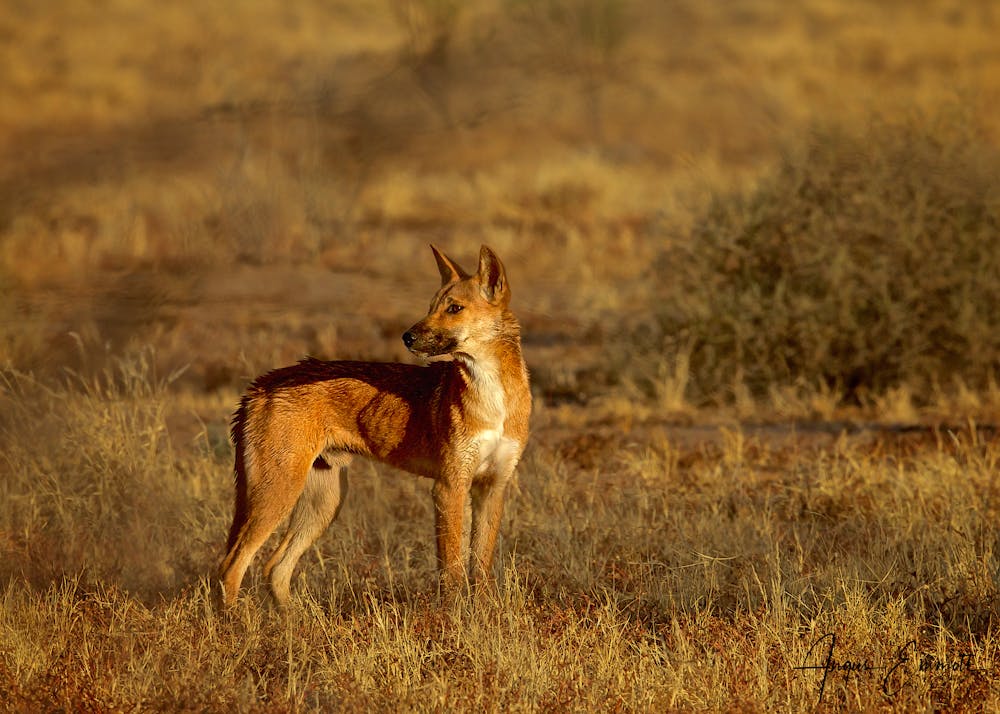
Image credit: Angus Emmott

By Euan Ritchie (Deakin University), Bradley Smith, (CQUniversity Australia), Kylie M Cairns (UNSW Sydney), Sonya Takau (Indigenous Knowledge), and Whitney Rassip (Indigenous Knowledge).

This article is republished from The Conversation under a Creative Commons license. Read the original article.

Aside from humans, dingoes are Australia’s largest land-based predator. They are arguably our most maligned, misunderstood, and mismanaged native species.

But evidence suggests this iconic canine helps maintain healthy ecosystems. They’re also a tourist draw-card. And they hold deep values for First Nations peoples.

Since colonisation, Australian governments and land managers have trapped, shot, poisoned and excluded dingoes from large parts of their Country. Policy and practices have frequently overlooked First Nations’ perspectives.

It doesn’t have to be this way. We can hear the diverse voices and values of First Nations peoples, livestock producers, ecologists, and others as we shape future policy and practices. By collaborating and drawing from both Indigenous and Western knowledge, we can find ways to live in harmony with our apex predator.

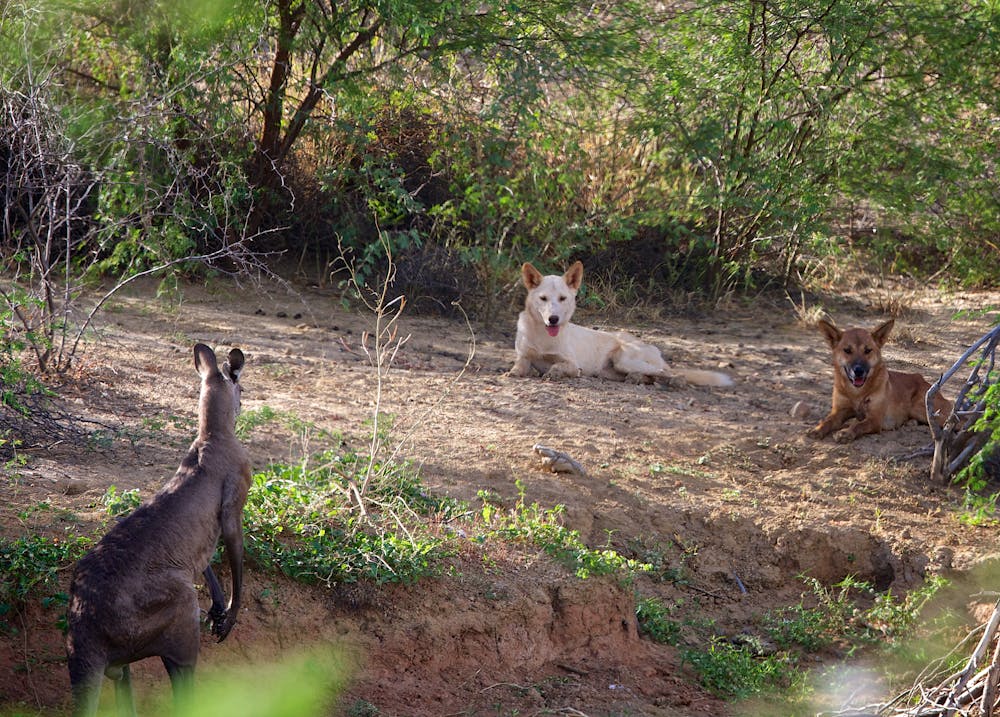
A photograph showing a kangaroo looking at two resting dingoes
Dingoes keep kangaroo numbers in check, benefiting vegetation, other wildlife, and livestock graziers. Angus Emmott

How are dingoes currently treated?

Under federal environmental law, any species present in Australia before AD 1400, such as the dingo, is classified as native. However, dingoes are not listed nationally as a threatened species. So individual state governments make their own decisions about how to treat them.

In the Northern Territory, Queensland and Victoria, dingoes are managed as protected wildlife in National Parks and conservation areas but they’re unprotected on private land.

In Western Australia, South Australia, the Australian Capital Territory and New South Wales, dingoes are unprotected wildlife. That means they are afforded no protection, even in conservation areas.

But state governments also list “wild dogs” as a priority pest species. That allows – even requires – them to be killed on public and private land.

Some states, such as Victoria, have “wild dog” bounties where landholders can turn in wild dog (but more likely dingo) body parts for money.

The state definitions of “wild dogs” includes dingoes and dingo-dog hybrids. This is based on the mistaken belief that interbreeding between dingoes and dogs was widespread across Australia.

But recent DNA research shows dingo-dog hybrids are rare. Most wild dingoes have little to no dog ancestry. This has led scientists, conservationists, and First Nations peoples to call on state governments to change dingo policies.

A photograph showing two dead dingos hanging from the branches of a tree in an agricultural landscape
Macabre scenes such as this are not uncommon across rural Australia. Angus Emmott

Stark contrasts in dingo management

Stretching more than 5,600km across Australia, the dingo barrier fence is the longest continuous artificial environmental barrier in the world. It was designed to keep dingoes out of the more productive sheep grazing areas in southeastern Australia.

In South Australia, dingoes south of the “dingo fence” are declared “wild dogs” and subject to an eradication policy. North of the “dingo fence” they are unprotected wildlife.

In contrast, dingoes are listed as threatened throughout Victoria. They are protected on public land (if more than 3 km from a private land boundary).

The existence of an isolated and threatened “Big Desert” wilkerr (dingo) population on the border between these two states highlights their differing approaches.

While the Victorian population is partially protected in the Big Desert-Wyperfeld conservation reserve complex, the South Australian wilkerr population is poisoned four times a year inside Ngarkat Conservation Area.

Photograph of a handmade sign below the road sign to Clifton that reads 'These sheep-killing mongrels are destroying the wool industry'. Someone crossed out the words 'sheep' and 'wool industry', replaced with 'dingo' and 'ecosystems'
Dingoes are regarded as pests by some and ecologically essential by others. Angus Emmott

What do dingoes mean to First Nations peoples?

Dingoes hold strong cultural significance for First Nations peoples across Australia. They are considered loved and respected family members that have always been by their sides. A healthy dingo population is seen as essential for healthy Country and healthy people.

Despite the harms of colonisation on dingoes and First Nations, Indigenous people continue to feel and nurture this connection to dingoes. Maintaining their culture means fulfilling the general cultural obligation and rights of First Nations peoples to protect this sacred animal.

This was reinforced at the National Inaugural First Nations Dingo Forum in Cairns last month (September 15–16). The forum produced a powerful statement signed by more than 20 Nations.

The national dingo declaration is clear: First Nations peoples want an immediate end to the “genocide” (deliberate killing) of dingoes on Country. Lethal control of dingoes is not acceptable, nor justified.

We join the call for an end to the use of the term “wild dog”, because it’s misleading and disrespectful. Pure dingoes, not feral or hybrid wild dogs, are predominately being killed.

First Nations people want to see the dingo reinstated as “the boss of Country”. They call on governments at all levels to involve First Nations peoples in decisions relating to dingo management, to implement and support educational programs across a variety of platforms and organisations, and to see dingoes protected under legislation.

The recent Victorian decision to maintain lethal control of dingo populations against the wishes of First Nations peoples is extremely disappointing.

Non-lethal ways to protect livestock

While lethal methods have historically been used to protect livestock from dingoes, there is growing awareness of their limitations.

Firstly, these methods have not been consistently effective in eliminating livestock losses. In some cases they have exacerbated the problem, possibly due to killing and loss of older individuals, which can change the social cohesion of dingo populations, breeding, their movements and how territorial they are. It may also alter how successful they are at hunting kangaroos, causing more attacks on livestock.

Secondly, they have been associated with adverse consequences for biodiversity. In some cases, having dingoes around can be beneficial for graziers by reducing the total grazing pressure of kangaroos, feral goats, and other herbivores, and in some cases the impacts of feral pigs too. Increasing numbers of landholders are recognising this.

Lastly, there is growing consensus these lethal approaches are not aligned with the values of the general public, particularly First Nations peoples.

A photograph of a lone dingo standing side-on in a dry grassland
Healthy Country and people requires dingoes. Angus Emmott

Non-lethal approaches to managing dingoes are gaining prominence as they are more environmentally sustainable and compassionate. These approaches prioritise coexistence by reducing conflict between dingoes and human interests while allowing dingoes to persist in landscapes.

One of the most promising non-lethal methods involves guardian animals, such as livestock-guarding dogs, llamas, and donkeys. These guardian animals establish protective bonds with livestock and effectively deter dingoes from approaching, reducing livestock losses for graziers.

Additionally, there is growing interest in developing innovative dingo deterrents, such as electric fencing and devices that emit loud noises, smells or visual stimuli, to discourage interaction between livestock and dingoes.

Initiatives promoting best practices for animal husbandry, including secure fencing, corralling, shepherding, and reducing access to resources (such as water and carcasses), play a crucial role in diminishing the attractiveness of livestock as prey to dingoes.

Working and walking together

By promoting coexistence and exploring and investing in innovative non-lethal solutions, we can strike a balance between safeguarding human interests, preserving the vital ecological role that dingoes perform, and respecting First Nations’ culture. In doing so, it is our hope that communities will be more united than divided.

We would like to acknowledge retired graziers Angus and Karen Emmott and family from far North Queensland. Their personal story about dingoes at Noonbah Station in Queensland’s Channel Country helped inform our article, and we consider Angus a co-author.The Conversation

The Conversation
Categories
Science communication The Conversation

The Conversation: Land clearing and fracking in Australia’s Northern Territory threatens the world’s largest intact tropical savanna

Image credit Jill Marie Smith via Shutterstock

By Euan Ritchie (Deakin University), Brett Murphy (Charles Darwin University), and John Woinarski (Charles Darwin University).

This article is republished from The Conversation under a Creative Commons license. Read the original article.

The Northern Territory government’s plan to turn 100,000 hectares over to large-scale crops such as cotton and its support for onshore gas extraction is threatening the world’s largest intact tropical savanna.

This is a region of immense cultural, environmental and economic value. It is home to the World Heritage listed Kakadu National Park and rich biodiversity.

As wildlife ecologists and conservation scientists, we are deeply concerned about plans announced last month that would intensify land clearing.

Accelerating habitat loss would all but guarantee failure of the Australian government’s zero extinctions plan, notwithstanding the fact many of the species placed in harm’s way by fracking and farming are yet to be discovered.

Rather than relaxing regulation to support development, we need to urgently overhaul Australia’s grossly inadequate environmental laws and safeguards, which also lack enforcement.

Land clearing leaves wildlife homeless

When we think of unregulated land clearing and habitat loss in the tropics, impoverished countries in tropical South America, Africa and Asia spring to mind. Not a relatively rich, developed country like Australia.

Earlier this year (2023), the ABC investigated suspicious land clearing in the NT.

But across Australia’s tropical north, landscapes are afforded little protection. Land clearing leads to habitat loss, erosion and pollution of waterways.

Threatened species such as the Gouldian finch, black-footed tree-rat, and northern river shark are being put at risk.

Agriculture, including livestock grazing (pastoralism), is by far the greatest driver of land clearing in northern Australia.

The land subject to clearing approvals in the NT increased by 300% between 2018 and 2021. This trend is expected to continue.

First Nations Peoples, environmental scientists, conservation groups, and other members of the public fear the push to develop cotton in the NT will mean clearing a further 100,000 ha. That stems from the 2019 NT Farmers Association business case for the construction of a cotton processing facility in the NT, which is nearing completion.

Weak laws afford limited protection

Our national environmental protection law, the Environment Protection and Biodiversity Conservation Act, relies on self-referral of development activities for assessment.

Proponents of pastoral land clearing projects almost never refer their projects to the Australian government for assessment, even if their projects are set to deplete thousands of hectares of habitat within the known range of threatened species.

This means the potential impacts on threatened species and other natural values supposedly protected by national environmental laws, are never assessed by experts. And there is no mechanism for anyone else to refer the development for assessment.

The NT has no dedicated land clearing or native vegetation management legislation. The Pastoral Land Board approves land clearing across pastoral leases (which cover more than 45% of the territory’s land area). Permits for up to 5,000ha are generally granted without any formal environmental impact assessment.

On one occasion the proponent referred an application to the NT Environment Protection Agency. But it was deemed clearing the 10,000ha would not have a significant impact. So there was no environmental impact assessment required.

Some of the most notable examples of recent uncontrolled land clearing, without any assessment of biodiversity impacts, were for cotton on pastoral land in the NT.

Finally, the current regulatory system covers single development proposals. It is poorly equipped to consider the cumulative impacts of successive individual clearing events.

Fuelling fires and biodiversity loss

The push to extract gas from the Beetaloo Basin represents another major threat to the region. The export of fracked gas from Beetaloo will be facilitated by the Middle Arm Sustainable Development precinct.

This runs counter to warnings from the world’s climate scientists that we must rapidly move away from a reliance on fossil fuels if we are to meet ambitions to keep global warming below 1.5°C.

For northern Australia, climate change means more severe storms, coral bleaching, death of mangroves, more intense and extended dry seasons (with less water for wildlife), and increased fire risk and severity.

Threats may compound upon each other, as invasive gamba and buffel grass that favour and promote fire would be even more likely to thrive and expand.

A better future for Australia’s tropical savannas

To protect Australia’s tropical savannas from uncontrolled land clearing and gas extraction, we need:

  • Stronger national environment protection legislation. The federal government is in the process of reviewing the EPBC Act. This is a perfect opportunity to recognise and protect our tropical savannas. The new act must have stronger requirements for the formal assessment of all projects that are likely to affect threatened species. It must also take the cumulative impacts of multiple small projects into account, to avoid “death by a thousand cuts”.
  • New NT-focused environmental law such as a Biodiversity Conservation Act, as proposed by the Environmental Defenders Office, Environmental Justice Australia and the Environment Centre NT, would provide tighter regulation of land clearing. This could also consider greenhouse gas emissions, carbon storage and native food production (bush tucker), as well as the intrinsic cultural values of intact ecosystems.
  • Most importantly, conservation planning that is community-led, scientifically grounded and respects the wishes and concerns of First Nations Peoples regarding enterprises on and management of Country. Recent pastoral land clearing in the NT has ignored the concerns of Traditional Owners over the loss of Country (despite having legally recognised Native Title on the land).

Avoid repeating past mistakes

While Australia’s tropical savannas are massive in scale, they are increasingly insecure and under significant strain. Against a backdrop of climate change, biodiversity decline and extinction crises, any further development of the north must be subject to rigorous risk-assessment and appropriate environmental protections.

This is essential to ensure any economic benefits justify potential risks. We simply can’t afford to risk repeating mistakes already inflicted on much of southern Australia.

The Conversation
The Conversation
Categories
Media Science communication The Conversation

The Conversation: Species don’t live in isolation: what changing threats to 4 marsupials tell us about the future

Once abundant, woylies – or brush-tailed bettongs – are now critically endangered. John GouldCC BY-SA

By William Geary (Deakin University), Adrian Wayne (The University of Western Australia), Euan Ritchie (Deakin University) and Tim Doherty (University of Sydney).

This article is republished from The Conversation under a Creative Commons license. Read the original article.

Conserving native wildlife is a challenging task and Australia’s unenviable extinction record shows us we urgently need more sophisticated and effective approaches. 

Too often we focus on saving individual threatened species. But in the wild, species do not live neatly in isolation. They are part of rich ecosystems, relying on many other species to survive. To save species often means saving this web of life. 

Our new research models what’s likely to happen to four well-known Western Australian marsupials in the biodiversity hotspot of south-western Australia, by identifying key drivers of their populations over time. 

In the past, these species were most at risk from habitat loss. But when we ran our models forwards, we found all four species would be at more risk from climate change, which is bringing heightened fire risk and a drying trend to the region. Even better control of foxes – a major predator – did not offset the trend fully.

Our work adds further weight to efforts to protect ecosystems in all their complexity. The way species – including feral predators – interact takes place against a changing climate, fire regimes, and human-made change, like logging and grazing. 

To give native species their best chance of survival, we have to embrace ecosystem-based conservation, rather than focusing on rescuing individual species. 

What did we find?

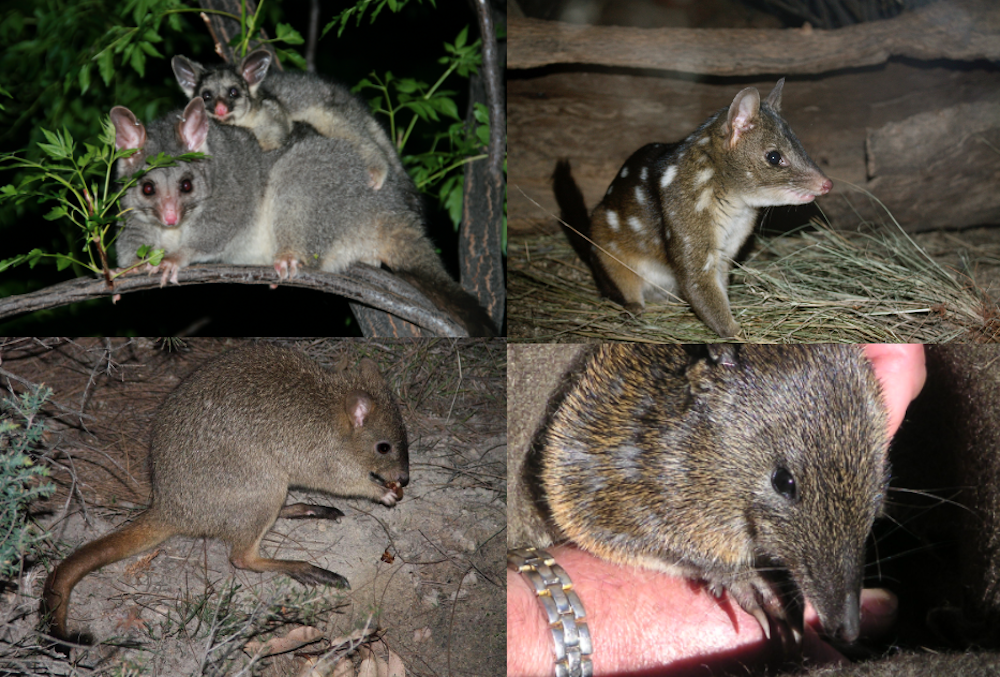
We looked at long-term monitoring data to find out what was having the most impact on the woylie (brush-tailed bettong), chuditch (western quoll), koomal (western brushtail possum) and the quenda (southern brown bandicoot), four animals living in Upper Warren jarrah forests.

Our study species, left to right and clockwise: the koomal (western brushtail possum), chuditch (western quoll), quenda (southern brown bandicoot) and the woylie (brush-tailed bettong). The Department of Biodiversity, Conservation and Attractions (DBCA)

All four have undergone considerable population change over the last few decades and some are now threatened due to predation by foxes and feral cats, habitat loss and increased frequency of droughts and bushfires. To add to that, controlled burns, lethal fox control and timber harvesting have all taken place in our study region within this time. What we didn’t know was how these threats and conservation efforts interact. 

To find out, we built a complex statistical model of the ecosystem to pinpoint what was driving population change geographically and over time. 

We found the abundance of these species were affected most by the historical impact of habitat loss, as well as less food in the form of vegetation or prey due to the area’s ongoing decline in rainfall. 

Of the habitat lost here, most was cleared during the 19th and early 20th centuries. But now it has more or less stopped, the legacies of this change continue through the effects of habitat fragmentation and increased incursion by introduced species. That means the main falls in abundance took place decades ago. 

What about fire and foxes? These threats had less effect than habitat loss and rainfall declines, which we attribute to the broad management of both of these in the region. It was also difficult to quantify the effects of fox control because of the lack of control areas – essentially, comparable areas without poison baits in the region. 

Our work shows there’s not one simple answer for managing this ecosystem. Everything is connected. We need to embrace this complexity so that we can better pinpoint where our actions can make a difference.

This jarrah forest is typical of our study region. The Department of Biodiversity, Conservation and Attractions (DBCA)

What’s likely to happen?

While habitat loss was the major historical threat, the future looks to be different. Severe fire is set to increase and rainfall reduce due to climate change. This indicates all four species will see falling populations. 

Annual rainfall in south-western Australia has already fallen at least 20% below the historical average and further declines are expected. If severe fires arrive more often – and overlap with reduced rainfall – we could see even greater population loss. 

These threats mean local conservation managers will be less able to help. Controlling fox numbers may help at present, but in a drier, fierier future, things will get harder. 

Our modelling suggests that for woylie and koomal, lethal fox control could boost their resilience to severe fire and reduced rainfall, but not completely offset the expected losses.

Jarrah forests are now experiencing more bushfires. The Department of Biodiversity, Conservation and Attractions (DBCA)

What does this mean for ecosystem management?

It’s long been a goal for conservationists to manage ecosystems as a whole. In reality, this is often incredibly difficult, as we need to consider multiple threats (such as fire and invasive species) and conflicting requirements of different species, in the face of uncertainty about how some ecosystems work, as well as limited budgets

Ecosystems are complex webs of interacting species, processes and human influences. If we ignore this complexity, we can miss conservation opportunities, or see our actions have less effect than we expected. 

Sometimes, well-intended actions can actually produce worse outcomes for some species, such as fox control leading to a boom in wallabies who strip the forest of everything edible. 

Studies like ours wouldn’t be possible without the careful collection and synthesis of data over decades. As global climate change accelerates and the effects on ecosystems become increasingly unpredictable, conservation managers are flying blind if they do not have long-term monitoring to inform decisions on where and when to act. 

So what can our conservation managers do? They can help ecosystems survive by doing two things. First, keep managing the threats within our control – such as invasive predators and ongoing habitat loss – to help reduce damage from other threats. Second, model and anticipate the effects of future change, and use that knowledge to be as prepared as we can.

The Conversation
Categories
Media Science communication The Conversation

The Conversation: Labor’s plan to save threatened species is an improvement – but it’s still well short of what we need

Not a priority species: the endangered greater glider. Image credit: Josh Bowell/AAP

By Euan Ritchie (Deakin University), Megan C Evans (UNSW Sydney) and Yung En Chee (The University of Melbourne). 

This article is republished from The Conversation under a Creative Commons license. Read the original article.

Australia’s dire and shameful conservation record is well established. The world’s highest number of recent mammal extinctions – 39 since colonisation. Ecosystems collapsing from the north to the south, across our lands and waters. Even species that have survived so far are at risk, as the sad list of threatened species and ecological communities continues to grow.

During the election campaign, Labor pledged to turn this around. On Tuesday, federal Environment Minister Tanya Plibersek announced what this would look like: a new action plan for 110 threatened species. The goal: no new extinctions. “Our current approach has not been working. If we keep doing what we’ve been doing, we’ll keep getting the same results,” Plibersek said.

But is this really a step change? Let’s be clear. This plan is a welcome improvement – especially the focus on First Nations rangers and Indigenous knowledge, clearer targets, better monitoring and the goal of protecting 30% of Australia’s lands and seas within five years.

But the funding is wholly inadequate. The A$225 million committed is an order of magnitude less than what we need to actually bring these threatened species back from oblivion. The grim reality is this plan is nowhere near enough to halt the extinctions. Here’s why.

There’s nowhere near enough funding

Conservation costs money. Recovering threatened species takes effort. Tackling the threats that are pushing them over the edge, from feral cats to land clearing, is expensive. “Measures of last resort”, such as captive breeding, creation of safe havens and translocations, takes more still.

How much is enough? Estimates put it at A$1.7 billion per year. This is around one-seventh of the money Australian governments spent on fossil fuel subsidies last financial year. If there’s funding for that, there should be funding for wildlife.

Make no mistake – starving conservation of adequate funding is a choice. For decades, Australia’s unique environment and wildlife have been thrown consolation crumbs of funding – even though they are our collective natural heritage, fundamental to human survival, wellbeing and economic prosperity, and a major draw card for tourists and locals. You can see the results for yourself: more extinctions and many more threatened species.

Picking winners means many species will lose

Labor’s plan is focused on arresting the decline of 110 species, and 20 places such as the Australian Alps, Bruny Island and Kakadu and West Arnhem Land.

Picking winners: the freshwater sawfish has been chosen as a priority species – while hundreds of others have not. AAP

Unfortunately, that’s a drop in the ocean. Combined, we now have more than 2,000 species and ecological communities listed as threatened. Picking species to survive betrays our remarkable, diverse and largely unique plants, animals and ecosystems. It suggests – wrongly – that we have to choose winners and losers, when in fact we could save them all.

The plan assumes recovering priority species may help conserve other threatened species in the same areas and habitats. This is questionable, given only around 6% of listed threatened species are slated to receive priority funding, and how much the needs of different species can vary even in the same habitats and ecosystems. Different species respond very differently to fire regimes, for instance.

Policies and laws are essential

Funding by itself isn’t enough. Unless all levels of governments enact and enforce effective policies aimed at conserving species and their homes, the situation will worsen. Australians are still waiting to see what reforms actually emerge from Graeme Samuel’s sweeping review of the main laws governing biodiversity and environmental protection.

Alignment of policies is vital. What’s the point of saving a rare finch from land clearing if you’re simultaneously opening up huge areas to fracking, polluting groundwater and adding yet more emissions to our overheated atmosphere? Despite Labor’s rhetoric on threatened species and climate change, they are still committed to more coal and gas.

Similarly, native vegetation clearing and habitat loss is barely mentioned in the threatened species plan. Yet these are leading causes of environmental degradation, as the 2021 State of the Environment Report makes clear.

If you want to save the critically endangered western ringtail possum and endangered black cockatoos, why would you approve the clearing of habitat vital to their existence? The Labor government did just that in July.

Conserving more land isn’t a panacea

Protecting 30% of Australia’s lands and oceans by 2030 sounds great. But protecting degraded farmland is not the same as protecting a biodiverse grassland or wetland. And establishing protected areas is not the same as effective management.

To get this right, the new areas must add to our existing conservation estates by adding species and ecological communities with little or no representation. They must help species move as they would have before European colonisation, by connecting protected areas separated by human settlement or farms. And there must be enough money to actually look after the land. There’s no point protecting ever-larger tracts of degraded, weed-infested, rabbit, deer, horse, pig, fox and cat-filled land.

The 50 million hectares of land and sea to be added by 2027 is supposed to come almost entirely from Indigenous Protected Areas. But again, where’s the funding? Right now, these land and sea areas get a pittance – a few cents per hectare per year.

It’s also important to support conservation on private land, where many threatened species live and where significant gains can be made. Maintaining wildlife on private land can also help farmers and landholders through pollination and seed dispersal as well as broader ecosystem health.

We need laws with teeth

If you liked it, you should have put a law around it. If the federal government is serious about ending extinctions, it should be enshrined in legislation. As it stands, “zero extinctions” is a promise with no clear way for us to see who is responsible or how the promise will be kept.

Too cynical? Alas, there’s a very real trend here. Successive governments have avoided accountability for losing species doing exactly this. They release strategies on glossy paper which note we all have a role to play in conservation – but strangely omit the part about who is responsible when a species dies out. If you want to save species, make human careers depend on species staying alive.

We know strong legislation and billions rather than millions of dollars are needed to stop extinctions. So far, the new government has announced inadequate funding, a non-binding strategy with an aspirational goal, and a seemingly rushed idea of a biodiversity market, dubbed “green Wall Street”, which made conservationists including the Wentworth Group of Concerned Scientists very concerned.

Tossing breadcrumbs to conservation is what we’ve done for decades. It’s a major reason why our unique species are in this mess. Time’s up.

The Conversation
Categories
Media Science communication The Conversation

The Conversation: Should we bring back the thylacine? We asked 5 experts

Image credit: Tasmanian Museum and Art Gallery

By Signe Dean, Science and Technology Editor, The Conversation.

This article is republished from The Conversation under a Creative Commons license. Read the original article.

In a newly announced partnership with Texas biotech company Colossal Biosciences, Australian researchers are hoping their dream to bring back the extinct thylacine is a “giant leap” closer to fruition.

Scientists at University of Melbourne’s TIGRR Lab (Thylacine Integrated Genetic Restoration Research) believe the new partnership, which brings Colossal’s expertise in CRISPR gene editing on board, could result in the first baby thylacine within a decade.

The genetic engineering firm made headlines in 2021 with the announcement of an ambitious plan to bring back something akin to the woolly mammoth, by producing elephant-mammoth hybrids or “mammophants”.

But de-extinction, as this type of research is known, is a highly controversial field. It’s often criticised for attempts at “playing God” or drawing attention away from the conservation of living species. So, should we bring back the thylacine? We asked five experts.

Axel Newton, Evolutionary Biologist at TIGRR Lab

YES, with a “but” (more on that shortly). The thylacine is one of the most tragic stories of the modern era, being actively hunted to extinction through a government bounty scheme. Unlike other extinct species, the thylacine was eradicated less than 100 years ago. Its habitat and ecological environment that it once thrived in is still intact.

I think we have an obligation to do everything in our power to bring back this remarkable animal, particularly as our forebearers were the direct cause of its disappearance. However, we also have an ethical and moral responsibility to ensure that the animal we resurrect is a 99%+ thylacine and not an almost-thylacine hybrid.

The largest challenge of this endeavour is reconstructing the genome of an extinct species without access to any living tissue (the difference between de-extinction and cloning). This equates to putting together a 3-billion-piece puzzle, with our hands tied behind our back.

Inevitably some argue that money used on this project could be put to better use through actively preserving habitats of animals on the brink. But this project will have enormous conservation benefits to already threatened species, and has the potential to generate significant advancements to human health.

The crux of this is through producing the genetic tools and methods to edit the DNA of stem cells, and then turn those stem cells back into an animal. This technology will not only meet our end goal of turning a surrogate marsupial cell into a thylacine, but in the process allow us to reintroduce genetic diversity into endangered populations. We could take bio-banked tissues of rare, endangered species, and produce animals to be reintroduced into the environment to increase beneficial genetic diversity. Not only this, but the work could be applied for targeted gene therapy to correct mutations underlying human health and cancer.

So, should we bring the thylacine back, yes. Not only for the fate of this incredible, lost species, but also the significant benefits this project will produce for humanity as a whole. As long as we keep the moral and ethical considerations at the forefront, we have an opportunity to correct the wrongs of the past.

Parwinder Kaur, Geneticist and Biotechnologist

MAYBE. It depends on the complex risks re-introductions of extinct species would have on our current ecosystems. Will such risks outweigh the potential benefits and fear unsuccessful environmental management actions?

Earlier this year, our DNA Zoo Australia team completed a chromosome-length 3D genome map of thylacine’s closest living relative: the numbat. This raised the tantalising prospect of piecing together the thylacine’s genetic sequence, which in turn would offer the possibility of reintroducing one of Australia’s most iconic lost species.

But the big question our team faced was: shall we go after resurrecting the dead, or help numbats first? Numbats are now struggling and on the verge of extinction, with fewer than 1,000 numbats left in the wild and the species officially listed as endangered. The answer was simple: focus on what we have first.

We live in exciting times when biotechnology offers various promising alternatives for achieving this purpose, and probably a better use of these techniques will be towards preserving critically endangered species on the verge of extinction.

In my opinion, focusing on de-extinction could compromise biodiversity conservation by diverting resources from preserving ecosystems and preventing newer extinctions. It is no trivial work in terms of resources and skills required to revive an extinct animal; given the low level of investments into conservation research, we need to be very careful as a scientific community to not prioritise preservation over resurrection.

Euan Ritchie, Wildlife Ecologist

MAYBE. There is much to consider with such an ambitious project. Most importantly, we must greatly increase efforts to save and recover living species, and it’s simply far cheaper and easier to conserve what we have than to attempt to resurrect species and their ecological roles.

This requires confronting the many causes for species decline & extinction, and, broadly speaking, our unsustainable existence and inability to share this planet with other species.

At current rates of species decline and extinction, de-extinction will not be able to come even close to resurrecting what we have destroyed. So which species do we try to bring back, and why? And, if it is even possible, will resurrected species behave the same way, will they perform the same ecological roles and affect ecosystems in the same way? I’m very doubtful.

However, we must stop perpetuating the idea that conservation is a zero-sum game, feeding a flawed narrative that we must choose which projects, species and ecosystems we support. A shortage of money isn’t the issue, values and priorities are. For perspective, it’s estimated Australia spent A$11.6 billion on fossil fuel subsidies in 2021–22, but recently only allocated A$10 million to 100 priority threatened species, fewer than 6% of the country’s listed threatened species.

It’s vital we maintain robust scrutiny and scepticism of ambitious projects, but we must also support scientists to push boundaries and take educated risks. And sometimes we learn, even when we ‘fail’.

Personally, I would love to see thylacines back in the wild, but I’m not optimistic we’ll see a self-sustaining and genetically diverse population of thylacines any time soon, if at all. If such projects are to proceed, I also hope that Indigenous people, and communities more broadly, are properly consulted and involved.

Julian Koplin, Bioethicist

YES. Most of us think we should protect ecosystems from damage and prevent animals from going extinct. This might be because we value nature for its own sake, or it might be because we think biodiversity is good for humans ourselves.

Importantly, both of these reasons also support de-extinction. One reason to bring back (approximations of) animals like the Tasmanian tiger and woolly mammoth is to help restore the ecosystems they used to live in; another is to bring humans a sense of wonder and awe, and perhaps even greater respect for the natural world. So, why not push ahead?

Perhaps the most serious ethical worry is that de-extinction is a poor use of resources; we could probably make a bigger difference to biodiversity by funding conservation efforts instead. But this objection isn’t decisive. The costs of de-extinction may come down over time.

Also, it’s unclear whether many people funding de-extinction efforts would otherwise have funded traditional conservation projects instead. We should keep an eye on the costs, but we shouldn’t reject de-extinction outright.

Corey Bradshaw, Ecologist

NO. While the scientific endeavour to demonstrate capacity to re-animate long-extinct species does have some merit, claiming that the approach will counter present-day extinction rates or could be used as a conservation tool is naïve.

Viable populations require thousands of genetically diverse individuals to be able to persist in the wild. There is simply no prospect for recreating a sufficient sample of genetically diverse individual thylacines that could survive and persist once released.

Also, large predators like thylacines require large home ranges to gather food, establish territories, and raise young. The reason they were driven to extinction in the first instance was due to perceived conflict with landholders, so even if the problem of genetic diversity could be solved, the social licence to re-establish a large population of predators is unlikely to be granted (consider the case of dingo persecution throughout most of Australia today).

Furthermore, the available habitats in Australia that could support a large population of thylacines have dwindled or been degraded radically since the early 19th Century. Combined with no-analogue climates of the immediate future due to global warming, it is unlikely that there would be sufficient available habitat to support a viable population.

The Conversation
The Conversation
Categories
Media Science communication The Conversation

The Conversation: 6 books about the climate crisis that offer hope

By Euan Ritchie (Deakin University), Erin O’Donnell (The University of Melbourne), Gregory Moore (The University of Melbourne), Kristen Lyons (The University of Queensland), Peter Christoff (The University of Melbourne), and Stefan Kaufman (Monash University).

This article is republished from The Conversation under a Creative Commons license. Read the original article.

Coral bleaching, floods, bushfire, biodiversity decline and extinction – as we witness the effects of climate change, amid a stream of reports warning of the cost of government inaction, it is easy to feel overwhelmed.

How to counter the gloom? We asked six environmental experts to each nominate a book about the climate crisis that offers hope.

Euan Ritchie recommends All We Can Save: Truth, Courage, and Solutions for the Climate Crisis edited by Ayana Elizabeth Johnson and Katharine Keeble Wilkinson (2020)

Despair, disempowerment and division are all enemies of positive action, and crippling in the face of tremendous challenges such as the climate change crisis. All We Can Save is the antithesis of such emotions and concerns. Hope is a powerful motivator, especially when it’s delivered in such a creative, thoughtful, inclusive and diverse way.

Critically, All We Can Save brings together women’s voices, spanning culture, geography and ages. Women are still, shamefully, not heard nearly enough – and worse, actively suppressed in some instances and quarters. Society suffers because of this.

In this book, however, scientists, farmers, teachers, artists, journalists, lawyers, activists and others share their unique perspectives, through their essays, poetry and art. They explore how to confront the climate crisis, the damage already inflicted, but most importantly, how to bring about positive change and progress.

Food for the mind and soul, at at time when it’s needed more than ever.

Peter Christoff recommends Great Adaptations: In the Shadow of a Climate Crisis by Morgan Phillips (2021)

There is no point in pretending. There are no “good stories” about global warming. They are all framed by the crisis we refuse to talk about in Australia. We desperately need a national conversation about how to live in the perilous world forming around us.

Morgan Phillips’s Great Adaptations: In the Shadow of a Climate Crisis is not an Australian book. Its perspectives are international – British, European, Nepalese, North American.

Phillips doesn’t flinch from contemplating bleak prospects: systemic collapses, food and water insecurity, biodiversity decline. But his focus is neither on sheer doom, nor naive techno-optimism. He instead brings careful balance to his consideration of good adaptation and harmful (mal) adaptation.

He pushes us to think beyond fragmented reactions to individual climate catastrophes, such as droughts, fires, floods and storms – reactions that favour the wealthy and are based on the delusion that all will spring back to “normal”.

His aim is realistic “transformative adaptation”. He argues for enduring, flexible and equitable adjustments to nature’s new lottery. At the heart of his examples of success – from “fog harvesting” for water in arid Morocco to climate-responsive agro-forestry in Nepal – is the need for constant dialogue to guide adjustments to changing conditions.

Great Adaptations is a brilliant provocation for the discussion we must have.

Kristen Lyons recommends Who Really Feeds the World? The Failure of Agribusiness and the Promise of Agroecology by Vandana Shiva (2016)

The climate crisis has accentuated already unjust and ecologically unviable global food systems. Australia’s recent bushfires and floods, for example, destroyed crops, devastated food-producing landscapes and their communities, and disrupted transport networks. Each laid bare a corporate controlled food system characterised by escalating food prices, growing rates of hunger, and food insecurity.

How might fair and just food systems be fostered – systems that are resilient in the face of climate chaos?

In Who Really Feeds the World? The Failure of Agribusiness and the Promise of Agroecology, Vandana Shiva sets out principles and practices that may offer some solutions. Drawing on a range of examples from around the world, including the
Navdanya movement based in India (which she founded), Shiva presents agroecology, living soil, biodiversity and small-scale farming as life-affirming responses.

Small-scale farmers on small parcels of land already produce 70% of the world’s food. They really can feed the world.

The challenge then – one of many – is how we might breathe life into the principles advocated by this award-winning environmental activist, recipient of the Right Livelihood Award and Sydney Peace Prize. In an Australian context, this will include addressing the violent settler-colonial foundations upon which Australia’s agriculture and food systems have been built.

Erin O’Donnell recommends Fresh Banana Leaves: Healing Indigenous Landscapes through Indigenous Science by Jessica Hernandez (2022)

Raging fires, desperate droughts and unprecedented floods underscore the power and terror of the climate catastrophe. As we experience these brutal reminders of our dependence on healthy ecosystems, many of us are searching for a different way to reconnect with the world around us.
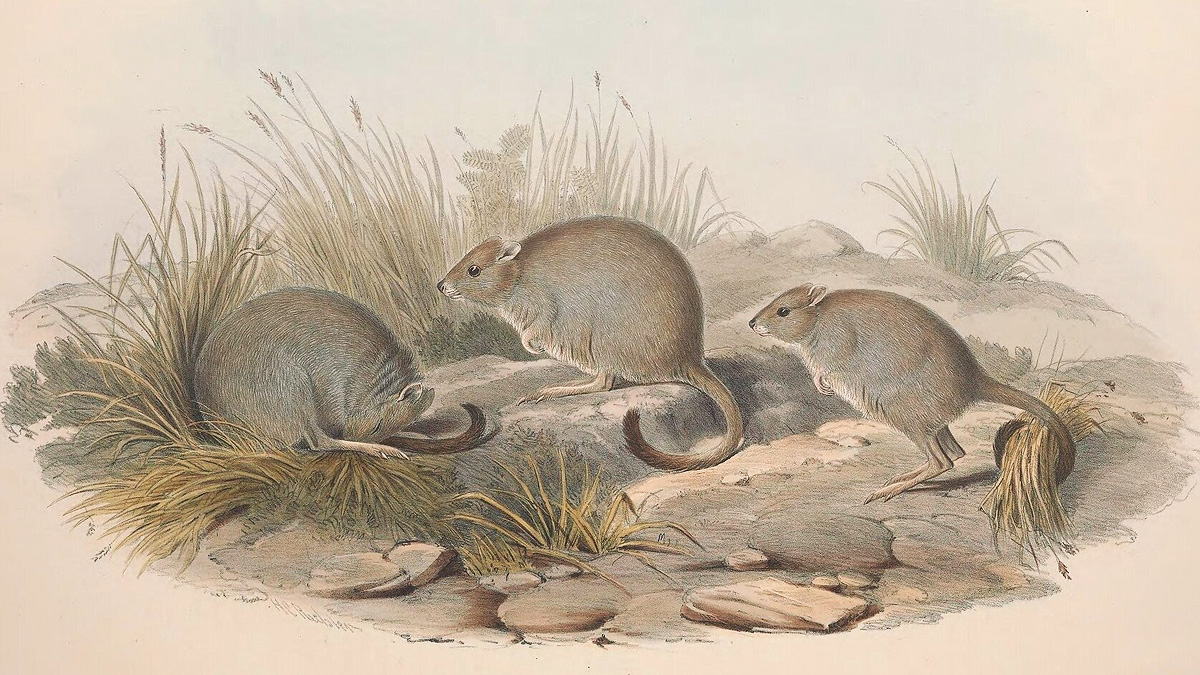
In Fresh Banana Leaves, Jessica Hernandez offers us the concept of “kincentric ecology”, in which the enduring relationship between Indigenous peoples and place is one of mutual interdependence.

She argues that “we are not separate from nature” and that “Indigenous peoples view their natural resources and surroundings as part of their kin, relatives, and communities”.

Hernandez’s book demonstrates the power of Indigenous science (and the leadership of Indigenous peoples) to help bring all of us back into good relations with nature. In doing so, she offers us a glimpse of a decolonised, just and sustainable future.

Stefan Kaufman recommends The Precipice: Exisiential Risk and the Future of Humanity by Toby Ord (2020)

In The Precipice, Toby Ord considers a range of “existential risks” that could, in the next few centuries, curtail the immense potential for long-term human flourishing. It leaves me perversely hopeful about climate change for three reasons.
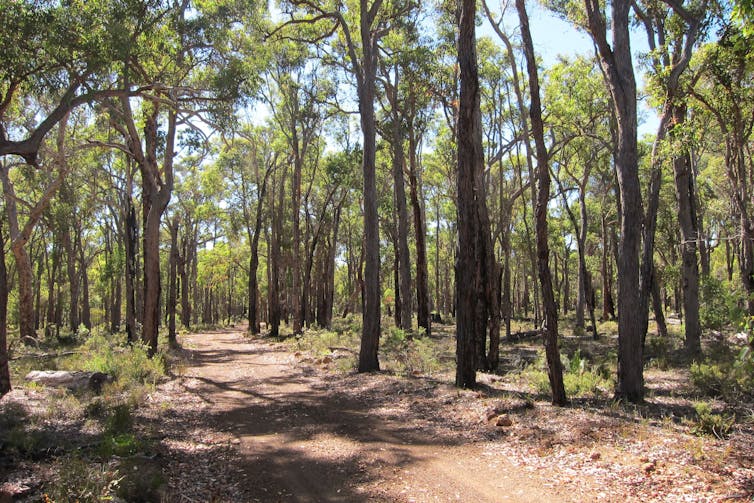
Firstly, while acknowledging that climate change will cause immense suffering, Ord only identifies a few, relatively unlikely scenarios that leave humanity extinct or “stuck” barely surviving.
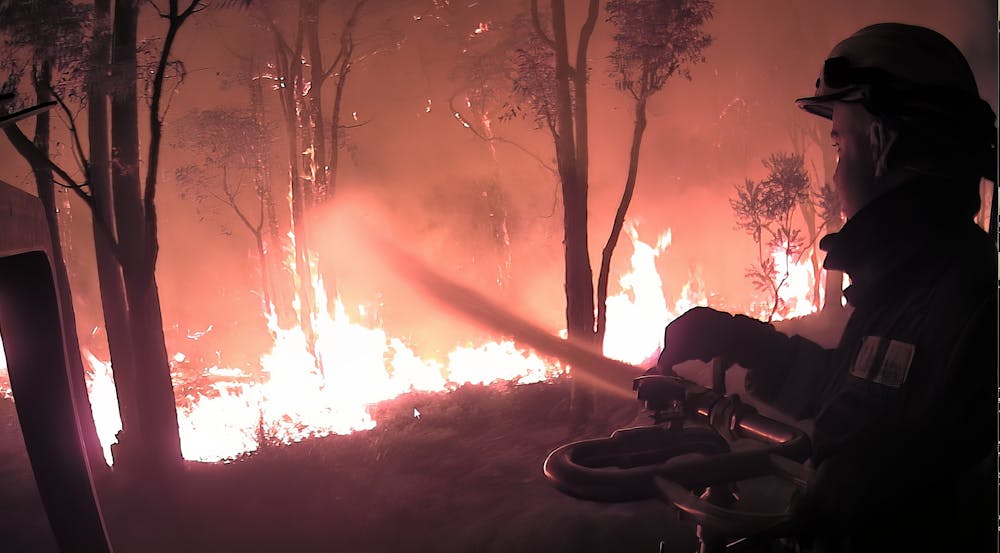
Secondly, he considers a range of human-generated and natural risks that are of even greater concern. Many of these risks are exacerbated by the increasing accessibility of powerful technologies once available only to elites, such as bio-engineering and artificial intelligence. These are all risks that we either create or will need to cooperate to mitigate; their occurrence and their level of impact are within our influence.

Thirdly, Ord makes a compelling case that we have many of the institutions, technologies and policy tools necessary to manage long-term existential risks. There is work all of us can do now to help. Climate change can make many other risks worse. Solving it requires solving others at the same time.

The Precipice leaves one with a sense that we will need to be better humans to make it through the next centuries, but a brighter future awaits. If we attain this future, we will deserve to, because we will have married our power and prosperity with civilisational maturity, compassion and wisdom.

Greg Moore recommends Trees and Global Warming: The Role of Forests in Cooling and Warming the Atmosphere by William J Manning (2020)

As climates change and Australia warms, trees are often seen as a panacea, but, as is invariably the case with ecosystems, things can be complicated.

As William J. Manning tells us in Trees and Global Warming, trees can warm as well as cool the atmosphere. The colour of their leaves (light or dark green) influences how much radiation is absorbed, transmitted and reflected, and how much they cool.

Manning is not looking at trees and forests through rose-coloured glasses, but through a strong scientific lens. They come out as winners when it comes to tackling climate change because, cultivated effectively, they can shade and cool, reduce the urban heat-island effect, sequester carbon, and much more.

Trees are an essential, cost-effective and sustainable part of living with climate change. We must protect the trees and forests that we have. Planting more trees is part of a quick and cheap solution, providing more liveable towns and cities across our continent.

The Conversation
The Conversation
Categories
Media Science communication The Conversation

The Conversation: ‘The sad reality is many don’t survive’ – how floods affect wildlife, and how you can help them

A koala joey was found drenched and trembling near the edge of the Brisbane River. It was one of the lucky animals to be rescued from the severe floodwaters. Image credit: WWF Australia

By Euan Ritchie (Deakin University) and Chris J Jolly (Macquarie University).

This article is republished from The Conversation under a Creative Commons license. Read the original article.

For over two decades, bull sharks have called a Brisbane golf course home after, it’s believed, a flood washed them into the course’s lake in 1996. Now, after severe floods connected their landlocked home back to the river system, these sharks have gone missing, perhaps attempting to seek larger water bodies.

This bizarre tale is one of many accounts illustrating how Australia’s wildlife respond to flooding. But the sad reality is many don’t survive. Those that do may find their homes destroyed or, like those bull sharks and others, find themselves displaced far from their original homes or suitable habitat.

The RSPCA and other wildlife care organisations have received hundreds of calls to help rescue and care for stranded animals. But the true toll on wildlife will remain unknown, in part because we know surprisingly little about the impacts of floods on wildlife.

Still, as many animals have amazing abilities to survive fire, so too do many possess the means to survive or even profit from floods. After all, Australia’s wildlife has evolved over millions of years to survive in this land of extremes.

How wildlife responds to floods

Floods rapidly turn land habitats into underwater habitats, allowing aquatic animals to venture into places you wouldn’t expect. Flooding during northern Australia’s annual wet season, for example, sees crocodiles occasionally turn up in people’s backyard pools.

Land-dwelling animals typically don’t fare as well in floods. Some may be able to detect imminent inundation and head for higher, drier ground. Others simply don’t have the ability or opportunity to take evasive action in time. This can include animals with dependent young in burrows, such as wombats, platypus and echidnas.

The extent to which flooding affects animals will depend on their ability to sense what’s coming and how they’re able to respond. Unlike humans who must learn to swim, most animals are born with the ability.

Echidnas, for example, have been known to cover large areas of open water, but fast flowing, powerful floods pose a very different proposition.

Animals that can fly – such as many insects, bats and birds – may be able to escape. But their success will also partly depend on the scale and severity of weather systems causing floods.

Many birds, for example, couldn’t get away from the heavy rain and seek shelter, ending up waterlogged. If birds are exhausted and can’t fly, they may suffer from exposure and also be more vulnerable to predators, such as feral cats and foxes.

During floods, age old predator-prey relationships, forged through evolution, can break down. Animals are more focused on self preservation, rather than their next meal. This can result in strange, ceasefire congregations.

For example, a venomous eastern brown snake was filmed being an unintentional life raft for frogs and mice. Likewise, many snakes, lizards and frogs are expert climbers, and will seek safety in trees – with or without company.

Some spiders have ingenious ways of finding safety, including spinning balloon-like webs to initiate wind-driven lift-off: destination dry land. This is what happened when Victoria’s Gippsland region flooded last year.

One of the challenges of extreme events is it can make food hard to find. Some animals – including microbats, pygmy possums, and many reptiles – may reduce their energy requirements by essentially going to “sleep” for extended periods, commonly referred to as torpor. This includes echidnas and Antechinus (insect-eating marsupials), in response to bushfire.

Might they do the same during floods? We really don’t know, and it largely depends on an animal’s physiology. In general, invertebrates, frogs, fish and reptiles are far better at dealing with reduced access to food than birds and mammals.

During floods species will share refuge such as trees. Damian Kelly Photography

What happens when floods recede?

Flooding may provide a bounty for some species. Some predators such as cats, foxes, and birds of prey, may have access to exhausted prey with fewer places to hide. These same predators may scavenge the windfall of dead animals.

Fish, waterbirds, turtles and other aquatic or semi-aquatic life may benefit from an influx of nutrients, increasing foraging opportunities and even stimulating breeding events.

Other wildlife may face harsher realities. Some may become trapped far from their homes. Those that attempt to return home will have to run the gauntlet of different habitats, roads, cats, dogs and foxes, and other threats.

Even if they make it home, will their habitats be the same or destroyed? Fast and large volumes of water can destroy vegetation and other habitat structures (soils, rock piles) in minutes, but they may take many years or decades to return, if ever.

Floodwaters can also carry extremely high levels of pollution, leading to further tragic events such as fish kills and the poisoning of animals throughout food chains.

How can you help?

Seeing wildlife in distress is confronting, and many of us may feel compelled to want to rescue animals in floodwaters. However, great caution is required.

Wading into floodwaters can put yourself at significant risk. Currents can be swift. Water can carry submerged and dangerous obstacles, as well as chemicals, sewage and pathogens. And distressed animals may panic when approached, putting them and yourself at further risk.

For example, adult male eastern grey kangaroos regularly exceed 70 kilograms with long, razor sharp claws and toe nails, and powerful arms and legs. They’ve been known to deftly use these tools to drown hostile farm dogs in dams and other water bodies.

So unless you’re a trained wildlife expert or animal carer, we don’t recommend you try to save animals yourself. There is more advice online, such as here and here.

If you’d like to support the care and recovery of wildlife following the floods, a number of organisations are taking donations, including WWF Australia, WIRES and the RSPCA.

What does the future hold?

While many Australian wildlife species are well adapted to dealing with periodic natural disasters, including floods, we and wildlife will face even more intense events in the future under climate change. Cutting greenhouse gas emissions can lessen this impact.

For common, widespread species such as kangaroos, the loss of individuals to infrequent, albeit severe, events is tragic but overall doesn’t pose a great problem. But if floods, fires and other extreme events become more regular, we could see some populations or species at increased risk of local or even total extinction.

This highlights how Earth’s two existential crises – climate change and biodiversity loss – are inextricably linked. We must combat them swiftly and substantially, together, if we’re to avoid a bleak future.

The Conversation